Changing Cover. Hunting Pheasants in Different Habitats.
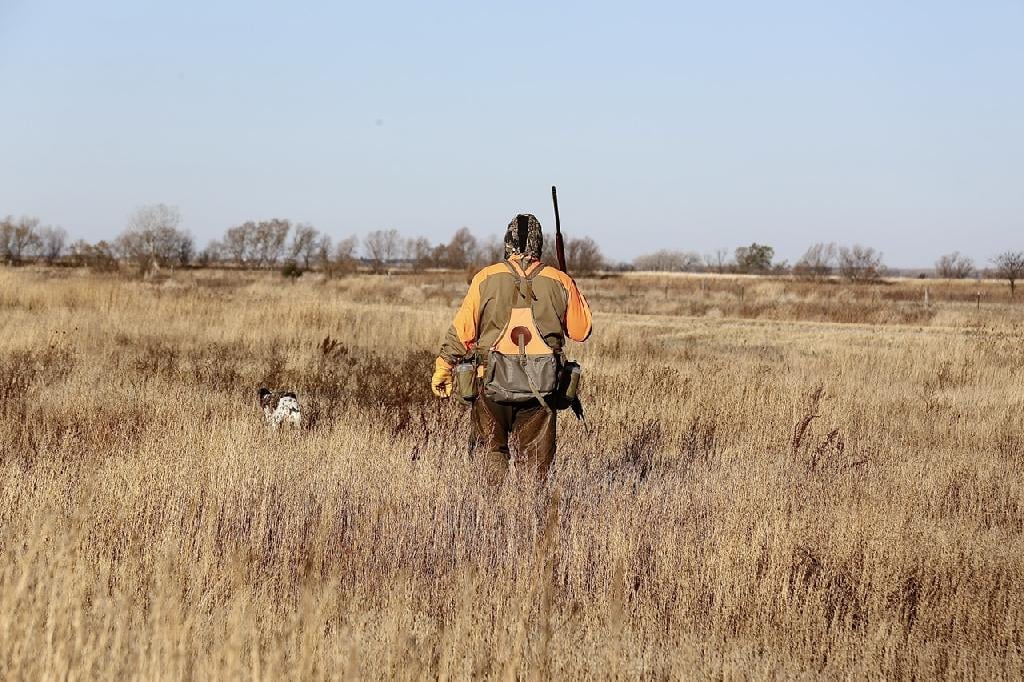
Pheasants are relatively predictable. Roosters want to survive! They are a simple species of upland bird. Pheasants sleep, eat, loaf, and then eat again during the fall and winter seasons. Hunters that understand how pheasants use each type of cover for each activity, will eventually walk out of fields with a series of long-tails sticking out swaying in the wind from bird vests.
Marshes, Sloughs, and Wetlands. These areas scream waterfowl. Both early and late season, pheasants can be found around these water sources. But rest assured they’re NOT just for ducks! This also translates into slough edges, river and lake banks as well. However, much of it can be surrounded by grasslands and cattail sloughs – perfect for pheasants. But the truth is the land within and around these sites is water. Upland hunters chasing ringnecks are going to get wet. To overlook these moisture-ridden environments would be a mistake. Hunters need to adapt to various habitats that pheasants use. Hunters should bring along muck boots or hip waders to make the trek easier.
Along with the possibility of wading in ankle deep water, hunters will be traipsing through the thick stuff as wily roosters take to the semi-impenetrable vegetation that grows nearby. What brings roosters to seek comfort and safety here when pressured? Probably the cattails and heavy cover, as it equates to birds gravitating towards prime pheasant cover. Target high spots, such as edges where water meets land. The best cattails stands to hunt are those found near and adjacent to food sources, such as crop fields.
It’s going to be a tough go-around for hunters to walk through and for the dogs as well. But, guess what? That’s where the birds are. Roosters are going to rely on hunters not wanting to get wet and dense cover in the hopes that hunters and dogs don’t follow them. A close-working or flushing dog is helpful in rooting out pheasants that are hunkered down in cattails. Thick cattails allow roosters to hear predators and the rustling sounds of hunters trying to penetrate through. The maze created underneath by cattails and brush allows for birds to easily maneuver around virtually undetected. Hunters should follow the lead and stop and listen periodically for movement. Have fellow hunting partners approach from the opposite direction to try pin birds and force them to flush.
Pheasants use cattails for loafing, so this habitat is most productive in the afternoon or just before a storm. During the cold winter months cattails provide excellent shelter. They provide overhead cover and allow pheasants to tunnel underneath snow caves.
Hunters should study public land maps for waterways, ditches, lakes, ponds and marshes as each of these places provide excellent cover. Hunters should look at state and federal Waterfowl Production Areas (WPAs) or areas designated for waterfowl management and open to upland hunting. WPAs are marked by green and white signs, which should be an invitation for pheasant hunters. Hunters chasing pheasants on WPAs MUST use non-toxic shot.
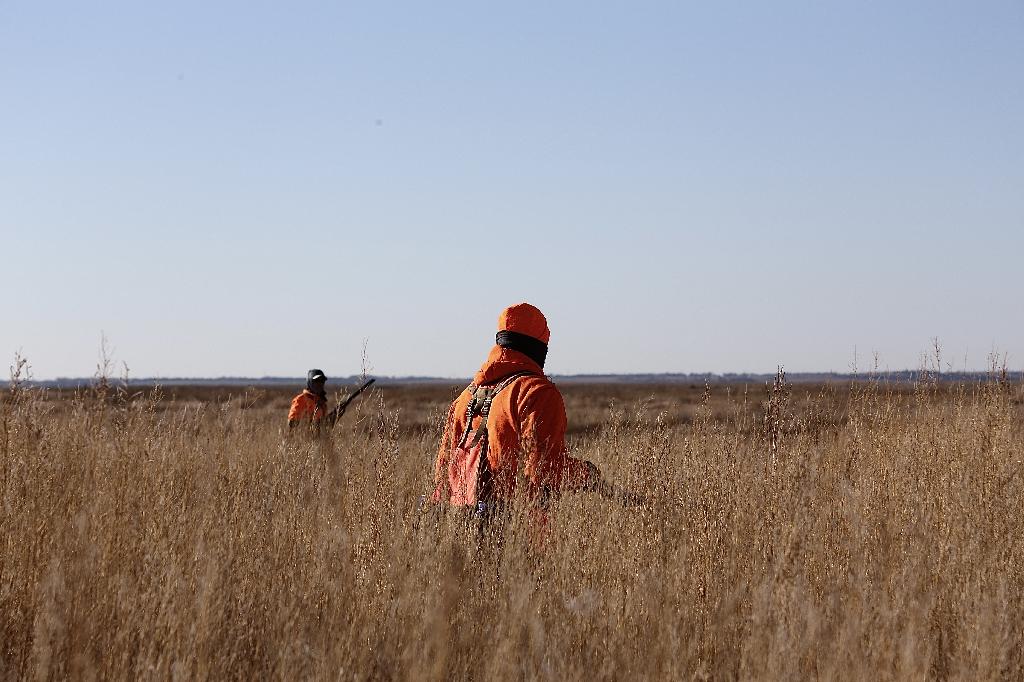
Shelterbelts & Upland Brush. Areas where heavy hunting pressure has driven pheasants out of the CRP and grain fields, nearby brush cover should be targeted. Brushy shelterbelts run a close second to cattails as a habitat source to hunt pheasants. As with cattails, shelter belts and upland brush can be productive during the afternoon and as the season progresses, especially during or after storms.
Shelterbelts occur naturally but are also manmade. Typically, shelterbelts have outer rows of shrubs and small trees such as chokecherry, crabapple, plum, and others, which are flanked by a row or two of tall hardwoods. The innermost section of shelterbelts should include at least a couple of rows of conifers. Common trees used include Douglas firs, cedars, and spruces as they provide good low-growth cover. The mixture of smaller and larger trees reduces the effects of winter winds, protecting ground cover and the pheasants that use shelterbelts to evade predators, hunters, and weather.
Hunters will find upland brush along fencerows, stream corridors, and at the edges of woodlots. Like cattails, the dense, brushy cover is essential for pheasants to survive the winters. When snow falls and the grasslands become matted down, roosters will seek out heavier cover by moving to brush patches.
A close-working dog helps, since upland brush is usually dense and tough to move through. But your easily thwarted fine-boned pointer won't cut it here. You need a hard-charging, brush-busting dog for this job.
CRP & Native Grass. These areas usually consist of large expanses and can be difficult to hunt. A drive or line of hunters in “V or U” formation pushing birds to blockers or to a pinch point is usually the most effective way to hunt pheasants as they tend to run.
Those that tackle CRP fields alone or with one or two other hunters, should break the field down into smaller more workable sections. Sometimes the field is just too large. This doesn’t mean to abandon from hunting it, it means to hunt it smarter. Work the edges and corners. If there are scattered plum thickets and isolated patches of brush and cover, ringnecks will move to these locations. Hunters carrying small binoculars to view the lay of the land can find these small pockets that hold birds.
Hunters using dogs should simply allow the dog to do what they were bred and trained to do. Don’t confine the dog to a section of a field, trust their nose. Hunt upwind and let the dog go.
CRP and grass fields are often used by pheasants for loafing and roosting when not feeding. Early in the morning, before birds fly out to feed, and during the afternoon are the optimal times to hunt grassy laden fields. CRP fields can be productive all season long, until heavy snows weigh them down. This pushes pheasants to seek refuge elsewhere. Wide-ranging pointers do well in this type of expansive habitat.
Corn, Milo, and other Grain Fields. Like CRP and Native Grass fields, corn and other grain fields such as milo can be a challenge to hunt. Harvested corn and milo fields are a favorite amongst pheasants, but can be very difficult to execute field hunting tactics because of the convenient rows. These crisscross patchwork of lanes of travel allow birds to run from one end to the other, often undetected.
To cut off running lanes, use additional hunters to set up a drive. Depending on the number of hunters, place hunters in between those that are pushing the birds and those that are blocking. Roosters that get antsy and flush prematurely may offer shots to those walking and those that are posted on the sides. Hunters should walk into the wind, while posted hunters remain still and quiet. Those that are posted may move accordingly and allow the drivers to walk to them. Repeat this action, until the blockers come into view then those posted join the drive. Expect long crossing shots.
Pointing breeds have a tough time holding birds in cornfields; tight-holding, close-working flushers are a better choice.
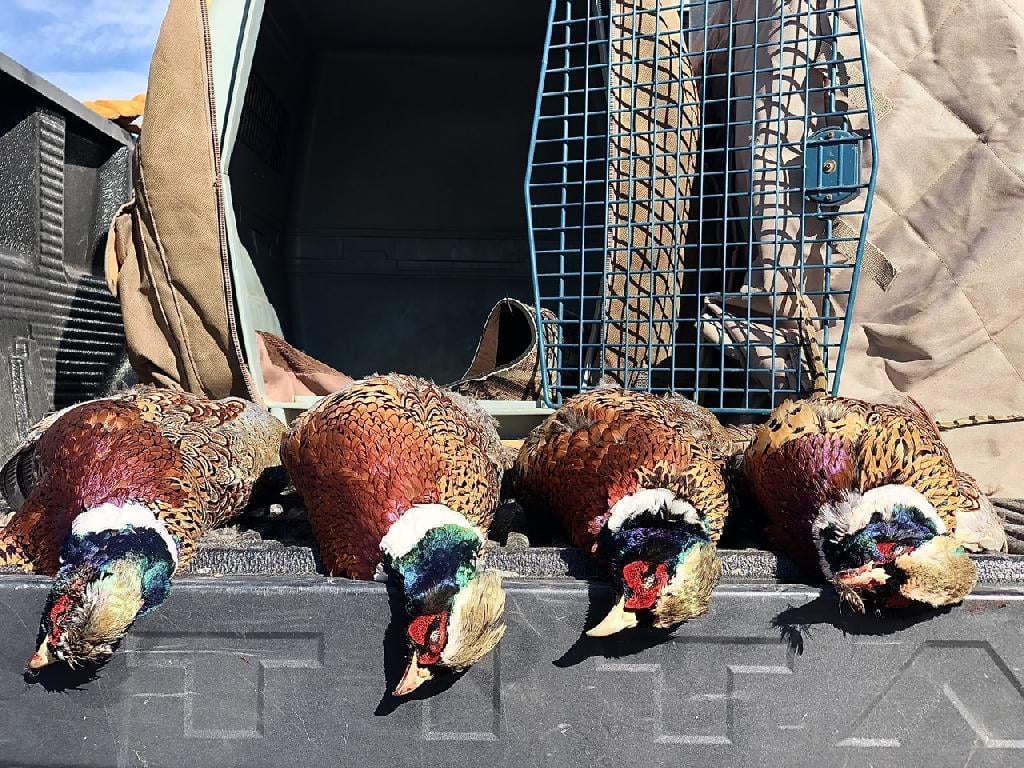
If working large fields, hunters can break into smaller segments. Push birds from the inside out towards the corners. Areas within and close to feed fields that should be hunted include grassy field borders, wetlands, and small patches of idle land with clumps of tall grass, and upland brush and trees. Peak times to hunt corn and other grain fields are in the early morning and again late in the afternoon are when pheasants generally feed.

About the Author : Edgar Castillo
Visit authors website | View more articlesEdgar Castillo is a recently retired law enforcement officer for a large Kansas City metropolitan agency. He also served in the United States Marine Corps.
Born in Guatemala, hunting was a new concept when Edgar came to the U.S. His passion lies in the uplands as he travels across public lands throughout Kansas or wherever the dirt road takes him…to hunt open fields, walk treelines, & bust through plum thickets in search of wild birds in wild places.
This fervid emotion for the uplands has since blossomed into a SIGNIFICANT social media presence. It has allowed Edgar to share his experiences and connect with other bird hunters through writing.
Follow Edgar’s upland escapades on Instagram at @hunt_birdz
Related Aritlces

Six “Military” Style Methods to Outsmart Late Season Roosters
By now late season roosters have been hunted hard, so they’re more wary. Hardened and experienced, these birds flush at greater distances at the mere sound or sight of danger. Add paranoia and the uncanny ability to become elusive and scarce when things get dicey. Veteran roosters know that slow birds of mind and wing are shot. Taking to the air is the last option as mature birds stay grounded and use their feet instead of wings to escape.

Hunting Those Cold, Wet Winter Days in the Fields and Woods for Pheasants
We had parked a half-of-mile down the road. A couple of dozen roosters stood idle in the field. They resembled tiny black checkmarks from a distance against the white backdrop. Every once-in-a-while some would scoot in and out of brush piles and thickets. The snow had covered the land. Tufts of yellow grass were scattered across the field. Most of the grass had been covered by the snow. With no where to hide, the birds found refuge in what little cover they could find. This meant flocks of pheasants sheltering up together out of the elements. A small woodlot seemed to be providing roosters a place to get out of the wind and cold. According to the map the public parcel included an adjacent field of sorghum.
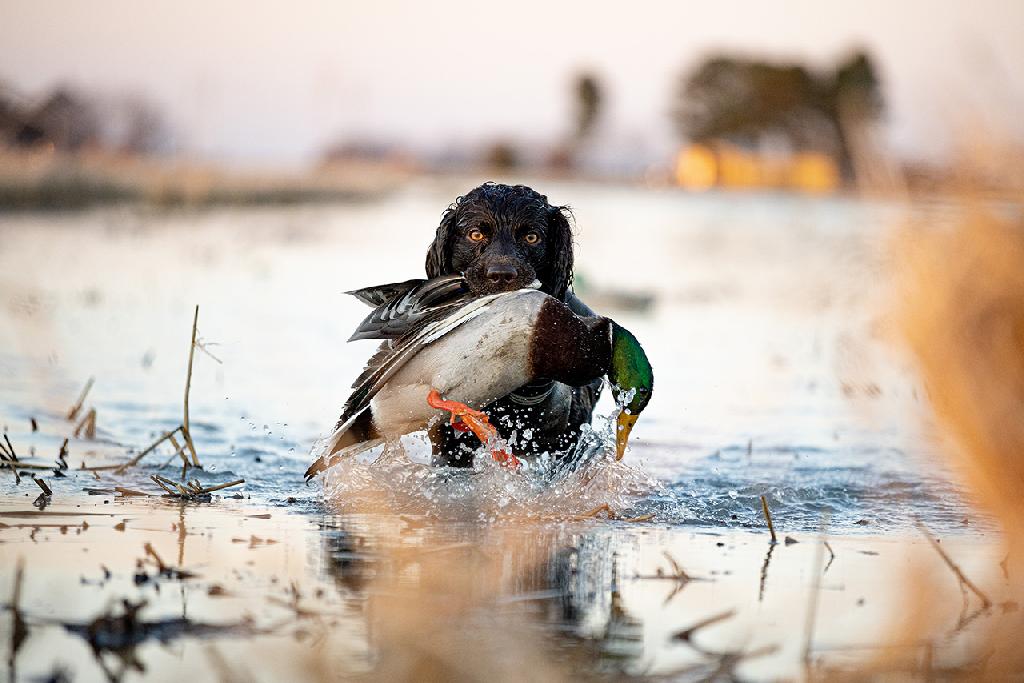
Best hunting dog breeds for wetland hunting
Waterfowl hunting demands a special kind of dog — one that thrives in cold, muddy conditions, works calmly from a blind, and has the grit to plunge into icy water after a downed bird. Not every hunting breed is built for that challenge, but a select few have been bred for generations to master the wetlands. These dogs combine powerful swimming ability, a weatherproof coat, a soft mouth for careful retrieves, and an unshakable desire to work beside their handler through rain, sleet, and wind.