Chase Ducks With A Canoe
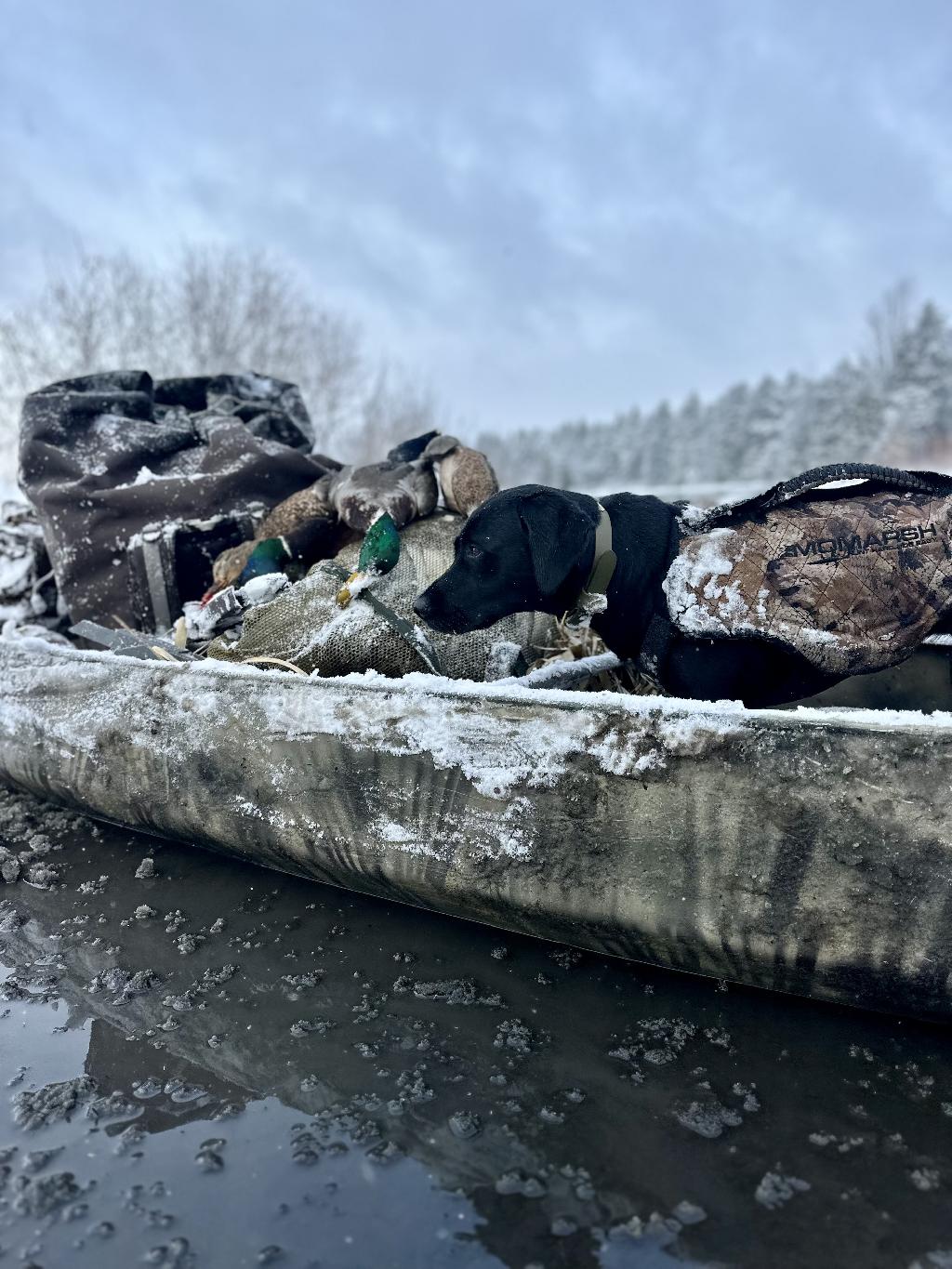
with my father. His addiction to the sport was realized relatively late in his life, so, naturally, he did not possess one of those fancy duck boats with a pop-up blind and one of those get-anywhere mud motors. We hunted (and still do) the old-fashioned way, out of a canoe.
Throughout my hunting career, I have hunted out of several flat-bottom and semi-V watercrafts, well equipped with mud motor, griddle, and padded bench seats. Everything a waterfowler could need — and more. But still, I prefer to set out on the water in my 17-foot aluminum Grumman. The War Eagle may have it beat in the department concerning comfort and available space. But if comfort is what we want, we wouldn’t be duck hunters. Something about the simplicity of canoes appeals to me greatly; not only are they effective, but they are lightweight, durable, and relatively inexpensive, as far as waterfowling gear goes. Many of my most treasured memories were made hunting from a canoe with nothing more than a handful of shells and a dozen decoys.
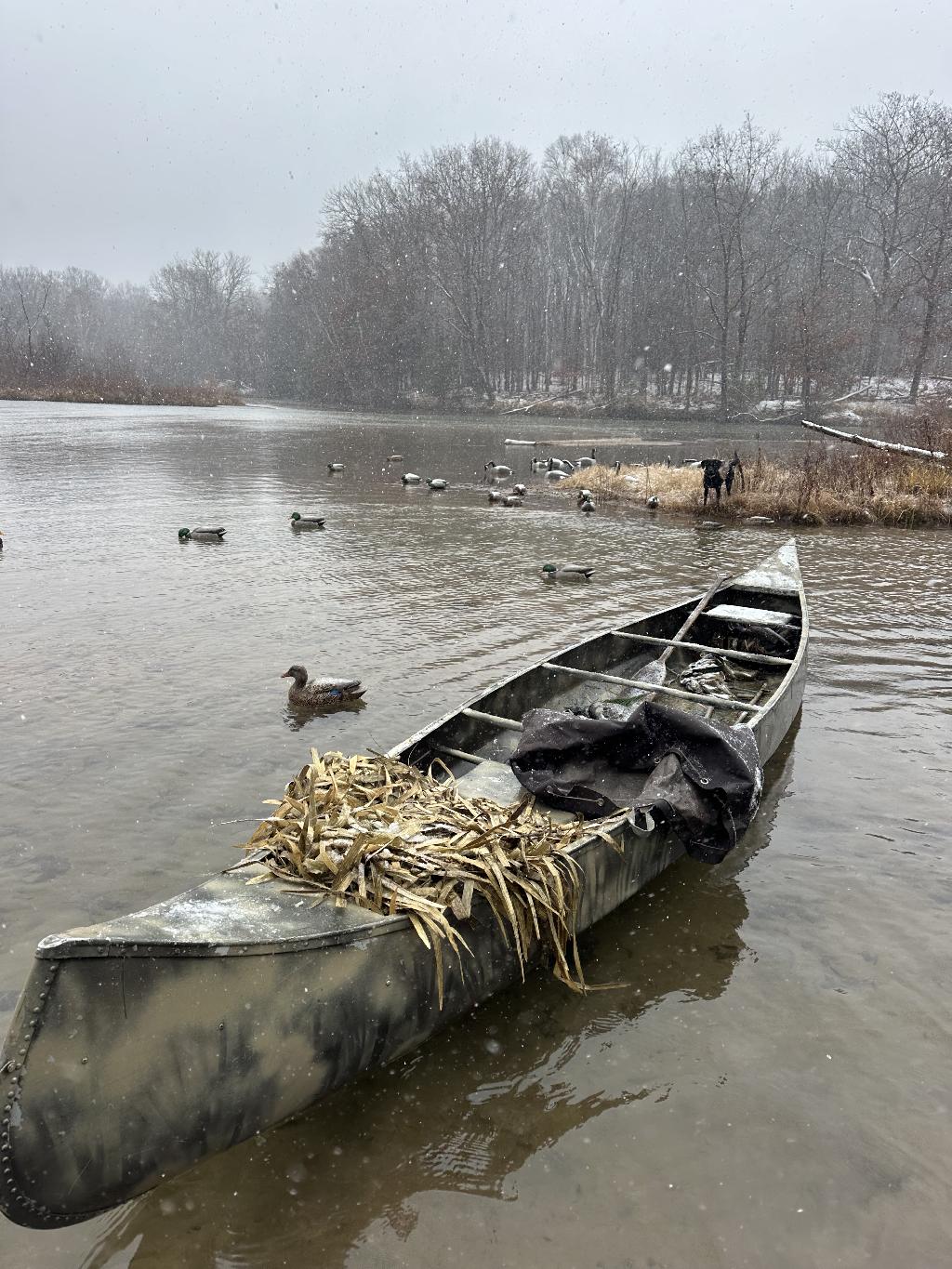
While duck hunting in the heart of Michigan’s vast swamplands, I have learned just how effective a lightweight watercraft can be for a lone hunter. Many of the secluded lakes and marshes that I prefer to hunt do not have easy, drive-in public access. This means that most other waterfowlers overlook these areas as viable places to hunt. Without a boat launch or launch or road leading to the water's edge, their options are rather limited. My small, camouflage canoe offers me a solution to this issue. Because of its rather abysmal weight, it’s a rather simple task for me to either drag or carry my watercraft into these hidden honeyholes. While it may be a lot more work, most of the time, I am rewarded with a limit of unsuspecting greenheads or ringnecks. By carrying a few bundles of fast grass or a little hatchet for chopping a few boughs, I can drag my canoe into a clump of marsh grass, cattails, or other cover and create an easy blind to hunt from. This is a tactic that I typically apply in areas that I have not been able to scout effectively. If birds seem to be drawn to another part of the marsh other than where the decoys are set, it is quick and easy to pack up shop and move elsewhere to find success.
The small size and weight of a canoe are not just beneficial when hunting, either. Canoes are relatively easy to transport as well, requiring only a couple of ratchet straps and a truck bed or set of roof racks for a vehicle to move from place to place effectively. My wife, Labrador, and I typically travel to North Dakota from Michigan with my canoe, which we quickly discovered to be crucial for hunting many of the larger potholes with deep enough prairie to pull off a pair of waders. I prefer to load my craft into the bed of my truck for ease of use when it will be used frequently. Even with it in the bed, there is still room for decoy bags, guns, blind bags, and other gear. Sometimes, when I want to unload quickly to reach a sought-after blind, I will pre-load the gear in the canoe; that way, it is a simple task to drag the boat and gear to the water for a head start over other hunters.
Canoes do have their limitations, however. They are not the best choice for rough water when the waves are tossing. Most of them do not handle swells and rollers very well and are prone to tipping over and tossing their contents into the frigid water. But sometimes, a canoe is your only option, or the wind picks up throughout the day and catches you unaware. Here are some tips that I have found helpful for making it back without getting soaked — or worse.
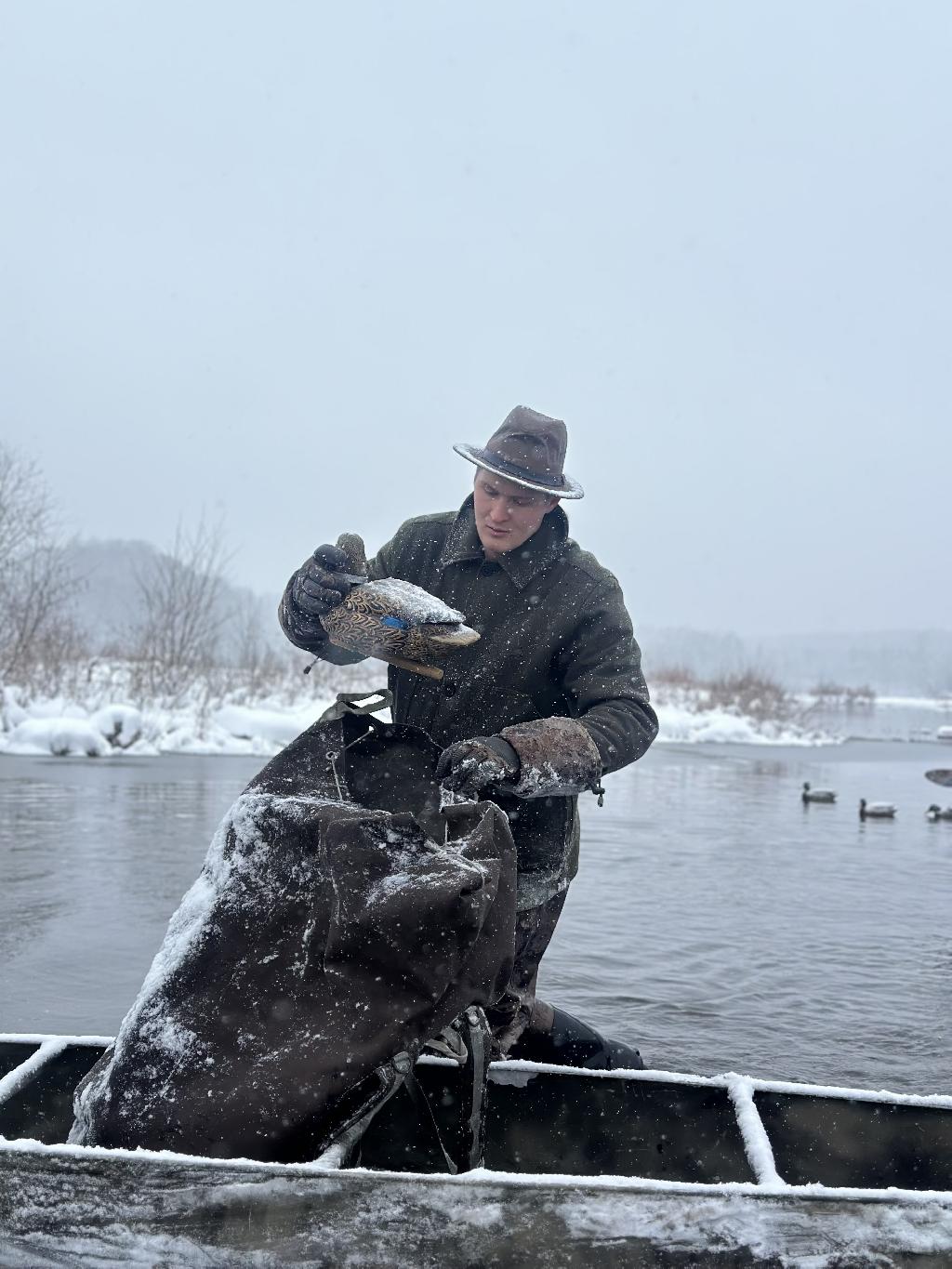
While fighting against high winds and roiling waves, I have found it best to kneel at the bottom of the craft; this keeps most of the weight nearest to the water and makes the canoe much easier to maneuver. It also helps to pack gear into the boat with purpose as well, without too much of it sticking out over the gunwales to maximize stability. While on the water, it is important to always have a life jacket on board as well. In most areas, it is required by law and may save your life if problems arise. Another issue to keep in mind while paddling through rollers is to avoid traveling parallel with them, as this is how most small watercraft tip or become swamped. Instead, I have found it best to paddle into, or with, the waves as much as possible. Sometimes this means not taking the direct path to my hunting spot because of the waves.
A reliable canoe can be the most effective waterfowling tool for a hunter who knows when, where, and how to apply it. It will allow you to hunt efficiently and effectively without breaking the bank, and grant access to numerous lakes and marshes that most waterfowlers might overlook. Try it out, you may even like it more than your duck boat!

About the Author : Cole Sousa
Visit authors website | View more articlesCole Sousa is a young freelance writer from Northern Michigan, where he lives with his wife and Black Labrador, Libby.
He spends much of his time hunting waterfowl and fishing for trout in the vastness of Michigan's Upper Peninsula, and occasionally, he writes about his experiences in the field.
Related Aritlces
In Praise of Butterballs
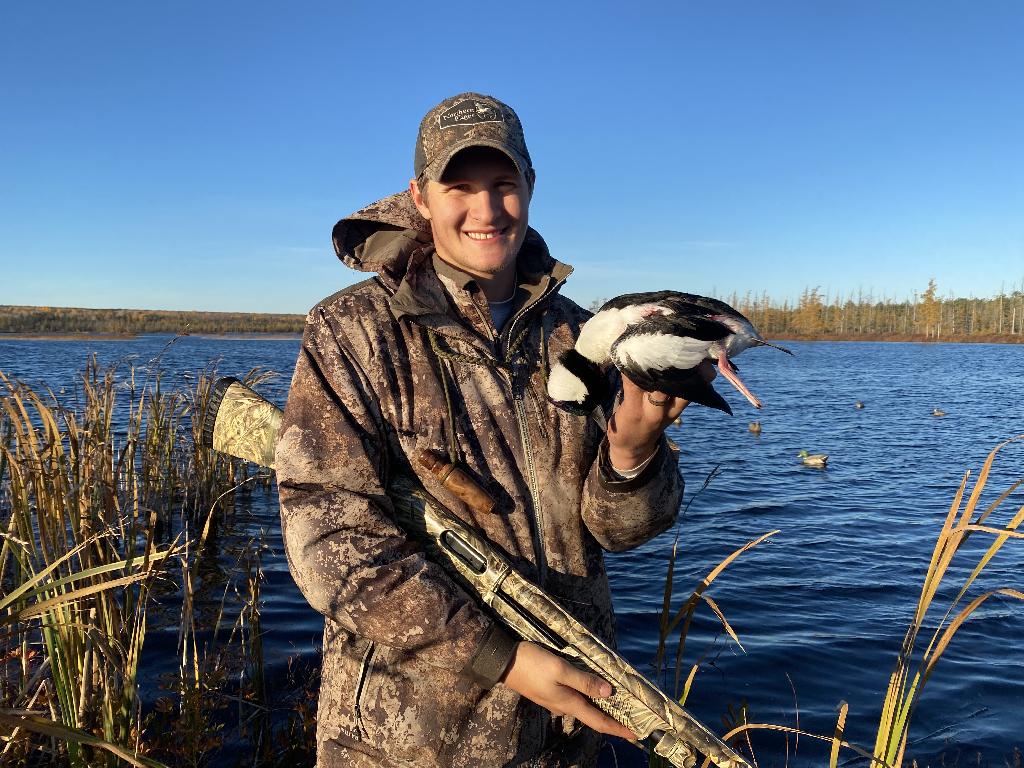
It was a dazzling mid-October day. A set of blocks sat motionless on the lake's glasslike surface, the sun glistening sharply off their ridiculously bright forms. The day had been slow at best; a handful of mallards had given us a few looks early in the morning, but we had nothing to show for our efforts besides a few mosquito bites and the beginning of a sunburn.
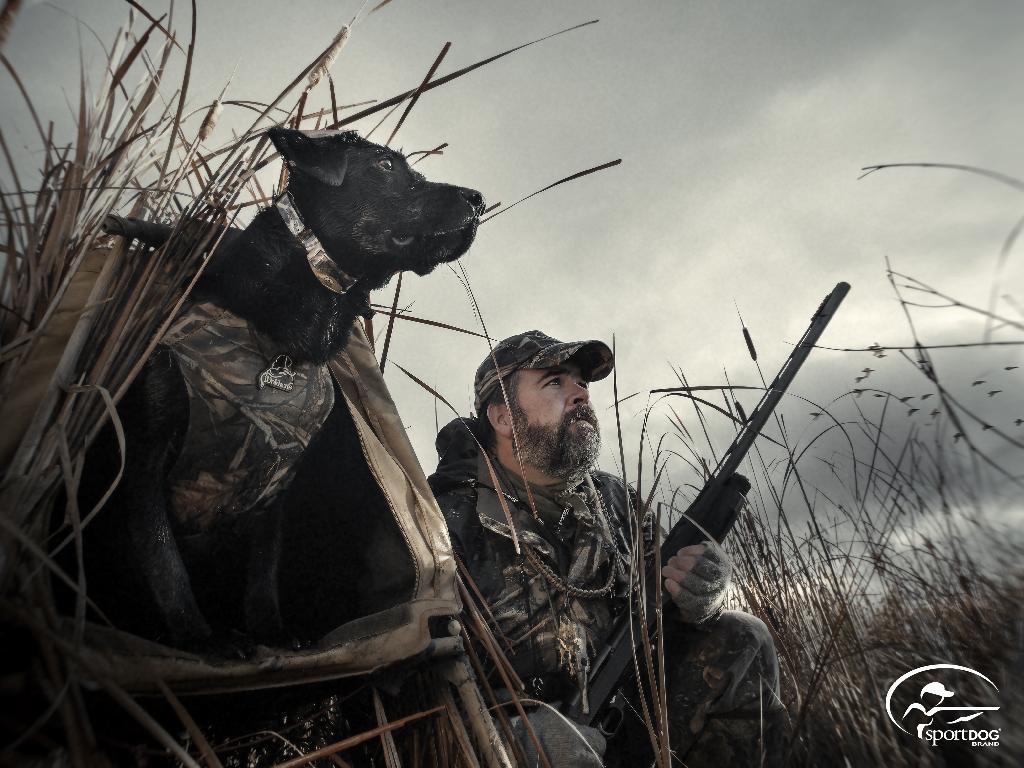
SportDOG: Gear the way youd design it
My dentist, Doc Biehn, was a waterfowler and I always got to check it out when I got my teeth cleaned as a kid. I remember one visit when he handed me a new, Marlin Super Goose he extracted from his closet. I'd never seen anything like the 10 gauge, bolt action shotgun that took a 3.5 inch shell and came with a two-shell clip and full-choked 34-inch barrel. That beast weighed a whopping 10.5 pounds, making it a virtual shoulder-cannon for waterfowlers. I could barely lift the heavy artillery let alone work the bolt without significant muzzle rock. My amazement turned to confusion, and in the end I couldn't see how that firearm would replace my side-by-side or pump in the blind. The Super Goose must have been designed by someone who didn't hunt geese.

Three Shots to Master Ahead of Hunting Season
We slogged through an hour-long alder hell and didn't move a bird. The boys and I were shocked, for we called the covert Old Reliable. We were at the end, and I broke open my side-by-side and leashed Cider for the walk back to the truck. Wouldn't you know it, there was a brood of grouse feeding on insects at the edge of the field? Cider pointed, and the grouse flushed like a covey of quail. Two went to the left, two went straight away, and two went to the right. Bob missed one of the crossing shots, and Tim missed the straight-aways. Me? I gave 'em grief, 'cause that's what friends are for.