Labrador Retriever
The King of Waterfowl Dogs
Find Labrador Retrievers for sale
For bird hunters, a great retriever is more than a dog with a soft mouth and a strong swimming stroke. He is a partner that can mark a cripple in gray light, break ice to get to a goose, handle through cattails, and ride home in the truck like he could do it all again tomorrow. The Labrador does those jobs with a level of consistency that has made him the standard by which most other duck dogs are measured.
Built for the Blind and the Marsh
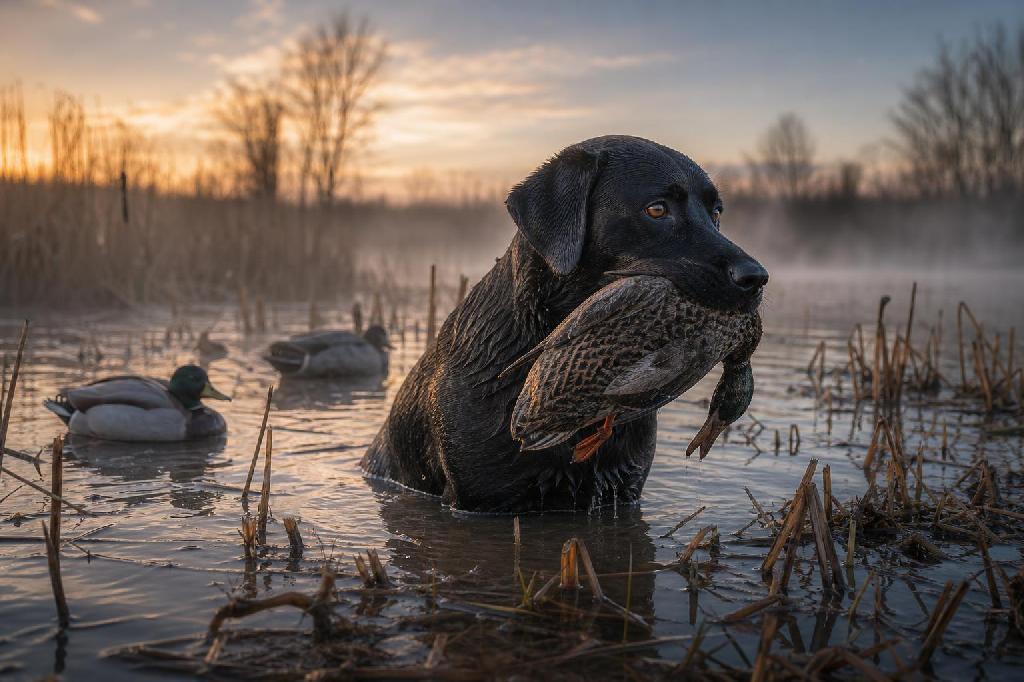
The Labrador Retriever was made for waterfowl work in a way that becomes obvious the first time you hunt over a good one. He carries a dense, weather-resistant coat that sheds cold water, an otter tail that works like a rudder, and a body built for power rather than flash. In rough water, that matters. In late season, when the wind is driving and the shoreline is crusted with ice, it matters even more.
I have watched Labs hit open water that made grown men hesitate at the edge. They did not do it because they were reckless. They did it because they were bred for it. A sound Labrador combines courage, strength, and the kind of practical endurance that waterfowl hunters depend on. He can make repeated retrieves through current, mud, flooded timber, or marsh grass and still sit steady for the next flock.
That physical package is only half the story. Plenty of dogs can swim. Fewer can do it while keeping their head in the game through a long hunt, then switch gears and respond cleanly to a whistle or hand signal when a bird sails into trouble. The Labrador’s body gets him there, but his mind is what makes him special.
Why Labs Dominate Waterfowl Hunting
Trainability That Fits Real Hunting
Ask serious duck hunters why they keep coming back to Labradors, and trainability will be near the top of the list. Labs want to work with you. That may sound simple, but in the field it is everything. A waterfowl dog has to handle pressure, repetition, correction, excitement, and long stretches of waiting without falling apart. The Labrador’s willingness to learn and cooperate gives handlers a dog that can develop into a polished retriever without losing drive.
A good Lab can be taught to mark multiple birds, honor another dog, take casts on blinds, stay composed in a crowded pit, and deliver to hand. More important, he can do all of that in conditions that are far less tidy than training days. Wind changes. Birds glide farther than expected. A cripple dives in thick cover. Hunters get excited and make poor shots. The Labrador’s adaptability is one reason he remains the top choice for waterfowl hunters from small farm ponds to big river systems.
Steadiness and Desire in the Same DogT
he best waterfowl dogs live in a balancing act. They must be patient enough to sit still through hours of calling and waiting, yet explosive enough to attack the retrieve the instant they are sent. Labradors are unusually good at carrying both traits. A well-bred, well-trained Lab can sit like a statue while geese finish over the decoys, then launch like a shot when the command comes.
That combination is not just convenient. It makes hunting cleaner and safer. A steady dog does not flare birds, tangle with guns, or create chaos in a tight blind. A driven dog does not quit when the retrieve gets ugly. The Labrador Retriever has a long history of offering both qualities in one package, and that is a big reason his reputation has held so firmly for so long.
A Nose, a Memory, and a Willing Heart
Waterfowl hunting asks a lot of a retriever’s senses and judgment. Morning light can be flat and deceptive. Marshes are full of scent traps. Dead birds drift. Wounded birds run. A Labrador that can mark well and trust his nose will recover game that would otherwise be lost. That is where the breed continues to earn respect from seasoned hunters.
I remember one black Lab on a public marsh hunt after a cold front had pushed fresh ducks into the area. A drake folded clean but sailed with the wind and disappeared behind a wall of reeds. From the blind, it looked like a simple mark gone bad. The dog took the line, vanished into the cover, worked silently for what felt like too long, and reappeared with that greenhead in his mouth and marsh water streaming from his chest. No drama. No victory lap. Just a bird delivered to hand like that was the most ordinary thing in the world. That kind of recovery is where Labradors separate themselves.
They are not magicians, and no breed is perfect. But a Labrador with solid genetics, consistent training, and enough real birds under him often develops into the kind of retriever that saves game and saves hunts. That matters to ethical hunters who care as much about recovery as they do about the shot.
The Labrador Temperament Hunters Trust
Another reason the Labrador Retriever stays at the top of the waterfowl world is temperament. Most hunters do not need a dog only for the two hours after sunrise. They need a dog they can live with, travel with, train in the offseason, and trust around family and other hunters. The Lab has long excelled in that role.
In camp, a good Labrador is typically easy to read and easy to be around. In the truck, he settles. Around kids, he tends to be tolerant. In the yard, he usually wants to be involved in whatever is happening. That does not mean every Lab is calm or effortless. Young Labs can be hurricanes with tails. But the breed’s general stability and sociability make it an especially practical choice for hunters who want a serious working dog without taking on a difficult personality.
That versatility helps explain why so many first-time retriever owners start with a Labrador and why so many veteran hunters stay with them for life. The dog that breaks ice in January can also lie at your boots by the fireplace that night. There is a lot to be said for that kind of balance.
Field-Bred Labs vs. Everything Else
Choosing the Right Labrador for Waterfowl Work
Not every Labrador Retriever is bred with the same purpose in mind, and hunters should pay attention to that. A field-bred Lab is generally leaner, more athletic, and more driven than a dog bred primarily for the show ring. For a serious waterfowl hunter, those differences can matter. Field lines often bring stronger marking instinct, more stamina, and a sharper appetite for training and retrieving.
That does not mean a family-bred or mixed-purpose Lab cannot become a fine duck dog. Many have. But if your goal is a dog that will spend years in the marsh, run blinds, handle pressure, and perform through long seasons, it pays to look for proven hunting stock. Parents with titles, health clearances, and real bird-finding experience give you better odds of getting what you want.
The Labrador’s popularity has led to wide variation in quality, so hunters should be careful buyers. Temperament, hips, elbows, eyes, and trainability are not small details. They are the foundation of the dog you will count on when the weather turns bad and the birds fall in hard places.
Training Makes the King
Even the best-bred Labrador Retriever is not born finished. He becomes a great waterfowl dog through patient training, repetition, and exposure to real hunting situations. One of the Lab’s strengths is that he tends to reward that effort. Give him structure early, keep standards fair and consistent, and most will meet you more than halfway.
Obedience comes first, then marking, delivery, steadiness, and handling. Along the way, the best trainers build confidence without letting sloppiness creep in. A Labrador’s enthusiasm can fool people into thinking desire alone is enough. It is not. The dogs that shine year after year are the ones whose drive has been shaped into discipline.
Still, the work is worth it. There are few sights in bird hunting better than a seasoned Lab lining a blind across open water, taking two sharp casts through a cut in the reeds, and coming back with a bird nobody thought would be recovered. That kind of performance is not luck. It is breeding meeting training in a dog built for the job.
Why the Labrador Retriever Still Reigns
New breeds rise in popularity. Trends come and go. Hunters debate style, speed, and pedigree the way they debate shot size and choke tubes. Through all of that, the Labrador Retriever remains firmly planted at the top of the waterfowl world. He is there because he checks every box that matters to bird hunters. He can mark, swim, handle, endure cold, recover cripples, and live comfortably as part of a hunting family.
More than that, he carries himself in a way that fits the spirit of the marsh. There is honesty in a Labrador’s work. He does not need to look fancy doing it. He just goes. Again and again, in weather that tests everybody else, he goes when sent and comes back with the bird. For duck hunters and goose hunters, that reliability is worth more than style points ever will be.
That is why the Labrador Retriever is still the king of waterfowl dogs. Not because someone gave him the title, but because generations of hunters watched him earn it in flooded timber, prairie potholes, icy sloughs, and coastal marshes all across the continent. If your season depends on a dog that can do the hard parts well, there is a reason so many old blinds have had a Lab in them.
Related Aritlces
Best hunting dog breeds for wetland hunting
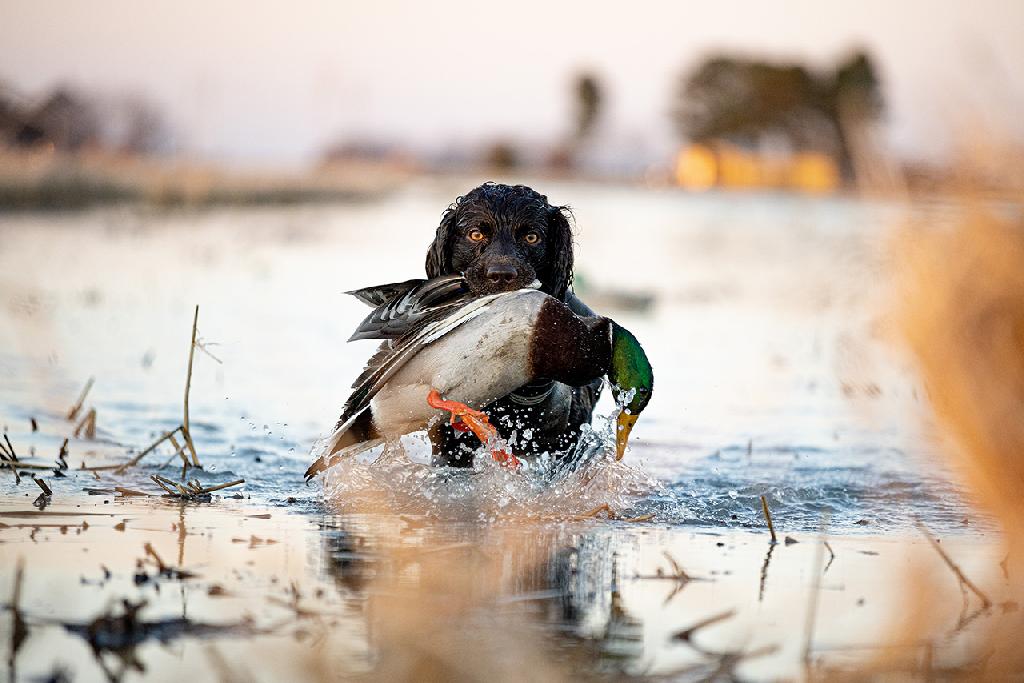
Waterfowl hunting demands a special kind of dog — one that thrives in cold, muddy conditions, works calmly from a blind, and has the grit to plunge into icy water after a downed bird. Not every hunting breed is built for that challenge, but a select few have been bred for generations to master the wetlands. These dogs combine powerful swimming ability, a weatherproof coat, a soft mouth for careful retrieves, and an unshakable desire to work beside their handler through rain, sleet, and wind.
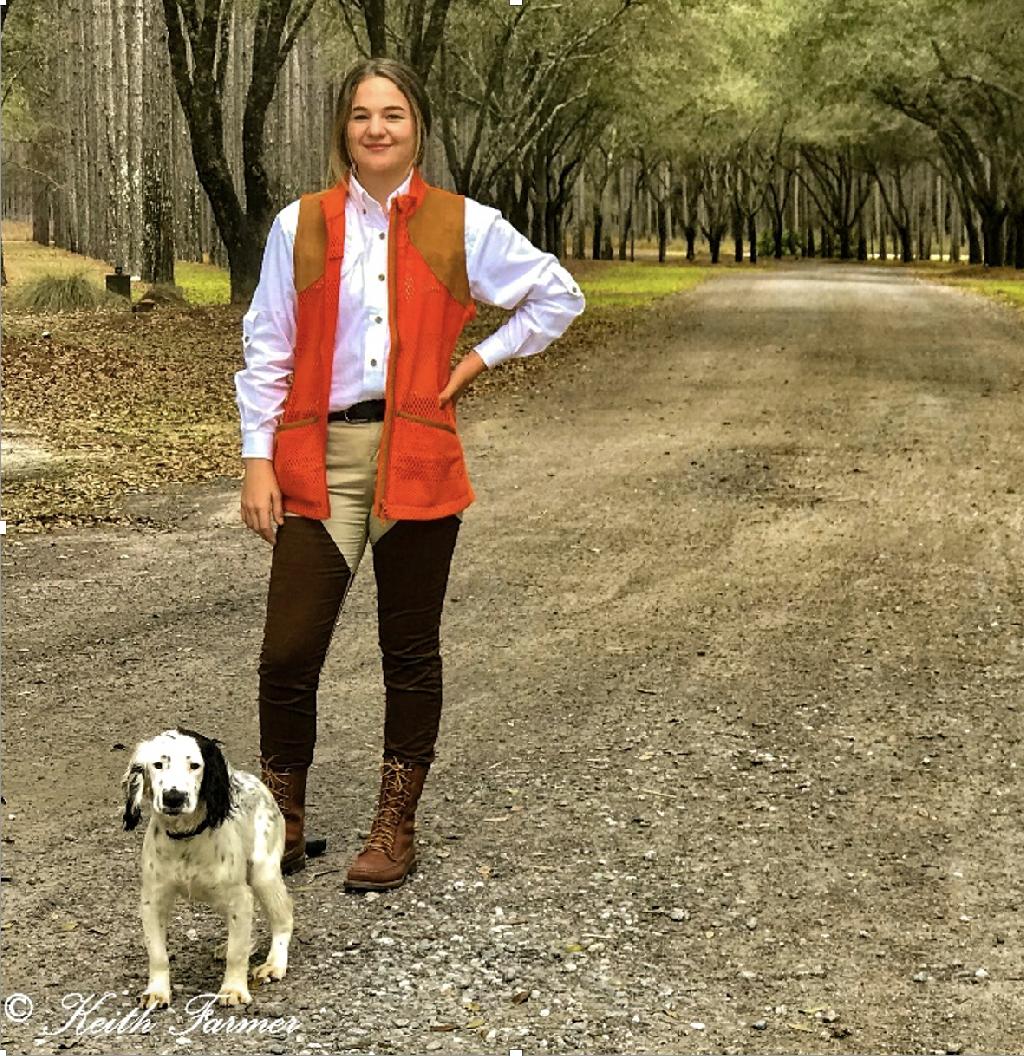
Girls, Guns, and Gun Dogs!
Growing up in the south one gains an appreciation for late fall/early springtime bobwhite quail hunting behind a brace of pointers about as much as anything can be appreciated. The landscape here is dotted with private plantations, public shooting preserves, and small family farms that hold the elusive Gentleman-Bob...opportunities abound. In fact, I cut my gun dog teeth, as it were, training pointing breeds and stumbling around bottom lands I could access hunting quail. It would be some years before I switched my focus over to retrieving breeds entering the world of professional training and trial competition.
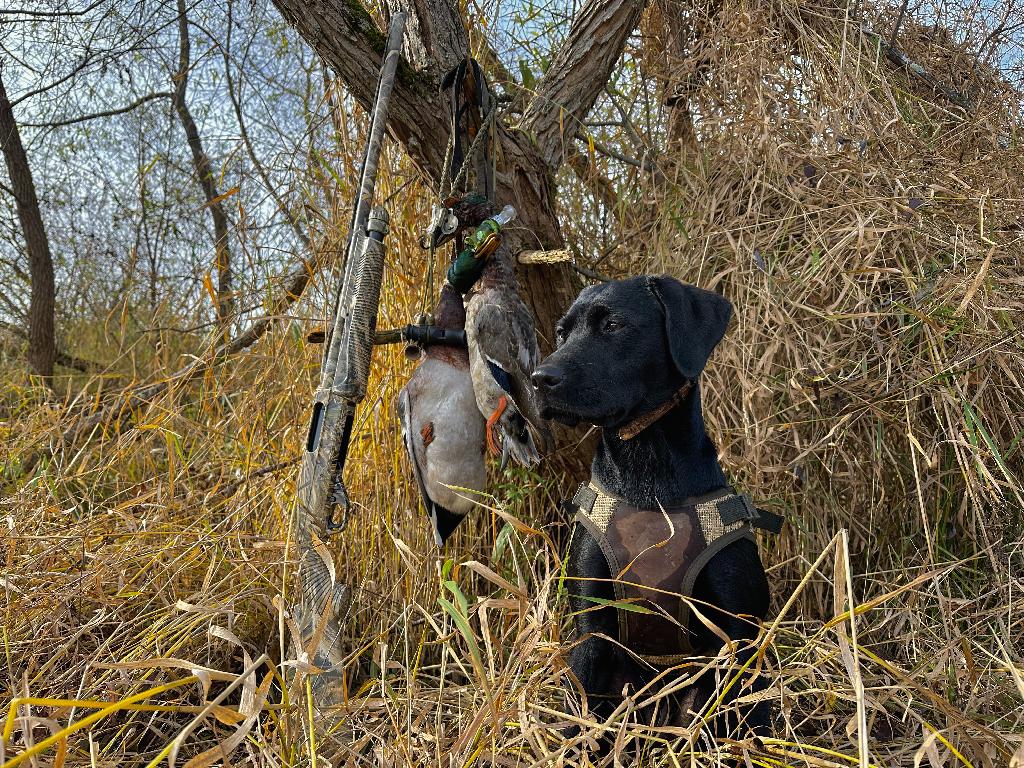
Retriever Safety
With a heave, I pulled my foot free of the thick muck, I wondered if another half mile of this was worth the trouble. The edge of this particular beaver pond seemed solid enough, but I had slogged far enough to find out that wasn’t the case. The previous day, a group of mallards were feeding on the far end of the hellish mire, and the decision was made to return with a couple dozen decoys. Behind me, my black lab was having a harder time than I was, the mud was clutching at her belly and legs, and the sharp ends of gnawed-off sticks protruded through the loamy sludge. Up ahead the mallards quacked and whistled tauntingly. Despite the temptation, I decided to turn back. To me, no duck is worth potentially injuring my dog.