Pointer vs Flusher vs Retriever
Whats the Difference?
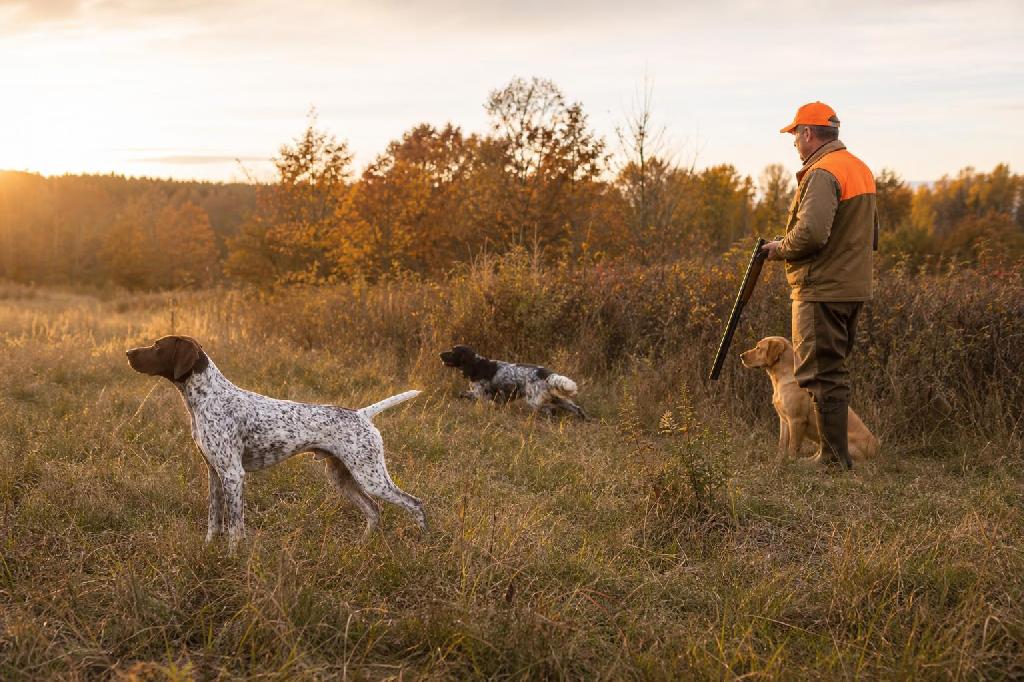
I’ve hunted behind all three types over the years, from big-running pointing dogs on open quail ground to hard-charging flushers in thick pheasant cover and steady retrievers making clean waterfowl pickups on cold mornings. They all have their place. None is better in every situation. The best dog for one hunter can be the wrong dog for another, and that usually comes down to how the dog finds birds, how the birds behave, and what kind of hunting you love most.
What a Pointer Does in the Field
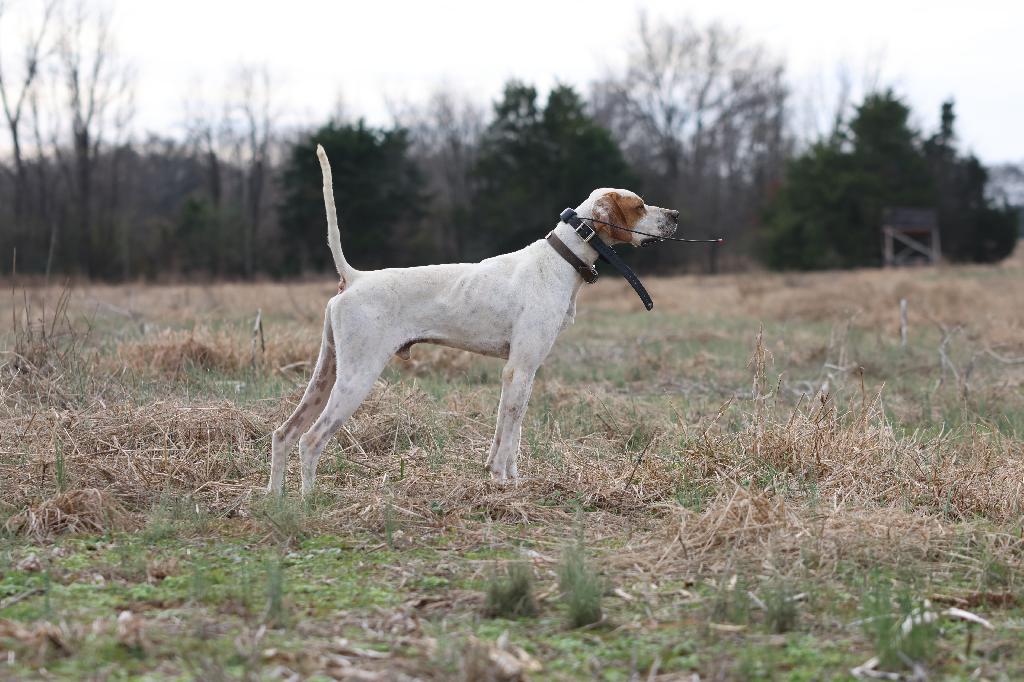
A pointer’s job is to find game birds and indicate their location by freezing on point. That moment is the signature image of upland hunting for a reason. The dog catches scent, locks up, and tells the hunter birds are ahead. Ideally, the dog stays steady while the hunter walks in to flush the birds for the shot.
In practical terms, pointers are built to cover ground and locate birds before those birds are pressured into running or flushing wild. On open country for quail, prairie grouse, Hungarian partridge, or chukar, a good pointing dog can be a revelation. Instead of crashing through cover and bumping birds out of range, the dog uses wind, nose, and range to pin down birds from a distance. That gives the hunter time to get into position.
There’s a reason pointing breeds are so popular with hunters who cover big country. English Pointers, German Shorthaired Pointers, Brittanys, setters, and several other pointing breeds are all designed around that basic task: find birds, establish point, hold them for the gun. Some are wider ranging than others. Some are a little more versatile in water or heavier cover. But the core function remains the same.
How Pointers Change the Hunt
Hunting behind a pointer often feels like a chess match played at walking speed and then all at once. You watch the dog cast into the wind, read body language, and then suddenly everything tightens. The tail stiffens. The head turns. The dog stops like it hit a wire. In that moment, the field changes. You’re not just wandering cover anymore. You’re closing in on birds that have been located but not yet moved.
That style suits hunters who enjoy the dog work as much as the shot. In fact, for many upland hunters, the point is half the reward. It’s hard to beat that picture of a dog standing birds in autumn grass with the whole world gone still for a second.
What a Flusher Does in the Field
A flusher works much differently. Instead of stopping and pointing birds, a flusher hunts close to the gun and pushes birds into the air. The dog quarters in front of the hunter, works scent in tighter cover, and deliberately forces birds to flush within shotgun range.
This style shines in places where birds hold tight in dense cover or where the hunter needs a dog that stays close and methodical. Pheasant hunters know this well. In cattails, hedgerows, creek bottoms, briar patches, and tangled grass, a flushing dog can be exactly the right tool. English Springer Spaniels, Cocker Spaniels, and Labrador Retrievers used as flushers are all familiar examples.
Where a pointer creates distance between dog and bird, a flusher closes it. The dog gets in there, puts pressure on hidden game, and makes the bird commit. That means the shooting often happens fast. A rooster pheasant exploding out of thick cover over a flusher can test even experienced hunters, and that’s part of the appeal.
Why Flushers Fit Tight Cover
There are covers where a pointing dog can still excel, no question, but in really tight stuff a flusher often makes life simpler. The dog stays in gun range, the birds get up where the hunter has a chance, and there’s less need to manage a dog working far ahead. For hunters who like a more compact pattern and a lot of action close by, flushers are hard to beat.
I’ve seen good flushers pick apart small pieces of cover that looked too rough to hold much of anything, only to produce birds from places a man would have walked past. They hunt with purpose and pressure, and when they’re trained right, they do it without blowing the whole county out before you get there.
What a Retriever Does in the Field
A retriever’s primary job is to mark downed game and bring it back to hand. Most people first think of ducks and geese, and for good reason. Labrador Retrievers, Golden Retrievers, Chesapeake Bay Retrievers, and the other retrieving breeds are legendary in waterfowl hunting. They sit steady in blinds, watch birds fall, take lines on command, and recover game in water, mud, ice, and marsh cover that most dogs would struggle in.
That said, retrievers aren’t limited to waterfowl. Plenty of hunters use retrievers on upland birds too, especially for pheasants. A Lab that can flush a bird, sit to the shot, and track a cripple through heavy grass is a valuable partner. But what separates the retriever category from pointers and flushers is the emphasis on recovery. These dogs are specialists in finding dead or wounded birds and delivering them cleanly.
There’s a special kind of confidence that comes from hunting with a seasoned retriever. A mallard folds into a far pocket of cattails, the wind is wrong, light is fading, and you know that dog is going to put its nose on the bird and come back with it. That saves game, plain and simple, and every serious hunter should respect that.
Retrievers and Trainability
Retrievers are often prized for their biddability and steadiness, especially in structured hunting situations like duck blinds or dove fields. They’re expected to remain under control through gunfire, falling birds, decoys, calling, and long stretches of waiting. Then, when sent, they have to switch on instantly and do precise work. That mix of patience and drive is what makes a good retriever so impressive.
The Biggest Difference Is the Job
If you strip away breed names, styles, and preferences, the simplest answer is this: a pointer locates and indicates birds, a flusher puts birds in the air, and a retriever recovers downed game. That’s the cleanest way to understand the difference.
Of course, the real world is messier. Some dogs cross lines. Many versatile breeds point and retrieve. Some Labs flush upland birds beautifully. Some spaniels retrieve very well. But those categories still matter because they shape how the dog hunts, how you move as a hunter, and what kind of shooting opportunities you get.
How to Choose the Right Type of Gun Dog
Choosing between a pointer, flusher, and retriever starts with an honest look at the birds you hunt most. If your season revolves around quail, grouse, prairie birds, or chukar in country where scenting conditions and room to run matter, a pointing dog makes a lot of sense. If you spend your time busting through thick pheasant cover or want a close-working dog that keeps birds moving inside range, a flusher may fit better. If waterfowl is your life and recovering birds cleanly is the priority, a retriever is the obvious answer.
You also need to think about temperament, training, and lifestyle. Some hunters love a bigger-running dog and the style that comes with it. Others want a close companion that works within easy sight. Some want one dog for ducks in December and pheasants in November. That’s where versatile breeds enter the conversation, but even then, it helps to know which core style suits you best.
The country you hunt matters just as much as the bird. A pointer in open CRP or western prairie can be poetry. The same dog in tiny, brush-choked strips might never get to show its best qualities. A flusher in willow sloughs and cattails can feel made for the task. A retriever in flooded timber or marsh grass is right at home in a way few other dogs are.
No Gun Dog Type Is Best for Everyone
Hunters sometimes talk themselves into circles trying to decide which category is best, but that misses the point. These dogs were developed for different work. A pointer isn’t failing because it doesn’t hunt like a flusher. A retriever isn’t lacking because it doesn’t lock up on quail. Good dogs do the job they were bred and trained to do.
The smartest thing a hunter can do is match the dog to the hunt. Think about your ground, your birds, your pace, and what kind of dog work excites you. If your heart jumps at the sight of a rigid point on a covey of quail, that tells you something. If you live for hard flushes in pheasant cover, that tells you something too. If nothing beats a black dog making a long retrieve on a crippled mallard, you already know where you lean.
Final Thoughts on Pointer vs Flusher vs Retriever
At the end of the day, pointers, flushers, and retrievers are all bird dogs, but they go about the work in very different ways. Pointers find and hold birds. Flushers push birds into the air. Retrievers recover what’s been shot. Those differences shape the entire hunt, from how you walk a field to when the action happens and what kind of partnership you build with your dog.
If you’re choosing your first gun dog or thinking about your next one, start with function before romance. The right dog is the one that fits your hunting, not just the one that looks good in a pedigree photo. When the dog’s natural style matches your birds and your country, everything gets easier, and the days afield become a whole lot more enjoyable.
Related Aritlces

Field Trials Matter
Most scouts yawn when linemen run 40's, but not at the 2020 combine. Mekhi Becton, a 6-foot-7-inch, 364 pound offensive lineman out of Louisville ran a blistering 5.1. Heads didn't turn so much as they spun off of heads, for what current lineman of Beckton's size runs what used to be speed of yesteryear's fullback? My, my have times changed.

Tall Timbers: Burning Down the House
I’ve heard of folks figuring out the price tag on costs to raise wild quail, but I don’t know of anyone who has kept track of the amount of time that goes into the breeding, training and developing of a championship gun dog. Both are significant. Take that dog number, multiply it by 55, and you’ll have one heck of a lot of hours all represented in the dogs that qualified to run across 28 braces in the February 2025 National Championship for Bird Dogs held at Ames Plantation. The first brace of this 126-year old Super Bowl caliber event commenced on February 10th . The final brace ran over two weeks later on February 27, and during that time weather conditions ranged from a soggy, below-freezing 22 degrees Fahrenheit day to a 75-degree Fahrenheit sweat lodge. If you don’t like the weather in Grand Junction then wait five minutes.
English Pointer or Pointer?
If you spend much time around bird dog folks, you'll eventually hear the breed referred to by two different names. Some people call them Pointers, while others insist on English Pointers. For newcomers to the sporting dog world, that can be confusing. Are they the same breed? Is one term more correct than the other?