Poisonous Plants For Dogs

If your dog ever exhibits symptoms like excessive drooling (hypersalivation), a change in heart rhythm, diarrhea, vomiting, or seizures, they may have ingested a poisonous plant and should be taken to an emergency veterinarian as soon as possible.
Poisonous Plants For Dogs
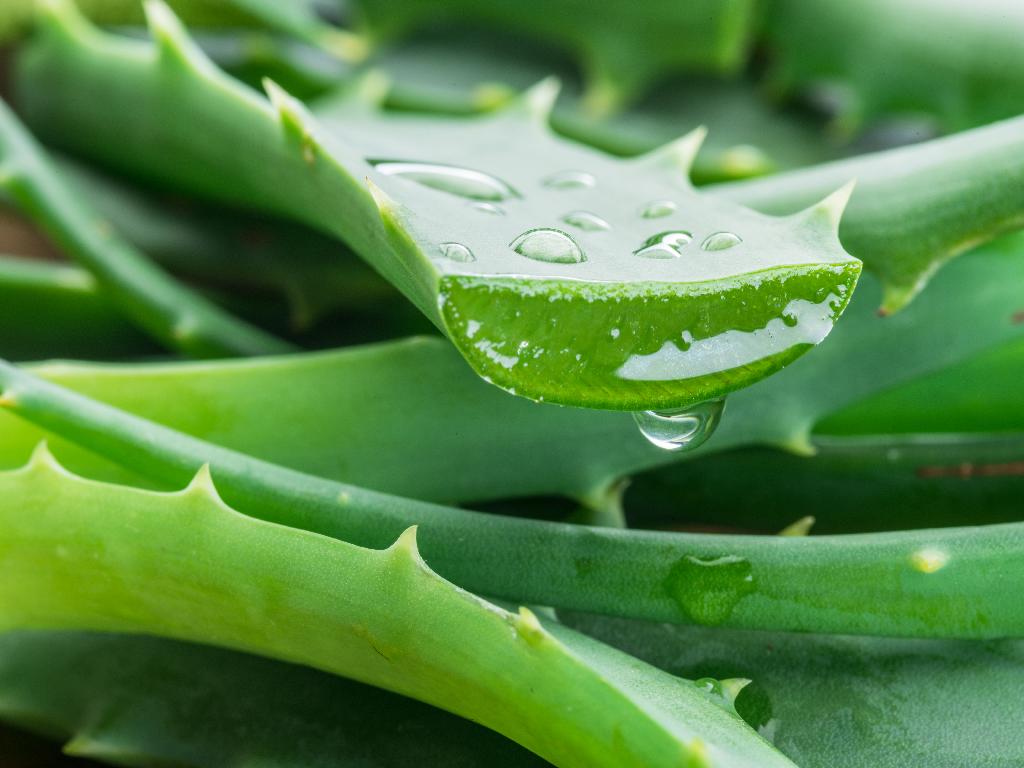
Aloe can be found in the wild in arid, semi-tropical, and tropical climates, and in many home gardens. While it's a medicinal plant for humans, it's poisonous for pet dogs. Symptoms after ingestion may include vomiting, lethargy, tremors, and diarrhea.
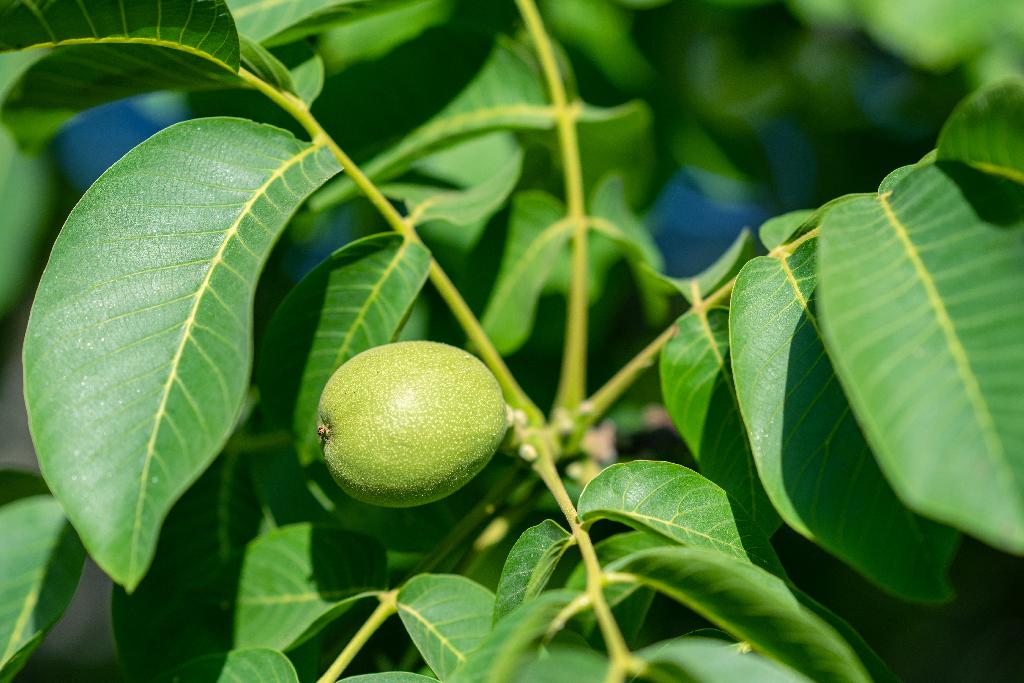
Black Walnut often appears like a green tennis ball when it's freshly fallen from the tree. If ingested, symptoms can be severe and include vomiting, tremors, excessive salivation, foaming at the mouth, excessive panting, a fever, and seizures. This can result in death and should be treated immediately.
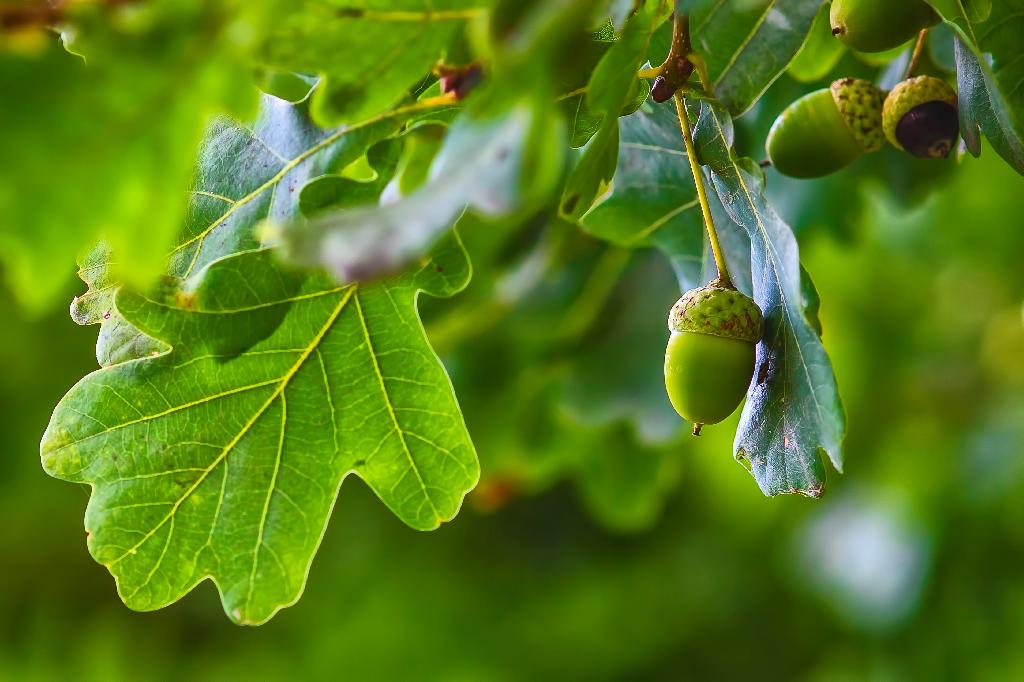
Oak Acorns are one that is commonly underestimated. This can lead to diarrhea or constipation. It can also lead to jaundice.
Hickory Nuts are poisonous to dogs. Symptoms to watch for include an upset stomach, seizures, and other neurological symptoms. These are more dangerous when they've grown mold.
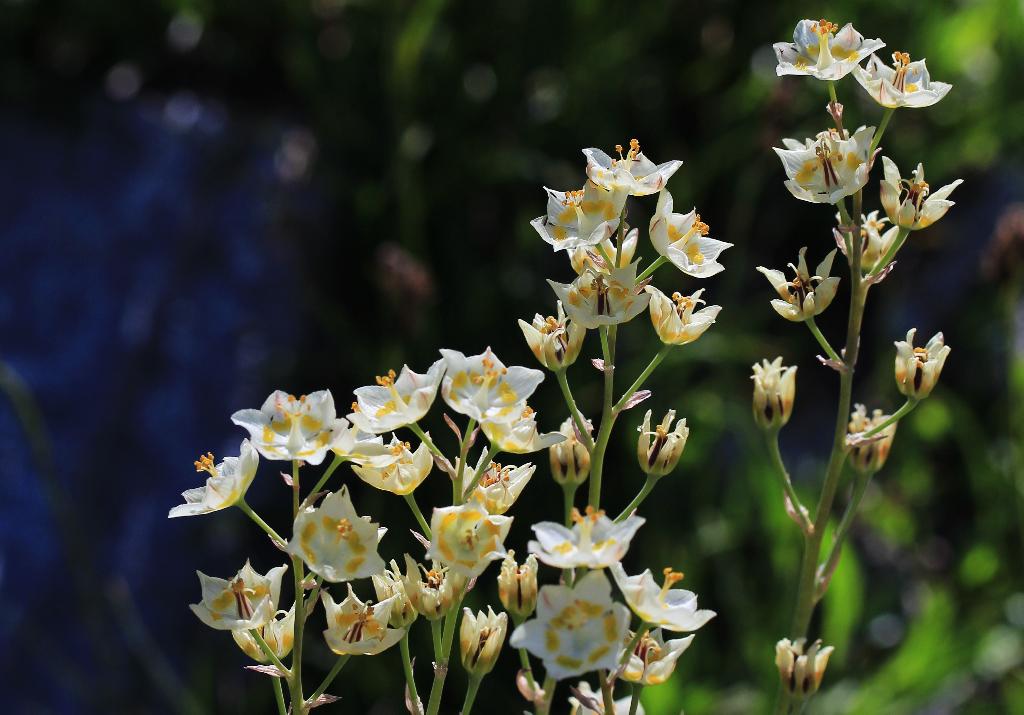
Death Camas grow in fields and don't look like much of anything, but as the name suggests, it is very poisonous to many animals. It looks similar to a wild onion. It has a single stem with white flowers. When any part of Death Camas is ingested, a dog may have symptoms that include weakness, paralysis, convulsions, and coma.
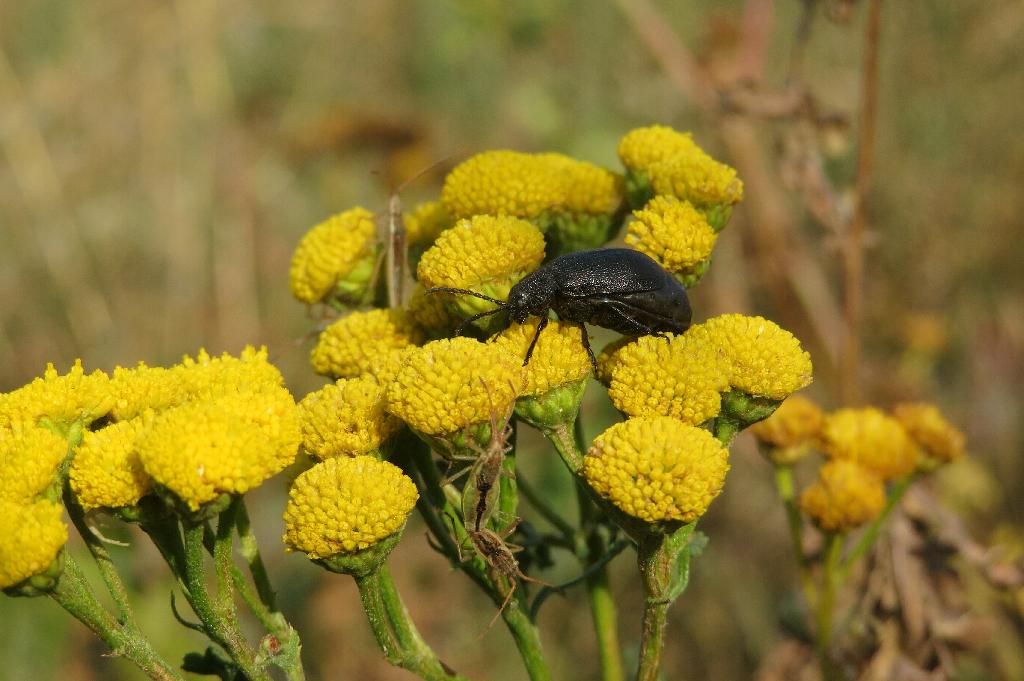
Tansy is a three-foot-tall plant that many just consider an annoying weed. It's often found in the Pacific Northwest. It grows to three feet tall. When a dog eats this poisonous plant, its symptoms may include disorientation, stomach upset, and convulsions. Ingesting tansy can cause organ damage in dogs.

Sago Palm is becoming more popular for home landscaping. These plants are dangerous for pets. In a dog, only a little bit can lead to serious symptoms. it can cause stomach upset, organ failure, and death.
Common Flowers That Are Poisonous For Your Pet Dog
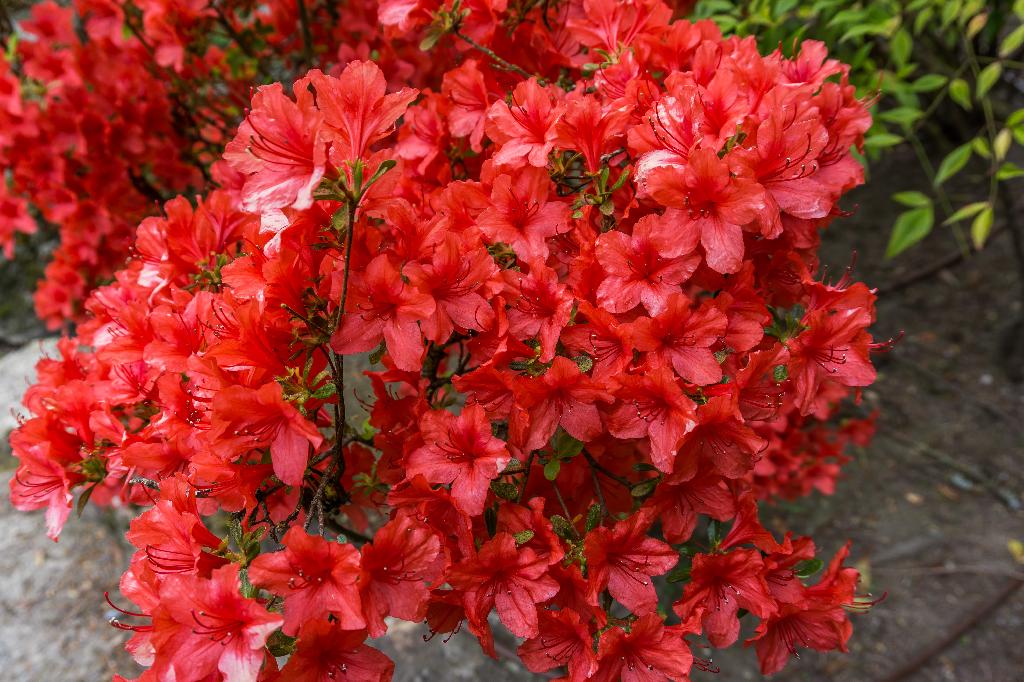
Azaleas are common and beautiful flowers grown in the wild and in gardens. They're also commonly called Rhododendrons. Every part of these flowers is considered poisonous for dogs, including the seeds. Symptoms may include muscle weakness, a slowed heart rate, hypersalivation, and cardiac arrest.

Tulip bulbs and flowers are dangerous for your pet dog. Symptoms may include depression, diarrhea, hypersalivation, and vomiting.

Daffodils are a danger if dogs consume a large amount. Watch for symptoms like diarrhea, hypersalivation, vomiting, and convulsions.

Oleander is a six to twelve-foot bushy shrub with flowers of various colors. The colors and the leaves on this shrub are poisonous to dogs. Symptoms to watch for include excessive salivation, diarrhea, other signs of stomach upset, and a change in heart rhythm. Oleander can be fatal for dogs.

Lilies come in many varieties, and the symptoms vary from plant to plant. Daylillies will cause your dog's stomach to hurt but are most dangerous to cats. Meanwhile, the calla lily can cause a more severe reaction in a dog. With a lily, it's best to keep your dog away and call for help if your dog ingests one.
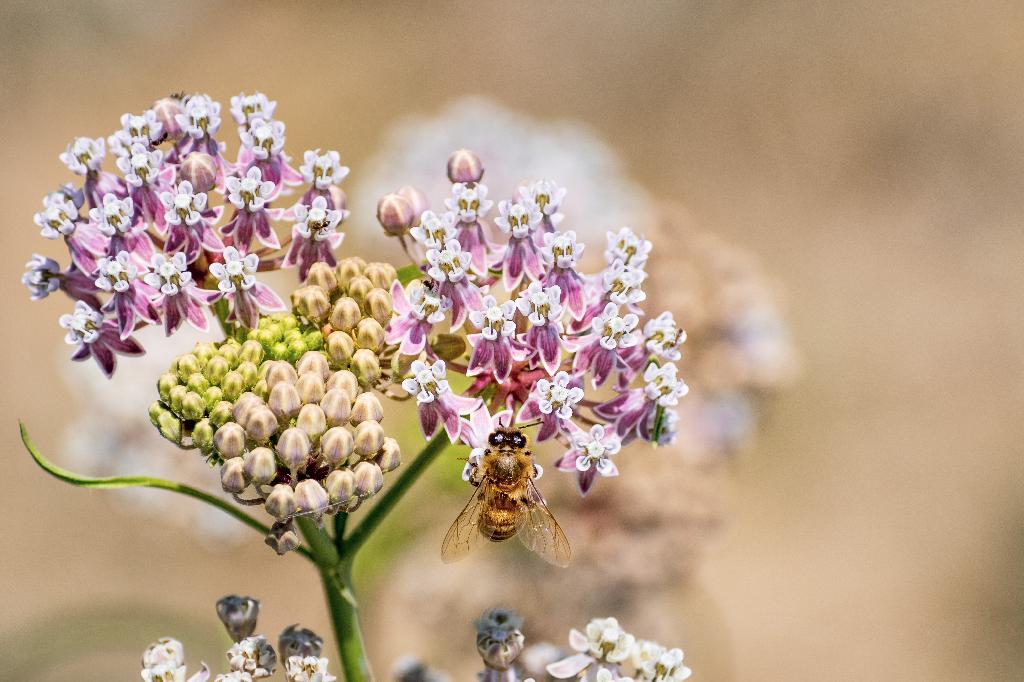
Milkweeds are dangerous to a dog's heart and brain health. A poisoned dog may have symptoms including vomiting, difficulty breathing, weakness, depression, seizures, organ failure, and in extreme cases, death.
What To Do If You're Hunting And Your Dog Eats A Poisonous Plant
The first step is to get the plant away from your dog. Check their mouth and keep them away from the plant.
Once your dog is secure, get photos and samples of the plant. Make sure the samples aren't where your dog can access them. If the plant has different pods and seeds, make sure to grab samples of these even if you're not sure what parts of the plant your dog ate.
If you have cell phone reception, call your emergency veterinarian right away. There are also two other helplines you can contact for information. The first is the Pet Poison Helpline in the United States at 855-764-7661. There is also the ASPCA Animal Poison Control Center at 888-426-4435. They may be able to offer specific guidance on the poisonous plant and tips that may help your dog's specific breed.
Follow the advice you receive on the phone carefully. It is not a good idea to use home remedies suggested on the internet. While they are well-intentioned, they could interfere with the treatment from your veterinarian.
While you work to get your dog to the emergency vet as quickly as possible, do your best to comfort your dog with pets and a calm tone. Many poisonous plants can raise your pet's heart rate and keeping them as calm as possible while they're in distress can help their health.
Related Aritlces
Once Bitten...
Re-transmitted/published with permission of Covey Rise magazine. Copyright 2008. This article appeared in Covey Rise Magazine in summer of 2007.
Continue Reading

Long Distance Runaround - By Craig Koshyk
In a perfect world the pup of your dreams, from the breed of your dreams, would be whelped by an awesome breeder living just down the street. And when the happy day came for you to bring you puppy home, all you'd need to do is walk half a block to get him.

Field Trials Matter
Most scouts yawn when linemen run 40's, but not at the 2020 combine. Mekhi Becton, a 6-foot-7-inch, 364 pound offensive lineman out of Louisville ran a blistering 5.1. Heads didn't turn so much as they spun off of heads, for what current lineman of Beckton's size runs what used to be speed of yesteryear's fullback? My, my have times changed.