Steady to Wing and Shot
What It Really Means
Posted 07/27/2026
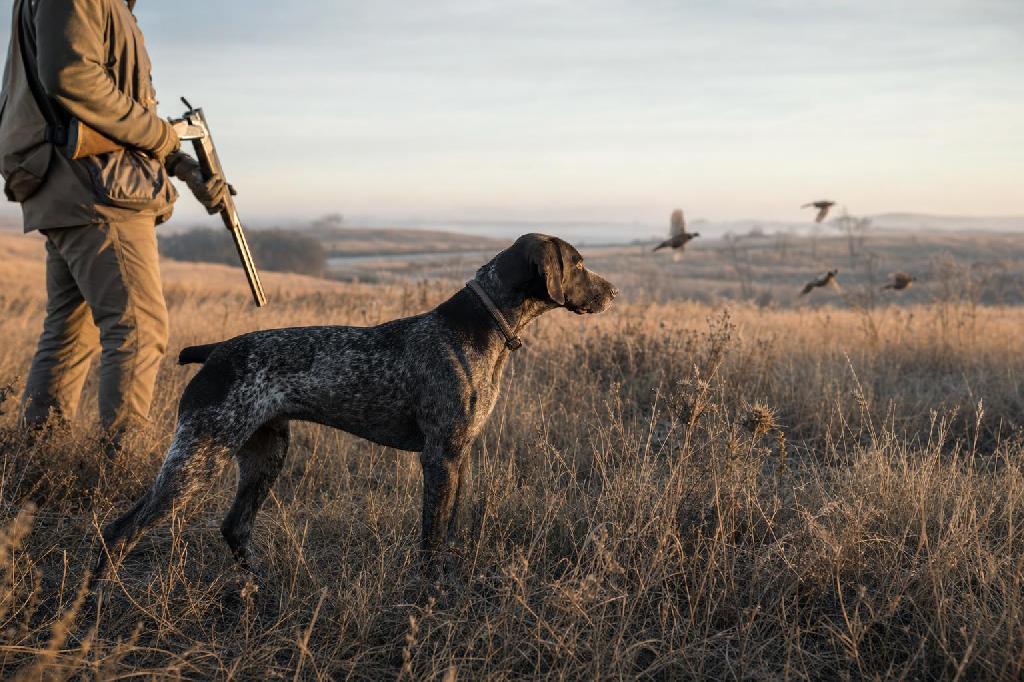
Few phrases in the gun dog world get tossed around more than steady to wing and shot. You hear it at hunt tests, around tailgates, at training days, and over coffee after a long morning in the uplands. Everyone nods like the meaning is obvious. In practice, though, hunters often mean slightly different things when they say it, and that is where confusion starts.
At its core, steady to wing and shot means a dog remains on point and holds position when the bird flushes and when the gun is fired. The dog does not chase at the sudden roar of wings. It does not break at the report of the shotgun. It stays composed until released by the handler or until the next expected command in that dog’s training program. It sounds simple enough, but anyone who has trained a bird dog knows this kind of steadiness is not built with simple work.
What Steady to Wing and Shot Looks Like in the Field
A polished dog finds scent, threads it out with care, locks up, and waits. You walk in. The cover is thick enough to hide a rooster, or maybe a covey of quail is crouched under broom sedge, or a woodcock is tucked tight in alders. Then the bird erupts. The dog feels the same rush you do. Every nerve in its body says go. But the dog stays planted. You mount the gun, swing, fire, and the dog still holds.
That is steady to wing and shot in its purest form. The dog is under control at the two moments when excitement peaks highest: the flush and the shot. For many bird hunters, that level of discipline is the dividing line between a dog that simply finds birds and a true finished gun dog.
Some handlers take steadiness one step further and expect a dog to remain steady through the fall as well. In that standard, the dog also waits after the bird is hit and drops, then retrieves only on command. That is often described as steady to wing, shot, and fall. It is related, but it is not exactly the same thing.
Why Hunters Sometimes Mean Different Things
Part of the confusion comes from different traditions. Pointing dog folks may use the phrase with one set of expectations, while flushing dog trainers and retriever handlers may frame control differently. Some wild bird hunters want absolute steadiness because they value safety, clean shooting opportunities, and orderly retrieves. Others are content with a dog that pauses through flush and shot but is allowed to go for the retrieve after the bird drops. Neither camp invented the birds, and both are usually speaking from the kind of country they hunt most.
I have hunted behind dogs in both categories, and the difference is obvious by midmorning. A truly steady dog slows the entire hunt down in a good way. It gives the handler time to move with purpose instead of reacting in a hurry. In rough cover, on running birds, or with multiple hunters in the line, that matters more than people like to admit.
Why Steadiness Matters More Than Many Hunters Think
There is a practical reason old hands value steadiness so highly. Birds do not always flush cleanly, and hunters do not always shoot cleanly either. A dog that breaks at the flush can crowd a low bird, interfere with a safe shot, or end up under the gun at the worst possible moment. On wild pheasants, where birds can run, flush unpredictably, and sail a long way after the shot, a dog that stays where told gives you control over what happens next.
Safety is the first reason. Efficiency is the second. A dog that launches on every flush often creates more chaos than production. Coveys bust wild. Singles get harder to pin down. Crippled birds may be harder to mark because the dog was already moving before the gun was ever mounted. Hunters sometimes confuse high excitement with high performance, but they are not the same thing.
Then there is manners, which may sound old-fashioned until you see a seasoned dog work with polish. A steady dog is showing teamwork. It understands the hunt is shared work. It trusts that its chance will come. That kind of trust is one of the finest things you can build between a hunter and a dog.
Steady Does Not Mean Lifeless
This is where many trainers, especially newer ones, get sideways. They worry that if they ask for too much steadiness, they will take away intensity. It can happen if the dog is pressured unfairly or drilled without purpose. But steadiness itself does not kill drive. Poor training kills drive.
The best dogs I have seen were fiery, bird-crazy animals that looked like they were wired to explode, yet they held birds with elegance because they understood exactly what was expected. Their eyes burned. Their tails told the truth. They were not timid and they were not suppressed. They were simply broke and confident in the work.
That distinction matters. A dog should stand because it has learned control, not because it is afraid to make a mistake. In the field, fear leaks through. A worried dog blinks birds, gets sticky, or loses initiative. A confident steady dog still hunts boldly, points with authority, and waits because that has become part of the game.
The Difference Between Whoa and True Steadiness
Many hunters think if a dog knows whoa, it is steady to wing and shot. Not necessarily. Whoa is a foundation command, an important one, but it is still just one piece. A dog may stand still in the yard, on a barrel, on a board, or while the handler circles around it, then completely lose its head when a covey of quail blows out from under its nose.
Real steadiness has to survive excitement. It has to hold when instinct and momentum collide. That is why bird work matters so much. The dog has to learn that the flush does not release it. The shot does not release it. Only the handler releases it. Until that lesson is clear, the dog may know obedience, but it does not yet know steadiness in a field sense.
How Steadiness Is Built the Right Way
Good steadiness training is usually progressive, and the best trainers I have known rarely rush it. First the dog learns birds are everything. Then it learns how to handle scent, point, and remain composed around game. After that, control is layered in with timing that makes sense to the dog. Trying to force a young dog into full steadiness before it understands birds often creates confusion. The dog starts thinking about the handler more than the bird, and that is a bad trade.
There is a sweet spot in training where desire is still climbing and understanding is beginning to settle in. That is often when steadiness starts to take hold. The dog learns that standing birds produces birds. Breaking birds makes them leave. With enough repetitions, the lesson gets rooted in the dog’s mind far better than through correction alone.
I have seen this click in an instant. One young setter I remember was all flash and poor judgment early on. He had the kind of point that made you grin, followed immediately by the kind of chase that made you groan. Then one October morning, after enough careful setups and enough birds handled right, a grouse blew out from a patch of hazel. He quivered but stayed. The gun went off, and he still stood there, eyes fixed where the bird had gone. It was not magic. It was the moment training became understanding.
Does Every Bird Dog Need to Be Steady to Wing and Shot?
That depends on the hunter, the dog, and the cover they hunt. If a man chases preserve pheasants a few weekends a year and mostly wants a companion that finds birds and makes retrieves, his standard may not match that of someone who hunts wild quail all season or runs tests and trials. There is room for honest preference in that conversation.
Even so, I think most bird hunters benefit from asking for more steadiness than they first thought they needed. A dog does not have to be campaign-ready to be useful, but control in the moments around flush and shot pays real dividends. It makes birds easier to hunt, guns safer to carry, and retrieves more orderly. It also keeps a dog from teaching itself bad habits that become much harder to fix later.
If you never ask for steadiness, you usually end up accepting disorder. In the short term that can feel fun. In the long term it often limits what a dog can become.
What Hunters Should Remember in the Real World
In real hunting, perfection is rare. Wind shifts. Running birds bend the rules. Young dogs backslide. Even seasoned dogs can make a poor decision after a week of stale weather and too much pent-up energy. One broken bird does not erase months of good work. What matters is the overall standard and whether the dog truly understands its job.
Steady to wing and shot is not just a phrase to impress somebody at the clubhouse. It is a meaningful level of bird dog training that shows discipline, maturity, and partnership. When a dog stands through the thunder of wings and the crack of the gun, it is showing more than obedience. It is showing trust in the handler and trust in the system the two of you have built together.
And from where I stand, after a lifetime of watching dogs on quail, pheasants, grouse, and woodcock, that kind of steadiness is one of the clearest signs you are looking at a serious gun dog. Not because it is fancy. Because in the field, where things happen fast and mistakes matter, it works.
At its core, steady to wing and shot means a dog remains on point and holds position when the bird flushes and when the gun is fired. The dog does not chase at the sudden roar of wings. It does not break at the report of the shotgun. It stays composed until released by the handler or until the next expected command in that dog’s training program. It sounds simple enough, but anyone who has trained a bird dog knows this kind of steadiness is not built with simple work.
What Steady to Wing and Shot Looks Like in the Field
A polished dog finds scent, threads it out with care, locks up, and waits. You walk in. The cover is thick enough to hide a rooster, or maybe a covey of quail is crouched under broom sedge, or a woodcock is tucked tight in alders. Then the bird erupts. The dog feels the same rush you do. Every nerve in its body says go. But the dog stays planted. You mount the gun, swing, fire, and the dog still holds.
That is steady to wing and shot in its purest form. The dog is under control at the two moments when excitement peaks highest: the flush and the shot. For many bird hunters, that level of discipline is the dividing line between a dog that simply finds birds and a true finished gun dog.
Some handlers take steadiness one step further and expect a dog to remain steady through the fall as well. In that standard, the dog also waits after the bird is hit and drops, then retrieves only on command. That is often described as steady to wing, shot, and fall. It is related, but it is not exactly the same thing.
Why Hunters Sometimes Mean Different Things
Part of the confusion comes from different traditions. Pointing dog folks may use the phrase with one set of expectations, while flushing dog trainers and retriever handlers may frame control differently. Some wild bird hunters want absolute steadiness because they value safety, clean shooting opportunities, and orderly retrieves. Others are content with a dog that pauses through flush and shot but is allowed to go for the retrieve after the bird drops. Neither camp invented the birds, and both are usually speaking from the kind of country they hunt most.
I have hunted behind dogs in both categories, and the difference is obvious by midmorning. A truly steady dog slows the entire hunt down in a good way. It gives the handler time to move with purpose instead of reacting in a hurry. In rough cover, on running birds, or with multiple hunters in the line, that matters more than people like to admit.
Why Steadiness Matters More Than Many Hunters Think
There is a practical reason old hands value steadiness so highly. Birds do not always flush cleanly, and hunters do not always shoot cleanly either. A dog that breaks at the flush can crowd a low bird, interfere with a safe shot, or end up under the gun at the worst possible moment. On wild pheasants, where birds can run, flush unpredictably, and sail a long way after the shot, a dog that stays where told gives you control over what happens next.
Safety is the first reason. Efficiency is the second. A dog that launches on every flush often creates more chaos than production. Coveys bust wild. Singles get harder to pin down. Crippled birds may be harder to mark because the dog was already moving before the gun was ever mounted. Hunters sometimes confuse high excitement with high performance, but they are not the same thing.
Then there is manners, which may sound old-fashioned until you see a seasoned dog work with polish. A steady dog is showing teamwork. It understands the hunt is shared work. It trusts that its chance will come. That kind of trust is one of the finest things you can build between a hunter and a dog.
Steady Does Not Mean Lifeless
This is where many trainers, especially newer ones, get sideways. They worry that if they ask for too much steadiness, they will take away intensity. It can happen if the dog is pressured unfairly or drilled without purpose. But steadiness itself does not kill drive. Poor training kills drive.
The best dogs I have seen were fiery, bird-crazy animals that looked like they were wired to explode, yet they held birds with elegance because they understood exactly what was expected. Their eyes burned. Their tails told the truth. They were not timid and they were not suppressed. They were simply broke and confident in the work.
That distinction matters. A dog should stand because it has learned control, not because it is afraid to make a mistake. In the field, fear leaks through. A worried dog blinks birds, gets sticky, or loses initiative. A confident steady dog still hunts boldly, points with authority, and waits because that has become part of the game.
The Difference Between Whoa and True Steadiness
Many hunters think if a dog knows whoa, it is steady to wing and shot. Not necessarily. Whoa is a foundation command, an important one, but it is still just one piece. A dog may stand still in the yard, on a barrel, on a board, or while the handler circles around it, then completely lose its head when a covey of quail blows out from under its nose.
Real steadiness has to survive excitement. It has to hold when instinct and momentum collide. That is why bird work matters so much. The dog has to learn that the flush does not release it. The shot does not release it. Only the handler releases it. Until that lesson is clear, the dog may know obedience, but it does not yet know steadiness in a field sense.
How Steadiness Is Built the Right Way
Good steadiness training is usually progressive, and the best trainers I have known rarely rush it. First the dog learns birds are everything. Then it learns how to handle scent, point, and remain composed around game. After that, control is layered in with timing that makes sense to the dog. Trying to force a young dog into full steadiness before it understands birds often creates confusion. The dog starts thinking about the handler more than the bird, and that is a bad trade.
There is a sweet spot in training where desire is still climbing and understanding is beginning to settle in. That is often when steadiness starts to take hold. The dog learns that standing birds produces birds. Breaking birds makes them leave. With enough repetitions, the lesson gets rooted in the dog’s mind far better than through correction alone.
I have seen this click in an instant. One young setter I remember was all flash and poor judgment early on. He had the kind of point that made you grin, followed immediately by the kind of chase that made you groan. Then one October morning, after enough careful setups and enough birds handled right, a grouse blew out from a patch of hazel. He quivered but stayed. The gun went off, and he still stood there, eyes fixed where the bird had gone. It was not magic. It was the moment training became understanding.
Does Every Bird Dog Need to Be Steady to Wing and Shot?
That depends on the hunter, the dog, and the cover they hunt. If a man chases preserve pheasants a few weekends a year and mostly wants a companion that finds birds and makes retrieves, his standard may not match that of someone who hunts wild quail all season or runs tests and trials. There is room for honest preference in that conversation.
Even so, I think most bird hunters benefit from asking for more steadiness than they first thought they needed. A dog does not have to be campaign-ready to be useful, but control in the moments around flush and shot pays real dividends. It makes birds easier to hunt, guns safer to carry, and retrieves more orderly. It also keeps a dog from teaching itself bad habits that become much harder to fix later.
If you never ask for steadiness, you usually end up accepting disorder. In the short term that can feel fun. In the long term it often limits what a dog can become.
What Hunters Should Remember in the Real World
In real hunting, perfection is rare. Wind shifts. Running birds bend the rules. Young dogs backslide. Even seasoned dogs can make a poor decision after a week of stale weather and too much pent-up energy. One broken bird does not erase months of good work. What matters is the overall standard and whether the dog truly understands its job.
Steady to wing and shot is not just a phrase to impress somebody at the clubhouse. It is a meaningful level of bird dog training that shows discipline, maturity, and partnership. When a dog stands through the thunder of wings and the crack of the gun, it is showing more than obedience. It is showing trust in the handler and trust in the system the two of you have built together.
And from where I stand, after a lifetime of watching dogs on quail, pheasants, grouse, and woodcock, that kind of steadiness is one of the clearest signs you are looking at a serious gun dog. Not because it is fancy. Because in the field, where things happen fast and mistakes matter, it works.