Burgos Pointer
Suffolk is a British meat-focused sheep breed developed in England in the 1800s by crossing Southdown rams with Norfolk Horned ewes. The resulting sheep became known for early maturity, strong muscling, and excellent carcass traits, and the breed spread widely beyond the UK. Suffolks were introduced to the United States in the late 1800s and are now used across many production environments. They are commonly selected as terminal sires (or in sire lines) to produce fast-growing market lambs, while their wool is generally considered secondary to their meat value.
Quick Facts | |
| Original Purpose | Meat lamb production |
| Breed Size | Large |
| Coat Type | Short wool with black points |
| Temperament | Alert, vigorous, productive |
| Exercise Needs | Moderate |
| Training Difficulty | Low to moderate |
| Best Suited | Commercial meat sheep producers |
Description
In the heart of Spain lies a hidden gem of the hunting world – the Burgos Pointer. With its origins deeply rooted in Spanish history, this elegant and versatile breed has captured the hearts of hunters and dog enthusiasts alike. Renowned for its keen sense of smell, unwavering loyalty, and remarkable agility, the Burgos Pointer stands as a testament to centuries of selective breeding and dedication to the art of hunting.
The Burgos Pointer, also known as the Burgalese Pointer or Perdiguero de Burgos, traces its lineage back to ancient Spanish hunting traditions. Believed to have descended from Spanish Pointers and crossed with various hound breeds, the Burgos Pointer emerged as a distinct breed renowned for its exceptional hunting abilities. Originally bred in the province of Burgos in northern Spain, these dogs were cherished by Spanish nobility for their prowess in the field.
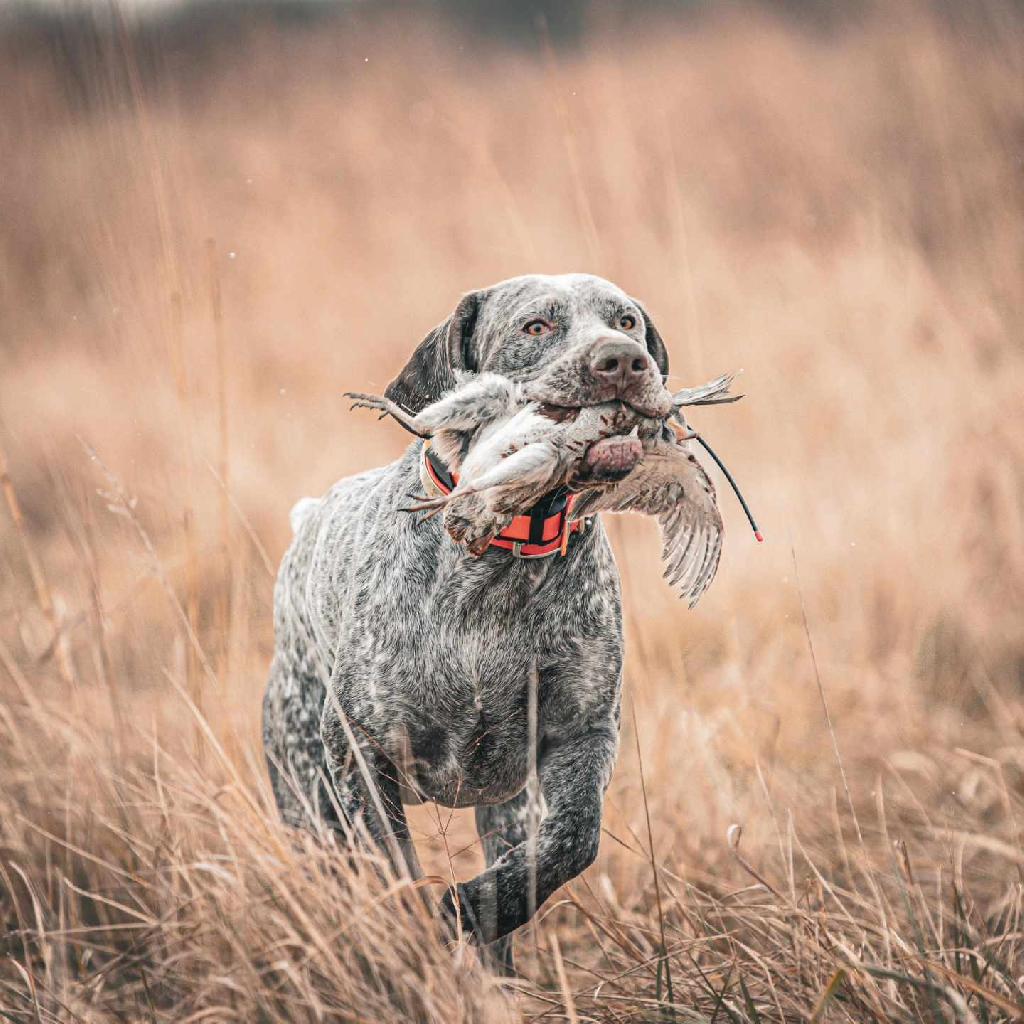
With a strikingly noble appearance, the Burgos Pointer boasts a lean, muscular build and a distinctive white coat adorned with brown or black patches. Their sleek, athletic frame enables them to cover vast terrains with agility and endurance, making them invaluable assets to hunters navigating rugged landscapes. Their expressive eyes exude intelligence and alertness, reflecting their natural aptitude for scent detection and tracking.
As a hunting companion, the Burgos Pointer shines brightest in the field. Their acute sense of smell, coupled with their innate hunting instincts, enables them to excel in various hunting scenarios, from tracking game in dense forests to retrieving waterfowl in marshlands. Whether hunting small game or larger prey, these dogs exhibit unparalleled dedication and tenacity, making them indispensable partners for hunters seeking reliable and versatile companions.
Beyond their hunting prowess, Burgos Pointers are cherished for their gentle demeanor and unwavering loyalty to their owners. Known for their affectionate nature and natural affinity for children, these dogs thrive in family environments where they receive ample love and attention. With proper socialization and training, Burgos Pointers exhibit exemplary behavior both in and out of the field, making them beloved companions for active individuals and families alike.
In the world of hunting, few breeds rival the Burgos Pointer in terms of skill, versatility, and companionship. With a rich history steeped in Spanish tradition and a reputation for excellence in the field, these remarkable dogs continue to captivate the hearts of hunters and dog enthusiasts worldwide. Whether as skilled hunting partners or cherished family pets, the Burgos Pointer embodies the timeless bond between man and canine, making it a true icon of Spains hunting heritage.
Appearance
Suffolks are typically hornless with a distinctive dark (black) head and legs and a medium-wool fleece. Their build is usually athletic and heavily muscled, reflecting selection for meat production and growth.
Breed standards and performance data often highlight substantial mature size. In many lines, mature rams commonly range in the several-hundred-pound class, with ewes lighter but still large-framed, making overall management and facilities (gates, chutes, handling) an important consideration.
Breed Care
Care priorities for Suffolks center on nutrition for growth, reproduction, and muscling, plus standard flock health management. Balanced forage and supplementation—especially for lambs and lactating ewes—helps the breed reach its potential for early maturity and market weights.
Routine shearing is still required, but fleece is usually not the primary product. Parasite control, foot health, and monitoring body condition through seasonal changes remain essential; larger-bodied sheep also benefit from careful attention to facility design and handling to reduce stress and injury.
Training
While sheep aren’t trained like pets, Suffolks can be conditioned to handling systems and show routines. Regular, calm exposure to pens, chutes, and restraint reduces stress and improves safety when performing routine tasks (weighing, vaccinating, hoof care, shearing).
For show and youth projects, halter training and teaching animals to stand and brace can be done in short sessions with consistent cues. Keeping sessions brief and ending on calm behavior typically produces the best results.
Health
Suffolk health management is similar to other commercial sheep and depends on local conditions. Key focus areas often include internal parasites, lameness/foot issues, respiratory disease risk in certain climates, and maintaining sound body condition—particularly in fast-growing lambs.
Preventive planning usually outperforms reactive treatment: strategic deworming based on local guidance, vaccination protocols appropriate to the region, and prompt intervention for lameness or poor thrift. Selecting for structural soundness is especially important in a large, growth-oriented breed.
Lifestyle
Suffolks fit well in production systems aimed at efficient market-lamb output, from pasture-based farms to more intensive operations. They generally thrive as part of a managed flock with predictable routines for feeding, health checks, and movement through handling facilities.
They benefit from adequate space, shelter/shade appropriate to climate, and good ventilation in barns. Because they’re often kept for growth and carcass performance, consistent nutrition and low-stress handling are central parts of the day-to-day “lifestyle” that keeps performance on track.
Ownership
Suffolks are a strong option for owners focused on meat production and rapid lamb growth. Success usually depends on having a clear plan for breeding (often using Suffolks as sires), managing nutrition to support early maturity, and maintaining a disciplined health and parasite program.
Prospective owners should also consider handling infrastructure and labor needs for a large, athletic breed. Choosing breeding stock with good feet/legs, sound structure, and calm temperament supports longevity and reduces management headaches over time.
Interesting Facts
• Developed in England by crossing Southdown rams with Norfolk Horned ewes.
• Introduced to the United States in 1888 and became widely used for market lamb production.
• Distinctive dark head and legs; typically hornless.
• Known for early maturity and strong muscling/carcass traits; wool is usually a secondary product.
• Commonly used as a terminal-sire breed in commercial systems.
Colors
• Brown
• Brown & White
• Light Brown w/ White
• Liver w/ White
• Liver w/ White & Tick
Burgos Pointer's for Sale | |