Article Database
These page is loaded with Featured Articles
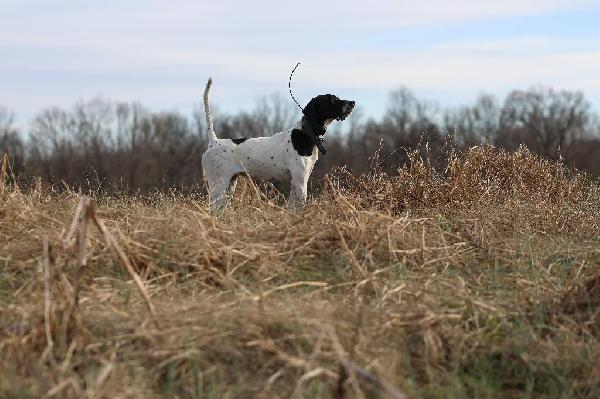
Looking for a Pointer?
Few breeds have earned the reputation of the Pointer. Known for their speed, style, and natural bird-finding ability, Pointers have been a favorite among upland hunters for generations. Whether you are chasing quail across southern plantations, hunting prairie birds in the Midwest, or simply looking for an athletic companion with strong sporting instincts, the Pointer remains one of the most respected bird dogs in the field.
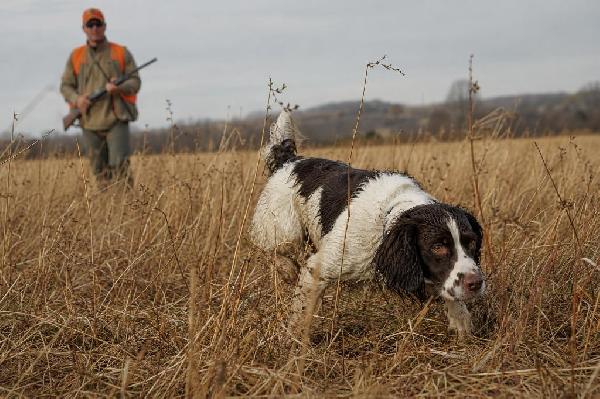
Spaniel Bird Dogs
When most hunters think of bird dogs, their minds jump straight to pointers, setters, or retrievers. Yet for generations, spaniels have quietly earned a reputation as some of the most versatile and enjoyable hunting companions in the field. Compact, energetic, and eager to please, spaniels bring a unique style of hunting that combines close-working efficiency with an enthusiasm that's hard to match.
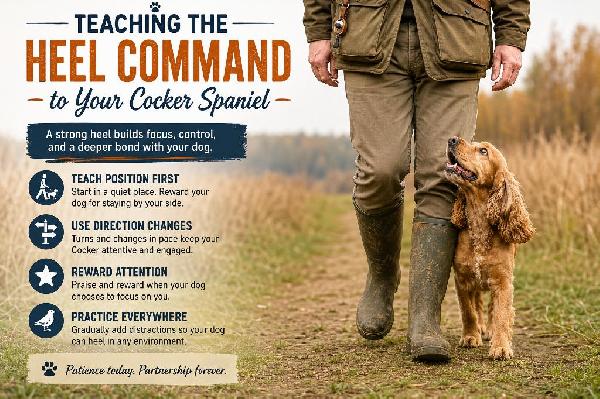
Teaching the Heel Command to Your Cocker Spaniel
If you've ever tried walking a young Cocker Spaniel through a field, down a gravel road, or even across a parking lot, you've probably discovered one thing quickly: Cockers are naturally curious. Every scent, every bird, every rustle in the grass seems worth investigating.
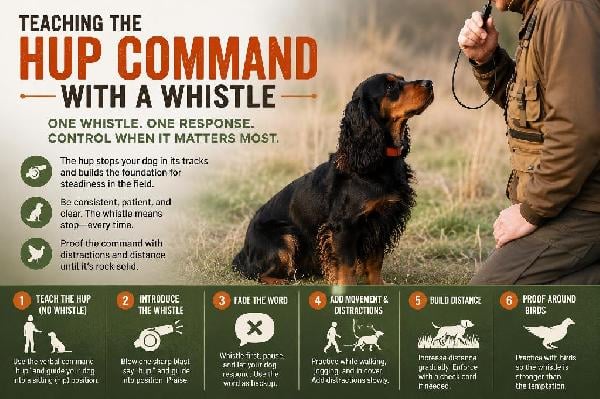
Teaching the Hup Command with a Whistle
If there is one command that separates a pleasant hunting cocker from a chaotic one, it is the hup.
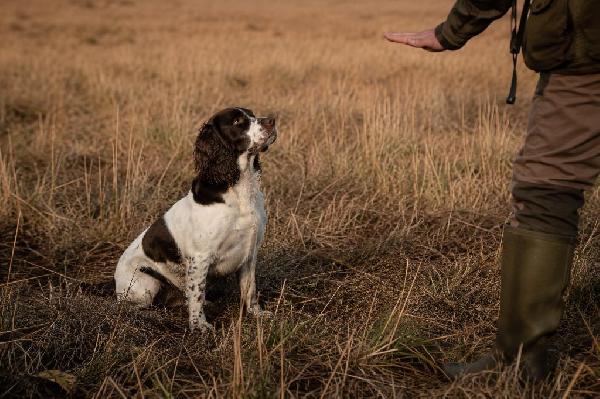
Hup or Sit?
If you've spent any time around working English Cockers, you've probably heard handlers use the word "hup" almost as often as they use a whistle.
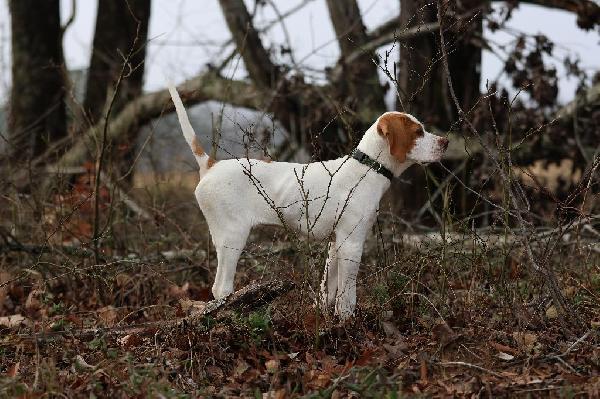
How to Write Hunting Dog Ads That Actually Get Calls
A lot of folks think if they’ve got a good dog, it’ll sell no matter what.
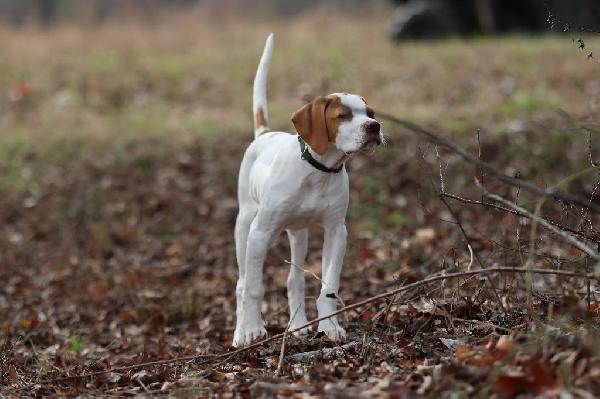
How to Promote Your Hunting Dog Kennel
If you ask most kennel owners how they promote their dogs, you’ll hear the same answer: “I post them when they’re ready.” That approach might work once or twice, but it doesn’t build anything long-term. The kennels that consistently sell pups, build waiting lists, and stay relevant year after year take a different approach. They promote their kennel all the time, not just when they have something to sell.
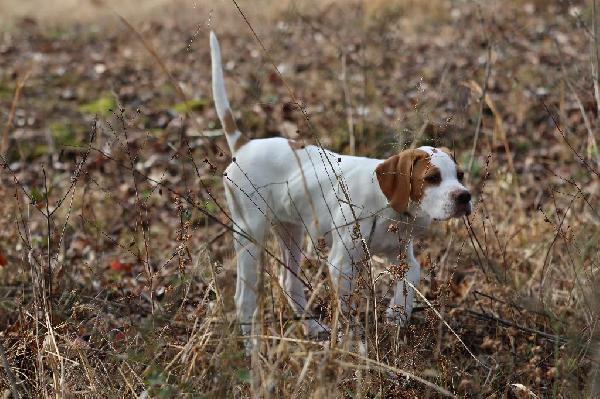
How to Build a Kennel That Lasts
I’ve been running Gundog Central twenty years now, I’ve seen a lot of kennels come and go. I’ve seen new kennels shows up strong, produces a few litters, builds some buzz—and then quietly disappears. A few years later, nobody remembers the name.
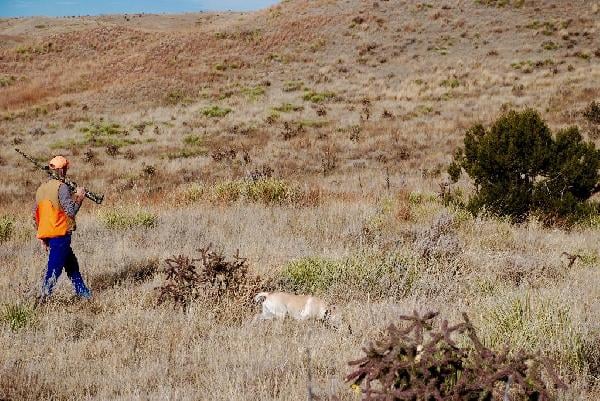
Upland Boot round-up
Back in 2022, I published an Upland Vest Round-Up on Gundog Central. Three years later, I’m following it up with a new piece: an Upland Boot Round-Up. Just like hunting vests, there are countless options on the market for upland boots. I’ve put together this list to highlight a wide range of choices across all price points, along with links to each manufacturer’s website for easy reference.
I am not affiliated with any of these companies, and I don’t earn anything from these links. The goal of this round-up isn’t to make specific recommendations, but to present clear, detailed specifications for each boot so you can make an informed decision. While this isn’t a fully comprehensive list, I’ve tried to include many popular models as well as a few budget-friendly alternatives.
Upland boots vary widely in size, weight, and purpose. Some hunters prefer lightweight designs, others need insulation, and those in snake country may opt for snake boots. I’ve tried to cover all of those considerations here.
Continue Reading
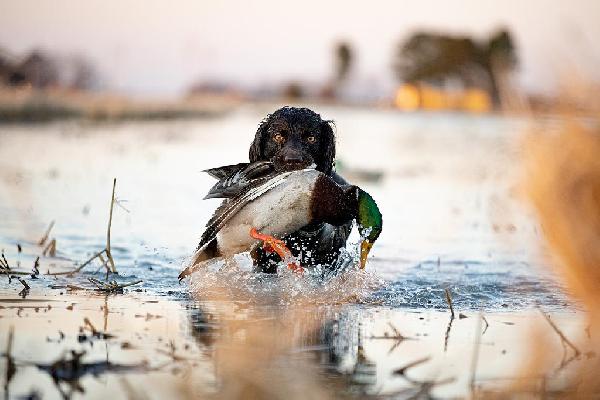
Best hunting dog breeds for wetland hunting
Waterfowl hunting demands a special kind of dog — one that thrives in cold, muddy conditions, works calmly from a blind, and has the grit to plunge into icy water after a downed bird. Not every hunting breed is built for that challenge, but a select few have been bred for generations to master the wetlands. These dogs combine powerful swimming ability, a weatherproof coat, a soft mouth for careful retrieves, and an unshakable desire to work beside their handler through rain, sleet, and wind.
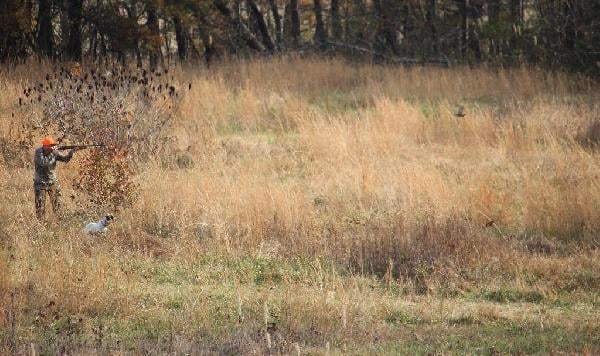
Best hunting dog breeds for upland hunting
There are several dog breeds that excel in upland hunting, and the best breed for you depends on your specific preferences and hunting style. Whether you’re flushing bobwhite quail in the piney woods of the Southeast, chasing sharp-tailed grouse across the grasslands of the Northern Great Plains, stalking ring-necked pheasants in the grain fields of the Midwest, pursuing chukar in the rocky terrain out West, or hunting ruffed grouse and woodcock in the dense young forests of the Great Lakes region, each breed is tailored to a different type of hunt. Finding the right one for your hunting situation can be key to success in the field.
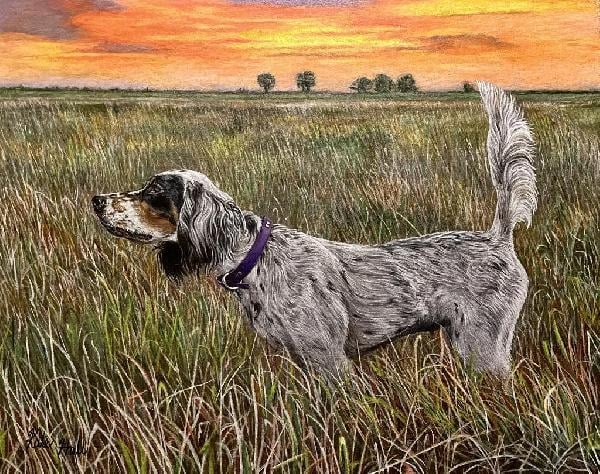
A Broken Plate
After a long hiatus I have returned to a sport I loved for many years. As I turn my pups loose now and watch them sail across the south pasture, I reflect on the many turns in the road that placed me here.
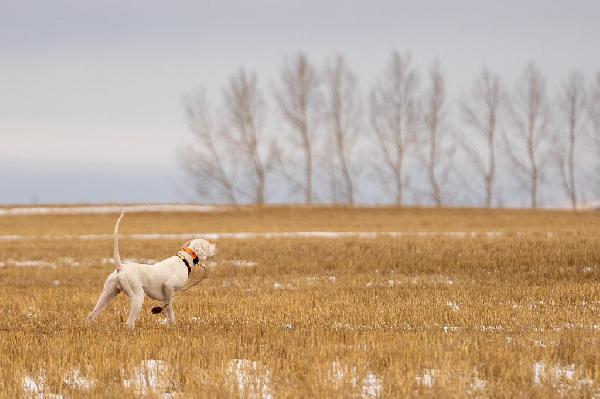
Getting to the Point
My journey with pointers began like many of my adventures—with curiosity, a measure of daring, and a willingness to chase an idea as far as it would take me. If it was an Icarus sort of thing, I can’t say I regret flying too close to the sun. The height—the thrill—was worth it. Pointers are a lot like that. They can lift you up, make you feel unstoppable, and occasionally scorch your wings if you’re not paying attention.
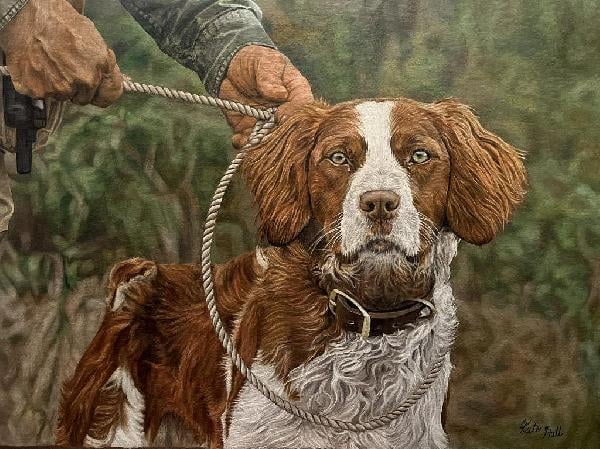
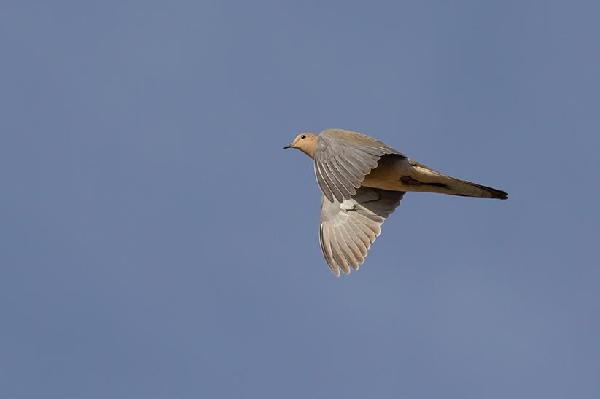
You have a dove problems
As the dove season progresses, wingshooters should continue to scout, practice camouflage and concealment techniques, determining set-up in relation to the field and doves, and apply the use of decoys and their placement. These tactics will increase the chances of success significantly. Understanding dove behavior is critical for maximizing the hunting experience. Below are three additional suggestions for dove hunters to keep in mind that are often ignored or forgotten about.