Harrier
Harrier's for Sale| Harrier Kennels & Breeders | Harrier Photos
Harrier Litter Annoucement | Harrier Puppies for Sale | Harrier Started Dogs | Harrier Finished Dogs | Harrier Stud Dogs
Description
Harrier dog is usually mistaken for the small English Foxhound or Beagle. However, Harriers are a distinct breed used to hunt foxes and hares. This breed of dog is typically a pack hound, i.e., it is more of a companion dog. Therefore, if you consider making Harrier a member of your family, there are some essential details you need to know.
Harriers are sweet and affectionate, just like all hounds. As a result of their hunting heritage, Harriers are highly energetic. Ergo, to keep your dog happy and healthy, a jog or daily walk for about an hour is recommended. However, consulting with your veterinarian before starting any exercise program with your dog is prudent. Ideally, Harriers are great hiking companions, although you can teach them to run alongside you. Like all hounds, Harriers are a good competitor in agility with natural tracking abilities. If you are active and spend most of your time outdoors, consider having this playful, intelligent, and people-oriented dog. Remember always to have your Harrier on a leash unless you are in an enclosed area. Otherwise, he will take off after finding a good scent because his hunting instincts will kick in. Harriers communicate using groans, grumbles, moans, and mumbles.
History of Harriers
Ideally, very little is known about the origin of Harriers. However, according to the latest research studies, Harriers might have originated by crossing the Southern hound (now extinct) and the Greyhound. This breed of dogs might have been brought to England by the Normans when they invaded in 1066. Consequently, the first pack of Harriers in the United Kingdom (the Penistone pack) are dated back to 1260. However, Harriers are considered as the smaller version of Foxhounds.
In 1885, Harriers were recognized as members of the Hound Group by the American Kennel Club. As a result, Harriers are among the oldest breeds recognized by the AKC. In 1992, the present-day Harrier Club of America was founded. Due to their hunting skills and personality, the Harrier dog breed is ranked 165th (dog breeds registered by the AKC). Developed in England to hunt hares, Harriers have all the attributes of a scenting pack hound. Harriers are very active, full of strength, well balanced, and work tirelessly regardless of the terrain or weather conditions. Their running and scenting abilities make Harrier ideal hunters.
Temperament and Personality
Harrier dog breed is outgoing and friendly towards people. As a pack hound, Harriers are friendly toward other dogs. Harriers prefer human or canine company; he dislikes being alone. It is essential to note that Harriers can be stubborn sometimes because they are smart and have their own way. While training your Harrier, consistency and positive reinforcements (using praise and food rewards) is useful. Since these dogs are scenthounds, they will go hunting on their own! Hence, securing your yard well is vital to prevent them from wandering off. Harriers are good problem solvers; therefore, they will try to find potential escape routes to hunt independently. When Harriers are not hunting, they enjoy digging. Therefore, if you do not want your Harrier to dig your yard, keep him occupied, or allocate him a specific area in your yard.
Health
All dogs can potentially develop genetic health problems. If you want to buy a Harrier, talk to a reputable breeder to make the right choice. Typically, a reputable breeder is open and honest about a breeds health problems and how these problems occur in her lines. Although Hip Dysplasia is the leading health problem seen in this breed, Harrier is a healthy dog breed. Eye problems are not common, although you can confirm with the breeder to determine your dogs current condition. Remember to inquire about the puppys parents clearances from the Orthopedic Foundation for Animals & the Canine Eye Registry Foundations approval. To be on the safer side, eye clearance should have been performed within the past year.
Grooming
The dense coat of Harriers makes it easy to groom. Using a rubber curry brush or a hound mitt, brush your dogs skin to remove dead hairs and distribute skin oils. Since Harriers shed moderately, regular brushing prevents loose hairs from settling on your furniture, floors, and clothing. It is essential to bathe your dog as needed to maintain basic hygiene. Also, consider trimming the dogs nails after a week or two, keep the Harriers ears clean and dry, and brush its teeth using a vet-approved pet toothpaste.
Nutrition
Harriers should be fed high-quality dog food depending on the dogs activity level and age, i.e., puppy, adult, or senior. Although you can sparingly give your dog table scraps, avoid giving Harriers cooked bones and food with high-fat content if possible. Finally, doing a thorough research and checking with your vet if you have any concerns about your dogs diet or weight is crucial.
Colors
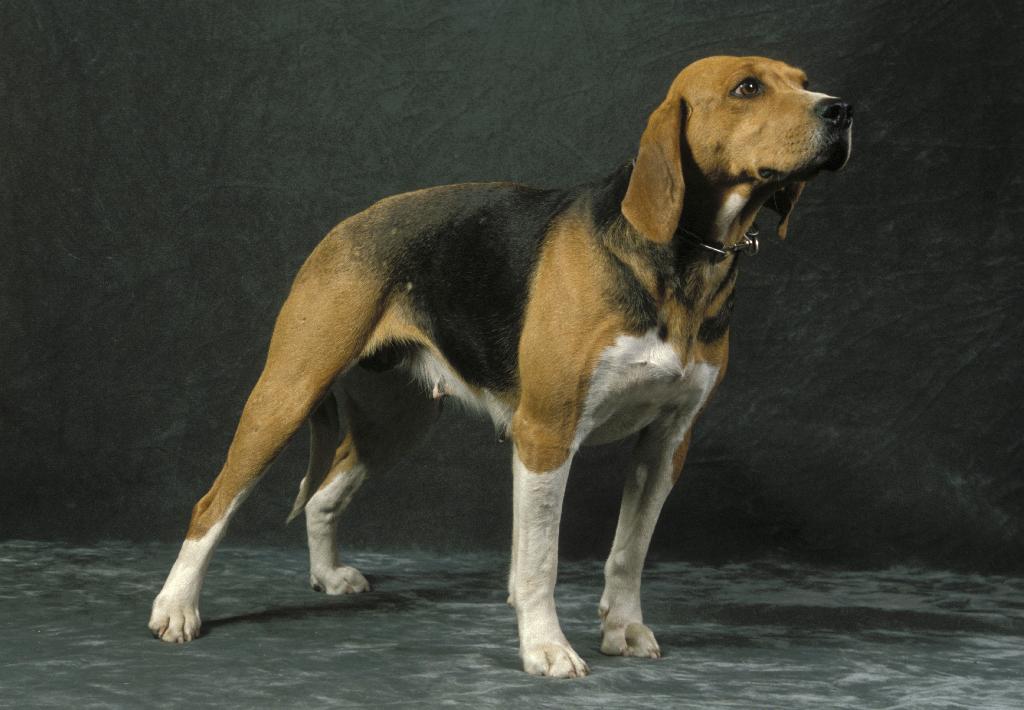
• Tricolored
Harrier's for Sale | |