How to Feed your Dog
Posted 02/03/2022

Feeding hardworking gun dogs requires a bit more than scooping some kibble into a bowl. It's a simple three-step process that pays big performance dividends.
First, determine your dog's body condition score. A body condition score is a number based on an evaluation of fat in a few key areas of the dog's body. The score runs from 1-9, with 1 being seriously underweight, 9 being seriously overweight, and 4-5 being ideal. Every number over 5 means your dog is an additional 10% overweight while every number under 4 means your dog is an additional 10% underweight.

Another way to determine your dog's body condition score is by looking at his ribs, waist and hips.
• Ribs: You should easily feel your dog's ribs when your fingers are held flat against his rib cage. If you need to use your fingertips to find the ribs your dog is overweight. Visibly seeing your dog's ribs generally means he's underweight, with a few exceptions: dogs that naturally have very lean body types like greyhounds, English pointers, and the like.
• Waist: Ideal weight means you should see a tuck starting where the chest ends and the hips begin. If the line from the bottom of the chest goes straight then your dog is probably overweight. If there is a big hollow area your dog might be too thin. There should be a visible waist.
• Hips: If you can clearly see hip bones then your dog is too thin. If there are bulges on either side your dog is overweight.
Next, determine your dog's daily caloric needs. Scientists use a formula to determine a dog's basic daily caloric needs. It's a simple two-step process. First, divide a dog's body weight in pounds by 2.2 to convert it to kilograms. Then, raise the dog's weight in kilograms to the ¾ power and multiply by 70.
Here's an example:
• A 44-pound dog's weight divided by 2.2 means he weighs 20 kilograms.
• 70(20kg) raised to the ¾ power is 662 kilocalories that your dog needs to consume every day.
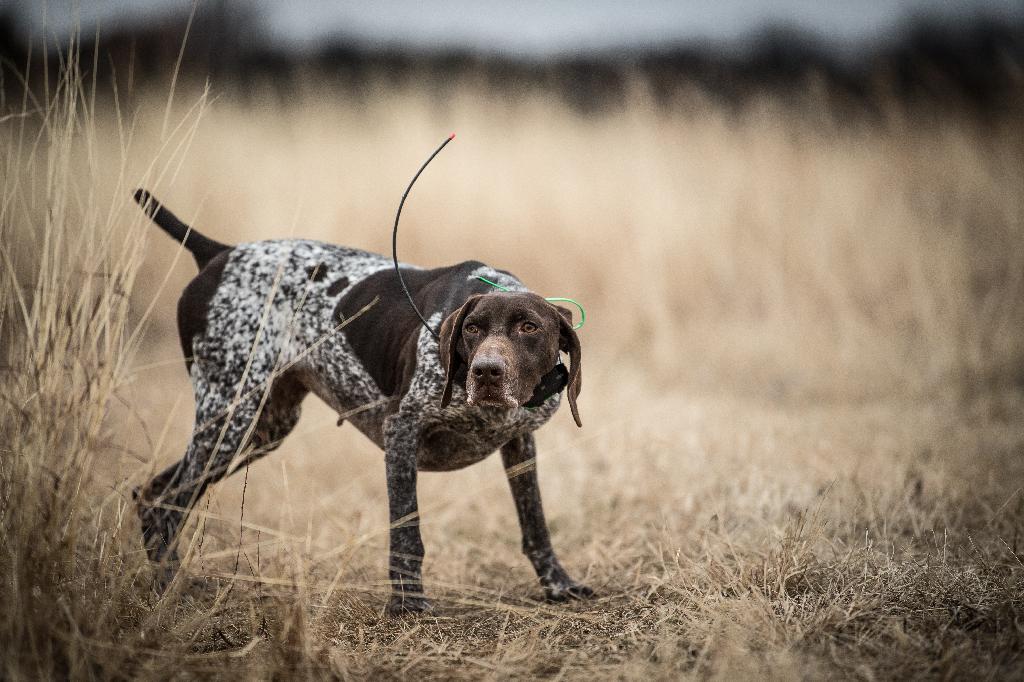
Then, determine the dog's daily and working caloric needs. If your 44-pound dog is performing light work, multiply that daily caloric need by 2. For moderate work, multiple the daily caloric need by 3. For heavy work, multiple the daily caloric need by up to 6.
Here's an example:
• A 44-pound dog's weight divided by 2.2 means he weighs 20 kilograms.
• 70(20kg) raised to the ¾ power is 662 kilocalories that your dog needs to consume every day just to fuel his daily requirements.
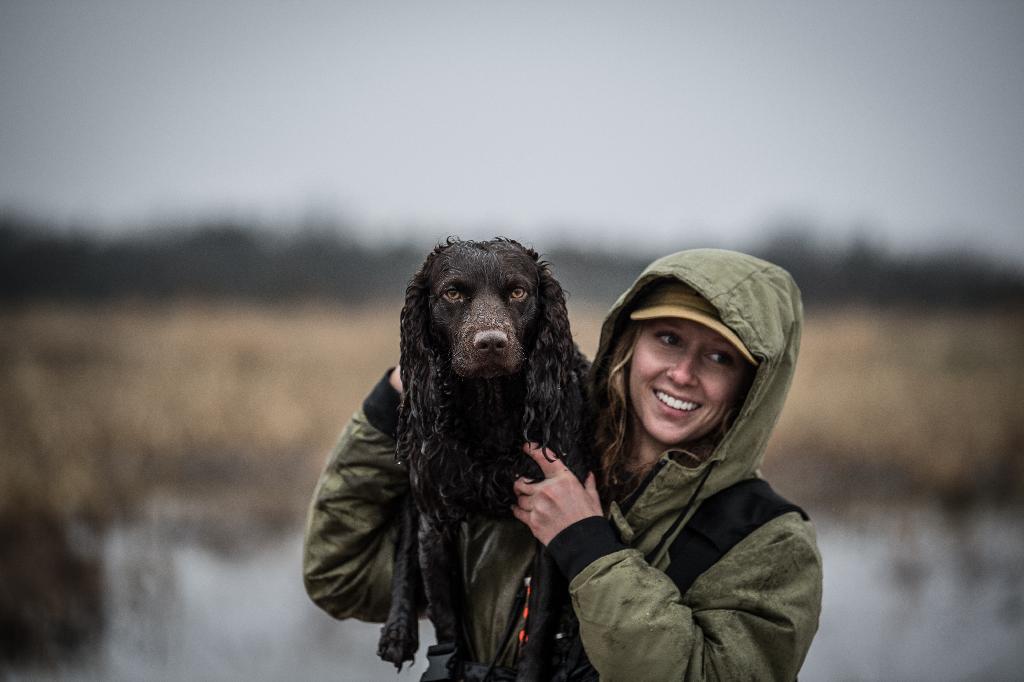
But hard working dogs need more calories, so how much is enough? If your 44-pound dog is performing light work, multiply that daily caloric need by 2. For moderate work, multiple the daily caloric need by 3. For heavy work, multiple the daily caloric need by up to 6.
[%BANNER-EUK650%]
Here's how it might look for a 44-pound dog:
20 kg BW Light Duty Moderate Duty Heavy Duty
Maintenance kcal 662 662 662
Activity Factor 2 3 4 - 6
Total kcal 1324 1986 2648 - 3972
Divide the number of calories your dog needs by the kcals per cup listed on your bag of dog food and you'll be able to determine the optimal amount to feed. The feeding guidelines on the bag should also be consulted.
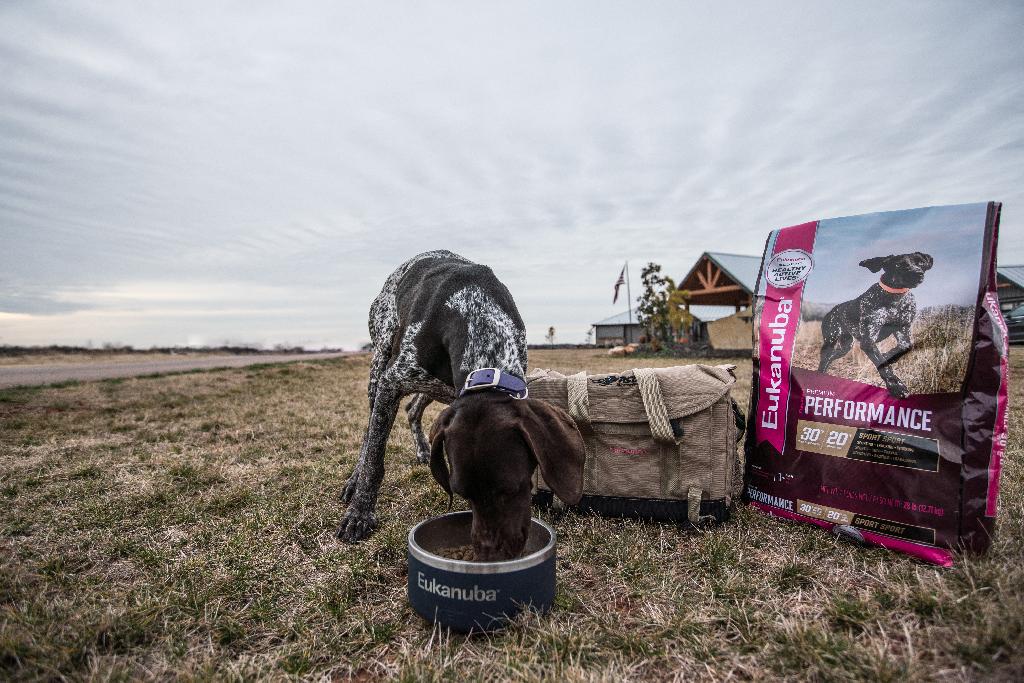
Feeding Time. But wait, there's one more step to feeding your dog. It relates to when to feed your dog. Hardworking sporting dogs should be fed two times a day. 1/3 of the daily feed should be fed in the morning at least 3 hours before their run time. It's important that there be at least 3 hours in between feeding and run time so the dog's body can digest his food.
The remaining 2/3 of the food should be fed in the afternoon or evening at least two hours following their last run. Those two hours allow for a rest and cooling off period. The dog's core body temperature will drop to his normal level, and he'll be ready to eat. Provide fresh, clean water with each meal and throughout the day.
[%BANNER-EUK728%]
First, determine your dog's body condition score. A body condition score is a number based on an evaluation of fat in a few key areas of the dog's body. The score runs from 1-9, with 1 being seriously underweight, 9 being seriously overweight, and 4-5 being ideal. Every number over 5 means your dog is an additional 10% overweight while every number under 4 means your dog is an additional 10% underweight.
Another way to determine your dog's body condition score is by looking at his ribs, waist and hips.
• Ribs: You should easily feel your dog's ribs when your fingers are held flat against his rib cage. If you need to use your fingertips to find the ribs your dog is overweight. Visibly seeing your dog's ribs generally means he's underweight, with a few exceptions: dogs that naturally have very lean body types like greyhounds, English pointers, and the like.
• Waist: Ideal weight means you should see a tuck starting where the chest ends and the hips begin. If the line from the bottom of the chest goes straight then your dog is probably overweight. If there is a big hollow area your dog might be too thin. There should be a visible waist.
• Hips: If you can clearly see hip bones then your dog is too thin. If there are bulges on either side your dog is overweight.
Next, determine your dog's daily caloric needs. Scientists use a formula to determine a dog's basic daily caloric needs. It's a simple two-step process. First, divide a dog's body weight in pounds by 2.2 to convert it to kilograms. Then, raise the dog's weight in kilograms to the ¾ power and multiply by 70.
Here's an example:
• A 44-pound dog's weight divided by 2.2 means he weighs 20 kilograms.
• 70(20kg) raised to the ¾ power is 662 kilocalories that your dog needs to consume every day.
Then, determine the dog's daily and working caloric needs. If your 44-pound dog is performing light work, multiply that daily caloric need by 2. For moderate work, multiple the daily caloric need by 3. For heavy work, multiple the daily caloric need by up to 6.
Here's an example:
• A 44-pound dog's weight divided by 2.2 means he weighs 20 kilograms.
• 70(20kg) raised to the ¾ power is 662 kilocalories that your dog needs to consume every day just to fuel his daily requirements.
But hard working dogs need more calories, so how much is enough? If your 44-pound dog is performing light work, multiply that daily caloric need by 2. For moderate work, multiple the daily caloric need by 3. For heavy work, multiple the daily caloric need by up to 6.
[%BANNER-EUK650%]
Here's how it might look for a 44-pound dog:
20 kg BW Light Duty Moderate Duty Heavy Duty
Maintenance kcal 662 662 662
Activity Factor 2 3 4 - 6
Total kcal 1324 1986 2648 - 3972
Divide the number of calories your dog needs by the kcals per cup listed on your bag of dog food and you'll be able to determine the optimal amount to feed. The feeding guidelines on the bag should also be consulted.
Feeding Time. But wait, there's one more step to feeding your dog. It relates to when to feed your dog. Hardworking sporting dogs should be fed two times a day. 1/3 of the daily feed should be fed in the morning at least 3 hours before their run time. It's important that there be at least 3 hours in between feeding and run time so the dog's body can digest his food.
The remaining 2/3 of the food should be fed in the afternoon or evening at least two hours following their last run. Those two hours allow for a rest and cooling off period. The dog's core body temperature will drop to his normal level, and he'll be ready to eat. Provide fresh, clean water with each meal and throughout the day.
[%BANNER-EUK728%]
Related Aritlces

How To Support Joint Health in Your Sporting
When we think about the longevity of our hardworking sporting dogs in the fields and blinds, joint health is often a point of concern. They run hard in a variety of conditions, they jump over logs or stone walls, and they twist and turn their way through fields and covers. Those aggressive movements can put a tremendous amount of stress on their joints.
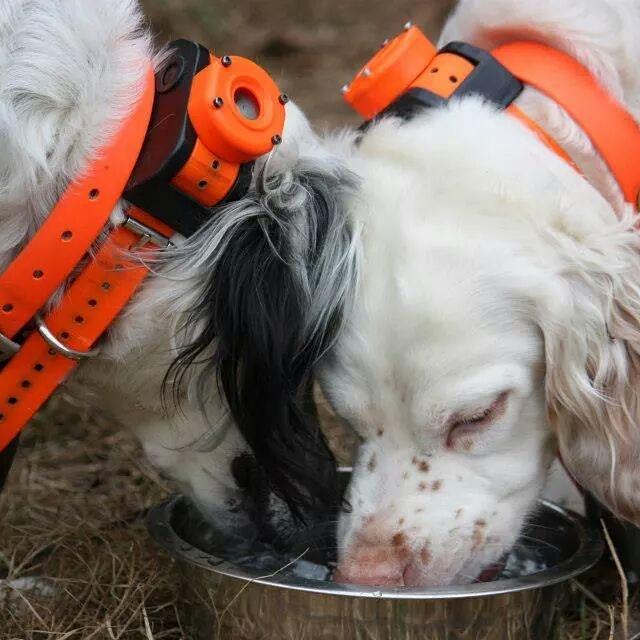
How Much Water Should Your Gun Dog Drink?
Most sporting dog owners and handlers know how to calculate daily amounts of food, but is there a way to determine how much water your dog should drink? According to Eukanuba's Pet Health and Nutrition Center's Director Dr. Jill Cline, there is.