Article Database
These page is loaded with Featured Articles
The Italian American Job
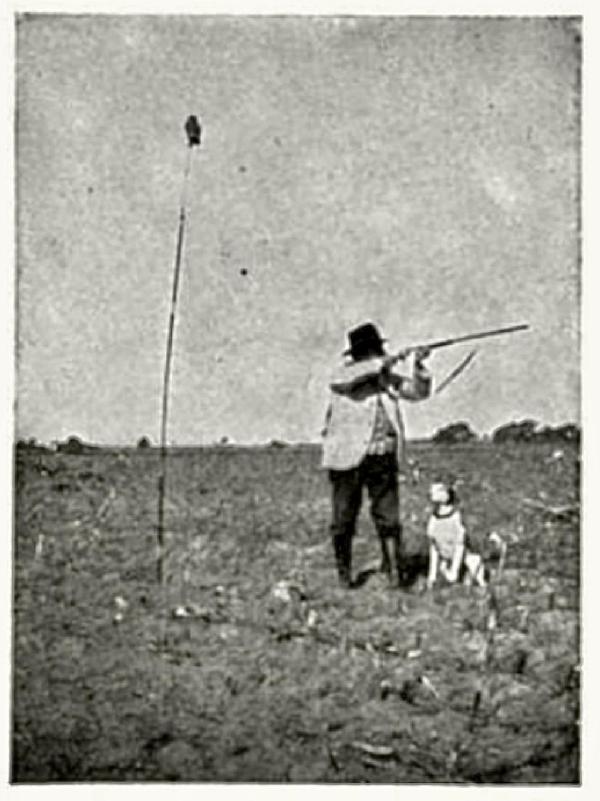
As a third-generation descendant of poor Italian immigrants, I have had firsthand experience with the famed culture of frugality for which they are known. This includes some unconventional culinary habits practiced as part of their peasantry traditions. These traditions were born out of necessity. Not only did they come here in the early 1900’s with nothing, but most left families in Italy who had also lived there for generations with nothing. An outflow of their need to subsist on so little was a well documented custom of poaching. This was also born out of what they saw as necessity, needing to find ways to feed their families by any available means.
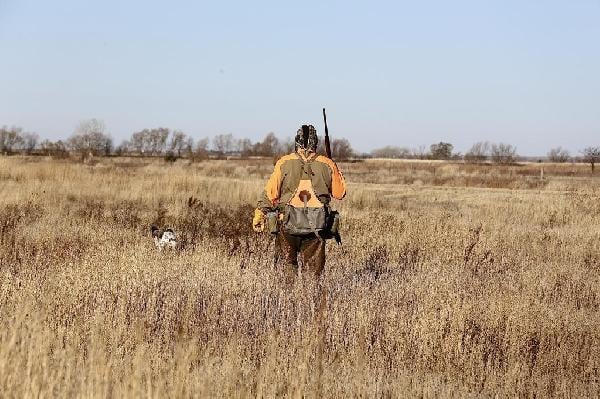
Changing Cover. Hunting Pheasants in Different Habitats.
Imagine observing roosters run ahead down rows of corn or milo until the birds reach the end of the field and then sneak into an adjoining wetland area, surrounded on one side by a golden field of short-grass prairie with brushy draws. This scenario has pheasant hunters in a variety of habitats. When hunting pheasants, cover can change over the course in a matter of minutes. Therefore, the hunting style pheasant hunters employ should reflect that. Pheasants will utilize every inch of habitat to their advantage if it helps them live another day. The court jesters of the Midwest are akin to adapting when fields get harvested or sloughs dry up. Hunting pressure pushes them out from one area to another. Hunters need to adapt to various habitats that pheasants use.
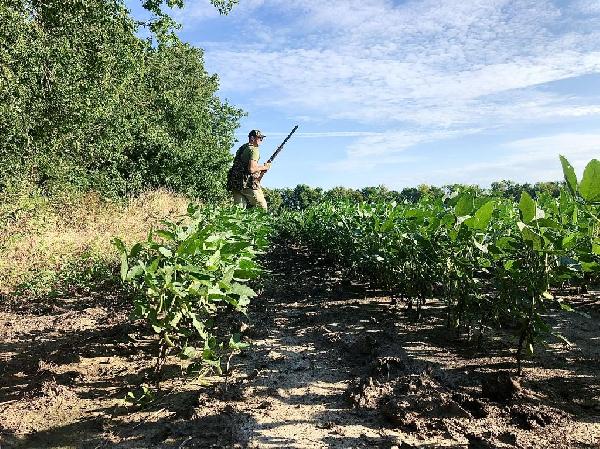
You’ve got dove problems
September 1st signals the annual arrival of dove season and the start of the upland bird season for so many bird hunters. Shooting doves is for many wingshooters, the beginning of a glorious time in the outdoors. It readies the soul for days afield to chase other feathered game in the coming months. Days prior to the dove opener, shotguns are pulled out of their cases, camo attire is selected, and lots and lots of shells are purchased. With all these preparations, several blunders will befall many dove hunters.
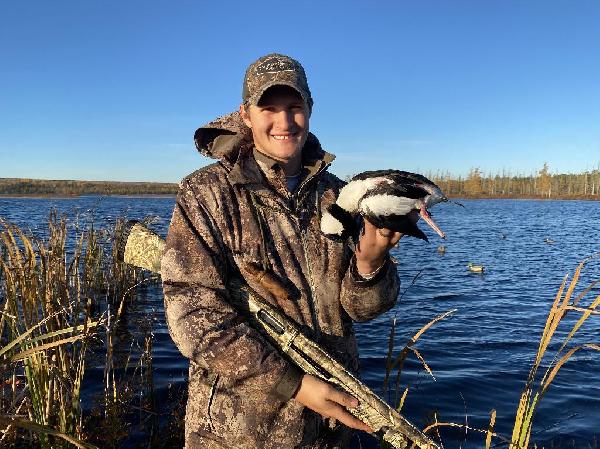
In Praise of Butterballs
It was a dazzling mid-October day. A set of blocks sat motionless on the lake's glasslike surface, the sun glistening sharply off their ridiculously bright forms. The day had been slow at best; a handful of mallards had given us a few looks early in the morning, but we had nothing to show for our efforts besides a few mosquito bites and the beginning of a sunburn.
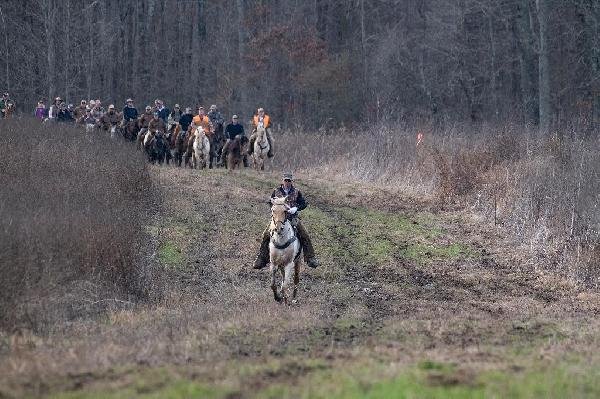
Tall Timbers: Burning Down the House
I’ve heard of folks figuring out the price tag on costs to raise wild quail, but I don’t know of anyone who has kept track of the amount of time that goes into the breeding, training and developing of a championship gun dog. Both are significant. Take that dog number, multiply it by 55, and you’ll have one heck of a lot of hours all represented in the dogs that qualified to run across 28 braces in the February 2025 National Championship for Bird Dogs held at Ames Plantation. The first brace of this 126-year old Super Bowl caliber event commenced on February 10th . The final brace ran over two weeks later on February 27, and during that time weather conditions ranged from a soggy, below-freezing 22 degrees Fahrenheit day to a 75-degree Fahrenheit sweat lodge. If you don’t like the weather in Grand Junction then wait five minutes.
Retriever Safety
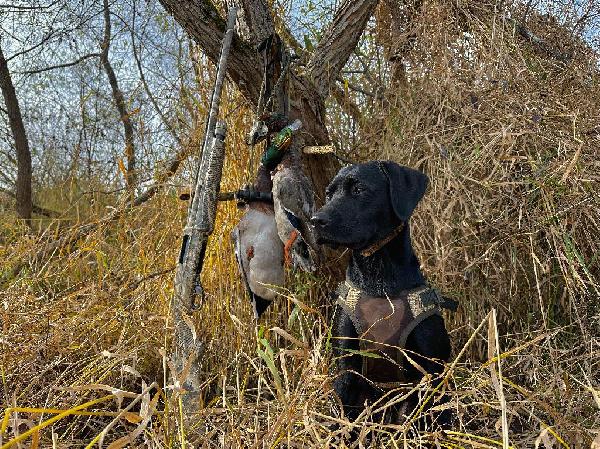
With a heave, I pulled my foot free of the thick muck, I wondered if another half mile of this was worth the trouble. The edge of this particular beaver pond seemed solid enough, but I had slogged far enough to find out that wasn’t the case. The previous day, a group of mallards were feeding on the far end of the hellish mire, and the decision was made to return with a couple dozen decoys. Behind me, my black lab was having a harder time than I was, the mud was clutching at her belly and legs, and the sharp ends of gnawed-off sticks protruded through the loamy sludge. Up ahead the mallards quacked and whistled tauntingly. Despite the temptation, I decided to turn back. To me, no duck is worth potentially injuring my dog.
Hunting Chromatic Snowbirds
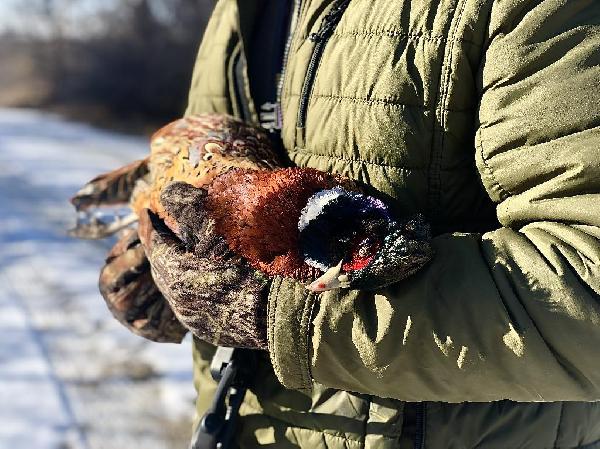
No matter when snow blankets the landscape with white powdery ice crystals, it’s prime time for bird hunters to do what it takes to get after those ring-neck pheasants. If this means layering up like the Michelin Man or donning snowshoes, then so be it. Pheasants will seek out those places that offer protection from the elements, for when the heavy snow comes, and flatten sparse cover.
Meet Gen Next
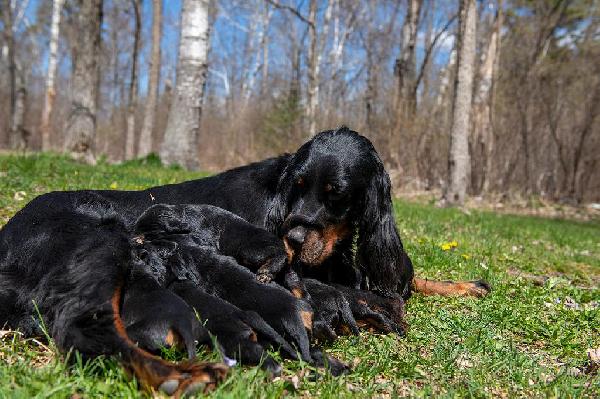
Everyone loves puppies, but not everyone likes dogs. It’s unsurprising that the same holds true in the canine world. Many adult dogs don’t care that much for puppies, and some downright despise them. Making sure that the introduction is successful isn’t just important, it’s critical. That prevailing attitude means introductions to the new member of your string requires some thought and planning. After all, you only get one chance to make a good first impression.
Read Your Dog
Just because a gun dog can’t speak doesn’t mean he’s not saying anything. Reading the dogs’ body language is key for elevating performance levels, so here are some things pro trainers look for when they cut loose their string.
Tick Check
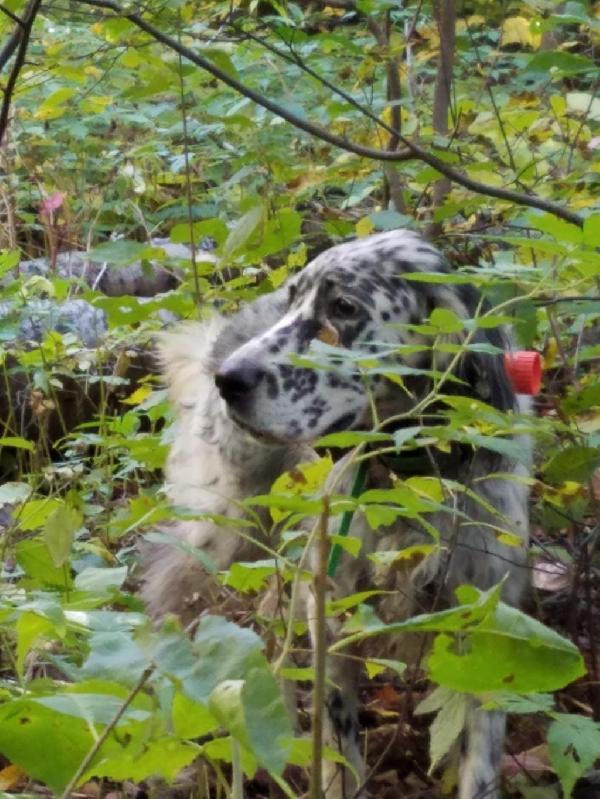
When it comes to ticks, the only thing you need to know is that they should be avoided at all costs. Nothing good comes from an association with a tick. They’ll latch on to you, your dog, your wife and kids, your horses, and anything else they can sink their grubby meat hooks into. Diseased ticks can leave you sick for the rest of your life.
Properly Command Your Sporting Dog
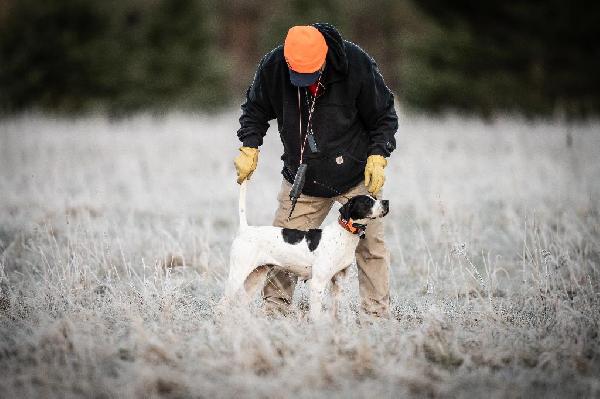
Chatter and over-commanding are two common issues between some handlers and their dogs. For some reason, nonstop talking gives some handlers a sense that they’re in control of the dog. They believe the constant communication improves the dog’s situational performance, and that somehow the chatter motivates pups to cast better or to remain more staunchly on point. But most of those commands fall on deaf ears as the dog tunes out its owner. And when it comes to bird dogs, tuning out an owner is never a good idea.
4 Ways to Stimulate Your Puppy’s Mind
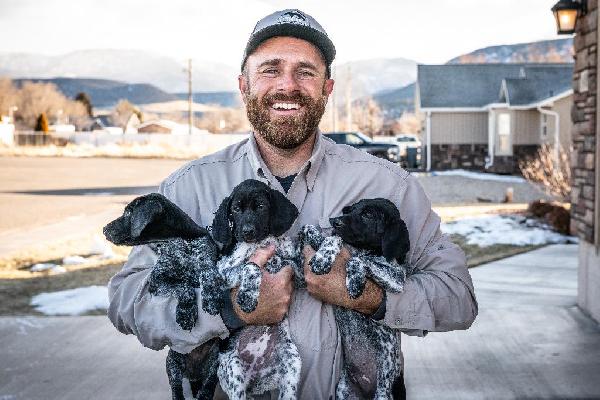
A puppy’s brain and nervous system develops rapidly, much faster than their bodies. Sporting breed puppies have a lot to learn, so here are 4 ways to help stimulate their active minds.
The Master
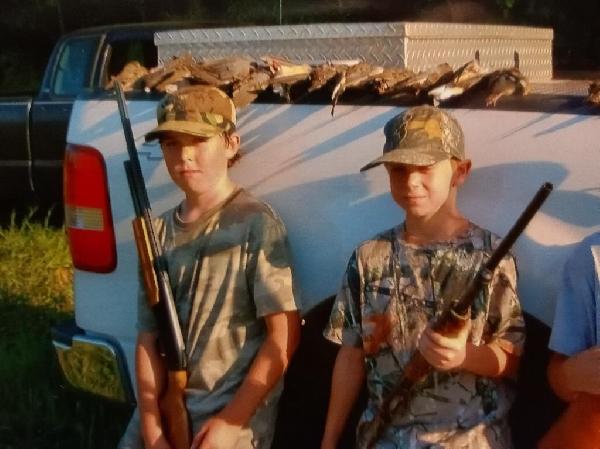
One of my earliest memories is the smell of the Hoppes gun oil my dad would use on his Sweet 16 Browning after a bird hunt. He and my uncles would tell stories of 30 coveys a day, of the “ditch bank birds”, those bobs that would provide great sport by scattering out down a line, giving the gunners an easy opportunity. Tales of limits by lunchtime and perfectly broke pointers and setters kept my interest high. Like a puppy, I wanted desperately to go with the men on a real bird hunt but was deemed too immature.
How to Help Your Dog Learn
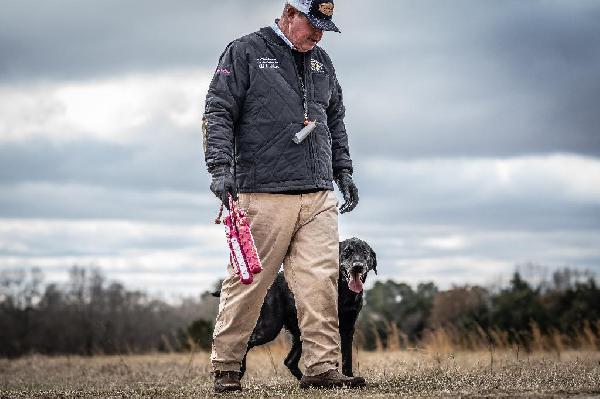
When I started training retrievers professionally in 1972, I believed that dogs needed to be worked six days a week, for at least a half hour each day. If you have a big kennel, you know that’s a lot of work. After a few years and training several hundred dogs, I wound up skipping a day or two. That’s when things started to make sense.
The Poop Scoop
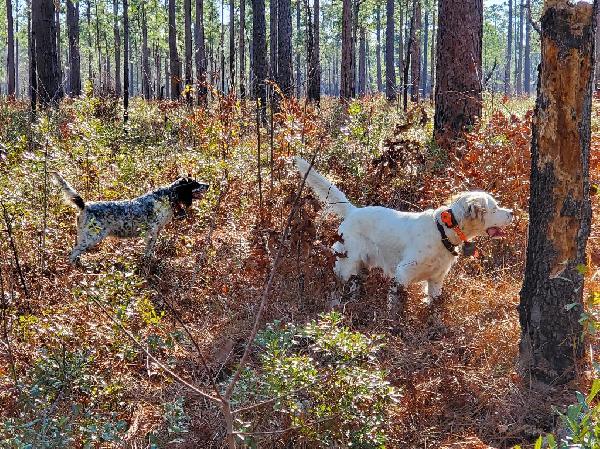
My brace of setter drifted in and out of view. Their range was typical for their shooting dog genetics, and when I couldn’t see them my focus turned to the long skeins of Spanish moss that dripped from every cypress branch. Wind gusts pulsed the moss like a summer breeze luffs weeping willow stems. On one such I could see far ahead and Cider and Bee were on point.