How to Write Hunting Dog Ads That Actually Get Calls
There’s some truth to that. A truly standout dog will eventually find the right person. But online, where buyers are scrolling through dozens ... sometimes hundreds, of listings, how you present that dog makes a bigger difference than most people want to admit.
You’re not just selling a dog. You’re selling confidence.
And that starts with the ad.
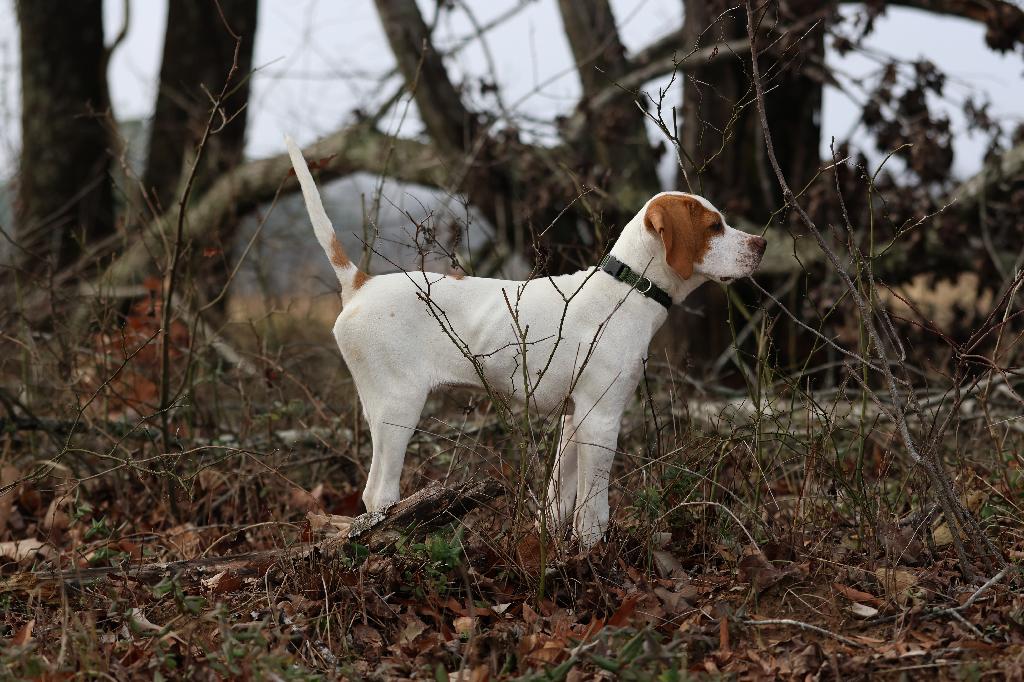
The first thing people notice isn’t your bloodline or your description. It’s the photo. If the picture doesn’t grab them, they’ll never read a word you wrote. That doesn’t mean you need anything fancy. Just a clear, honest shot of the dog. Good lighting, natural setting, dog standing right. No clutter in the background, no blurry images, no chain wrapped around its neck like an afterthought and no photos of the dog in the kennel ... put them in the field where they belong.
If you’ve got action photos ... dogs on birds, on track, or treed,that’s even better! Those tell a story in a way words can’t.
Once they click, now you’ve got a shot.
This is where most ads fall apart.
You’ll see listings that say something like, “Good dog. Needs hunting. Call for more info.” That might have worked years ago when everything was word of mouth, but today it just leaves too many questions. Buyers move on.
You don’t need to write a novel, but you do need to paint a clear picture.
Start with what the dog actually is. Age, breed, male or female, get that out of the way. Then get into what matters. What does the dog do in the field? Is it started? Finished? Still figuring things out? Be straight about it. A dog that’s “coming on” is a lot more believable than one that’s suddenly “the best you’ve ever seen.”
Hunters can read between the lines. If something sounds too good, they’ll assume it is.
And that’s where honesty works in your favor.
If a dog has a flaw, it’s better to mention it than let a buyer discover it later. This will save you from a major headache later on. Maybe it’s flagging on point. Maybe it needs more bird exposure. Maybe it’s better alone than in a pack. Those aren’t deal breakers for the right person, but surprises usually are.
A good ad doesn’t try to impress everyone. It tries to find the right buyer.
Pedigree is another place where you can either build confidence or lose it. If you’ve got it, show it. Not just big names thrown around, but something people can actually follow. That’s one of the advantages of using a structured platform like Gundog Central, you’ve got the space to present that information cleanly instead of cramming it into a sentence or two.
Then there’s the tone.
This part matters more than people think. If your ad sounds rushed, vague, or exaggerated, buyers feel that. On the other hand, a straightforward, calm description reads like someone who knows what they’ve got.
Short sentences are fine. So are longer ones, when you need them. Just talk like you would if someone called you and asked about the dog.
Because that’s the goal ... to get them to call.
Price is another piece that can either help or hurt you. Leaving it out might get you more messages, but not always better ones. Being upfront tends to filter out the tire-kickers. And if your price reflects the dog honestly, the right buyers won’t shy away from it.
One thing that’s often overlooked is follow-up.
An ad doesn’t end when you hit “post.” If someone reaches out, respond. Answer questions clearly. If they want more pictures or a quick video, send it. That extra bit of effort often makes the difference between someone thinking about it and someone committing.
Over time, your ads start to carry your name with them. People recognize how you present your dogs. They remember that your listings are clear, honest, and worth looking at.
That’s when things start to get easier.
Because at that point, you’re not just writing ads, you’re building a reputation.
And a strong reputation will sell more dogs than any headline ever could.

About the Author : Jeff Davis.
Visit authors website | View more articlesWhen I created Gundog Central, it was to help people place their hunting dogs in hunting homes. I want everyone to be successfully using the site, so l thought I'd try my hand at creating a few articles filled with knowledge and lessons I've learned over the years running this site. I'm certainly not a writer and I'm a terrible speller, and although I promise to make an effort to proofread and spellcheck these articles before I post them, you'll most likely find them riddled with grammatical errors. I don't know if I'd even really call them articles per say, more of a collection of tips and tricks to help you get the most out of Gundog Central. Tips on how to sell your dogs and tricks on how to use the site. I have no plans to write any other articles, as I have great writers already contributing content to the site. My focus with these "articles" will be geared towards helping you be successful selling your dogs and marketing your kennel and services on Gundog Central.
Related Aritlces
How to Build a Kennel That Lasts
I’ve been running Gundog Central twenty years now, I’ve seen a lot of kennels come and go. I’ve seen new kennels shows up strong, produces a few litters, builds some buzz—and then quietly disappears. A few years later, nobody remembers the name.

How to Help Your Dog Learn
When I started training retrievers professionally in 1972, I believed that dogs needed to be worked six days a week, for at least a half hour each day. If you have a big kennel, you know that’s a lot of work. After a few years and training several hundred dogs, I wound up skipping a day or two. That’s when things started to make sense.