The Italian American Job
from dark history to bright future
To understand this history more fully, we only need to look back to the 1800’s and themajor socioeconomic shift that happened then during the unification of Italy. Prior to unification, particularly in the southern part of the country, an economically depressing feudal system remained in place. This meant a handful of land barons owned huge estates where poor peasants worked the land while staying completely impoverished. With no middle class, the wealthy elite had little motivation to invest in economic development.
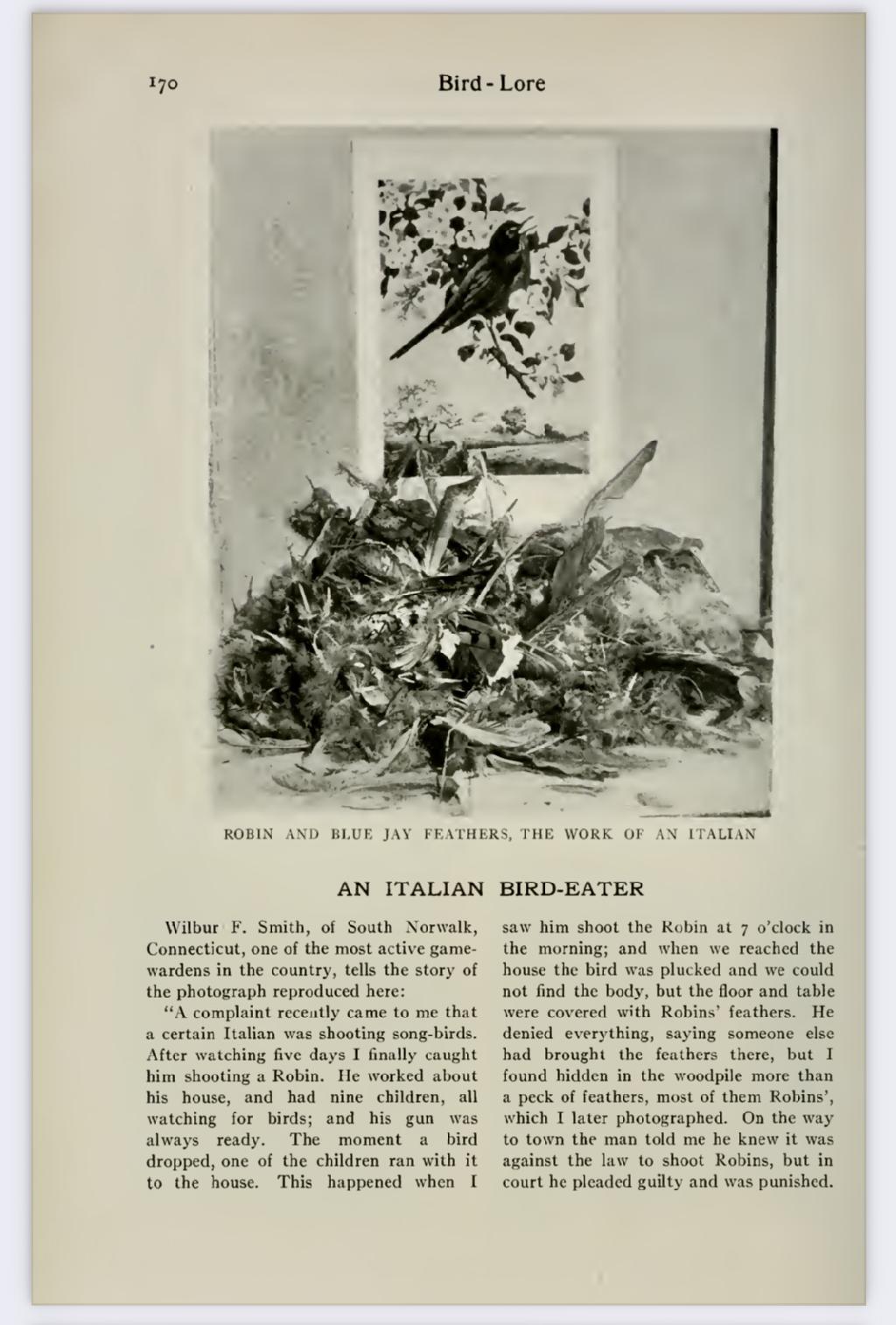
To help feed their families the peasants often resorted to poaching game on private property, usually focusing on that of least value, notably songbirds. The songbirds were a way for the poor poachers to fly under the radar of the landlord’s wrath, while still providing at least some essential protein to their table. This culture of illegal exploitation carried over, even after unification, as development remained slow and stagnant in southern Italy. That stagnation is what eventually led most immigrants to seek a better life in America. Yet upon arriving in this land of opportunity, the poor migrants only found themselves once again in circumstances where low paying, hard labor jobs left them unable to adequately support their families. Falling back on old habits they turned to poaching songbirds again to supplement their meager diets.
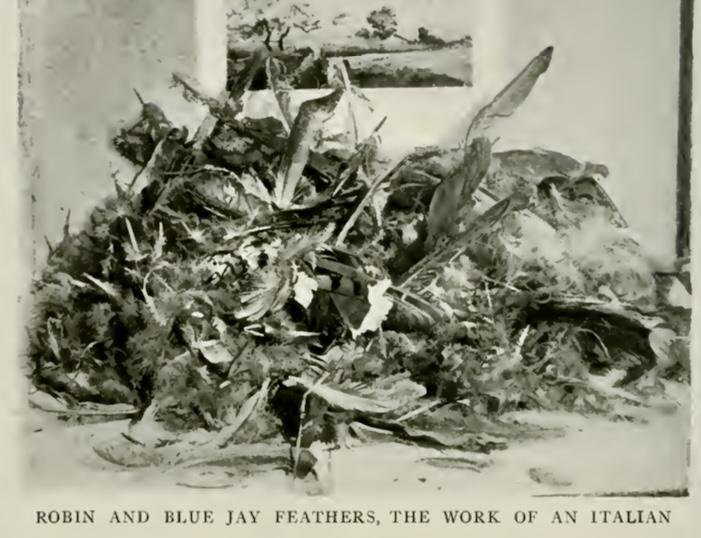
Even as they did begin to establish themselves and rise above their poverty-stricken roots, many continued to engage in their cultural tradition of poaching. Though generally able to finally put food on the table, the heritage of hunting small birds in the countryside,beyond the coal mines, factories, and crowded cities remained a relaxing and enjoyable pastime for many. Second and third generation Italian Americans have plenty of anecdotal stories of parents or grandparents cooking robins, sparrows, and other small birds. Adding the birds to rustic stews, or pots of simmering tomato sauce was not unusual, rather simply a customary practice passed down through the generations.
This led to major clashes with wildlife conservation advocates and game agency law enforcement. The famous conservation pioneer, William Temple Hornaday even wrote an entire chapter of his book, Our Vanishing Wildlife, devoted to exposing what he saw as a major threat to the North American songbird. The chapter titled, “Slaughter of Song-Birds by Italians,” was meant to denounce and condemn the actions of this specific group. Indeed, there was a definite discrimination and racial prejudice towards the European newcomers. Even so, the national attention garnered by Hornaday and others saw significant legislation eventually passed. This despite the racism, was to the enduring, mostly positive, legacy of these early wildlife advocates.
The legislation began with the same racial discrimination as the initial rhetoric, where local laws passed “forbidding unnaturalized aliens to carry or possess a gun,” as well as raising the price of a hunting license for non-citizens. Later came wholesale bans on hunting songbirds, most notably the Migratory Bird Treaty Act of 1918 which prohibited the hunting, killing, and capturing of non-game birds, including songbirds.
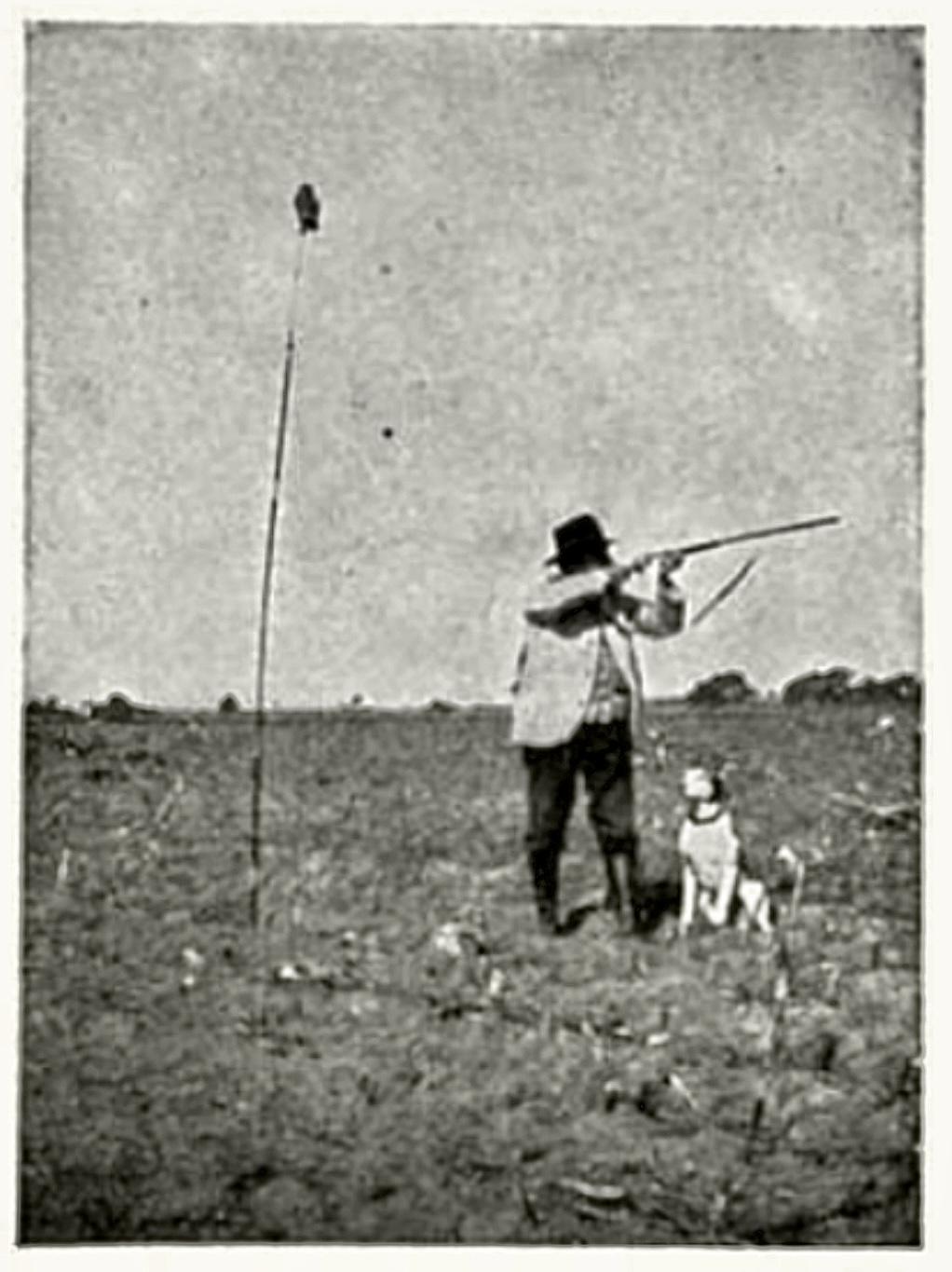
The Italian influence has not always been negative, however. Fast forward almost 100 years past the darker, less remembered history, and their more recent contributions to the American gun dog tradition is well known. The introductions of the Bracco Italiano and Spinone Italiano have led to the growing popularity of both breeds among America sportsmen and women today. Along with these fine canines, is the extremely popular Italian gun manufacturers, Benelli and Berreta. Ubiquitous in the world of bird hunting, these shooting irons have stayed favorites of many for decades.
The truth about the Italian bird hunting culture that proliferated among early 20th century immigrants is certainly not something to celebrate. However, the remnant of their historical hunting heritage has proven positive overall. Their love of bird hunting, deep passion for wild table fare, wonderful dog breeds, and gun manufacturers, are all still worth celebrating. In the end, our ancestors, left us with more good than bad. Their Italian American Job may have begun with an illicit origin, defendable though it may be. But as the story continues, we can be thankful for the beneficial contributions and positive legacy that endures.

About the Author : Johnny Vesper
Visit authors website | View more articlesJohnny Vesper is a husband, father, and writer from Pennsylvania. He is also a hunter,
angler, and generalist outdoorsman, including processing and cooking wild game, and
foraging wild foods. He describes his writing as an exploration of the intersection between
humanity and the outdoors. He is particularly passionate about conserving public land,
wildlife, and wild places, along with preserving sporting culture and lifestyle.
Related Aritlces

A New Grouse Hunter
Sam Scales had just sold his AI Startup to a consortium of Private Equity firms for $1 Billion (his share) and embraced a new-to-him sport: Ruffed Grouse Hunting. He brought to it the same intensity he had to the Startup. He was a math genius with a photographic memory and a control freak, traits that did not equip him for easy companionship. But one trip into Maine abandoned-farm country, where he saw one grouse rise and fall to the shot of his host, hooked him.

A Jam Up Hunt
It was going to be a good day. You could feel it. My son Steven and I were hunting for woodies on our favorite beaver pond. As we put our canoe in the water the temperature hovered around freezing as a light rain begin to drizzle on us. Perfect conditions for ducks!

Tall Timbers: Burning Down the House
I’ve heard of folks figuring out the price tag on costs to raise wild quail, but I don’t know of anyone who has kept track of the amount of time that goes into the breeding, training and developing of a championship gun dog. Both are significant. Take that dog number, multiply it by 55, and you’ll have one heck of a lot of hours all represented in the dogs that qualified to run across 28 braces in the February 2025 National Championship for Bird Dogs held at Ames Plantation. The first brace of this 126-year old Super Bowl caliber event commenced on February 10th . The final brace ran over two weeks later on February 27, and during that time weather conditions ranged from a soggy, below-freezing 22 degrees Fahrenheit day to a 75-degree Fahrenheit sweat lodge. If you don’t like the weather in Grand Junction then wait five minutes.