Spaniel Bird Dogs
Small Packages, Big Heart in the Uplands
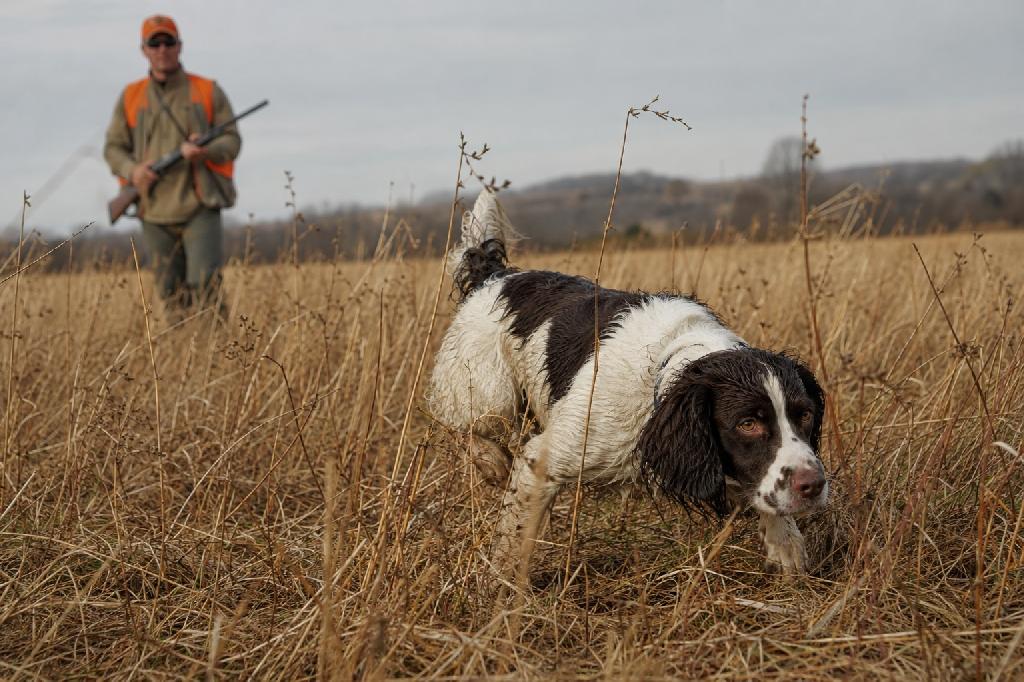
Unlike pointing breeds that freeze on scent, spaniels are flushers. Their job is to work within gun range, push through cover, locate birds, and force them into the air. It's a fast-paced style of hunting that keeps both dog and hunter actively engaged. For many upland hunters, there's nothing quite like watching a spaniel disappear into thick cover only to erupt a covey of quail or flush a rooster pheasant at your feet.
The English Springer Spaniel: The Classic Flusher
Among flushing breeds, few dogs have earned a stronger reputation than the English Springer Spaniel. For decades, springers have been a favorite among upland hunters thanks to their combination of intelligence, trainability, and relentless work ethic.
Springers typically hunt in a sweeping quartering pattern, moving back and forth across the hunter's path while staying comfortably within shotgun range. Their natural desire to work with their handler makes them highly trainable, and many hunters appreciate their willingness to follow direction without constant correction.
In the home, springers tend to have a calm, affectionate side that contrasts sharply with their intensity in the field. They are equally comfortable retrieving pheasants in a South Dakota cattail slough as they are lounging beside the family after a day afield. Their versatility and balanced temperament explain why they remain one of the most popular flushing breeds in North America.
The English Cocker Spaniel: Small Dog, Endless Drive
At first glance, the English Cocker Spaniel may seem too small for serious bird hunting. Spend a day behind a good field-bred cocker, however, and that assumption disappears quickly.
Field-bred English Cockers are known for their incredible energy, determination, and fearless approach to heavy cover. They seem to attack brush piles, briars, and thick grass with little concern for their own comfort. Their compact size often allows them to slip into places larger dogs struggle to penetrate, making them particularly effective on quail, woodcock, and grouse.
Many hunters also praise the breed's retrieving instincts and cheerful personality. Cockers tend to form strong bonds with their owners and often bring a sense of excitement and humor to every hunt. While they generally require more daily activity than some other spaniels, their enthusiasm is part of what makes them so enjoyable to own. Field-bred cockers differ significantly from show-bred dogs, with generations of selection focused on hunting ability, stamina, and bird-finding instincts.
The American Cocker Spaniel: An Underrated Hunter
The American Cocker Spaniel is often viewed primarily as a companion dog, but its hunting heritage should not be overlooked. In fact, the breed's roots are firmly planted in the sporting world.
While modern American Cockers are commonly found in homes and show rings, dedicated breeders continue to maintain hunting lines that excel in the field. These dogs typically work more methodically than their English cousins, carefully covering ground and thoroughly investigating likely bird-holding cover.
Hunters who work with American Cockers often describe them as determined trackers with remarkable noses. They may not cover ground as quickly as larger flushing breeds, but their thoroughness can pay dividends on difficult birds. Off the field, they remain affectionate companions that fit comfortably into family life.
The Field Spaniel: The Forgotten Sporting Spaniel
The Field Spaniel is one of the lesser-known members of the sporting group, but hunters who have spent time behind one often become devoted fans. Developed in England during the 19th century, the breed was originally intended to bridge the gap between larger springers and smaller cockers.
Field Spaniels are methodical hunters. They tend to work at a moderate pace, carefully covering ground and using their excellent noses to locate birds hidden in dense cover. While they may not display the explosive intensity of some flushing breeds, they make up for it with persistence, intelligence, and a thoughtful hunting style.
Their moderate size makes them well-suited for a variety of upland situations, from grouse woods to pheasant fields. They are also capable retrievers and willing water workers when properly trained. Outside the field, Field Spaniels are known for their gentle temperament and strong bond with their families. For hunters looking for a versatile companion that excels both in the home and afield, the Field Spaniel remains one of the sporting world's best-kept secrets.
The Clumber Spaniel: Power Over Speed
At the opposite end of the spectrum sits the Clumber Spaniel, the largest and heaviest of the spaniel breeds. With their substantial bone, deep chest, and distinctive white coat accented by lemon or orange markings, Clumbers are impossible to mistake for any other sporting dog.
Unlike the fast-paced style of many flushing breeds, Clumbers work deliberately and efficiently. They move through cover with a determined, almost relentless approach, using their exceptional scenting ability to locate birds. Their slower pace can actually be an advantage in thick cover where thoroughness often matters more than speed.
Historically, Clumber Spaniels were favored by British nobility for driven bird shoots, where their ability to methodically push game from dense cover was highly valued. Today, they remain uncommon in North America, but hunters who appreciate a calm, steady dog often find them appealing.
Clumbers are also known for their easygoing personalities and trainability. While they may not possess the endless energy of an English Cocker or Springer, they bring a level-headed demeanor and remarkable determination to every hunt. For hunters who prefer a measured pace and a dog that works every piece of cover thoroughly, the Clumber Spaniel offers a unique alternative among flushing breeds.
The Boykin Spaniel: The Southern Specialist
Developed in the swamps and river bottoms of South Carolina, the Boykin Spaniel was bred to be a versatile hunting dog capable of handling everything from ducks to wild turkeys.
Today, Boykins continue to gain popularity well beyond their southern roots. Their moderate size, strong retrieving instincts, and willingness to work both upland birds and waterfowl make them attractive to hunters seeking a true do-it-all dog.
Boykins typically hunt at a steady pace, working within range while using both scent and sight to locate birds. They are known for being highly social dogs that thrive on human interaction, making them excellent family companions as well as capable hunting partners. Their distinctive brown coat and cheerful personality only add to their appeal. Many upland hunters appreciate having a dog that can chase pheasants in the fall and retrieve ducks from cold water the next morning.
Choosing the Right Spaniel
No single spaniel is perfect for every hunter. The best choice often depends on the type of birds you pursue, the terrain you hunt, and the lifestyle you lead outside of hunting season.
Hunters looking for a highly trainable, versatile flusher often gravitate toward the English Springer Spaniel. Those who prefer maximum drive and intensity in a smaller package may find the English Cocker Spaniel impossible to resist. Hunters wanting a smaller family companion that still retains hunting ability may appreciate the American Cocker Spaniel, while sportsmen seeking one dog for both upland birds and waterfowl frequently find themselves drawn to the Boykin Spaniel.
What all spaniels share is a passion for the hunt and a desire to work closely with their handler. They may not cover the horizon like a pointing dog, but they offer something equally rewarding: a close partnership that keeps hunter and dog working together every step of the way.
For many upland hunters, that's exactly what makes a spaniel so special.
Related Aritlces
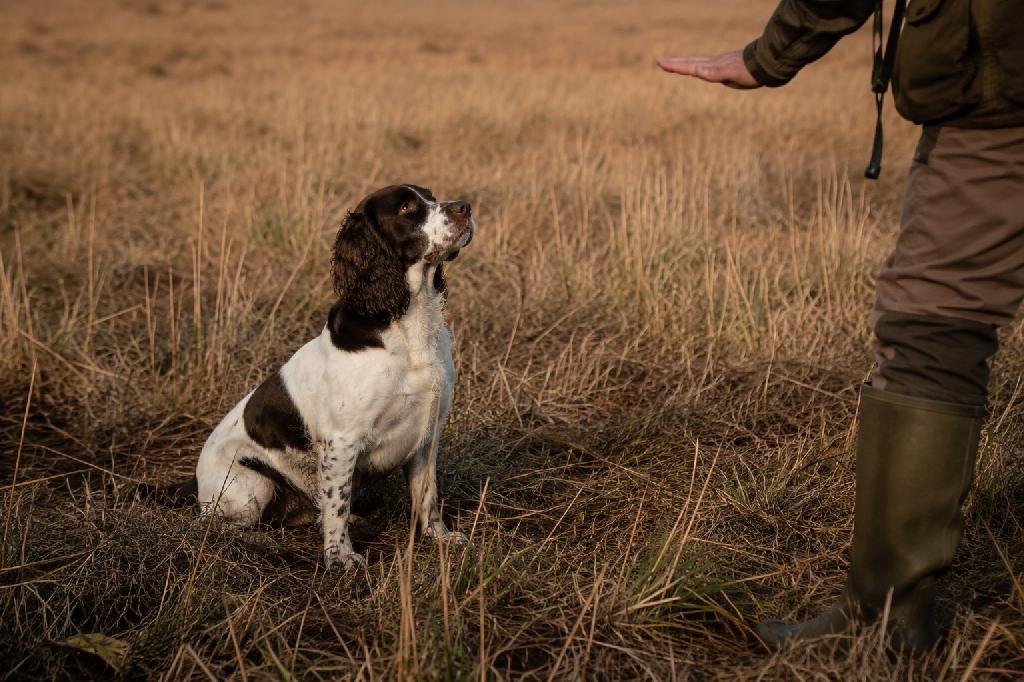
Hup or Sit?
If you've spent any time around working English Cockers, you've probably heard handlers use the word "hup" almost as often as they use a whistle.

Field Cocker Madness
The brace of pointers was stunning, and they were locked up on the edge of one of the thickest patches of greenbriar I'd ever seen. The tangle was so dense it resembled unfurled rolls of concertina wire. A little cocker named Rip didn't care, for when he was cut loose, he snaked his way through that mess with more moves than a belly dancer. I'd I couldn't see him, but to know where he was I just needed to see which section of greenbriar was shaking. When the dog locked on his target, a covey of wild quail exploded. They believed if they held their ground they'd never have to leave. How wrong they were.