Amazing Facts about a dogs sense of smell
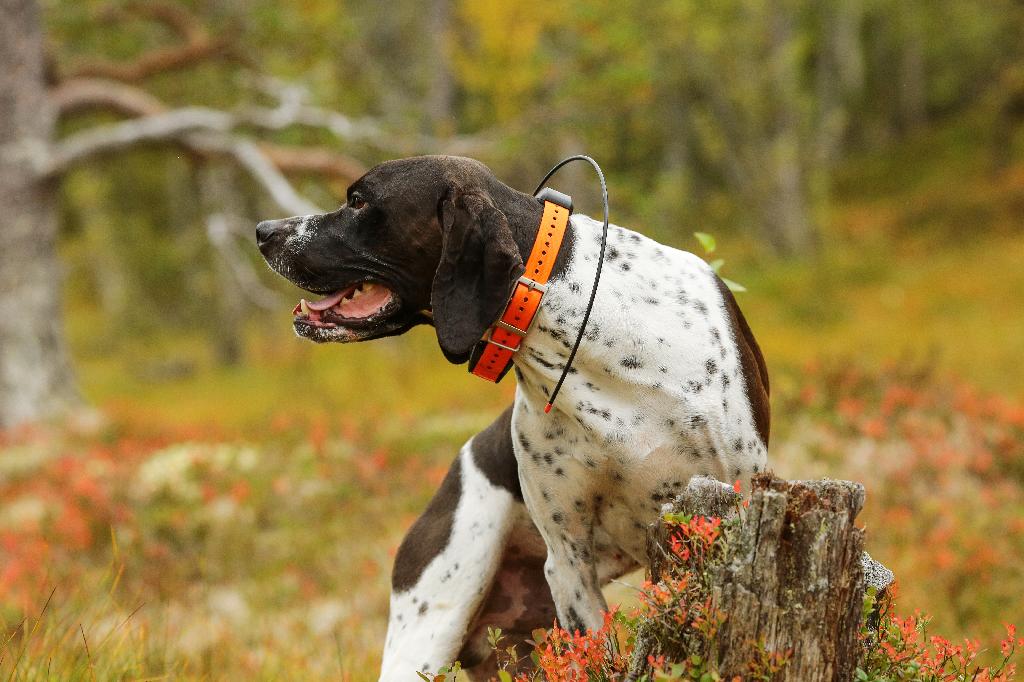
1. A dog's sense of smell is really strong
It's been reported that our canine friends have detected smells from over 12 miles away. It is a very impressive trait, especially in hunting breeds that track of their prey by sense of smell. Hunting dogs will detect and follow sense trails, sometimes days old, to find prey. The dog's nose contains 300 million receptors, allowing them to have a great sense of smell that is 10,000 to 100,000 times better than ours. The smelling ability can even improve over time when the dog is allowed to use it.
2. A dog can detect underground scents
While hunting, you will often see dogs sniffing the ground, which is a strategy to catch the scent of another animal. The scent on the soil can help them get information about the tracks of an animal, especially if they were wounded and spilled blood. Hunting dogs can smell up to 40 feet underground and, on catching this scent proceed to follow it.
3.Your dog can smell all sorts of invisible things
It is common to find dog owners talking about dogs sniffing the air for things they don't notice. Shredded skin cells can be sniffed up by dogs which would be impossible for humans to pick up. For this reason, hunting dogs use the same ability to determine the scent of animals far away and the environment.
4. Dogs send scented messages through peeing
Most dogs use urine to mark their territory and send messages through their urine. As a result, your furry friend will often sniff the ground and urinate, sending messages to other dogs. They can tell what other dogs have been in a particular environment and interpret the message left there. So please don't get annoyed when your canine counterpart sniffs everything during a walk. Let him get to know the neighborhood and all its gossip.
5. Your dog can detect diseases
With their famous sense of smell, trained dogs can sniff out certain medical conditions. They can detect prostate, breast, and lung cancers by smelling the body's slight hormonal and chemical changes. Also, changes in the metabolism create subtle odor differences. Medical dogs can detect this scent and warn their owners of low blood sugar and the onset of epileptic seizures.
6. A dog can smell your emotions
Dogs are regarded as unique animals because of their ability to interpret emotions. Our canine counterparts can detect feelings of fear or anxiety, sadness, and even happiness by sensing different chemical scents released by our bodies. Thus, through this ability, they can smell the change in a persona and almost predict their next move.
Those are some interesting bits that a dog's sense of smell can do. You can see how important it is, especially for hunting dogs, in the aspect of smelling ability. Through tracking and interpreting the different scents, hunting breeds are a good choice when you want to make your kill.
Related Aritlces
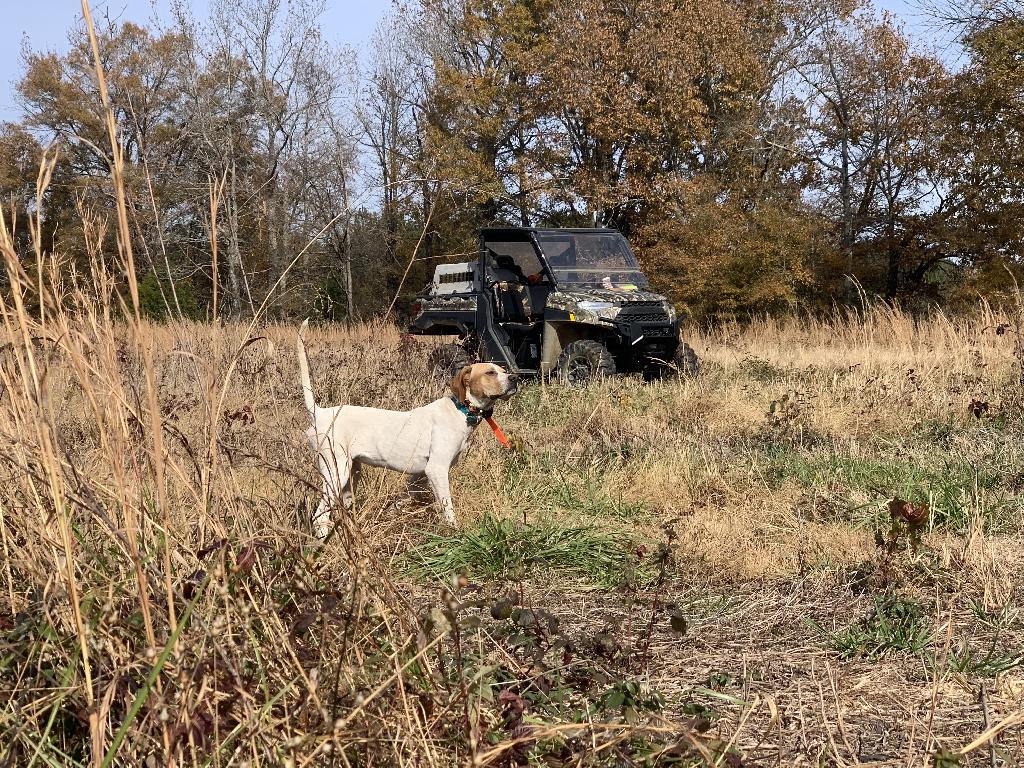
Comparing Performance Metrics of Bird Dogs by Gender
If you ask any bird-dog enthusiast what they look for when choosing a future upland dog and hunting companion, you are bound to get a wide array of advice. Many bird-dog enthusiasts favor specific breeds and bloodlines that align with the species of upland game they pursue or the hunting methods they use (i.e., walk hunting vs. horseback, etc.). When selecting puppies, they may favor certain mannerisms, such as boldness vs. timidness, or with a preferred conformation or coloration. Most enthusiasts also prefer a specific gender—male vs. female.

Featured Breed of the Week : Weimaraner
Looking for the perfect hunting dog that's built for endurance, and great speed? Dog breeds with a high alert demeanor, great stamina and grace are highly sought after. Why? They help hunters track prey such as game birds and deer.
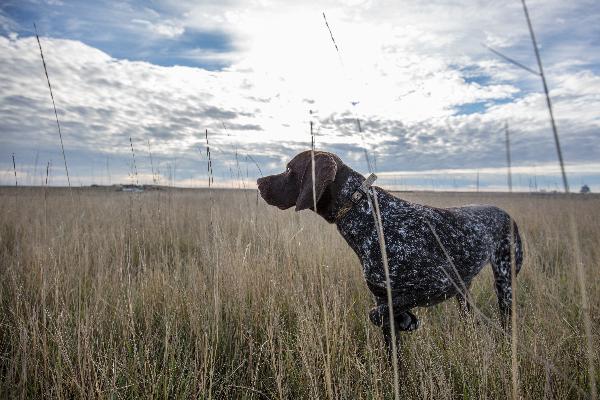
Featured Breed of the Week: German Shorthaired Pointer
The German shorthaired pointer is an all-purpose dog. It can track, point and retrieve game. The overall picture of a German pointer is that of a well-balanced and symmetrical animal.