Featured Breed of the Week: German Shorthaired Pointer
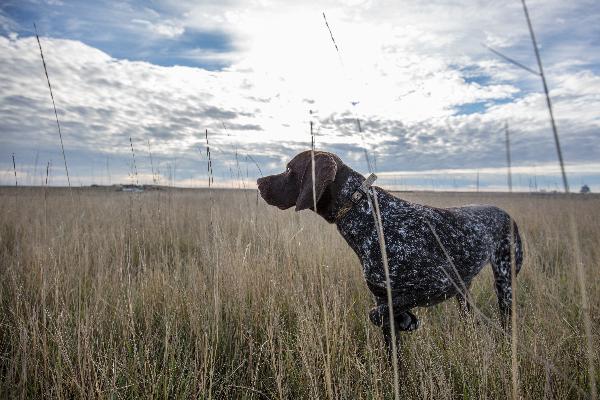
This indicates endurance, agility, and intelligence. Neither small nor large, the German shorthaired pointer is the proper tracker and hunter. Did you know that the German shorthaired pointer is a great family dog as well?
They are affectionate and loving but rambunctious too. As such, some experts recommend not having them in households with children under 7 years.
Want to know more about the German shorthaired pointer history?
Read on!
History of the German Shorthaired Pointer
The German shorthaired pointer has an interesting history. What Americans refer to the German pointer, in Europe, it's referred to as Deutsch Kurzhaar. The kurzhaar is a German word meaning short hair.
As with most dog breeds, the origin of the German pointer is not clear. Some historians believe that the breed descended from the German Bird Dog. Others believe that it descends from the Arkwright Pointer.
What we have confirmed from our research is that the modern German pointer descended from the Old Spanish Pointer and Hannover Hound.
Breeding of the German Shorthaired Pointer
The ancestry of the German pointer starts in the 13th century. Back then, Europeans used various hunting and pointing dogs to locate and track game. They did use them to retrieve game too.
The German pointer is a cross between the Old Spanish Pointer and the Hannover Hound. By 1800, they refined with the introduction of the English pointer. As such, the German pointer developed the utility and elegance it possesses.
Today, it has become a proficient hunting dog and performs well as an all-round dog. Both in the field and the water. Apart from long life, they have a wonderful temperament.
The cross-breeding of the Hannover Hound and Old Spanish Pointer was due to the changing hunting scene in Europe. In the early 19th century, the European hunter could not afford a large kennel of dogs.
Since it was the dawn of the industrial age, the middle-class hunter preferred the sporting gun. To improve his hunting game, the new hunter needed a single dog. The dog should be able to track, point and retrieve game.
In fact, it's supposed to track and retrieve all kind of game - bird, boar, and hare among others. Also, the new dog should serve as a companion at home. From this long list, the German dog breeders set out to create the perfect all-purpose hunting dog.
The breeding gave birth to the German Shorthaired Pointer.
Apart from the German Shorthaired Pointer, other breeds include:
Weimaraner
German Wirehaired Pointer
German Longhaired Pointer
France and Hungary bred pointers for the same purpose.
The Old Spanish Pointer
As the ancient ancestor of the modern German Shorthaired Pointer, the Old Spanish Pointer is a liver and white dog. Its offspring were crossed with the St. Hubert Hound. This breed had a cold trailing ability.
After breeding the offspring, the results were completely satisfactory. This motivated the breeders to continue to improve style, stance, and scent.
To achieve this, breeders brought pointers from England. By 1872, they were able to produce the perfect all-purpose dog which they could register with the German Kennel Club studbook.
Introduction of the German Shorthaired Pointer in America
Dr. Charles R. Thorton, an avid hunter from Montana introduced the German Shorthaired pointer in America. Following his father teachings, "a dog is worth keeping for what it can do and not how it looks," he imported the breed.
This is after reading an article in a magazine describing a unique breed of German hunting dog. The article was in a 1925 magazine. After reading the article, he became excited. In the article, the writer described the breed as follows "a dog that did it all: pointing, flushing, tracking and retrieving."
Several months after reading the article, the first German Pointer arrived in Missoula, Montana. In 1925, the dog gave birth to seven puppies. This was the first litter of German Pointers to be born in America.
Word spread around among American hunters and sportsmen about an all-purpose dog. As such, the breed gained a strong foothold in America.
In 1930, the first German Shorthaired Pointed to get registered by the American Kennel Club was the Greif vd Fliegerhalde. In 1938, the founding of the German Shorthaired Pointer Club of America occurred. They helped in the adoption of a breed standard in 1946.
The Modern German Shorthaired Pointer
The characteristics of a German Pointer are as follows:
Clean cut head
Muscular nape
Sloping and muscular shoulders
Short and thick hair
Strong and muscular thighs
The German Pointer can grow and reach 21 to 25 inches in height. It can weigh 45 to 70 pounds. The coat is waterproof with short and dense hair. As such, the dog can track and retrieve game in water.
When it comes to colors, the German Pointer comes in many colors and patterns. You have reddish-brown/liver, liver and white spotted, liver, white-spotted and ticked. Other colors and patterns include solid black, black and white with similar variations.
For a roan dog, the skin is blue/gray while for a white dog it's pink. The coat has patches, covered with black hairs and white background. For others, they have a solid patch.
#germanshorthairedpointer
Related Aritlces

Featured Breed of the Week : Weimaraner
Looking for the perfect hunting dog that's built for endurance, and great speed? Dog breeds with a high alert demeanor, great stamina and grace are highly sought after. Why? They help hunters track prey such as game birds and deer.
Best hunting dog breeds for upland hunting
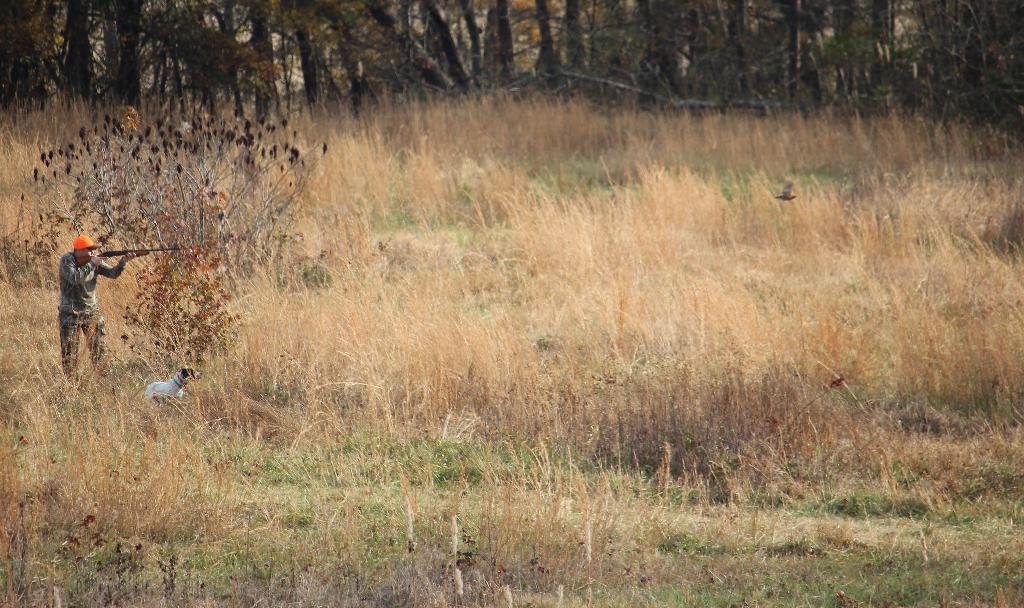
There are several dog breeds that excel in upland hunting, and the best breed for you depends on your specific preferences and hunting style. Whether you’re flushing bobwhite quail in the piney woods of the Southeast, chasing sharp-tailed grouse across the grasslands of the Northern Great Plains, stalking ring-necked pheasants in the grain fields of the Midwest, pursuing chukar in the rocky terrain out West, or hunting ruffed grouse and woodcock in the dense young forests of the Great Lakes region, each breed is tailored to a different type of hunt. Finding the right one for your hunting situation can be key to success in the field.
The Great Debate: Pointing or Flushing Dogs for Quail
My wife said I winced when we pulled up to the only game in town. It was an old motel of a vintage that reminded me of the Golden Era of travel by car. Over the years families probably over-nighted here while on their way to any one of a number of the nearby wild quail Valhallas. No visible capital improvements had been done for a long time, at least I couldn't see any renovation. The 30-some-odd rooms looked sad while the adjoining restaurant and tavern was booming.