The Great Debate: Pointing or Flushing Dogs for Quail
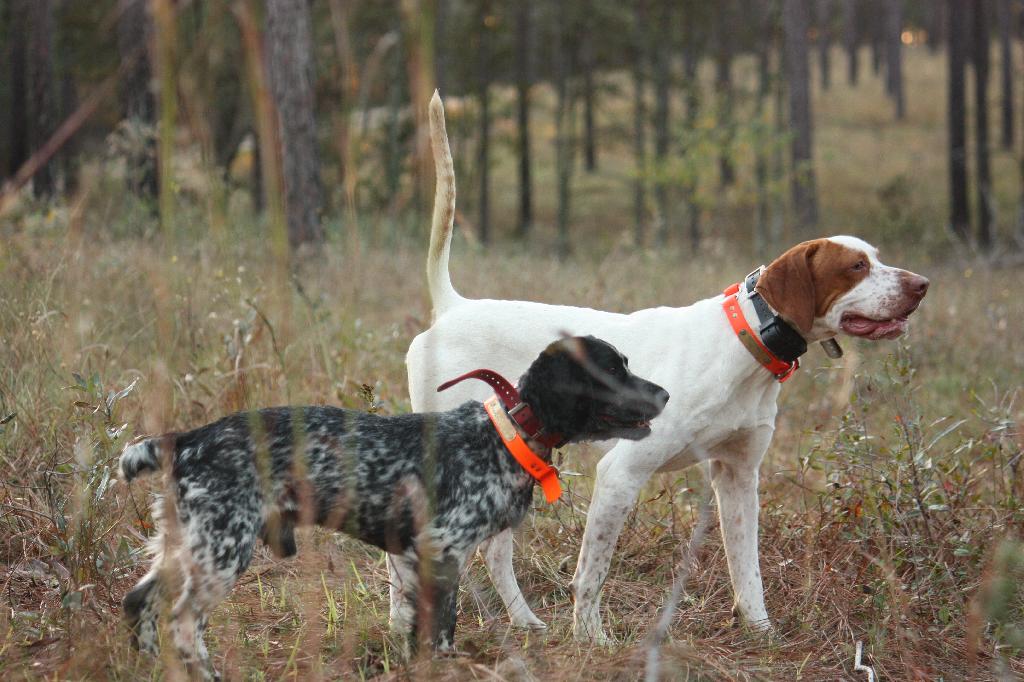
Pickups with dog boxes were lined up like an infantry before a parade. We were in quail country, a remote part of the world that the rest of civilized society had long since passed by. The trucks were dusty, the dogs were tired, and when I peered through the cages I saw dogs from many different breeds. There were pointers, springers, shorthairs, Brits, labs, and field cockers. My breed of choice, the English setter, was unrepresented. Even though I had four, I knew I'd take a ribbing later on at the bar. Perhaps that was why my wife said that I winced.
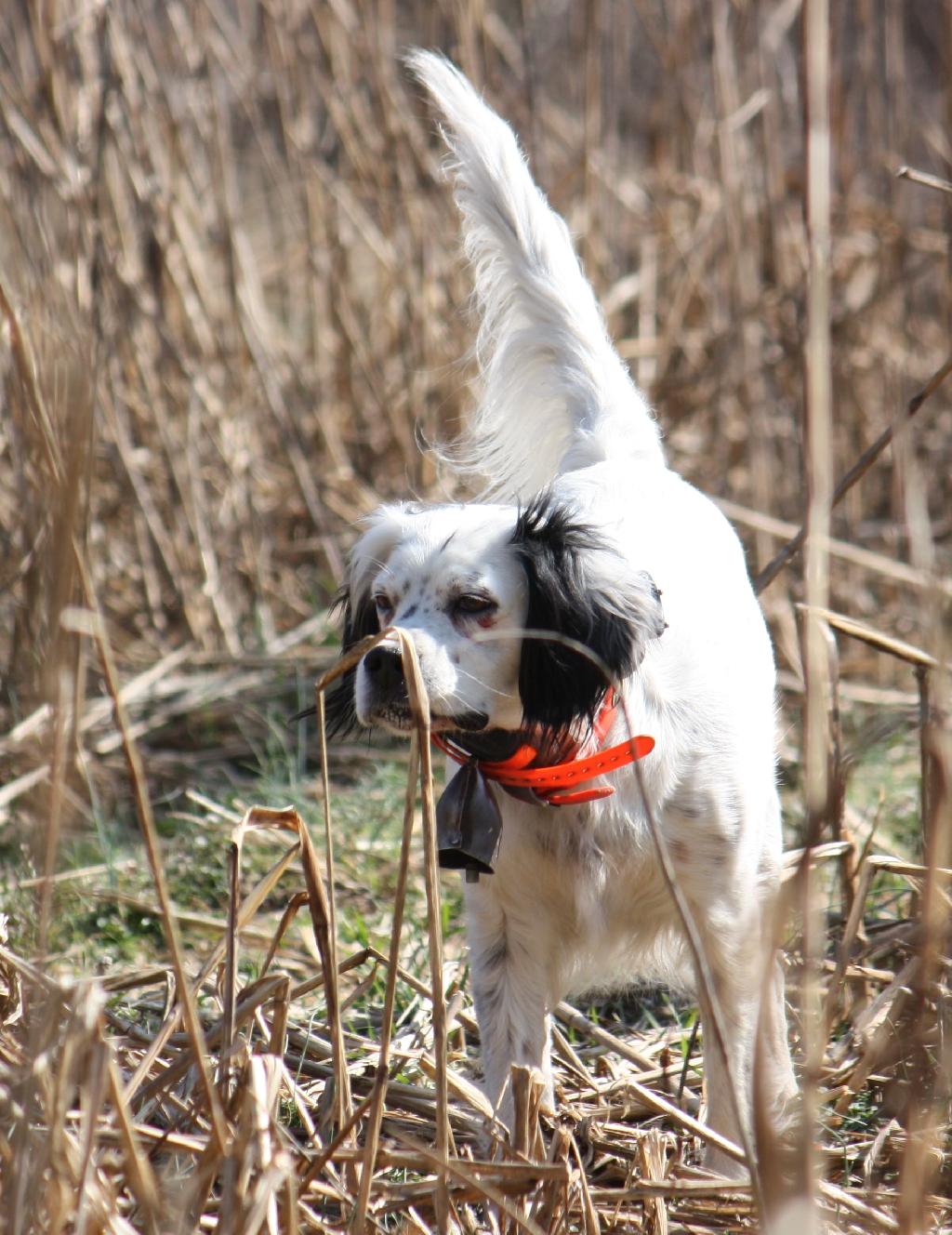
The folks out in this mid-west quail country didn't much favor Professor Longhair because of the required post-hunt cleanup. Long, shaggy hair that adds insulation and briar and thorn protection in my Northern grouse woods is a liability down here. I shave my dogs to keep 'em cool when it's hot, and no matter how much of a high-and-tight I give them I factor in at least a half-hour per dog clean up time. Cold beer tastes just as good while combing out a dog as it does while catching a game.
What it comes down to, and the dog boxes said it best, is that there is a great debate when it comes to pointing or flushing dogs for wild quail. Let's see what some hard-cores think.
Oklahoma's James Dietsch, the Founding Chairman of the Central OK Chapter of Quail Forever hasn't always had breed myopia. That said, he's currently a Brittany man. "My first dog was a Brit that my father and I got in 1971. We got that pup from Delmar Smith, and she had two characteristics we look for in a quail dog. The first was that she had a great nose. I like the intensity of a pointing dog, particularly because when a dog goes on point I can properly position myself for a shot. The second was that she was an excellent retriever. She didn't mind if a bird fell in a field of soft grass or smack in the middle of a thicket. She'd pick up any bird from anywhere.
"Later in the 1970's I wanted to try a flushing dog so I gave an English springer spaniel a shot. Where I hunt in the Midwest there are a lot of plum thickets, sage brush and tumbleweed. Wild quail, particularly those that have been pressured in the public land I hunt, put on their track shoes and run a good bit. I wanted to try a flushing dog to see how they worked particularly on running birds. I was really impressed, for my springer had a knack of getting in front of the running coveys and keep them contained. Our positioning improved which meant that we'd get good, close shots.
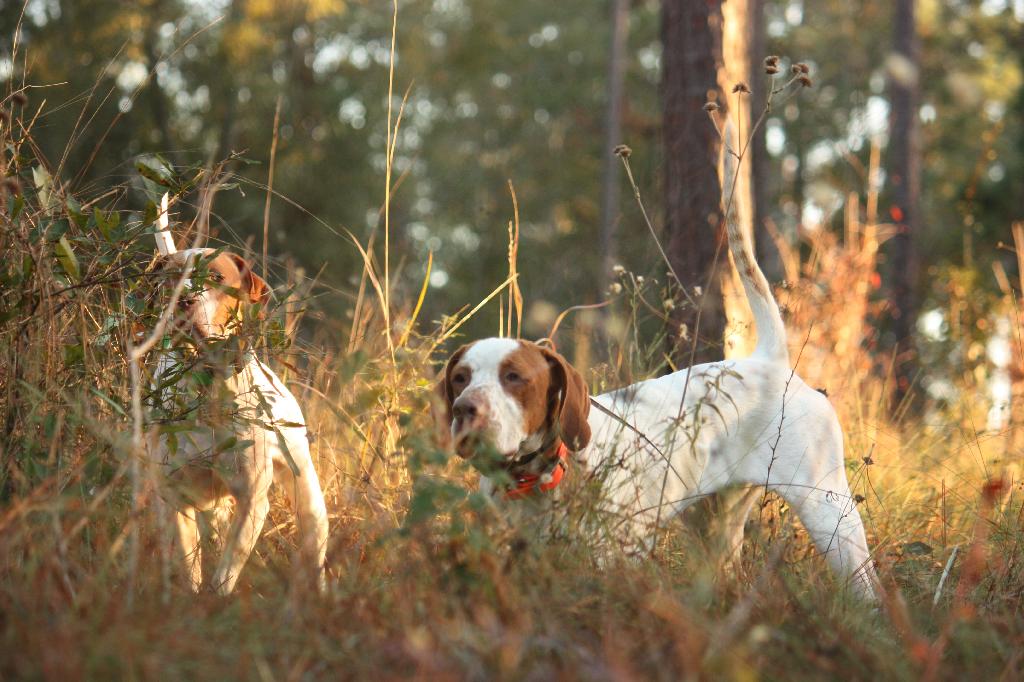
"I switched again in the 1980's, and this time I favored a mixed-kennel of pointers and setters. Bird populations were erratic back then, and I needed to cover more ground to find the coveys. My pointers and setters ran big, and that meant we were able to find more birds during the years when they were few and far between.
"The more things change, the more they stay the same, and I ultimately arrived back with Brittanys. For the terrain and pace in which I hunt the Brittany best suits me. Now that there are lots of birds around I don't necessarily need a big running dog. And since I have a pointer, I'm sort of thinking about adding a springer to the mix. I think it'd be ideal to get a point from my Brits and then release a springer for the flush and retrieve. I've been hearing a lot of praise for the English Field cockers, and I'm considering one, too."
Robert Milner, the original founder of Wildrose Kennel and the current owner of DuckHill Kennels reintroduced the British Labrador as well as the English Field cocker to the United States. To his mind, flushing dogs excel for hunting a tremendous number of upland birds from Ruffed grouse to pheasant to woodcock and quail. "Flushing dogs, and in particular Labs and cockers, are very trainable," he said. "By nature they are thorough and deliberate dogs. The issue with big running pointing dogs is that they'll cover a lot of ground. Add a running bird to the mix and hunters naturally have a foot race on their hands. The result is that the pheasant get pushed far outside of gun range which is why many hunters don't get kill shots. Successful pheasant hunters know that it's not about how much ground a dog will cover in a day; rather, it's about how successful and thorough they are in covering the ground they are hunting.

"This fact is particularly important when hunting public land where birds are heavily pressured. On Opening Day, birds hold tight and the ones that do are culled from the population. But after frequent dog contacts, all birds learn how to escape. A close-working dog can root out hiding or sitting birds very easily, and when they do they present hunters with good, clean shots.
"Throughout my 40 years of experience, hunter success comes from two easy handling methods. The first is recalling your lab or cocker when they are working at about 15 yards. In doing they'll learn to work closely and thoroughly at a normal and regular distance. The second is to teach them to sit-to-flush. Keeping flushing dogs from leaping into the air gives hunters better shots, and that discipline keeps dogs out of harm's way."
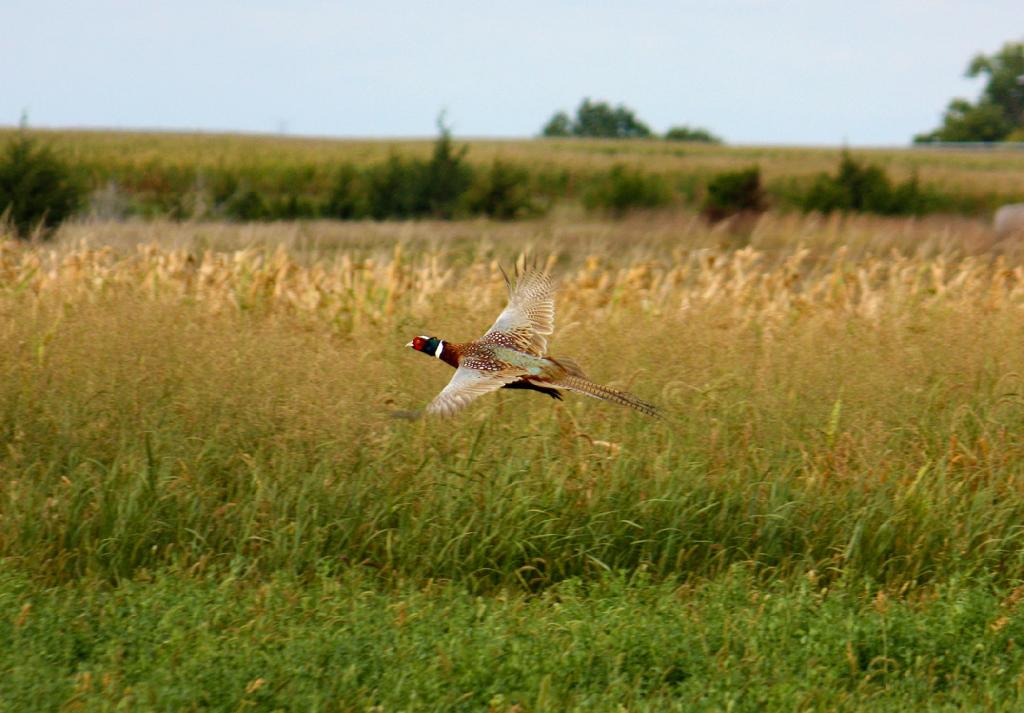
But in this changing world, what if you want can't make up your mind? Or maybe you want both? Jeremy Criscoe, the Head Trainer at Florida's Blue Cypress Kennels and a Eukanuba Sporting Dog Pro, used the pointer/flusher combination on wild quail in Florida, Georgia and in Texas. "My grandfather bred, trained, and campaigned shorthairs, so I'm a big fan of that breed. These days I'm running a lot of pointers due to our large tracts of land and extreme heat. After the covey is pointed I use British Labrador retrievers as strike dogs. I like the labs because they have natural game finding abilities and can handle any kind of training pressure. They have great noses and bird smarts, and they carry their heads lower which increases their scenting abilities. I've been impressed how our dogs tighten down coveys by circling. They concentrate running birds before the flush which gives all of our hunter's great covey rises. Labs are bulls in thick cover and if you like to hunt waterfowl then you've got a great retriever, too."
Thanks to a tremendous number of excellent breeding programs, finding a high-quality quail dog isn't difficult. Finding one that best suits your hunting style and chosen terrain is a matter of personal opinion. The pointer/flusher combination is gaining a lot of traction, so maybe there is truth to the old adage: "bird dogs are like potato chips, you can't just have one." A mixed kennel that includes pointing and flushing dogs? That sounds like a dream.

About the Author : Tom Keer
Visit authors website | View more articlesTom Keer owns The Keer Group, an outdoor marketing company which works perfectly with his freelance writing career. He casts his four English setters in Northeast upland coverts and Southern quail fields with fortunate regularity. Hes been lucky to be surrounded by people and dogs that are much smarter than him. Visit him at www.thekeergroup.com or at www.tomkeer.com
Related Aritlces
Best hunting dog breeds for upland hunting
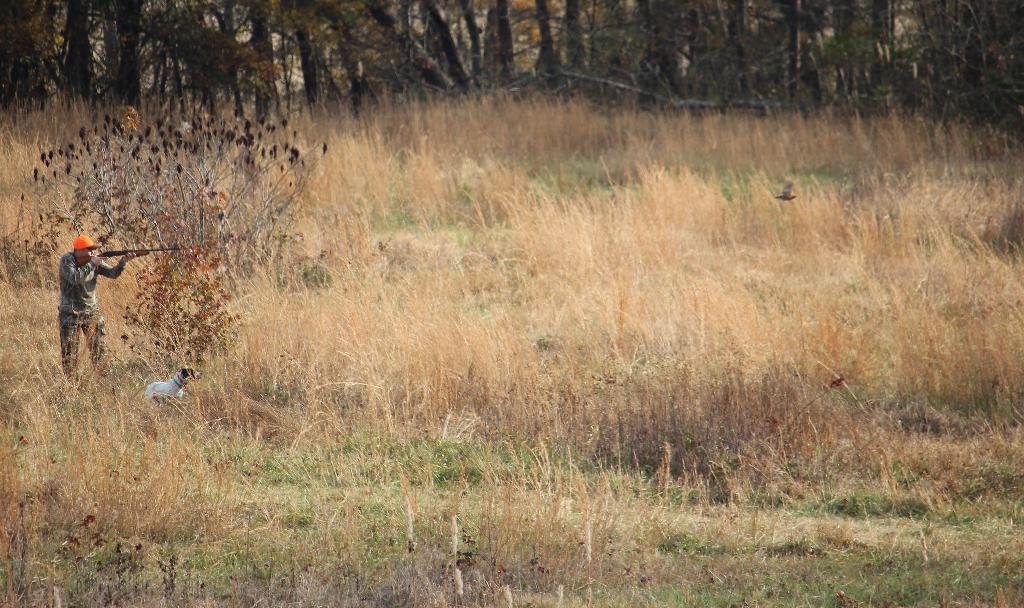
There are several dog breeds that excel in upland hunting, and the best breed for you depends on your specific preferences and hunting style. Whether you’re flushing bobwhite quail in the piney woods of the Southeast, chasing sharp-tailed grouse across the grasslands of the Northern Great Plains, stalking ring-necked pheasants in the grain fields of the Midwest, pursuing chukar in the rocky terrain out West, or hunting ruffed grouse and woodcock in the dense young forests of the Great Lakes region, each breed is tailored to a different type of hunt. Finding the right one for your hunting situation can be key to success in the field.
Spaniel Bird Dogs
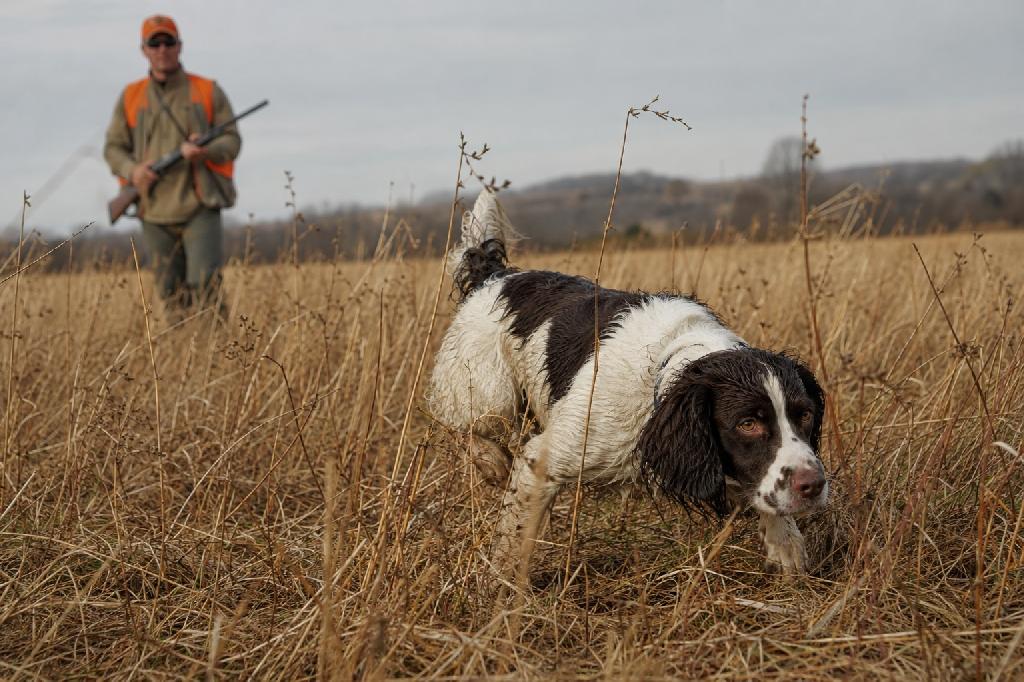
When most hunters think of bird dogs, their minds jump straight to pointers, setters, or retrievers. Yet for generations, spaniels have quietly earned a reputation as some of the most versatile and enjoyable hunting companions in the field. Compact, energetic, and eager to please, spaniels bring a unique style of hunting that combines close-working efficiency with an enthusiasm that's hard to match.
SportDOG: Gear the way youd design it
My dentist, Doc Biehn, was a waterfowler and I always got to check it out when I got my teeth cleaned as a kid. I remember one visit when he handed me a new, Marlin Super Goose he extracted from his closet. I'd never seen anything like the 10 gauge, bolt action shotgun that took a 3.5 inch shell and came with a two-shell clip and full-choked 34-inch barrel. That beast weighed a whopping 10.5 pounds, making it a virtual shoulder-cannon for waterfowlers. I could barely lift the heavy artillery let alone work the bolt without significant muzzle rock. My amazement turned to confusion, and in the end I couldn't see how that firearm would replace my side-by-side or pump in the blind. The Super Goose must have been designed by someone who didn't hunt geese.