Article Database
These page is loaded with Featured Articles
German Shorthaired Pointer Guide for Bird Hunters
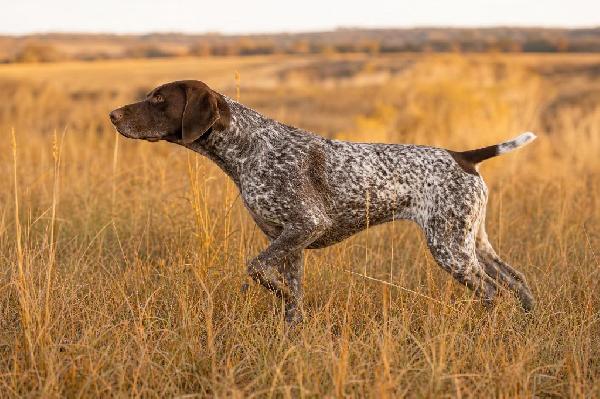
There are certain bird dog breeds that earn your respect in a hurry. The German Shorthaired Pointer is one of them. I have watched these dogs tear across a cut cornfield like they were shot from a cannon, then slam into point with enough style to stop a whole hunting party in its tracks. They are athletic, sharp-minded, and driven by a kind of restless purpose that makes them hard to ignore. For bird hunters who want one dog that can handle a wide range of country and birds, the German Shorthaired Pointer has long been a favorite for good reason.
Looking for a Pointer?
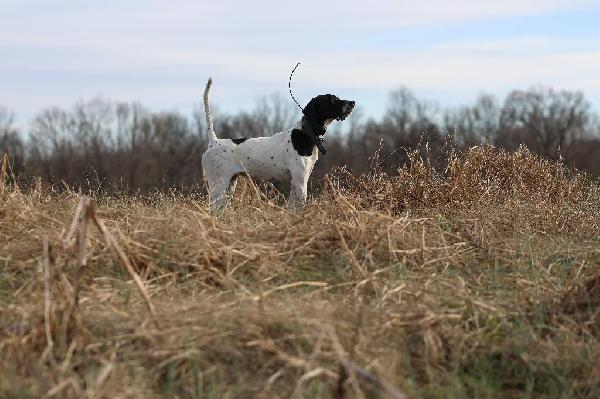
Few breeds have earned the reputation of the Pointer. Known for their speed, style, and natural bird-finding ability, Pointers have been a favorite among upland hunters for generations. Whether you are chasing quail across southern plantations, hunting prairie birds in the Midwest, or simply looking for an athletic companion with strong sporting instincts, the Pointer remains one of the most respected bird dogs in the field.
English Pointer or Pointer?
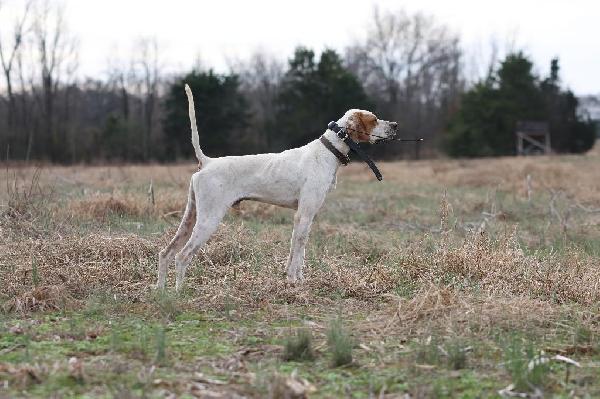
If you spend much time around bird dog folks, you'll eventually hear the breed referred to by two different names. Some people call them Pointers, while others insist on English Pointers. For newcomers to the sporting dog world, that can be confusing. Are they the same breed? Is one term more correct than the other?
Spaniel Bird Dogs
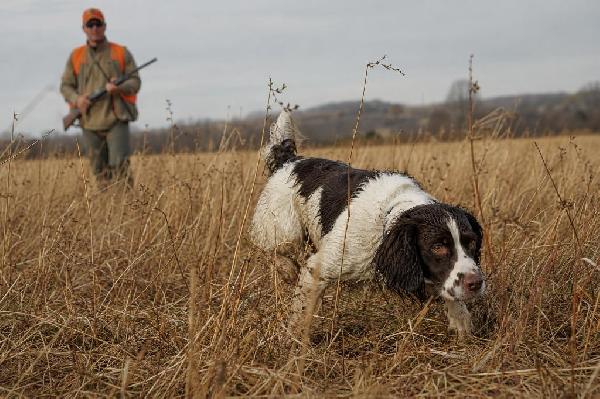
When most hunters think of bird dogs, their minds jump straight to pointers, setters, or retrievers. Yet for generations, spaniels have quietly earned a reputation as some of the most versatile and enjoyable hunting companions in the field. Compact, energetic, and eager to please, spaniels bring a unique style of hunting that combines close-working efficiency with an enthusiasm that's hard to match.
How to Build a Kennel That Lasts
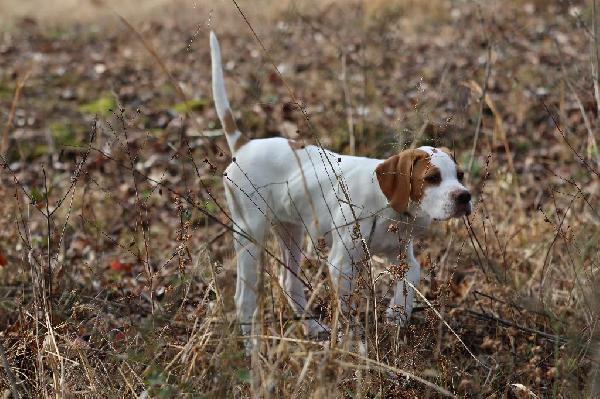
I’ve been running Gundog Central twenty years now, I’ve seen a lot of kennels come and go. I’ve seen new kennels shows up strong, produces a few litters, builds some buzz—and then quietly disappears. A few years later, nobody remembers the name.
Changing Cover. Hunting Pheasants in Different Habitats.
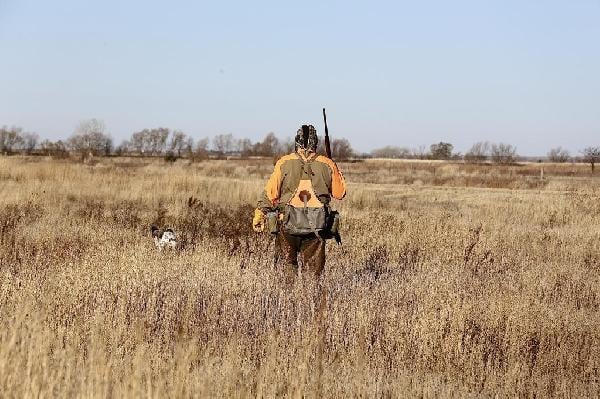
Imagine observing roosters run ahead down rows of corn or milo until the birds reach the end of the field and then sneak into an adjoining wetland area, surrounded on one side by a golden field of short-grass prairie with brushy draws. This scenario has pheasant hunters in a variety of habitats. When hunting pheasants, cover can change over the course in a matter of minutes. Therefore, the hunting style pheasant hunters employ should reflect that. Pheasants will utilize every inch of habitat to their advantage if it helps them live another day. The court jesters of the Midwest are akin to adapting when fields get harvested or sloughs dry up. Hunting pressure pushes them out from one area to another. Hunters need to adapt to various habitats that pheasants use.
Best hunting dog breeds for wetland hunting
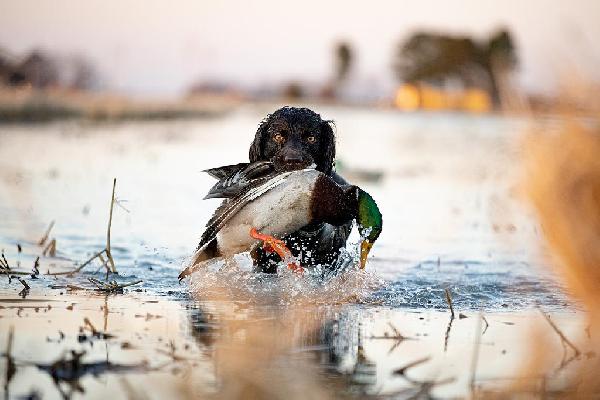
Waterfowl hunting demands a special kind of dog — one that thrives in cold, muddy conditions, works calmly from a blind, and has the grit to plunge into icy water after a downed bird. Not every hunting breed is built for that challenge, but a select few have been bred for generations to master the wetlands. These dogs combine powerful swimming ability, a weatherproof coat, a soft mouth for careful retrieves, and an unshakable desire to work beside their handler through rain, sleet, and wind.
Best hunting dog breeds for upland hunting
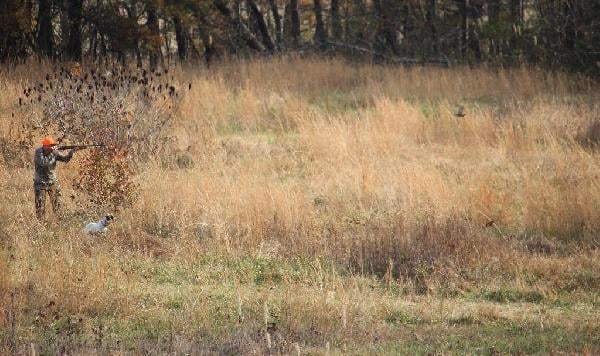
There are several dog breeds that excel in upland hunting, and the best breed for you depends on your specific preferences and hunting style. Whether you’re flushing bobwhite quail in the piney woods of the Southeast, chasing sharp-tailed grouse across the grasslands of the Northern Great Plains, stalking ring-necked pheasants in the grain fields of the Midwest, pursuing chukar in the rocky terrain out West, or hunting ruffed grouse and woodcock in the dense young forests of the Great Lakes region, each breed is tailored to a different type of hunt. Finding the right one for your hunting situation can be key to success in the field.
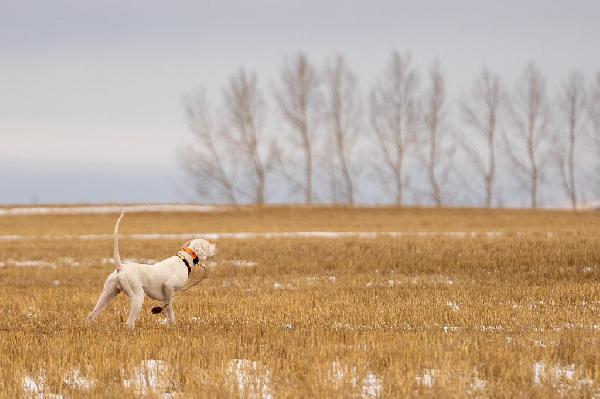
Getting to the Point
My journey with pointers began like many of my adventures—with curiosity, a measure of daring, and a willingness to chase an idea as far as it would take me. If it was an Icarus sort of thing, I can’t say I regret flying too close to the sun. The height—the thrill—was worth it. Pointers are a lot like that. They can lift you up, make you feel unstoppable, and occasionally scorch your wings if you’re not paying attention.
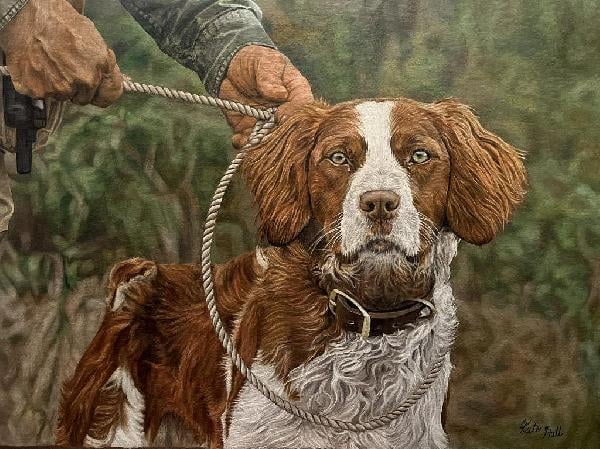
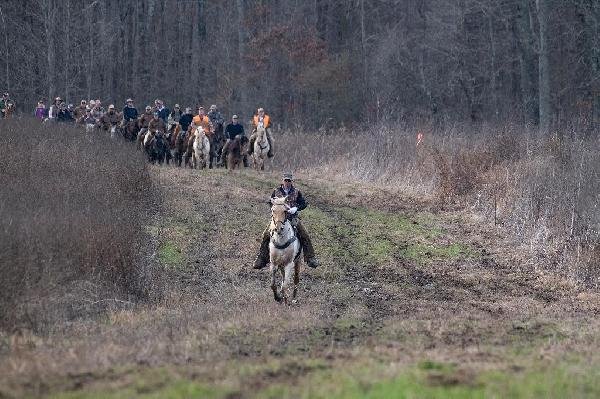
Tall Timbers: Burning Down the House
I’ve heard of folks figuring out the price tag on costs to raise wild quail, but I don’t know of anyone who has kept track of the amount of time that goes into the breeding, training and developing of a championship gun dog. Both are significant. Take that dog number, multiply it by 55, and you’ll have one heck of a lot of hours all represented in the dogs that qualified to run across 28 braces in the February 2025 National Championship for Bird Dogs held at Ames Plantation. The first brace of this 126-year old Super Bowl caliber event commenced on February 10th . The final brace ran over two weeks later on February 27, and during that time weather conditions ranged from a soggy, below-freezing 22 degrees Fahrenheit day to a 75-degree Fahrenheit sweat lodge. If you don’t like the weather in Grand Junction then wait five minutes.
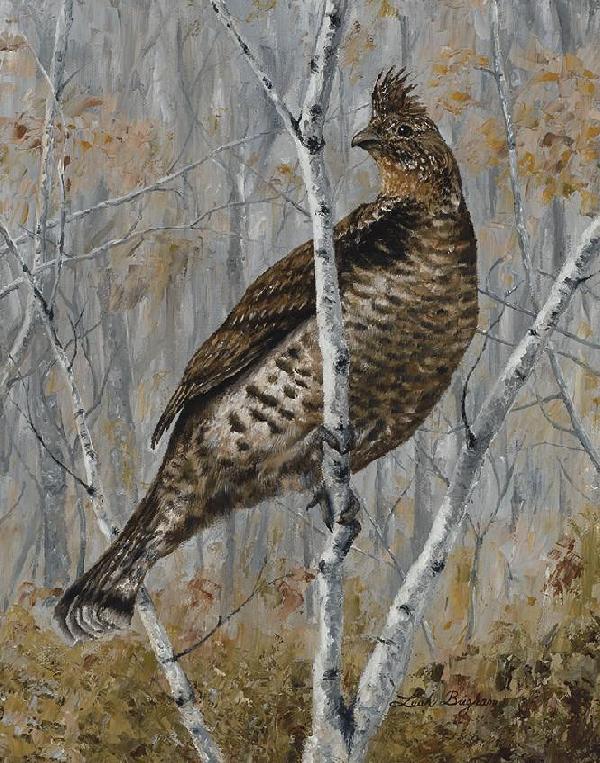
A New Grouse Hunter
Sam Scales had just sold his AI Startup to a consortium of Private Equity firms for $1 Billion (his share) and embraced a new-to-him sport: Ruffed Grouse Hunting. He brought to it the same intensity he had to the Startup. He was a math genius with a photographic memory and a control freak, traits that did not equip him for easy companionship. But one trip into Maine abandoned-farm country, where he saw one grouse rise and fall to the shot of his host, hooked him.
Meet Gen Next
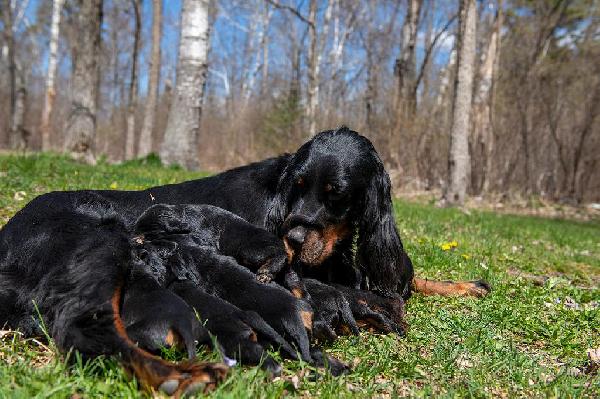
Everyone loves puppies, but not everyone likes dogs. It’s unsurprising that the same holds true in the canine world. Many adult dogs don’t care that much for puppies, and some downright despise them. Making sure that the introduction is successful isn’t just important, it’s critical. That prevailing attitude means introductions to the new member of your string requires some thought and planning. After all, you only get one chance to make a good first impression.
Charger
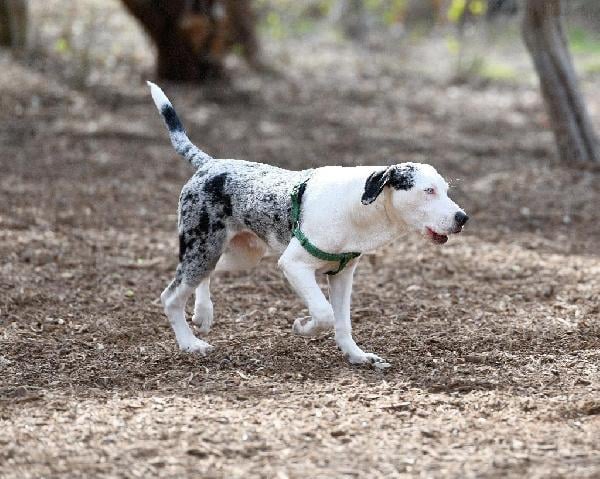
A good dog is hard to find. A great one, once in a lifetime, if you’re lucky.
Losing It
Harry Bain had been an all-age for-the-public pointing dog trainer-handler for thirty years. In that role he had lived in south Alabama, trained trial and hunting dog's mid-July through mid-September in North Dakota and traveled the major all-age trial circuit September through mid-March. Summers he had fished the Gulf of Mexico and elsewhere until the last week of June when he readied for the trip north.