COVID-19 in Our Bird Dogs - By Shawn Wayment DVM

There are several types of Coronaviruses (mostly in the alpha family) that are species-specific for dogs (and other companion animals) that have been around for ages. These viruses can cause a wide range of mild clinical diseases from diarrhea to upper respiratory disease; however, these are not the same virus as COVID-19 which is a novel (or new) strain of the Coronavirus.
The betacoronavirus that causes COVID-19 is SARS-CoV-2 (formerly 2019-nCoV). SARs is an acronym for severe acute respiratory syndrome which initially went globally around 2003. Novel viruses are a virus that our immune system has never seen before and therefore we have no antibodies to combat against them. Nor do we have any antiviral medications or vaccines in our arsenal for community protection.
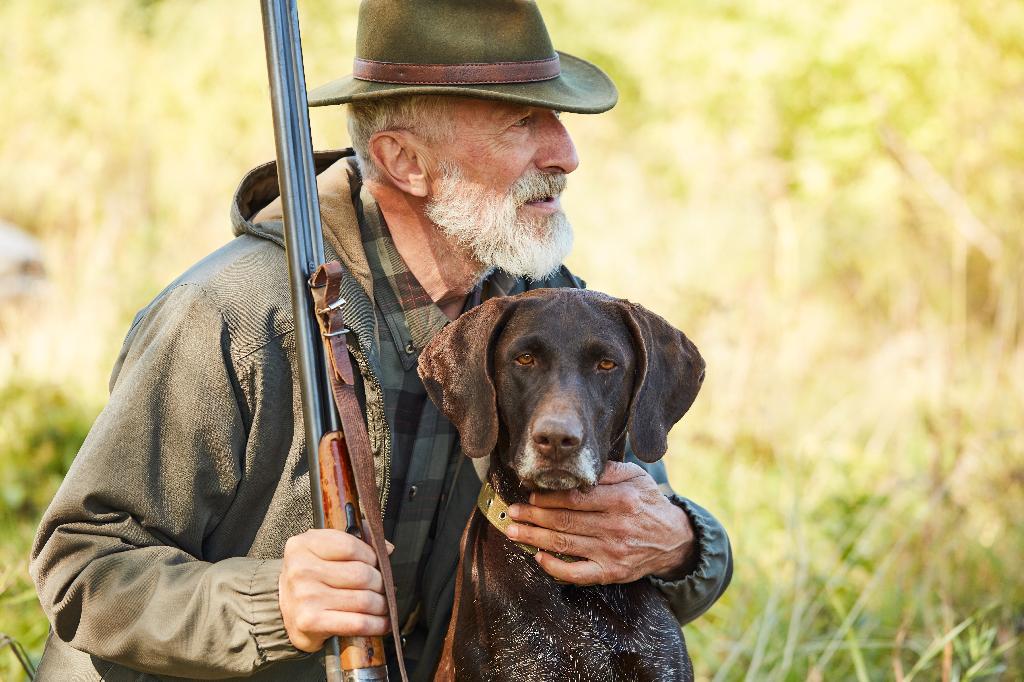
Many bird dog owners are asking me can my dog get COVID-19 or can they transmit the virus to other family members in our household if someone becomes infected? The veterinary community is discussing this in great detail right now because of a positive dog recently in Hong Kong.
In February 2020, a 17 year old Pomeranian was detected with COVID-19 in nasal and oropharyngeal swabs multiple times throughout the month. All the tests showed a very mild response to the amount of virus present and when they did blood test to see if the dog had antibodies to the virus, they were negative. This dog also never showed any illness or clinical signs of respiratory disease. IDEXX Laboratory here in the US have evaluated thousands of dog and cat specimens and have found no positive test results to COVID-19 to this date.
Currently infectious disease experts from the CDC, AVMA, and WHO agree that there is no evidence at this point that dogs become ill with COVID-19 or that they can spread COVID-19 to other pets or humans.
If you become ill with COVID-19, the AVMA recommends that you use a common-sense approach while interacting with your bird dogs. It is recommended that you limit contact with them while you are sick. Have other family members feed, walk and clean up after them while you are ill. Use the same good hygiene practices with your pets as we are all employing with ourselves.
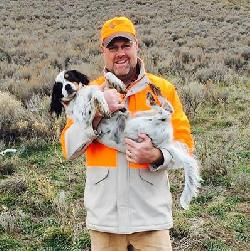
About the Author : Shawn Wayment, DVM
Visit authors website | View more articlesShawn knew at the early age of seven that he was afflicted with an obsession for bird dogs and horses; he knew then, that he wanted to become a veterinarian. After bouncing on his head one too many times as a parachuting medic with the 82nd Airborne Division, he decided to go to veterinary school. He realized his dream in 1997 by graduating from Washington State University and went into mixed animal practice. Currently Shawn has a companion animal practice in Castle Rock, Colorado. His special interest is in the veterinary care of sporting dogs and, specifically, in canine anatomy/physiology, reproduction and dentistry. In the fall, around the edges of his practice, he can be found roaming the uplands of North America chasing his cover-dog English setters. Shawn has a passion for chasing scaled quail on the shortgrass prairie with classic American doubles and pointing dogs.
Related Aritlces
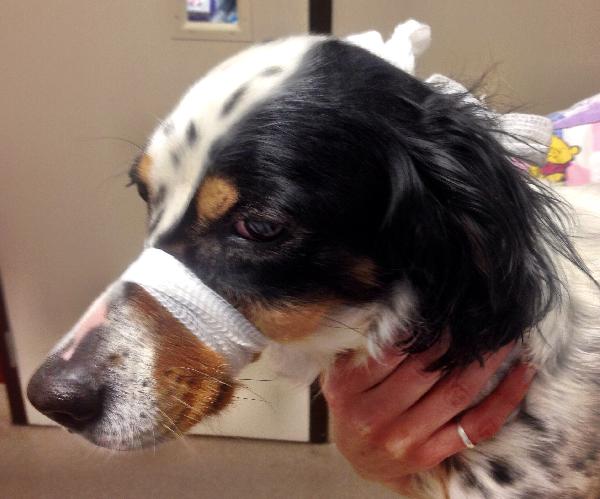
Skin Laceration Repair in the Field by Shawn Wayment DVM
There is nothing finer than being afield in autumn's country with bird dogs. The whir of wings as a covey of scaled quail erupts from the sand sage can stir the cholesterol from the morning's greasy-spoon-country-dinner breakfast. Gun smoke clears the air as the setter climbs through the taut five-stranded barbed wire fence retrieving the first bird of the day. This is the Wild West, and ranchers want assurance that their livestock are protected. As you reach down to take the bird your well trained setter delivers gently to hand, you notice fresh blood on the dorsal surface of her back. A nimrod's classic morning has now turned into a trip to the local vet ... which in this case is 150 nautical miles from where the event occurred and it is Sunday.

Overcoming In-Season Obstacles with Your Bird Dog
Between dangers in the field and training-related issues while hunting, how do you handle and prepare for obstacles that may arise this season?

DRIFTER HYDRATION
No matter the environment wingshooters and the bird hounds that accompany them find themselves in, it is essential that both man and beast stay hydrated. Even more so as temperatures fluctuate and the sun beats down, both humans and dogs can be susceptible to dehydration in any kind of weather condition. A lack of drinkable water can have serious health consequences, so taking proactive measures to prevent thirst is something to take seriously. Having the ability for a constant source of H2O is detrimental in maintaining a safe, functional, and enjoyable bird hunt. It comes down to having enough water in a capable carrying system that is flexible in its configuration and use. The best way to do that is to procure it from a water source and have the ability to filter it easily for consumption and allow for refilling. Enter … Drifter Hydration.
1 Posted Comments - Add your own comment
 | Thank Shawn - good read! |