Heat Stress: Early Signs and Life-Saving Tactics
While 32 degrees might be freezing for humans, for dogs, comparatively, it's much warmer. These same pet owners wouldn't disagree that a polar bear experiences environmental temperatures differently than humans, but will usually argue all day long when it comes to dogs. The truth is, dogs have evolved to conserve heat by keeping it internalized. They're very efficient at staying warm.
Conversely, it's quite easy to endanger, even kill, a hard-hunting dog on even a mild day. Every year dogs are put at risk for heat-related issues during late summer and early fall hunts and field trials. In 2003, more than 100 dogs died during South Dakota's pheasant opener.
However, if you know your dog and know the signs of heat stress, you can keep you dog safe and still enjoy the training, testing or hunting. Here's what to watch for and do:
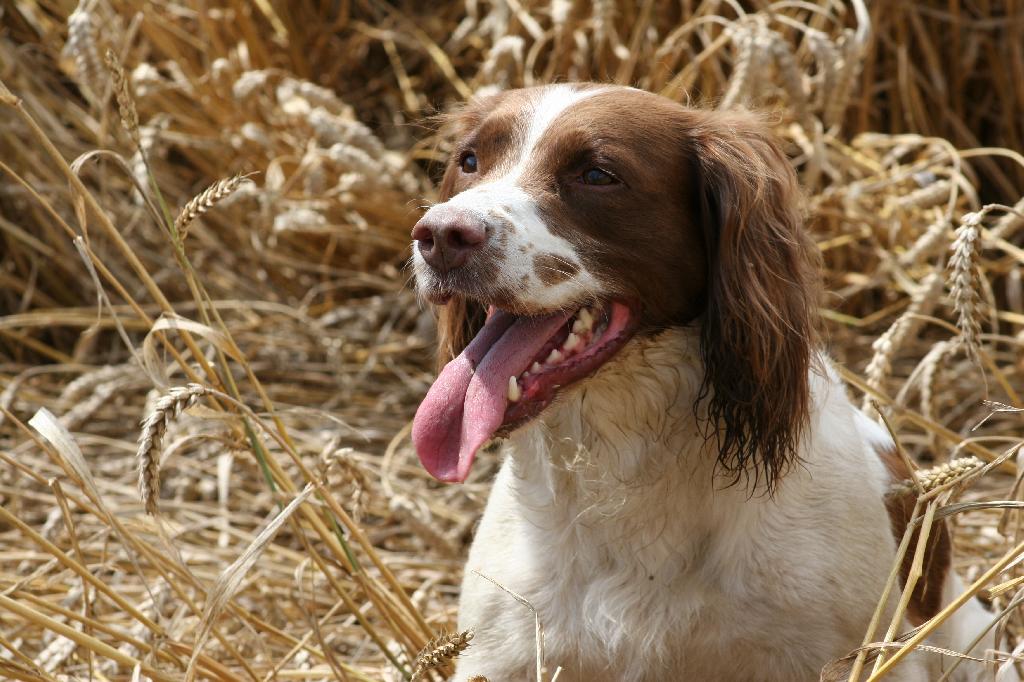
1) Big Tongues: Rapid, excessive panting with an extremely widened tongue that's cupped at the end is an early indication of heat trouble. Bright pink or red mucous membranes and thick, clingy saliva are later signs of heat stress.
How to stay safe: Find shade, take a break, and give your dog cool water.
2) Hot skin: This is where knowing your dog really well can save its life. By being familiar with your dog's normal body temperature, breathing and heart rates, you have a baseline from which to evaluate her in the field. Any dog with a body temperature over 104 degrees is in serious danger.
Check here: Periodically feel your dog's inner thighs. If it's hot, and especially in combination with heavy panting, back off the activity until things normalize.
3) Lack of coordination: This can start physically with a small misstep that's easily discounted or a seemingly silly mental mistake. It could be happenstance, or it could be the beginning of heat stress. An unsteady gait and glassy eyes are undeniable signs of heat stress. Vomiting or diarrhea could accompany these. Collapsing could quickly follow as heat builds up inside your dog.
How to save your dog: Get the dog into a cool pond and continually flush water over his body, then move him to an air-conditioned truck and get to a veterinarian immediately. Apply ice to the dog's skin on the belly and inner thighs to help keep him cool during the ride to the vet.

About the Author : Brian Lynn
Visit authors website | View more articlesBrian Lynn has enjoyed a career in the outdoors industry for more than two decades, including as senior editor and gundogs editor at ESPNOutdoors.com and Outdoor Life magazine. Currently he defends hunting, fishing and trapping trapping from the animal-rights movement as the vice president of marketing and communications at Sportsmens Alliance
Related Aritlces
Girls, Guns, and Gun Dogs!
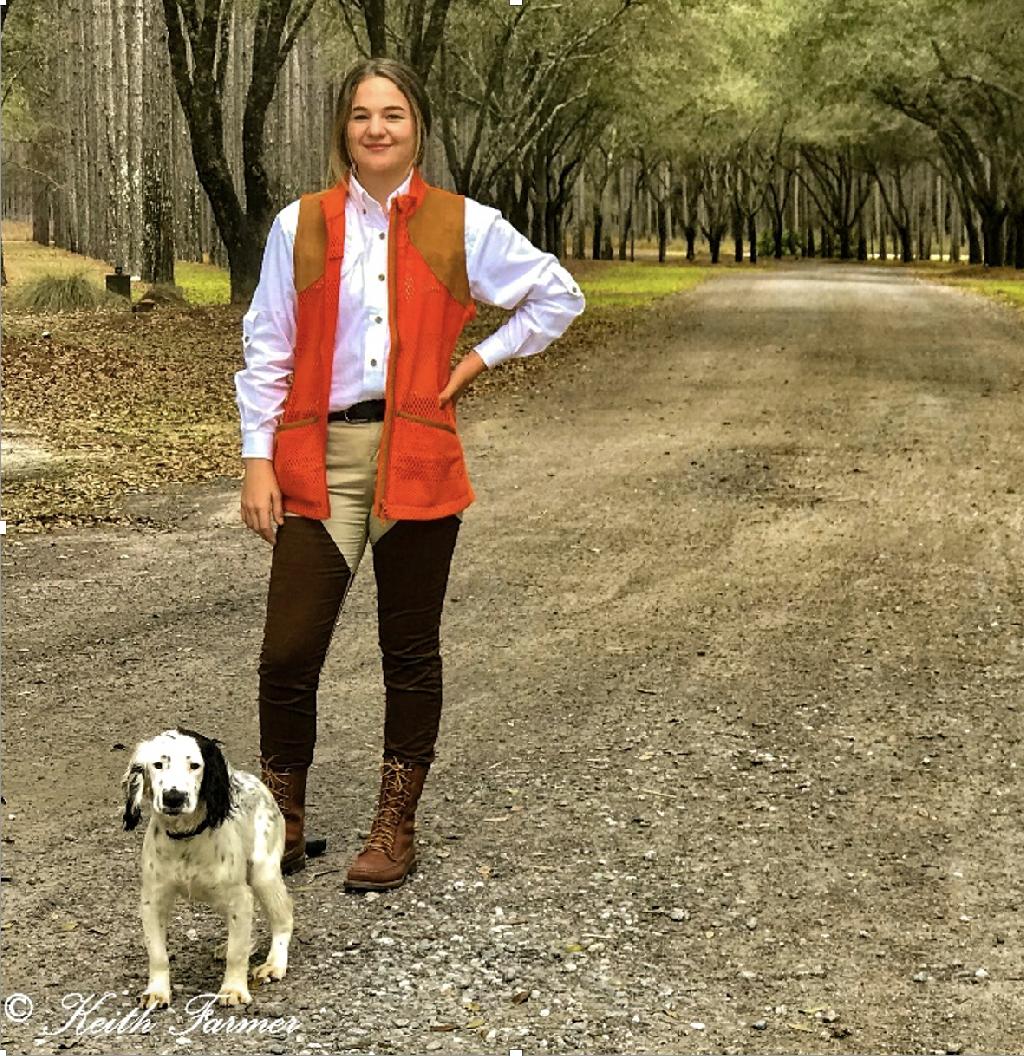
Growing up in the south one gains an appreciation for late fall/early springtime bobwhite quail hunting behind a brace of pointers about as much as anything can be appreciated. The landscape here is dotted with private plantations, public shooting preserves, and small family farms that hold the elusive Gentleman-Bob...opportunities abound. In fact, I cut my gun dog teeth, as it were, training pointing breeds and stumbling around bottom lands I could access hunting quail. It would be some years before I switched my focus over to retrieving breeds entering the world of professional training and trial competition.
Breeding a Better Dog
A pair of wood ducks came screaming by as my dad and I folded the drake. Most likely my dad did the folding, but I tried to help with my single shot 20 gauge. He pulled our springer/lab cross and myself through the cattails and marsh grass searching for the drake.
Whatever you do, dont shoot the dog - By Tom Keer
I've never seen a bird dog get shot, but I hear of at least one instance per year. When the stories roll in I get sick to my stomach. They unfold in pretty much the same way. A group of folks review the pre-hunt safety talk. All have heard it before, all are in agreement. The dogs are cut loose, the hunt is underway, and spirits are high. Jokes fly around, conversation is light, and everyone agrees they are more happy in the field than at work.