How Gun Dogs Use Their Nose in the Field
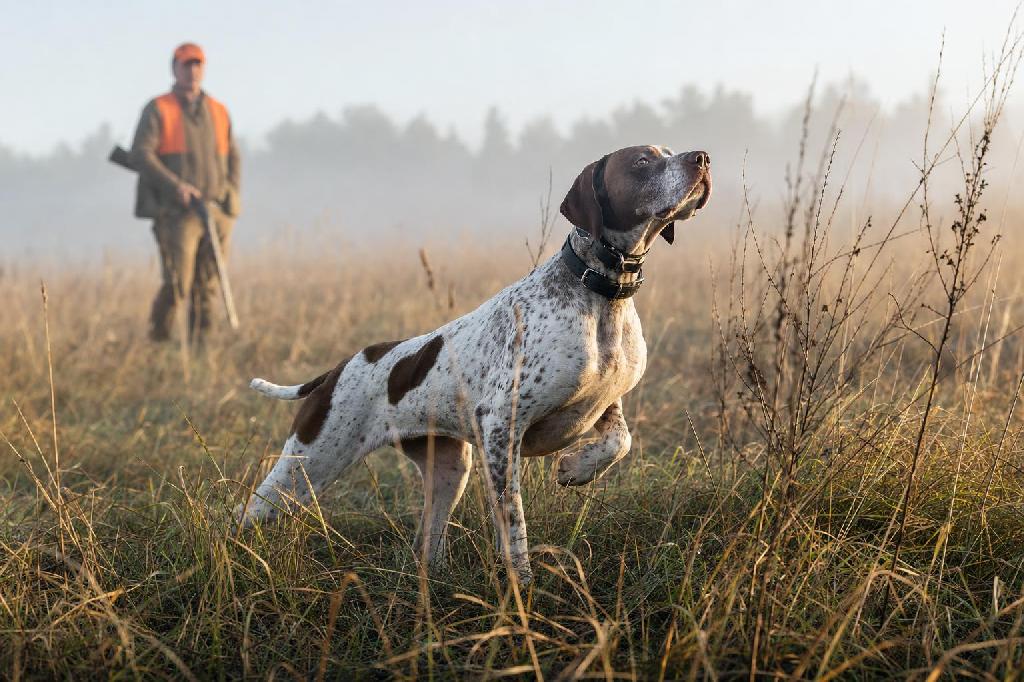
A man can hunt for years and still be humbled by what a good dog can smell. I have watched dogs snap their heads into the wind and turn hard toward a hidden bird that never made a sound. I have seen retrievers sort through a mess of scent on a cold morning and come up with a crippled duck that would have been lost without them. When people ask how gun dogs use their nose in the field, the best answer is this: they gather tiny pieces of scent information, then build a picture of where the bird is, where it has been, and sometimes where it is trying to go.
What a Gun Dog’s Nose Is Really Doing
Hunters often say a dog is “birdy” or that he “hit scent,” but there is more going on than most folks realize. A gun dog is not smelling game the way we smell coffee or wood smoke. He is sorting layers. There may be body scent from the bird itself, foot scent left where it walked, odor from disturbed cover, and traces carried in the air by shifting wind. All of that arrives differently depending on weather, terrain, moisture, and the kind of bird being hunted.
In practical field terms, a dog works two main scent pictures. One is airborne scent carried on the wind. The other is ground scent left behind where a bird moved through cover. Pointers, setters, and other upland dogs often shine when they catch scent on moving air and lock up before the bird flushes. Retrievers and versatile dogs may work both air scent and ground scent while handling wounded birds, especially when a cripple is running through heavy grass or tucking into shoreline cover.
This is why a polished gun dog can look almost uncanny. He is not guessing. He is constantly sampling scent, comparing strength and direction, then adjusting stride, head position, pace, and search pattern. The best dogs do it with confidence, but even they are solving a puzzle every minute they are in the field.
How Wind Shapes Everything
If you spend enough time behind bird dogs, you learn to respect the wind as much as the dog does. Wind is the road that scent travels on. A steady breeze can carry bird scent across open ground and help a dog locate game from a surprising distance. A swirling wind in broken cover can make a dog look confused when in truth the scent is bouncing, hanging, or slipping around in pockets.
On cool mornings with a little moisture in the air, dogs often look brilliant because scent tends to hold well and travel cleanly. Dry heat can make scent thin and tricky. Strong midday sun can burn off moisture and change how birds smell in the cover. In thick creek bottoms or cattail sloughs, scent may pool low, while on open prairie it may drift fast and wide. A knowledgeable hunter notices these conditions and understands why the dog works one field edge aggressively and another with caution.
Reading Crosswinds, Headwinds, and Tailwinds
A gun dog typically does his best work in a headwind or quartering wind because scent is carried toward him. That lets him gather information before he crowds the bird. In a crosswind, skilled dogs cast back and forth, cutting scent lanes until they narrow the source. Tailwinds are tougher because the dog can pass birds before catching enough odor to react. That is one reason experienced handlers try to hunt into the wind when the terrain allows it.
I have hunted pheasants in knee-high grass where a dog looked average with the wind at his back, then turned into a machine once we changed direction and let him hunt into the breeze. The birds had not changed. The scent picture had.
How Gun Dogs Use Scent on Upland Birds
Upland hunting is where many people first notice just how powerful a dog’s nose can be. Quail, grouse, woodcock, and pheasants all leave scent, but they do not do it in the same way or in the same places. Some birds sit tight. Others run. Some hold in light cover where scent drifts freely. Others bury themselves in tangles where scent gets trapped and scattered.
Pointing dogs often work the outer edge of a bird’s scent cone first. You may see the dog’s head come up, tail stiffen, and body change before he ever locks into a point. That brief moment tells a story. He has found enough odor to know a bird is present, but he is still sorting distance and direction. Once he pins it down, everything stops. To the hunter, that point may look sudden. To the dog, it was the final answer to a stream of scent clues.
Flushers work differently but use the same raw gift. A good flushing dog drives in once he confirms bird scent, staying close enough for a clean shot while still hunting with discipline. On running pheasants, this becomes a contest between the dog’s nose and the bird’s legs. The dog may overshoot, hook back, relocate, and press again. Hunters who do not understand scenting conditions sometimes think the dog is making mistakes. Many times he is simply following a moving target through changing odor.
Running Birds and Tight-Holding Birds
Nothing exposes a dog’s nose and brain like a running rooster. A pheasant may leave strong foot scent in one strip of cover, then slip into the wind and throw scent behind him in another. Dogs that can sort old scent from fresh scent are worth their weight in gold. They learn to distinguish where the bird was from where it is now. Tight-holding birds create a different challenge. The scent may be concentrated in a small pocket, and a dog has to approach carefully enough not to blow past it or crowd too hard.
That balance between caution and aggression is where natural ability meets experience. Young dogs often have the nose but not the judgment. Seasoned dogs know when to slam on the brakes and when to press forward.
How Retrievers Use Their Nose After the Shot
In the duck blind or goose field, a retriever’s nose becomes most valuable after things get messy. A clean mark is one thing. A cripple sailing into marsh grass, diving into a pocket of reeds, or sneaking along a muddy bank is another. This is where nose, memory, and determination come together.
When a retriever enters the fall area, he is not just looking for feathers. He is testing the air, the water surface, the mud, and the vegetation. Wounded birds leave scent trails, body odor, and disturbance. In shallow marsh, a dog may follow a cripple by scent along the waterline. In heavy cover, he may suddenly throw his head high, catch a drifting trace, and change direction. To the hunter, that turn can seem magical. In truth, the dog has just picked up the bird’s latest line of travel.
Anyone who has watched a solid retriever recover a duck in smartweed or flooded timber understands why noses save birds. Without that dog, many of those ducks would never make it to hand. Good noses are not just impressive. They are part of ethical hunting.
Weather, Cover, and Moisture Change the Scent Picture
No two fields smell the same to a dog. Moisture usually helps hold scent, which is why damp mornings and light humidity can produce excellent dog work. Frost can preserve scent in one moment and complicate it in another, especially when the sun begins to thaw the ground. Rain may freshen scent in some cover while washing away parts of a ground trail in others.
Cover also matters. Short grass lets scent move differently than tangled briars, alder runs, corn stubble, or cattails. In open country, scent often travels in broad ribbons. In thick cover, it can hang, twist, and collect in surprising places. A hunter who knows this will stop blaming the dog every time the line gets messy. Many difficult retrieves and relocations happen because scent itself is behaving badly.
Training Matters, But So Does Letting a Dog Learn
You can train handling, obedience, steadiness, and search patterns, but you do not manufacture a great nose. You develop what the dog has and teach him how to use it under control. Young dogs need exposure to wild birds, changing winds, wet cover, dry cover, and real hunting situations. That is how instinct becomes skill.
Some of the best lessons happen when the handler says very little. Let the dog work out a running bird. Let him circle and relocate. Let him puzzle through a crippled pheasant that doubled back through weeds. Those moments build confidence and judgment. Overhandling can interfere with a dog’s natural problem-solving. A seasoned gun dog learns to trust his nose, and a seasoned hunter learns when to keep quiet and follow.
Why Hunters Should Trust the Nose
One of the hardest things for new handlers to learn is that the dog often knows more than the man carrying the gun. If a dog keeps returning to a patch of cover, there is usually a reason. If he suddenly checks up along a ditch, cuts downwind, or works back into an area you thought was finished, trust him before you wave him off. Birds do not always behave the way we expect, but the nose tells the truth.
The finest gun dogs I have hunted behind all shared that trait. They believed what their nose told them, even when the hunter doubted it. More often than not, a rooster exploded, a quail covey boiled out, or a crippled duck was produced from a place that looked empty to human eyes. That is the beauty of a real bird dog. He lives in a world of scent we can barely imagine, and when he is doing it right, all we have to do is keep up.
A gun dog’s nose is the quiet force behind successful bird hunts. It finds birds before they flush, tracks runners that would otherwise escape, and recovers downed game when sight alone fails. The more a hunter understands about wind, cover, moisture, and bird behavior, the more he can appreciate what the dog is actually accomplishing out there. In the end, the nose is not just part of the hunt. In many cases, it is the hunt.
Related Aritlces

Puppy Introductions: Water, Game and Gunfire
Puppyhood plays an integral role in the future of your hunting dog. Introducing her to critical aspects of the hunt, including game, cover, water and especially gunfire, at critical ages and in a controlled manner to ensure a positive experience is important. It doesn't matter if you're training a pointer for the uplands, a retriever for the wetlands or hounds for small- or big-game, by keeping new experiences positive and slowly increasing the scope of that experience will guarantee your gundog loves all the aspects of her future job.
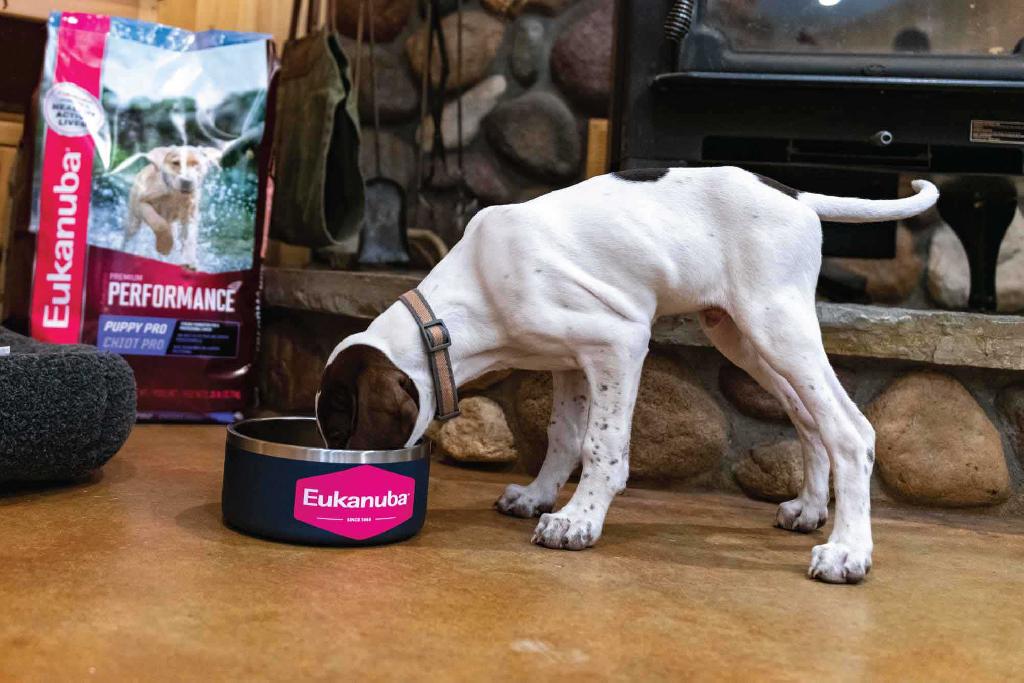
How Nutrition Supports Trainability in Your Sporting Breed Puppy
Sporting breed puppies have a lot to learn. Nutrition that fuels healthy brain function and learning supports a puppy’s ability to master a variety of tasks. Puppy diets that contain clinically proven levels of docosahexaenoic acid (DHA) can provide a training edge.

The Hunt Goes On
In the early 70s bird hunting was at its peak in Eastern North Carolina. I was a youngster still and loved to tag along on hunts with family and longed to have my own dogs. It was about this time that I attended my first bird dog field trial, a horseback event being held near my Uncle Henry’s farm. It was there that I first remember meeting Dr. W.C. Sanderson. He was there to compete as was his brother “Dute” Sanderson, a popular local professional dog trainer.