Rare breeds vs Popular breeds - By Craig Koshyk

But is a breed's popularity or rarity related to how good they are in the field?
In most cases, the answer is no. To really understand why any particular breed is popular, or not, we have to look at history, geography, politics, breed clubs, registries and a bunch of other things, most of which are totally unrelated to its abilities as a hunting dog.
Sometimes it comes down to a breed being in the right or wrong place at the right or wrong time. Take the Picardy Spaniel for example. It is a superb gundog with great looks and temperament. It really should be more popular around the world. Unfortunately the breed was developed in a part of northern France that was ground zero for two world wars. Obviously, building a strong population of hunting dogs and attracting the attention of the gundog world is not easy when you are just trying to survive the next artillery barrage.
The Cesky Fousek on the other hand is extremely popular...in the Czech Republic. But outside of its native land, it is almost completely unknown. Obviously a 50-year long cold war and an iron curtain are not exactly conducive to gaining world-wide recognition for a native breed of gundog.
But much of Germany was also turned to rubble during the wars, and half of it also lay behind an iron curtain for much of the 20th century. So why are German breeds like the GSP, GWP, Weim, Munsterlander and Pudelpointer now so popular in many parts of the world? Well it turns out that when hundreds of thousands of Allied servicemen and women are stationed in a foreign country, they tend to notice the local gundog breeds. And when local breeders, desperate to get back on their feet after years of war realize they have a very eager market for their dogs...well, you do the math.
And then there is the fact that once a breed gains a certain level of popularity, momentum based on a sort of herd mentality develops. Chances are, if you are a Czech hunter, you've seen plenty of Cesky Fouseks. Your best buddy probably has one and so do a lot of other hunters in your neck of the woods. So naturally, when you decide to get a gundog for yourself, your first thought is probably to get one just like your buddy's or just like the ones you see in the field all the time.
I mean, do you really think all those guys and gals you see hunting with Labs or GSP's in the States really took the time to check out the pros and cons of dozens of other breeds before they got their first dog? Fat chance. The vast majority of dog owners can't even name more than three breeds of hunting dogs. Personally, I didn't do a whole lot of shopping around when I chose my breed (Weims). I just happened to see a really good one in the hunting field when I was younger and it stuck in my mind. When I finally got a house and a yard, guess what I got? Yup, the kind of dog I remembered seeing in the field years earlier.
Think about your own area. There are probably one or two breeds that are way more popular than all the others. But why is that? My hunch is that they are a reflection of the momentum they've managed to build over the years. And chances are, that momentum is there to stay. The popular breeds in your area will probably remain quite popular and continue to build momentum.
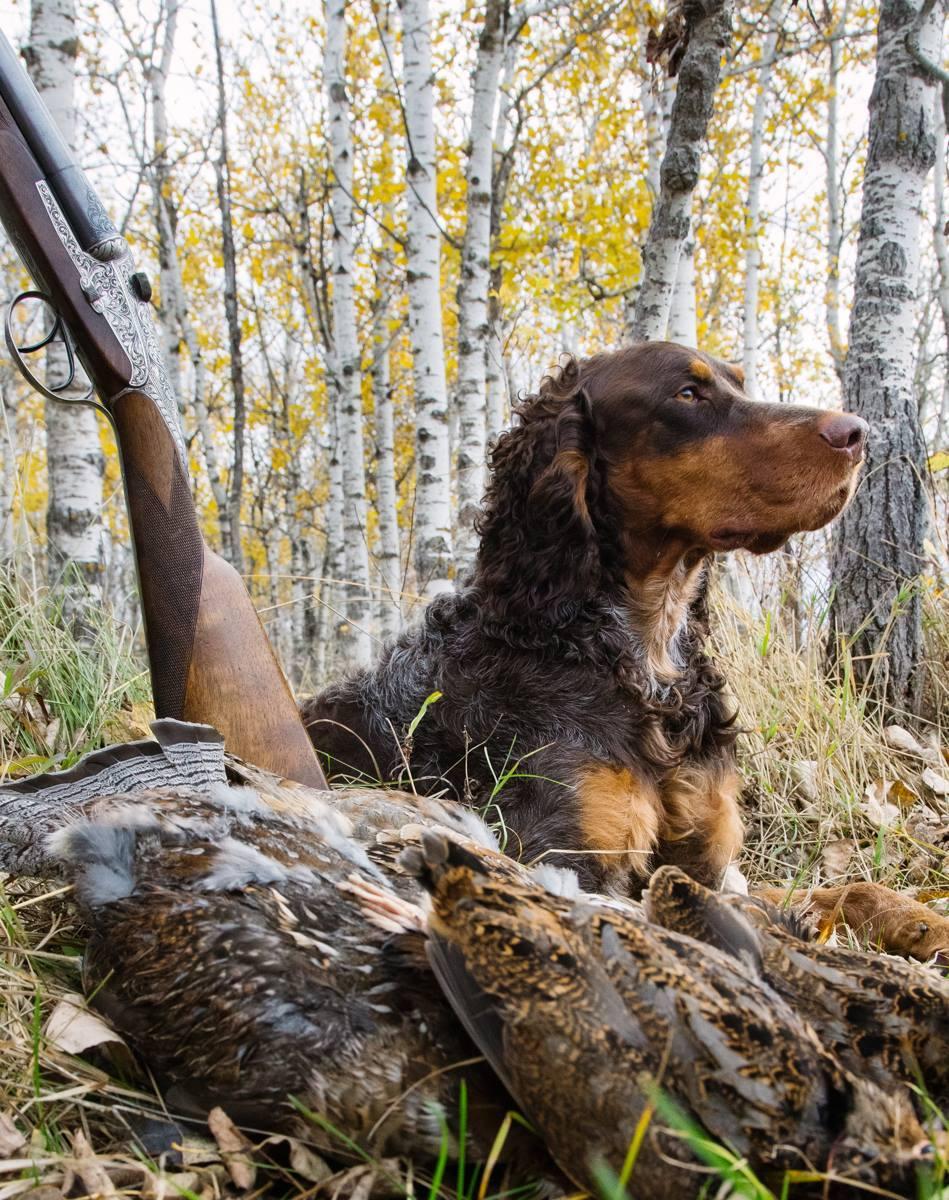
But what would happen if a few top notch breeder/trainer/testers started working with one of the less popular breeds in your neck of the woods? And what if they started achieving FC and VC titles on a bunch of their dogs and what if they formed a really solid club, promoted the breed's virtues and began to place lots of pups in really good hunting homes? My guess is that over time, there would be a new 'most popular breed' in your area. As they say; nothing succeeds like success. Just ask the GSP and Brittany people who had, at one time, breeds that were not even on the radar in North America.
In fact, one of my pet peeves is seeing breeders of less common gundog breeds use the term 'rare' as an advertising hook, as if 'rare' were a synonym for 'good'. On the other hand, it also bugs me when I hear people bad-mouth less common breeds by saying "they must be rare for a reason".
When it comes to gundogs, rare does not mean good, or bad. Breeds become popular or remain rare for many reasons, most of them unrelated to how good, or bad the dogs actually are. Case in point: the Weimaraner, one of the most popular gundog breeds in the world. Yet apart from a small minority of superb individuals from a handful of field-bred lines, as a hunting breed, the Weimaraner is in pretty rough shape overall. Trying to get a decent hunting dog by reaching in and picking any pup from a random litter of Weims is like trying to hit a hole-in-one with a nine iron.
Compare that to the Braque de l'Ariege, one of the rarest breeds on the planet. Your chances of getting a decent hunting dog out of just about any Ariege litter are pretty darn good since there are no show lines of Braques de l'Ariege and no non-hunting breeders breeding them. Every single Braque de l'Ariege out there right now is a hunting dog. Most are decent, some are excellent, a few are world-class. None are worthless.
That said, some of the rarer breeds may come with additional risks, but they are usually unrelated to hunting ability or performance. For example, a small, closely-related population means that if a certain genetic problem crops up, a larger percentage of the overall breed can be affected and therefore present a greater risk to a purchaser. Case in point: alopecia in a very rare French breed called the Pont Audemer Spaniel. Like other breeds with a curly coat, Ponto's can experience hair loss due to Canine Follicular Dysplasia. It is a purely cosmetic issue unrelated to performance, but it is a problem that one would want to avoid. And with so few individuals in the breed and so few lines, the only way to address the problem has been outcrossing to unaffected dogs from other breeds like the Irish Water Spaniel.
Another issue that can have a greater effect on a rare breed is club politics. In big clubs, political rifts don't usually have much of an effect on the overall state of a breed. But in small clubs, in-fighting can be disastrous. Case in point: the Braque du Bourbonnais. A few years ago, a sort of leadership putsch occurred. The former president of the breed club - the guy who actually re-created the Braque du Bourbonnais from scratch - was forced out. The club nearly fell apart and more or less ceased doing anything for the breed (no trials, tests or shows) for years. As a result, the Bourbonnais population in France is in steep decline. In fact nowadays there are sometimes more Bourbonnais bred in the US than in France!
So when you are looking for a good pup from any breed, it is important to understand why that particular breed is popular, or not, in your region. Most of the time, the reasons have nothing to do with how good the breed is in the field.
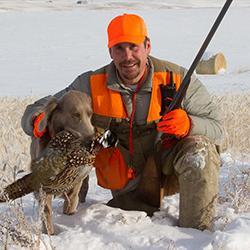
About the Author : Craig Koshyk
Visit authors website | View more articlesCraig Koshyk is a dog nut. He is also a writer, photographer, artist, educator and entrepreneur. But mainly hes a dog nut.
When hes not carrying a shotgun or camera in the field, he is putting pen to paper. His book Pointing Dogs Volume One: The Continentals is considered by many to be the reference book on the continental breeds of pointing dogs. His articles and photos of sporting dogs appear regularly in North American and European magazines and his Pointing Dog Blog has garnered a large following of loyal readers. Craig is currently working on Pointing Dogs Volume Two: The British and Irish Breeds scheduled for release in 2020.
Purchase Craigs books here : Dogwilling Publications

About the Artist : Craig Koshyk - Photo Credit
Visit artist websiteCraig Koshyk is a dog nut. He is also a writer, photographer, artist, educator and
entrepreneur. But mainly hes a dog nut.
When hes not carrying a shotgun or camera in the field, he is putting pen to paper. His book
Pointing Dogs Volume One: The Continentals is considered by many to be the reference
book on the continental breeds of pointing dogs. His articles and photos of sporting dogs
appear regularly in North American and European magazines and his Pointing Dog Blog has
garnered a large following of loyal readers. Craig is currently working on Pointing Dogs
Volume Two: The British and Irish Breeds scheduled for release in 2020.
Related Aritlces

Tails We Could Wag
“It's not much of a tail but I’m attached to it,” said Eeyore, the donkey made famous by Winnie the Pooh. When it comes to tails, some hunters require them on their dogs while others do not. But regardless of your breed of choice, did you ever wonder why some tails are bobbed while others are not?
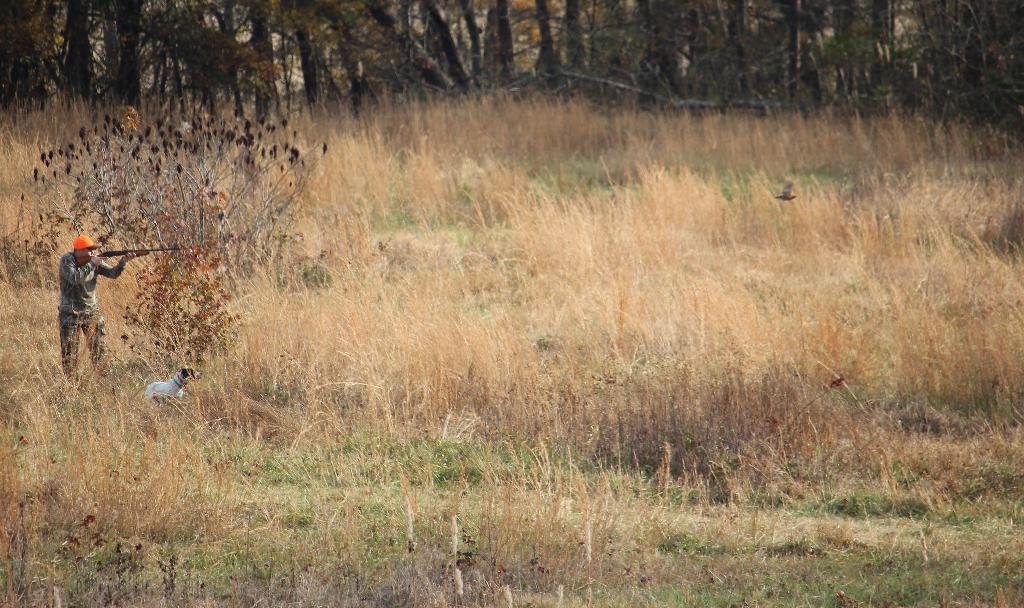
Best hunting dog breeds for upland hunting
There are several dog breeds that excel in upland hunting, and the best breed for you depends on your specific preferences and hunting style. Whether you’re flushing bobwhite quail in the piney woods of the Southeast, chasing sharp-tailed grouse across the grasslands of the Northern Great Plains, stalking ring-necked pheasants in the grain fields of the Midwest, pursuing chukar in the rocky terrain out West, or hunting ruffed grouse and woodcock in the dense young forests of the Great Lakes region, each breed is tailored to a different type of hunt. Finding the right one for your hunting situation can be key to success in the field.
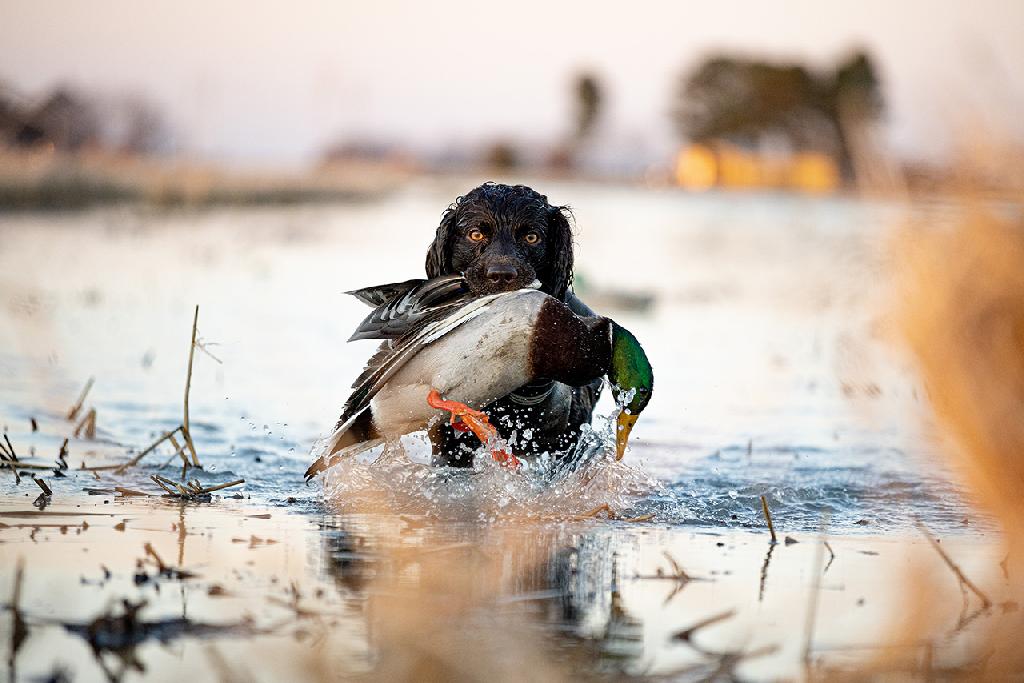
Best hunting dog breeds for wetland hunting
Waterfowl hunting demands a special kind of dog — one that thrives in cold, muddy conditions, works calmly from a blind, and has the grit to plunge into icy water after a downed bird. Not every hunting breed is built for that challenge, but a select few have been bred for generations to master the wetlands. These dogs combine powerful swimming ability, a weatherproof coat, a soft mouth for careful retrieves, and an unshakable desire to work beside their handler through rain, sleet, and wind.