Whatever you do, dont panic if you accidentally shoot the dog

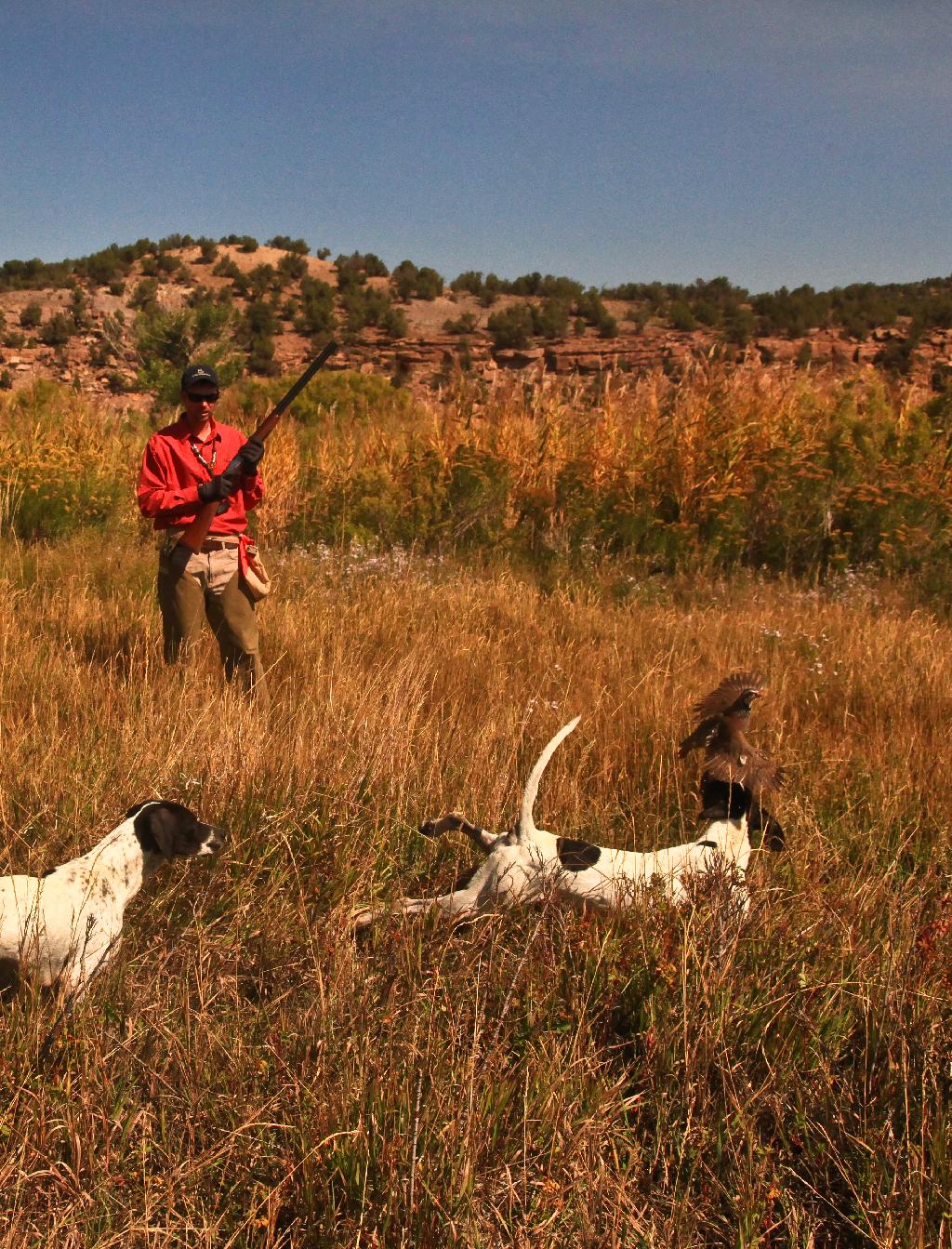
I've told this story many times to my hunting partners that I've hunted quail with over the years. Yes! I'm ashamed and embarrassed that I shot my favorite dog. I don't mean to be redundant or beat a dead horse with my hunting pals, but I want to portray how easy it is to shoot at a low going quail as the bird dogs chase after it. Next to mean-seeds (grass awns, June-grass, weed seeds, spear grass, etc), shooting my dog (or any dog for that matter) is my greatest fear among the perils bird dogs face in the field. I will not fire my smoothbore at a bird unless I know exactly where all the dogs are...no bird is worth an injured dog.
Over the years, I've seen a dozen or more dogs shot on hunting trips either in person or here at my practice. Unfortunately it happens and to the most skilled and safest bird hunters as author Tom Keer pointed out in his excellent article entitled Whatever you do, don't shoot the dog (recently published here on Gundog Central). Accidents in the field happen (porcupine encounters, barbed-wire fences, skunk encounters, venomous snake encounters) so being prepared for a worse case scenario is crucial. Remember to take a deep breath and remain calm before you react to the situation. I always tell myself I have 5 seconds to panic before I gain composure and respond to an emergency situation. Below are 5 tips on how to proceed if your bird dog is accidentally shot in the field.
1. Know Where You Stand: Always know where the nearest veterinary clinic is from where you're hunting. Have their phone number and address programmed into your cell phone. Sometimes trying to perform first aid in the field delays the critical time needed to travel to the nearest veterinarian for the proper patient care needed.
2. Be PrePared: Have a well stocked and up to date first aid kit. There are several first aid kits available for sale on the internet. You don't need to spend thousands of dollars to have a good kit. Here is a link to the contents of my own first aid kit: First Aid Kit
3. Knowledge Goes Long Ways: Enroll in an emergency first aid class for pets. Every bird dog owner should know how to apply a bulky bandage to stop hemorrhage or how to perform CPR on their dog.
4. Always Muzzle a Wounded Dog: Most gunshot wounds that I see are very minor or found as an incidental finding when I'm doing X-rays for something else like looking for arthritis or a GI foreign body on a patient here at the clinic. If there's a gaping wound, bandage it the best you can before going to the nearest veterinarian. Always place a muzzle on a wounded dog before attempting any treatment or movement of the dog to protect yourself. I've had several clients drop their dog off at my clinic before heading to the ER for themselves.
5. Trupanion: Even if you think it's a minor wound, Always have your veterinarian follow up with any wound that your dog sustained in the field. Oftentimes pellets left behind in the skin have no immediate risk to your bird dog. It's a good idea to have them closely monitored for a few weeks as I have also seen them fester out. Professional care is always worth the cost. A final thought...I have all my personal bird dogs insured via Trupanion. Trupanion will cover 90% of any non-existing emergency condition. I've seen miracles from pets that are insured without breaking the bank.
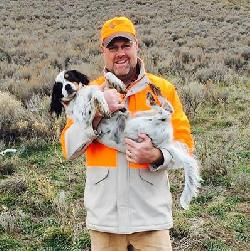
About the Author : Shawn Wayment, DVM
Visit authors website | View more articlesShawn knew at the early age of seven that he was afflicted with an obsession for bird dogs and horses; he knew then, that he wanted to become a veterinarian. After bouncing on his head one too many times as a parachuting medic with the 82nd Airborne Division, he decided to go to veterinary school. He realized his dream in 1997 by graduating from Washington State University and went into mixed animal practice. Currently Shawn has a companion animal practice in Castle Rock, Colorado. His special interest is in the veterinary care of sporting dogs and, specifically, in canine anatomy/physiology, reproduction and dentistry. In the fall, around the edges of his practice, he can be found roaming the uplands of North America chasing his cover-dog English setters. Shawn has a passion for chasing scaled quail on the shortgrass prairie with classic American doubles and pointing dogs.
Related Aritlces
Whatever you do, dont shoot the dog - By Tom Keer
I've never seen a bird dog get shot, but I hear of at least one instance per year. When the stories roll in I get sick to my stomach. They unfold in pretty much the same way. A group of folks review the pre-hunt safety talk. All have heard it before, all are in agreement. The dogs are cut loose, the hunt is underway, and spirits are high. Jokes fly around, conversation is light, and everyone agrees they are more happy in the field than at work.

4 Great Ways to Shoot Your Dog
Karl, a German shorthaired pointer, zig zagged his way through the humid, early season corn maze. These South Dakota stalks stood tall, taller than even an NBA center, and if a bird flushed up it’d make for tricky shooting. To harvest a bird over a point, Karl’s owner knew he’d need to get out to the edge. When there was an opening he headed west, and stopped where the last row of stalks met the winter rye.

Tall Timbers: Burning Down the House
I’ve heard of folks figuring out the price tag on costs to raise wild quail, but I don’t know of anyone who has kept track of the amount of time that goes into the breeding, training and developing of a championship gun dog. Both are significant. Take that dog number, multiply it by 55, and you’ll have one heck of a lot of hours all represented in the dogs that qualified to run across 28 braces in the February 2025 National Championship for Bird Dogs held at Ames Plantation. The first brace of this 126-year old Super Bowl caliber event commenced on February 10th . The final brace ran over two weeks later on February 27, and during that time weather conditions ranged from a soggy, below-freezing 22 degrees Fahrenheit day to a 75-degree Fahrenheit sweat lodge. If you don’t like the weather in Grand Junction then wait five minutes.