Your dogs temperature and heart rate
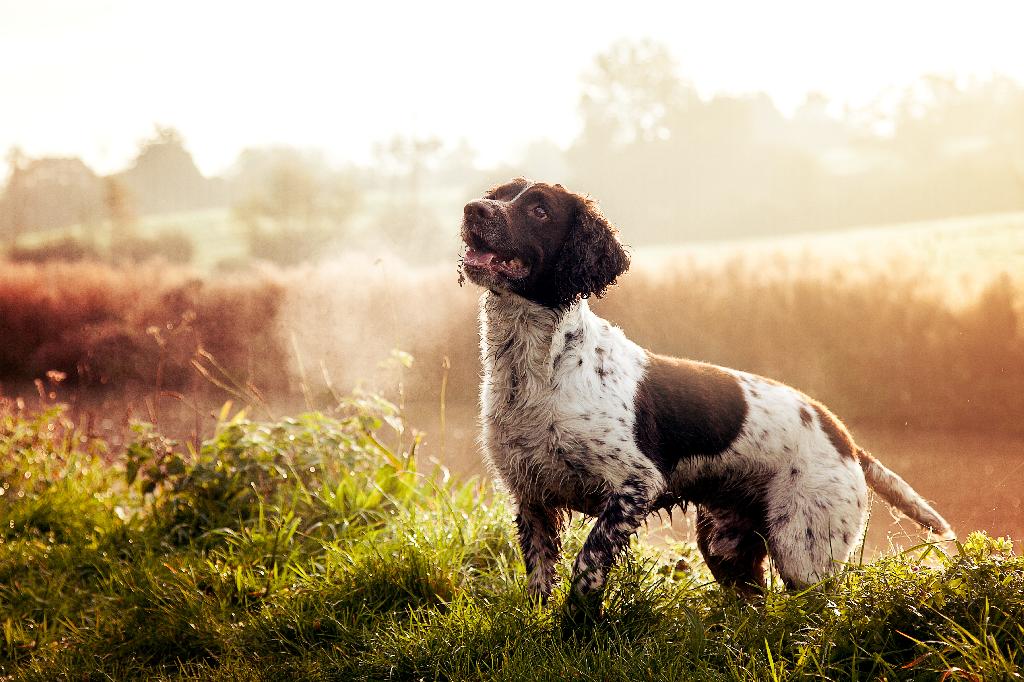
Temperature
Just like humans' dogs must maintain a certain body temperature to be healthy. As warm-blooded creatures, a dog's body temperature must stay at a certain range. If your pet's body temperature falls above or below this set level serious conditions can occur.
The normal temperature of an adult dog is between 100 to 102.5 degrees Fahrenheit. On average, most dogs' temperature is 101.3. For puppies, the temperature range is a little different. Puppies can have a temperature range of 94 to 97 degrees Fahrenheit. Newborn puppies may not reach this range until they are at least one month old. This is why it is important to provide a heat source for newborn puppies especially if the mother dog is not present.
Heart Rate
Heat rate is another important vital that you should keep up with. Dog heart rates vary widely and are based on the size of your pet and its age. Newborn puppies should have a heart rate of 160 to 200 beats per minute.
Adult dogs on the other hand, normally have a heart rate between 60 to 140 beats per minute. When it comes to size, larger dogs have slower heart rates than smaller dogs. When out hunting, if your dog's heart rate reaches high levels, you should let them rest and potentially see a veterinarian.
Respiratory Rate
Last but certainly not least we have respiratory rate. A dog's respiratory rate will be affected by its level of activity. Your dog's breathing rate can also change if they are nervous, have a fever, or has eaten something toxic. If your pet has been running around their breathing rate will be much higher than normal.
A normal resting respiratory rate for an adult dog is 10 to 35 breaths per minute. On average your pet should be taking around 24 breaths per minute when not active. Anything above or below the normal resting respiratory rate could indicate that your dog is having health issues.
Slow or shallow breathing could mean your dog is going into shock due to trauma. Fast breathing could mean that your pet is having heart or lung problems. It is always a good idea to pay attention to your dog's breathing rate.
Also, keep in mind that dogs' pant to cool down when they are hot. This may look concerning but it's normal for a dog to pant when it's hot outside and they have recently been active.
As you can see, it is important to monitor your canines' vitals. Pets can't tell us when they are not feeling well.
However, their vital signs can help you determine if something is not right with your animal. If your pet's vitals are not as they should be, please make sure to take your dog to the vet as soon as possible. Doing so may save their life.
Related Aritlces
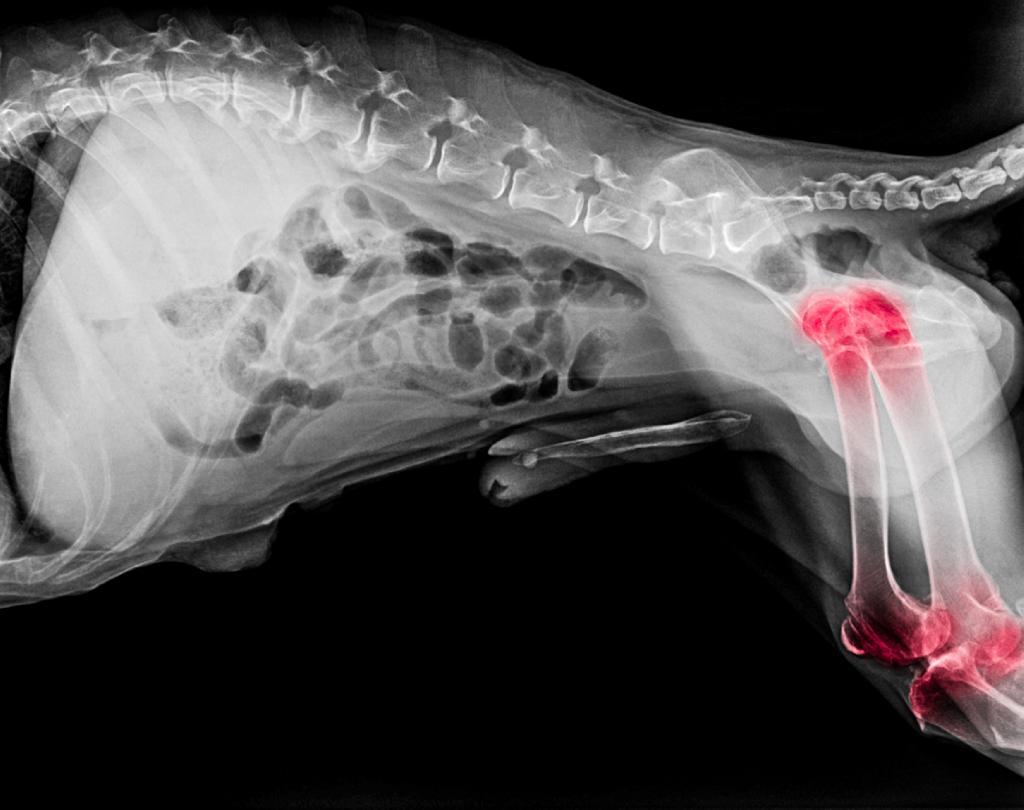
Causes, Symptoms and Treatment - Hip Dysplasia
A hunting dog's career can be cut short when it develops hip dysplasia, so it's essential to understand the causes of this condition, how to spot the symptoms, and what treatments are available to help your dog live its life as comfortable as possible. The good news is that you don't have to put down your best hunting dog just because it has hip dysplasia, with the right approach, you can give your dog many years of pleasure and fun in the field before he needs to retire.

Choosing a Dog Box
If you are in the market for a dog box to haul your dogs to field trials and hunting, there are a number of decisions you

Finding a reputable hunting dog breeder
Start by researching a breeder specializing in the hunting dog breed you're interested in, such as the English Pointer, Labrador Retriever, or Cocker Spaniel. Seek recommendations from experienced hunters, trainers, or local hunting clubs who might have firsthand knowledge about the breeder.