Causes, Symptoms and Treatment - Hip Dysplasia
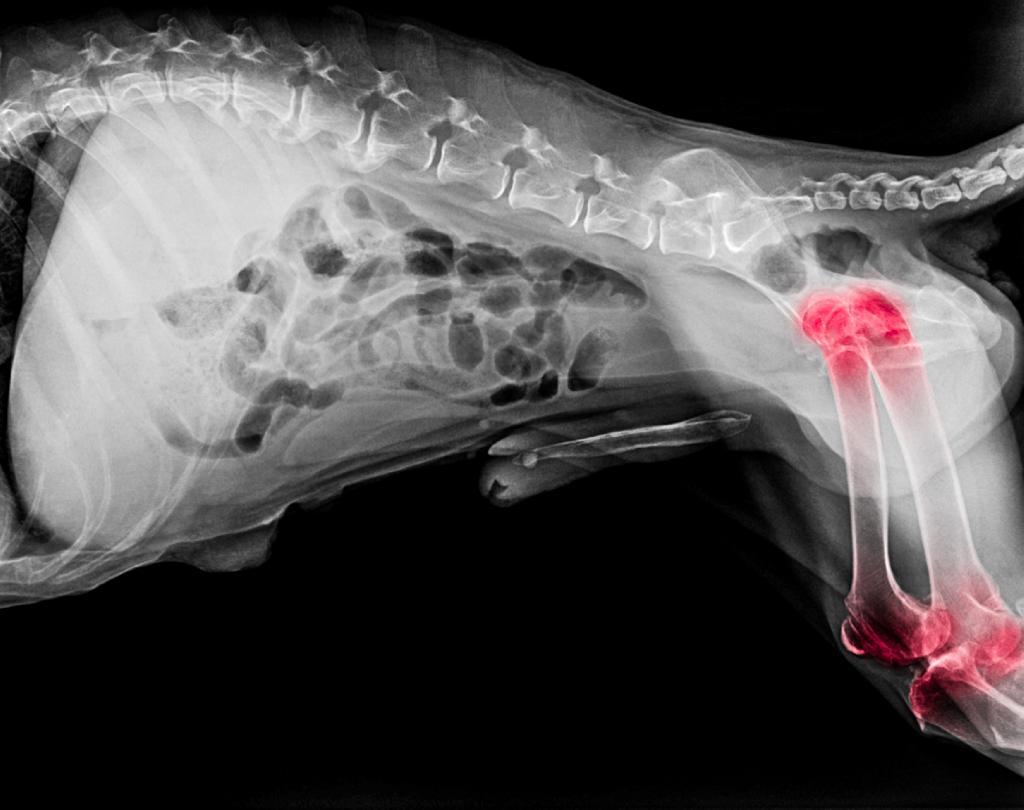
What Is Hip Dysplasia?
This is a condition popularly known to affect dogs. It happens when your dog's hip joint doesn't develop properly, causing the joint to be loose and unstable. This, therefore, results in lameness, pain, and even arthritis. The issue is usually diagnosed with x-rays, and treatment depends on the severity of the condition. What's more? The problem is often genetic; however, it can still be catalyzed by environmental aspects, including obesity or injury. Dogs suffering from this condition can have mild, moderate, or severe hip dysplasia. Dogs with the severe condition will have challenges walking and can even require surgery to correct the problem.
What Causes Hip Dysplasia?
1. Genetics
One of the most common causes of hip dysplasia is genetics. If both parents have a history of hip dysplasia, then there is a higher chance that their offspring will inherit this condition as well. However, there are some cases where only one parent has been diagnosed with hip dysplasia, and this can happen if the parents' hips were x-rayed at different times or if they had different breeds.
2. Excessive growth rate
Another cause of hip dysplasia is an excessive growth rate. Dogs that are born large tend to have more problems with their hips. This can be due to genetics or overeating during the first eight weeks of life. An underdeveloped uterus can also lead to a large pup which will also suffer from hip dysplasia. Some believe feeding puppies milk products before six months of age may contribute to hip dysplasia, but no research supports this theory.
3. Unbalanced nutrition
Too much calcium or vitamin D can lead to hip dysplasia. This is why it is so important for dog owners to be aware of any supplements that they are giving their pets. Too much calcium combined with a poor-quality diet can contribute to hip dysplasia. However, some natural canine diets also contain excessive amounts of vitamin D, which can lead to bone abnormalities. Some dog foods also use a high percentage of lamb and beef which have been linked to hip dysplasia in large breed puppies.
Symptoms of Hip Dysplasia
- Decreased activity
- Difficulty in rising, running, jumping, or climbing stairs
- Loss of thigh muscle mass
- Change in gait
- Lameness (particularly on one side)
- Sensitivity to touch on the hips and/or hindquarters
- Pain that worsens after a few steps
- Stiffness or limping
- Reduced range of motion
Diagnosing Hip Dysplasia in Dogs
If you think your dog may have hip dysplasia, the first step is to visit your veterinarian. They will likely perform a physical examination and take X-rays of your dog's hips. The X-rays will be evaluated for signs of hip dysplasia, such as joint laxity or subluxation. Your vet may also recommend a procedure called an OFA (Orthopedic Foundation for Animals) evaluation to confirm the diagnosis. Once analyzed, they'll receive results within about four weeks showing whether or not there are any problems with their hips.
Treatments for Hip Dysplasia
Treatment for hip dysplasia in dogs usually involves a combination of weight management, exercise restriction, pain relief, and joint supplements. In some cases, surgery may be necessary to correct the problem. Depending on the condition of your dog, vet recommendations will vary, which may include one of the following;
- Weight reduction
- Physical therapy
- Joint fluid modifiers
- Weight reduction
- Exercise restriction
- Joint supplements
Hip dysplasia in dogs that can cause pain and mobility problems. While there is no cure, there are ways to manage the condition and help your dog live a comfortable life. If you think your dog may have hip dysplasia, talk to your veterinarian about treatment options.
Related Aritlces
Causes, Symptoms and Treatment - Coccidia
Do you own a hunting or sporting dog? Then you should know about the danger of coccidia in dogs. You may have already heard of this disease because it is common among these breeds and can be serious if not caught early.

Causes, Symptoms and Treatment - Hookworms
Hookworms are one of the common intestinal parasites in dogs and cats. As the name suggests, hookworms have hook-like mouthparts that enable them to attach to intestinal walls. These microscopic germs may not be easy to catch with the naked eye. However, their impact on the animal's health can be dire. The parasites feed on the intestines by ingesting blood from the capillaries and other tiny blood vessels, thus causing inflammation.

Causes, Symptoms and Treatment - Giardia
Understandably, a good population of pet owners are worried about their pets catching a Giardia infection, thus acquiring Giardiasis. Statistical numbers show that about 15 % of dogs globally already have the disease. While Giardia is prevalent in cats and dogs, a variant of the parasite also infects human.