Causes, Symptoms and Treatment - Coccidia
What Is Coccidia?
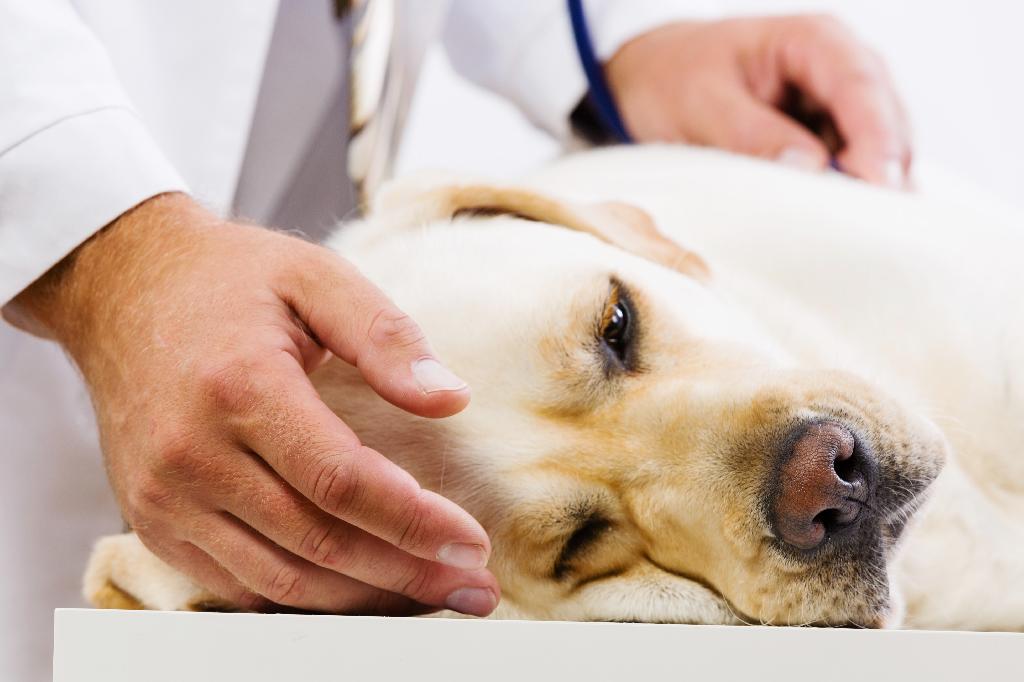
Research shows that almost 80% of dogs have been exposed to coccidia, but most don't develop parasite symptoms. Coccidia is microscopic single-celled parasites (protozoa) that infect the small intestine and are commonly found in dogs and puppies of all ages, breeds, and genders. In fact, it's one of the most common parasitic infections in dogs, but it rarely causes severe problems in adult dogs. However, untreated puppies can become severely dehydrated and can die if they're not treated quickly.
What are The Causes of Coccidia Infections?
There are several different causes of coccidia infection in dogs. The most common cause is ingesting the microscopic oocysts found in contaminated soil or water. These oocysts can also be found on contaminated food or on the fur of other animals. Infection can also occur if a dog comes into contact with the feces of an infected animal. Stress, overcrowding, and poor sanitation can also lead to an outbreak of coccidiosis. The disease will be most severe when there is not enough protein in the diet and not enough exercise.
Symptoms of Coccidia Infection
- Explosive diarrhea, which can be bloody
- Dehydration
- Vomiting
- Little or no appetite
- Watery and/or mucousy diarrhea
- Lethargy and weakness
- Abdominal discomfort
- Weight loss
Diagnosis of Coccidia in Dogs
The best way to diagnose Coccidia is for the vet to take a fecal sample and put it under a microscope. The vet will look at a slide of the fecal sample looking for oocysts. If oocysts are on the slide, this would be diagnosed as coccidiosis. The vet can also consider the following;
- The appetite consistency of your dog
- Diarrhea worsening
- Vomiting patterns
- Abdominal pain
After examination, your vet may decide that they need to give an x-ray or CT scan to see if there are any other diseases present. There could be many reasons your pet has been feeling ill, but the vet will most likely test for coccidia with these symptoms.
Possible treatment of Coccidia infection
There are many treatments available, depending on how severe it is. Some medicines can be taken orally or by injection; other cases require intravenous treatment with drugs that kill coccidia. other treatment options may include;
- Sulfa-type antibiotic
Also referred to as sulfadimethoxine, Sulfa -type antibiotics have been used to treat coccidia infections for decades. Although these drugs work well at killing the parasite, they may have side effects, including nausea, vomiting, diarrhea, and rashes. Additionally, sulfa-type antibiotics can make some dogs more sensitive to the sun, leading to an increased risk of skin cancer.
- Combination of sulfa antibiotics with other another drug.
If Sulfa-type antibiotics are ineffective, vets will often combine them with a second medication such as Albendazole or Metronidazole. These medications come with their own risks, but they're generally considered safer than sulfa-type antibiotics because they do not cause stomach problems and hair loss like the latter.
- If the treatment of coccidia is successful, there are ways you can do to avoid reinfection. One way is to feed your dog boiled meat only once every four days instead of daily. Another way would be to use probiotics found in yogurt, kefir, and supplements while making sure you keep their environment clean. The last thing you want is to get your dog re-infected with coccidia, so take precautions!
If your dog shows any signs of coccidiosis, it's essential to take them to the vet immediately. With prompt treatment, most dogs make a full recovery. However, if left untreated, coccidiosis can be fatal. It may also cause long-term damage to the intestines. Early diagnosis and treatment by a veterinarian will help ensure your pup's speedy recovery.
Related Aritlces
Causes, Symptoms and Treatment - Hip Dysplasia
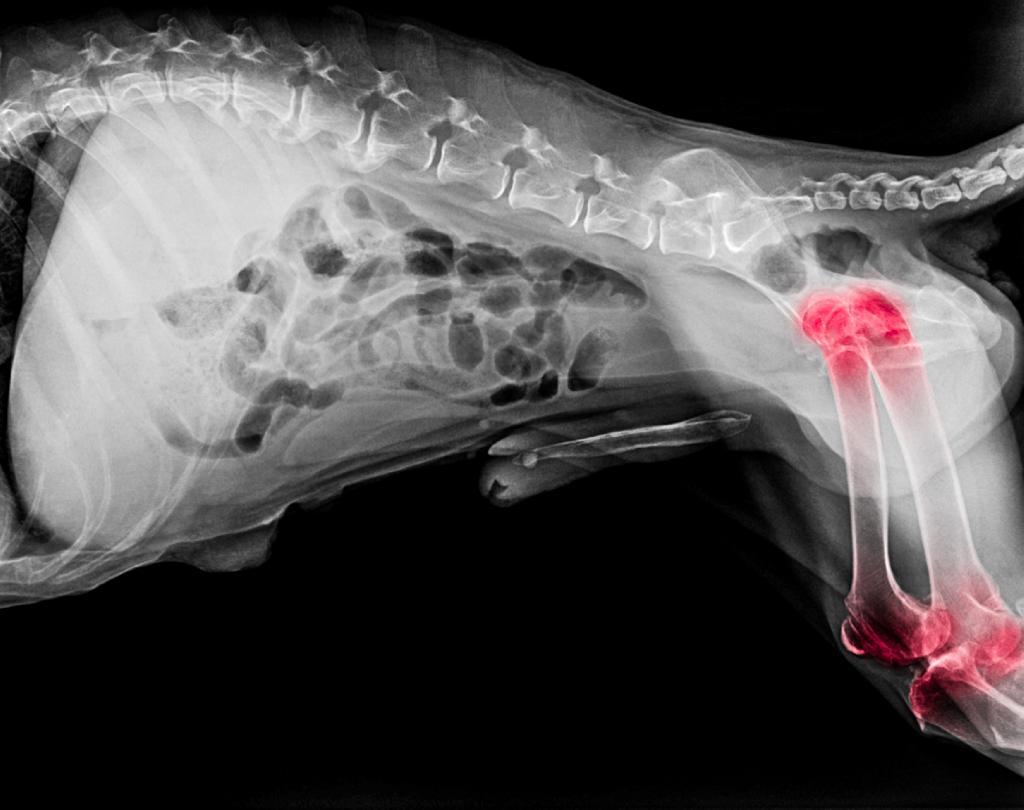
A hunting dog's career can be cut short when it develops hip dysplasia, so it's essential to understand the causes of this condition, how to spot the symptoms, and what treatments are available to help your dog live its life as comfortable as possible. The good news is that you don't have to put down your best hunting dog just because it has hip dysplasia, with the right approach, you can give your dog many years of pleasure and fun in the field before he needs to retire.

Causes, Symptoms and Treatment - Hookworms
Hookworms are one of the common intestinal parasites in dogs and cats. As the name suggests, hookworms have hook-like mouthparts that enable them to attach to intestinal walls. These microscopic germs may not be easy to catch with the naked eye. However, their impact on the animal's health can be dire. The parasites feed on the intestines by ingesting blood from the capillaries and other tiny blood vessels, thus causing inflammation.

Causes, Symptoms and Treatment - Giardia
Understandably, a good population of pet owners are worried about their pets catching a Giardia infection, thus acquiring Giardiasis. Statistical numbers show that about 15 % of dogs globally already have the disease. While Giardia is prevalent in cats and dogs, a variant of the parasite also infects human.