Causes, Symptoms and Treatment - Hookworms
Causes of Hookworms
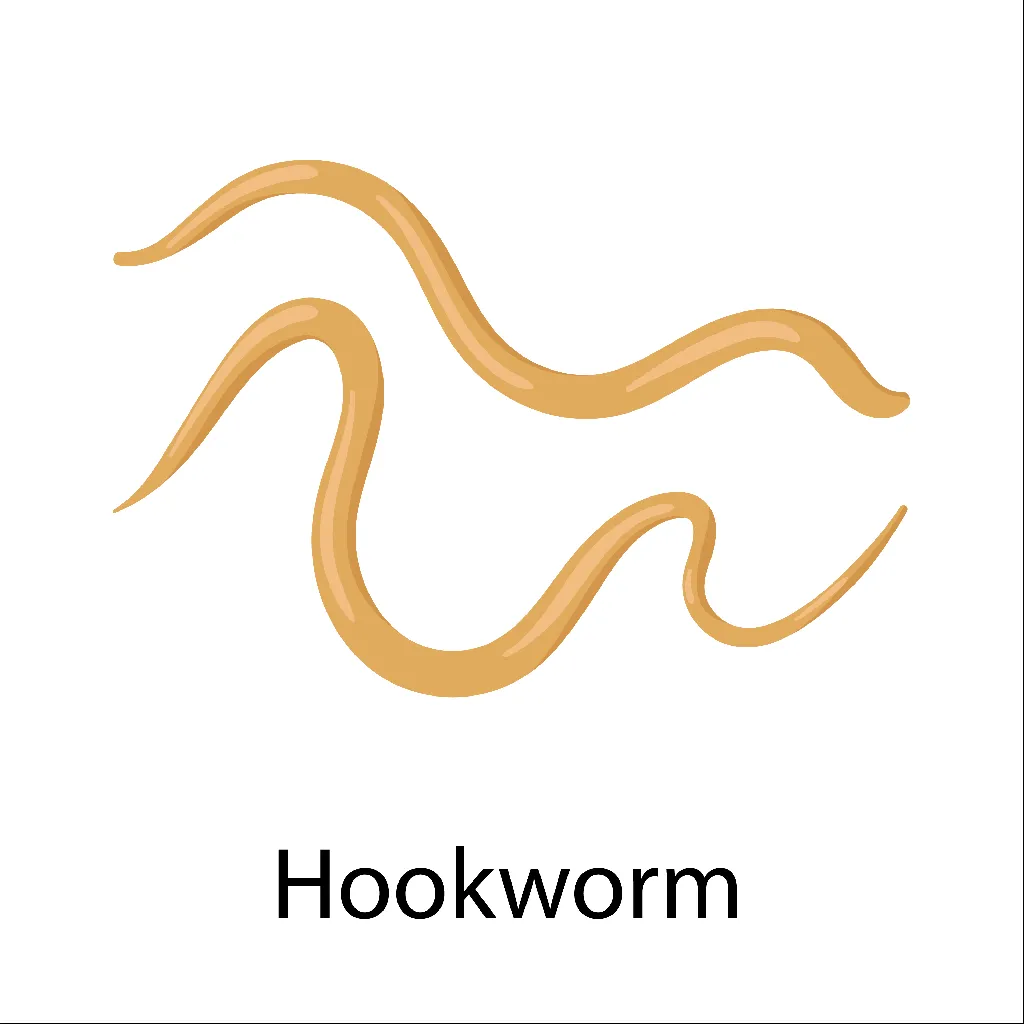
There is an entire cycle toward a hookworm infection. Typically, dogs can get infected orally, via the skin, through the mother's milk and finally before birth through their mother's placenta. These several routes increase the risk of animals obtaining a parasite infection compared to other parasites such as Giardia.
Essentially, hookworm development begins when a female hookworm lays numerous- often hundreds of eggs in the faeces of the infected dogs, thus contaminating the environment. Within 24 to 48 hours, the eggs hatch into a noninfective larva. The larva remains harmless for a while but not for too long. In about two to three days, the larva matures into an infective non-feeding larva. A dog may come in contact with hookworm larva by swallowing contaminated food, sniffing faeces or grooming themselves after walking in contaminated environments. The larva may attach to vital parts of the dog's body, including the lymph, blood vessels, respiratory tract and muscles.
Unfortunately, hookworms are relatively stubborn and can live in the animal's intestines for weeks, months or even years in the case of reinfection. Their persistence is partial because the hookworm lifecycle can start in the environment and end while the parasite is already in the host's body. The invasion mode also affects the infected part of the host's body. For instance, when swallowed, the larva may travel straight to the lungs without affecting the tracheal or lung passage.
Symptoms of Hookworms
Hookworms primarily target the small intestines; thus, most signs are associated with a change in feeding patterns and intestinal distress. Since hookworms feed off blood vessels, they are most likely to cause ulcers or sores. That often leads to loss of blood, easily noticeable through bloody stool. The continuous blood loss may lead to anaemia, whose signs feature pale gums and general body weakness. Other signs and symptoms include:
- Dullness or dryness of hair coat
- Significant loss of weight
- Slow growth in puppies
- Coughing
- Itching and irritation on the skin and toes
Although hookworms are microscopic, thin strings in a dog's faeces are a good reason to suspect infection. Visiting a vet as soon as possible is advisable for a more accurate examination. Catching a disease in the hunting dog breeds may be more complicated as they are likely to defecate in different places. Thus potentially putting other animals at risk.
Treatment For Hookworms
Hookworm infections are treatable, and there are several oral medications helpful in eliminating the parasite. However, there are a lot of factors that come into play when treating a dog for hookworms. Some of these factors include the age of the dog. Typically, puppies are at a higher risk of succumbing to hookworms as additional care is needed while treating them. That is because they are at a higher risk of contracting Pneumonia, and in severe cases, infections may lead to lung damage, thus the need for supportive medication.
The vet is most likely to prescribe deworming medication to aid in eliminating the parasites. It is also advisable to deworm pregnant females to reduce the chance of infection of their young ones, which is often facilitated by the mammary tissues. These tissues come with zero to no side effects, therefore safe for most dogs. Usually, veterinarians will recommend treatment after two weeks of the first dosage. It is necessary to rid the host's body of newly matured worms.
Depending on the severity of the infection, the dog may require hospitalisation and, at times, blood transfusion to recover lost blood. Visiting the vet early enough is crucial for a better prognosis.
Additional practices include regularly cleaning their kennels, litter boxes, other surfaces and the environment. The hunting breed of dogs is harder to control as they could get the infection from anywhere. Although there are no approved yard products to eliminate hookworms, sanitary steps such as collecting faeces from the yard could aid in prevention.
It is worth noting that some variants of the parasite can infect human beings. Hence it is crucial to handle sick dogs with absolute care.
Related Aritlces
Causes, Symptoms and Treatment - Coccidia
Do you own a hunting or sporting dog? Then you should know about the danger of coccidia in dogs. You may have already heard of this disease because it is common among these breeds and can be serious if not caught early.
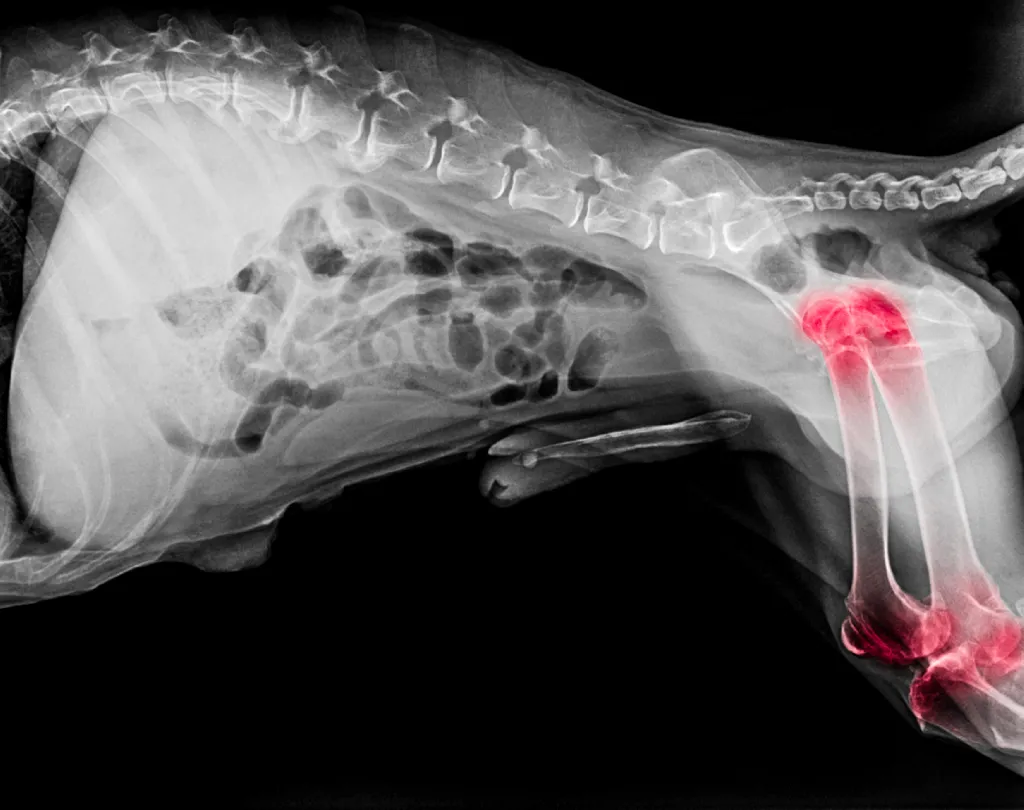
Causes, Symptoms and Treatment - Hip Dysplasia
A hunting dog's career can be cut short when it develops hip dysplasia, so it's essential to understand the causes of this condition, how to spot the symptoms, and what treatments are available to help your dog live its life as comfortable as possible. The good news is that you don't have to put down your best hunting dog just because it has hip dysplasia, with the right approach, you can give your dog many years of pleasure and fun in the field before he needs to retire.
Causes, Symptoms and Treatment - Heartworms
Hunting dogs spend much of the day outdoors, where mosquitoes are prevalent, the primary vector for Heartworms. But what are heartworms, and how severely can they impact your dogs health?