Causes, Symptoms and Treatment - Heartworms
What Are Heartworms in Dogs?
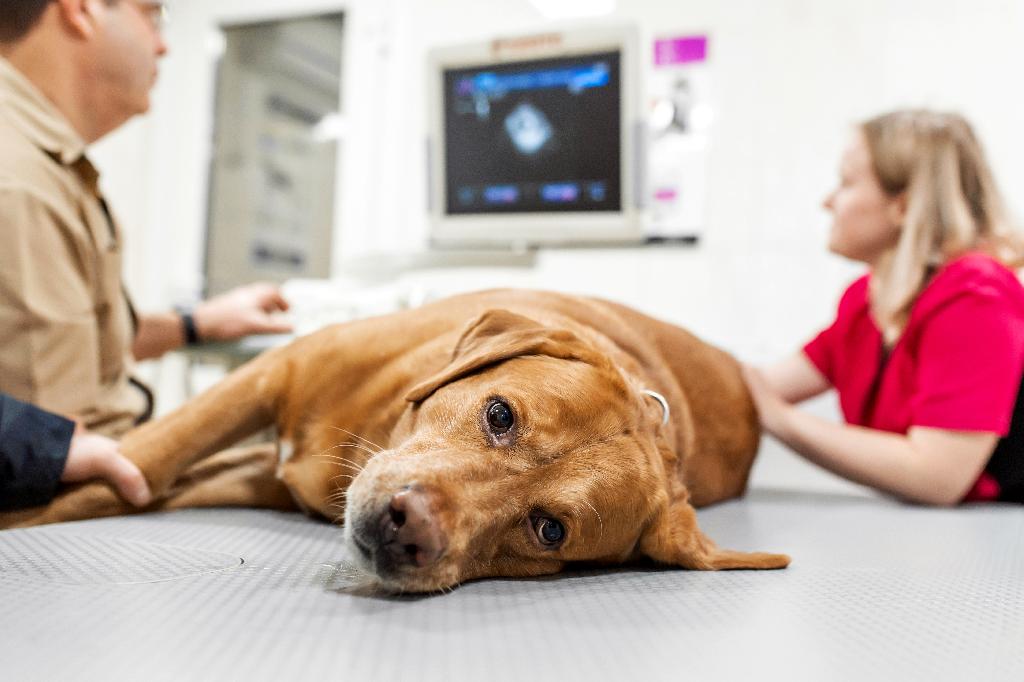
Heartworms are parasitic nematodes living in dogs' hearts, breeding and feeding on it. These worms find their way into dogs' bodies by penetrating the skin and moving through blood vessels before settling in the heart. They live within the heart's chambers and inhibit valve movement, including closure and opening. That weakens the organ and hinders proper blood pumping, eventually making your dog too frail to survive.
Causes of Heartworms in Dogs
A single heartworm-infested bite is sufficient to make your dog ill since it injects the parasite into the bloodstream. Unlike other animals, dogs are usually the natural host for the parasite, providing a more conducive environment for them to proliferate. These worms typically take up to nine months to mature, meaning it's challenging to notice any early signs of their infestation. Heartworms are always passive in their early stages, mainly developing outside the host's bodies. Here, mosquitoes play a more significant role in their cycle, making them ideal vectors for the parasite.
The Role of Mosquitoes in Spreading Heartworms in Dogs
The parasite is incredibly microscopic, known as microfilariae during this stage. Once a mosquito sucks an infected dog's blood, they draw out these microfilariae, where they flourish in the mosquito's body. While inside the mosquito's body, they develop into larvae and become more infectious, eventually moving to the mosquitoes' mouth. Once the infected mosquito bites another dog, they deposit these larvae.
The larvae then find their way to the heart through the blood vessel. There, they'll develop to become adults, capable of compromising your dog's health. Adult heartworms in dogs have a long lifespan of between five to seven years, giving them the edge to survive and weaken your dog. Heartworm disease usually develops in four stages, and the further the phase, the worse it is, and the more apparent the symptoms are.
Symptoms of Heartworm in Dogs
The symptoms of heartworm disease phases include the following.
Stage One: Mild symptoms with an occasional cough. Sometimes, your dog may not even show any signs of infestation.
Stage Two: Fatigue and lethargy after the moderate exercise and a mild and more frequent cough.
Stage Three: Chest x-rays indicate a change in the heart and lung, implying a more severe infestation. Your dog may have trouble breathing and have symptoms of heart disease. Your dog may also be visibly frail and sickly with a more prominent cough.
Stage Four: Often the most acute stage characterized by a proliferation of adult worms in the heart chambers. Known as the Caval syndrome, it may require more intrusive surgical treatment to remove them physically, and your dog can succumb if treatment isn't early.
Heartworm disease can even compromise your dog's lungs, kidneys, and liver, leading to their potential death. Therefore, you should be proactive with treatment and preventative care.
Treatment and Preventative Care
The best treatment for heartworm disease is preventative care. It's much more straightforward to prevent potential infection than waiting until later when treatment only becomes palliative. The good news is that dogs' heartworm is treatable and is usually more effective when caught early. Treatment should only be by prescription, by a veterinarian since the oral and topical tablets they give you are potent. Your dog may also need an injection every six to twelve months. Moreover, taking your dog for regular checks helps identify the possibility of the worm developing without you knowing since some dogs can only be carriers without exhibiting symptoms.
Heartworms in dogs can quickly make them frail and eventually lead to their death if you fail to act. These worms are hardy and specific to canines, and treatment should always be more targeted to eliminate them, leaving your pet healthy and happy.
Related Aritlces

Causes, Symptoms and Treatment - Hookworms
Hookworms are one of the common intestinal parasites in dogs and cats. As the name suggests, hookworms have hook-like mouthparts that enable them to attach to intestinal walls. These microscopic germs may not be easy to catch with the naked eye. However, their impact on the animal's health can be dire. The parasites feed on the intestines by ingesting blood from the capillaries and other tiny blood vessels, thus causing inflammation.

Causes, Symptoms and Treatment - Coccidia
Do you own a hunting or sporting dog? Then you should know about the danger of coccidia in dogs. You may have already heard of this disease because it is common among these breeds and can be serious if not caught early.
Causes, Symptoms and Treatment - Hip Dysplasia
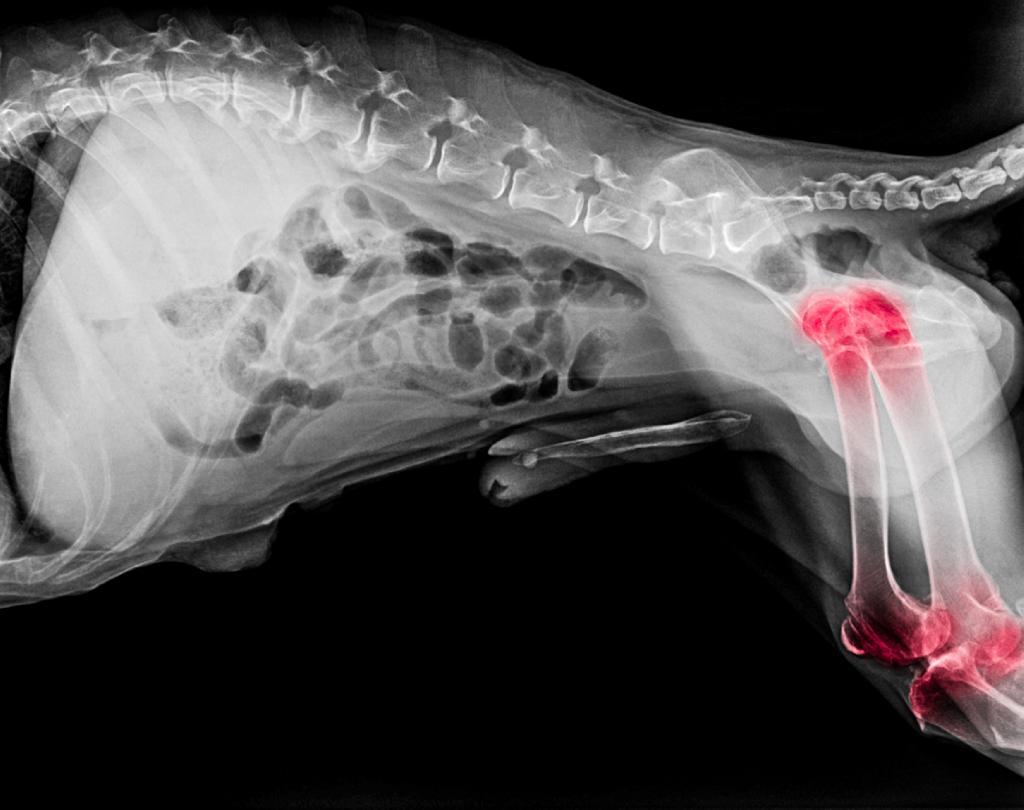
A hunting dog's career can be cut short when it develops hip dysplasia, so it's essential to understand the causes of this condition, how to spot the symptoms, and what treatments are available to help your dog live its life as comfortable as possible. The good news is that you don't have to put down your best hunting dog just because it has hip dysplasia, with the right approach, you can give your dog many years of pleasure and fun in the field before he needs to retire.