Causes, Symptoms and Treatment - Giardia

Causes of Giardia
Giardia is a tiny- almost microscopic parasite that attaches to the intestines of dogs. The germs may form cysts often passed in the animal's stool. The cysts facilitate the spread of germs through contaminated surfaces and ingestion by other animals or human beings. The cysts stay alive for weeks in soil, water, and other parts of the environment.
Therefore, dogs may get infected in various ways if they contact the contaminated areas. A few ways your dog might catch the disease is by:
- Walking in contaminated areas and then licking their paws.
- Drinking contaminated water
- Being in contact with contaminated poop from an infected cat or dog
- Playing in contaminated environments.
It is worth noting that the younger the dog is, the higher the chances of infection. Hunting dogs are also at a relatively higher risk since they are often exposed to several environments. That is because, typically, Giardia can survive in soil and water at somewhat colder temperatures. The parasites also thrive in moist and warm areas that obtain direct sunlight.
Symptoms of Giardia
The signs and symptoms of Giardia manifest in dogs with mild to severe symptoms. A compromise in the animal's immune system causes a higher risk for the deterioration of the dog's health and, worst cases, could lead to death.
The most common symptom of Giardia is diarrhea. Since the parasite affects the small intestines, it affects digestion. Therefore, the dog may pass out stool more frequently than usual. Additionally, the stool may be bulkier and smellier since most of the food is undigested.
The bout of diarrhea consequently leads to dehydration and significant weight loss; thus, the dog may become thinner within a short time. The dog will appear dull and weak. In some cases, Giardia may cause vomiting. If Giardiasis goes untreated, it may cause death. It is also worth noting that these signs may take longer to show in some animals than others.
Treatment of Giardiasis
The good news is that Giardiasis is treatable. It is advisable to take your pet to the vet at the occurrence of the symptoms above. Giardia can only be diagnosed and treated by a licensed veterinarian as an over-the-counter medication is not available. Prescribed medication is often a five-day course dosage of Metronidazole or Fenbendazole.
Thanks to technology, Giardia tests have improved from the traditional 'stool under the microscope test. Several modern tests offer accurate results. They include the Immunofluorescent assay (IFA), Enzyme-Linked Immunosorbent Assay (ELISA) and the Polymerase Chain Reaction (PCR).
During and after the treatment, the dog may need more fluids to aid recovery and additional nutritional support to regain weight loss. It is usual for the dog's appetite to be affected for a couple of days; thus, serving them small meals frequently is crucial.
Extra hygiene measures such as bathing the pet with shampoo, cleaning dog toys and all surfaces around the house are also helpful in preventing reinfection.
It is also vital to note that sick dogs continue passing out the Giardia cyst until they are fully treated. That calls for properly disposing of their stool to avoid human infections or spreading to other animals. The basic steps are wearing gloves while cleaning and washing hands thoroughly with soap and lots of water after coming into contact with the dog and before eating.
Ideally, the combination of medication, proper hygiene, adequate nutrition, and rehydration should be enough for the dog's recovery. The hunting breeds may need to be confined for a couple of weeks until they are well to prevent reinfection and the spread of the disease.
Fortunately, the Giardia vaccine that has been in the works is now commercially available. Consult your veterinarian for more information on when your dog is vaccinated.
Related Aritlces
Causes, Symptoms and Treatment - Hip Dysplasia
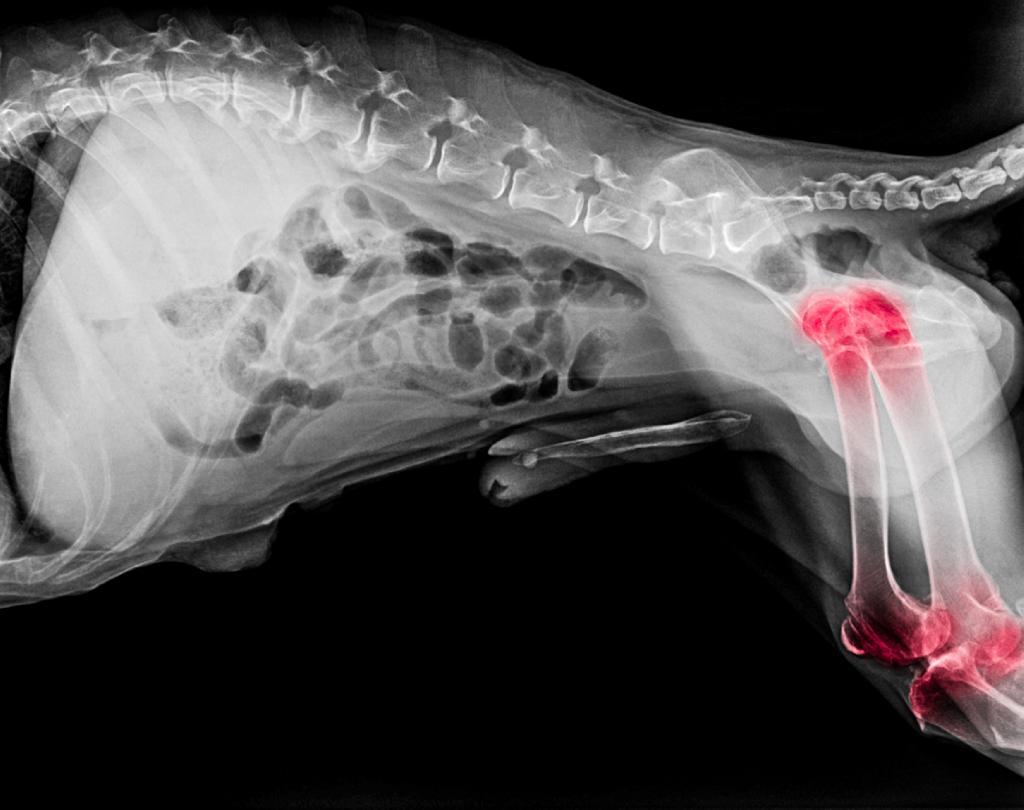
A hunting dog's career can be cut short when it develops hip dysplasia, so it's essential to understand the causes of this condition, how to spot the symptoms, and what treatments are available to help your dog live its life as comfortable as possible. The good news is that you don't have to put down your best hunting dog just because it has hip dysplasia, with the right approach, you can give your dog many years of pleasure and fun in the field before he needs to retire.
Causes, Symptoms and Treatment - Coccidia
Do you own a hunting or sporting dog? Then you should know about the danger of coccidia in dogs. You may have already heard of this disease because it is common among these breeds and can be serious if not caught early.

Causes, Symptoms and Treatment - Hookworms
Hookworms are one of the common intestinal parasites in dogs and cats. As the name suggests, hookworms have hook-like mouthparts that enable them to attach to intestinal walls. These microscopic germs may not be easy to catch with the naked eye. However, their impact on the animal's health can be dire. The parasites feed on the intestines by ingesting blood from the capillaries and other tiny blood vessels, thus causing inflammation.