Article Database
These page is loaded with Featured Articles
The Poop Scoop
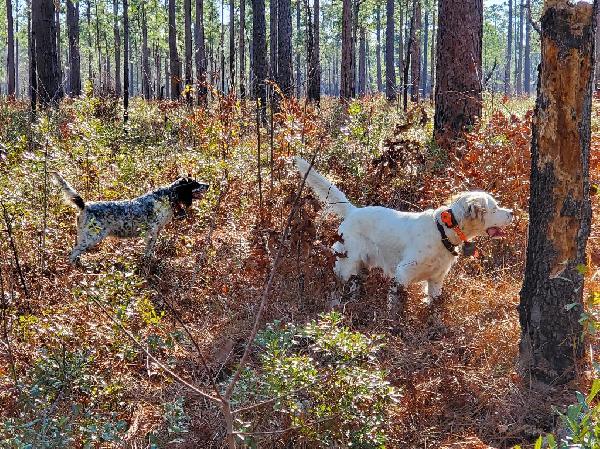
My brace of setter drifted in and out of view. Their range was typical for their shooting dog genetics, and when I couldn’t see them my focus turned to the long skeins of Spanish moss that dripped from every cypress branch. Wind gusts pulsed the moss like a summer breeze luffs weeping willow stems. On one such I could see far ahead and Cider and Bee were on point.
The Long Journey Home
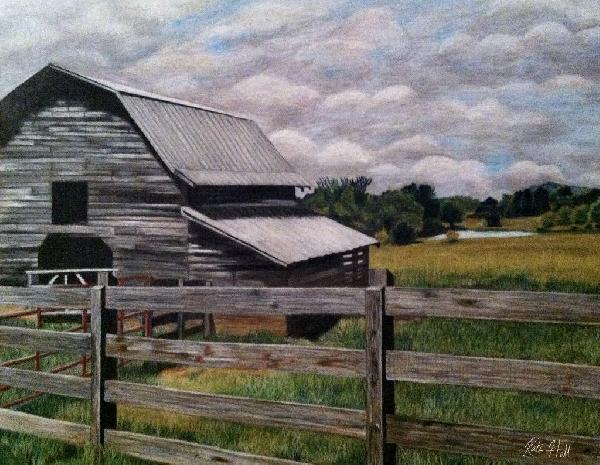
It would have been different had Belle been at home. She would have found a safe warm spot near the hay loft. Randall would have looked in on her throughout the day, more than likely bringing her bits of leftover bacon and biscuits and making sure the pups had a clean place to be whelped. She was royalty at Bent Pine and didn’t kennel with the other dogs. She had the run of the plantation. Her favorite place to lie, be it summer or winter, was under the rail fence of the barn lot. There, she was shaded in the summer by huge spreading oak and beech trees. In the winter she was warmed by the sun shining through those same trees then leafless and unable to fend off the warm welcomed rays. She laid under the bottom rail that was positioned just right to offer a scratch to her long back whenever she chose to do so. It was perfect. The spot seemingly offered a respite, though actual work didn’t exist for Belle. Maybe she enjoyed the spot for reflection, that now, she had aplenty. From her favorite spot she could view anything approaching the main house, as well as view over a mile of cleared bottomland, a bottom that stretched eastward to the Black Warrior River and south for three miles farther than Belle could see from the rails even on a clear day.
Six “Military” Style Methods to Outsmart Late Season Roosters
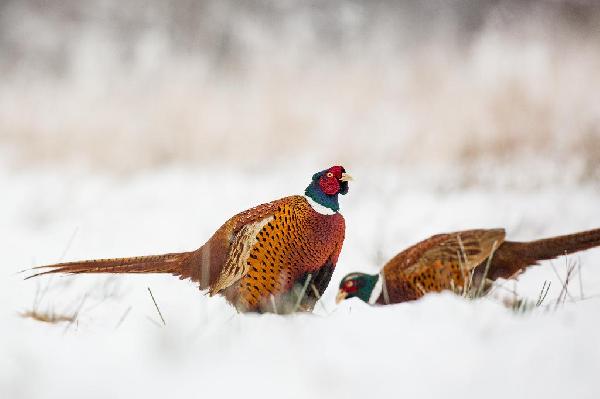
By now late season roosters have been hunted hard, so they’re more wary. Hardened and experienced, these birds flush at greater distances at the mere sound or sight of danger. Add paranoia and the uncanny ability to become elusive and scarce when things get dicey. Veteran roosters know that slow birds of mind and wing are shot. Taking to the air is the last option as mature birds stay grounded and use their feet instead of wings to escape.

Overcoming In-Season Obstacles with Your Bird Dog
Between dangers in the field and training-related issues while hunting, how do you handle and prepare for obstacles that may arise this season?
HUNT DOVES ALL DAY
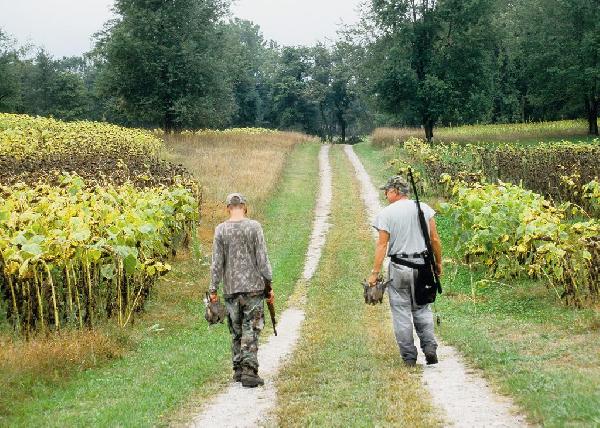
There had been no birds for at least an hour. The last dove that flew by was met with a string of pellets. The dove lay next to five others on an old heavy, weathered canvas bag that saw double-duty in the duck blind. I looked up at my father, and he was gazing into the blue sky. He must’ve sensed me staring at him, because he turned to me with a smile and said in Spanish, “Let’s stay the whole day out here.” I nodded in agreement and gathered up two frijoles negros sandwiches for us to eat. We sat and talked and continued watching for doves that never came. I was happy to spend all day with my father and not see a thing.
CHAMPION WHEELYBIRD AUTO-FEED TRAP REVIEW
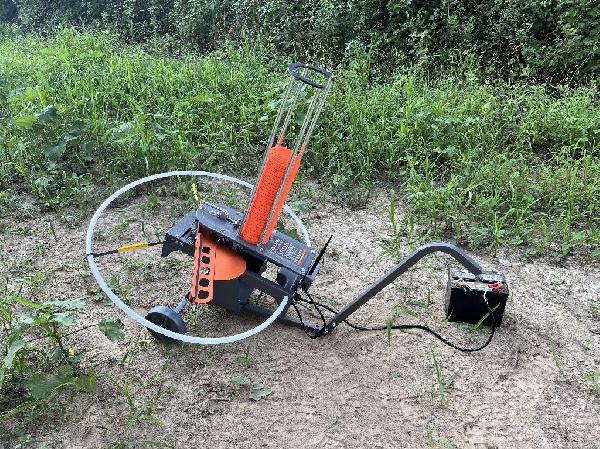
I've had my eye on this electronic clay thrower for a few years. Browsing the sporting goods section of the local Walmart, I'd see this unit sitting in the store's back corner. I've debated buying it several times in the past but always talked myself out of it. I have a hand thrower and a manual spring load trap that I've used for years. The problem with these is you have to have a partner tag along to use them. Coordinating with someone else is not always the most convenient when you're just looking for a quick tune-up. The manual trap I own does have a trigger that you can attach a string to, so it can be released from a distance, but this has never worked well for me, and you still wouldn't be able to release and shoot your own targets. The manual trap was too difficult for my wife and kids to operate, so I usually loaded and threw while they shot. The hand thrower isn't much different. Since all my kids have flown the coup, I was looking for a way to practice shooting before bird season without needing help. It's probably not advisable to go shooting by yourself, but the main reason I purchased this thrower was in the hopes I could release and shoot targets on my own. I also picked up one of the Wheelybird Wireless Remotes, although the foot pedal would have been easy enough to operate. Now, I can move around without a tether, so I can get a look at different shots without adjusting or moving the machine.
Waterfowlers Glossary
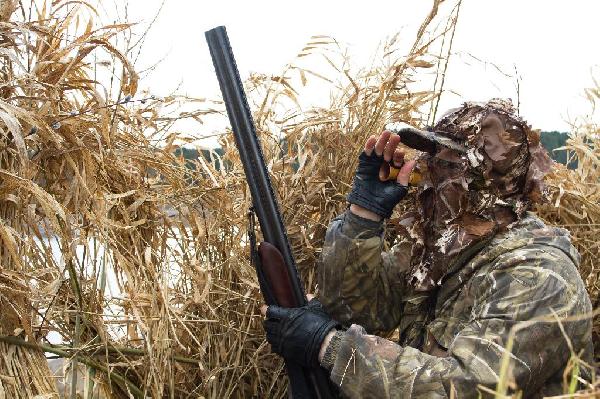
Each subgroup of the hunting culture has their own language. Within that, every group of hunting friends have their own terms and points of reference in the blind. One of the many things we can agree on as we talk to non-hunters is that it is “Canada geese”, not “Canadian geese”. Here is a sampling of more general terms wingshooters becoming familiar with waterfowling can use.
The Importance of Mental Stimulation for Sporting Breed Puppies
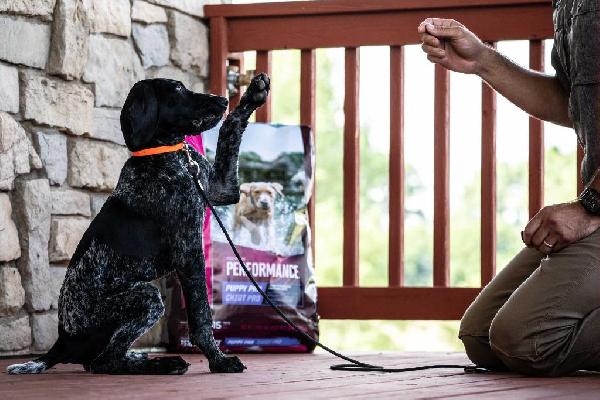
Training your puppy starts the moment he comes home, and it begins with mental stimulation. Keeping him on task from the beginning will build a better adult sporting dog—but how do you do it? Read on for advice on how to hold a puppy’s attention.
Nutrition to Support Your Sporting Breed Puppy’s Digestive Health
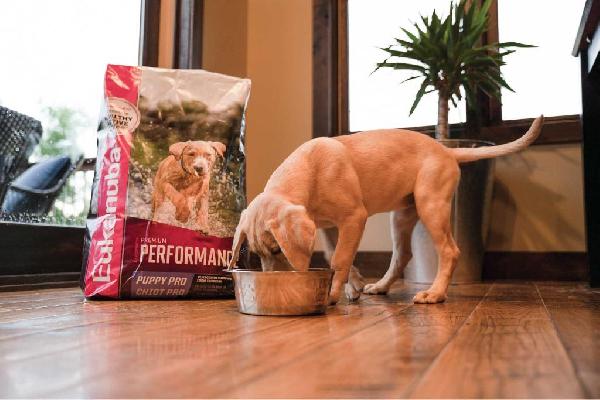
Digestive health is integral to a puppy’s overall health. The digestive system turns food into building blocks (nutrients) used by every other system, such as the muscular, skeletal, respiratory, and nervous systems, for proper growth and development. Feeding a highly digestible, nutrient-dense puppy food can help a highly active puppy’s body put vital nutrients to work with optimal efficiency.
4 Great Ways to Shoot Your Dog
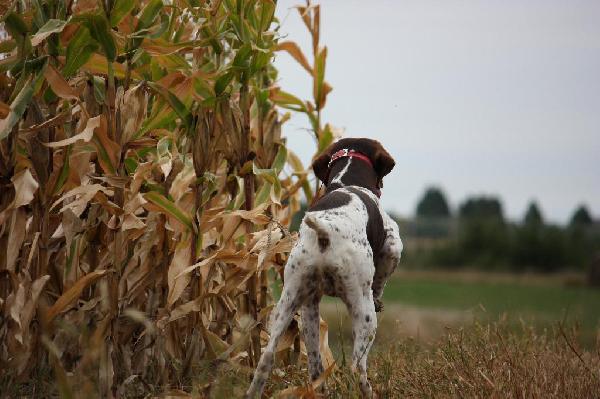
Karl, a German shorthaired pointer, zig zagged his way through the humid, early season corn maze. These South Dakota stalks stood tall, taller than even an NBA center, and if a bird flushed up it’d make for tricky shooting. To harvest a bird over a point, Karl’s owner knew he’d need to get out to the edge. When there was an opening he headed west, and stopped where the last row of stalks met the winter rye.
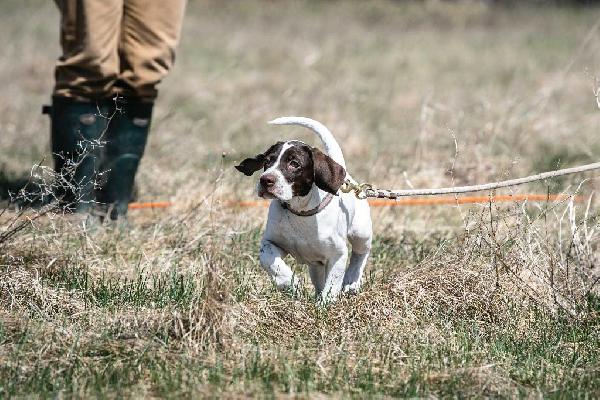
Nutrition’s Role in Supporting Your Sporting Breed Puppy’s Immune System
A sporting breed puppy’s exposure to the natural world can occur early in life, and frequently. Introduction to the woods and waters in which they will eventually work is important for future training. However, these environments often contain pathogens that can challenge a young puppy’s immune system. Selecting a nutrient-dense diet with prebiotics and a fortified antioxidant complex can help support a puppy’s developing immune system and natural defenses. A strong and functional immune system helps a puppy’s body identify and address potential pathogens, including bacteria, viruses, and parasites.
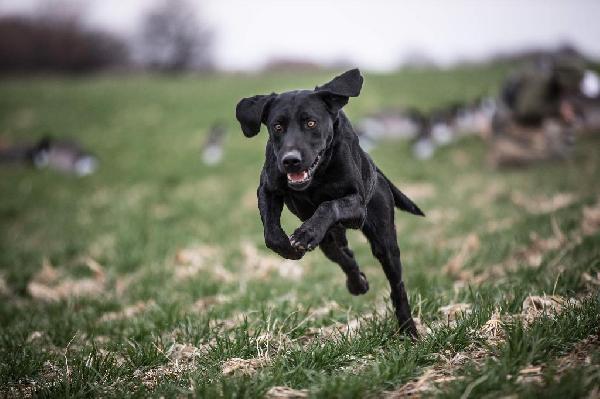
How To Support Joint Health in Your Sporting Dog
When we think about the longevity of our hardworking sporting dogs in the fields and blinds, joint health is often a point of concern. They run hard in a variety of conditions, they jump over logs or stone walls, and they twist and turn their way through fields and covers. Those aggressive movements can put a tremendous amount of stress on their joints.
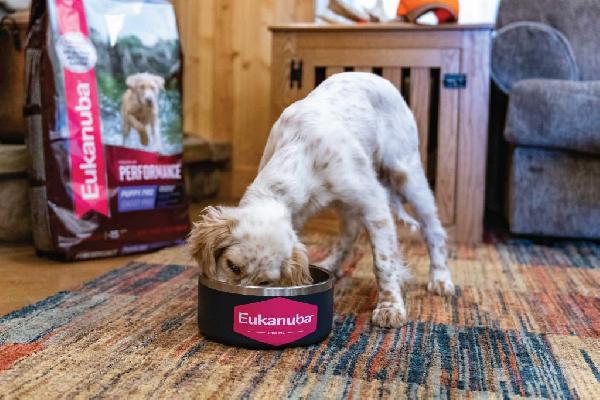
How Much to Feed a Sporting Breed Puppy
Puppies are a lot of things. They’re curious, they take a lot of naps, and when they wake up they’ve got a tremendous amount of energy. They’ve got powerful appetites and are always on the lookout for the next meal. But there’s more to feeding a puppy than filling up a bowl with kibble.
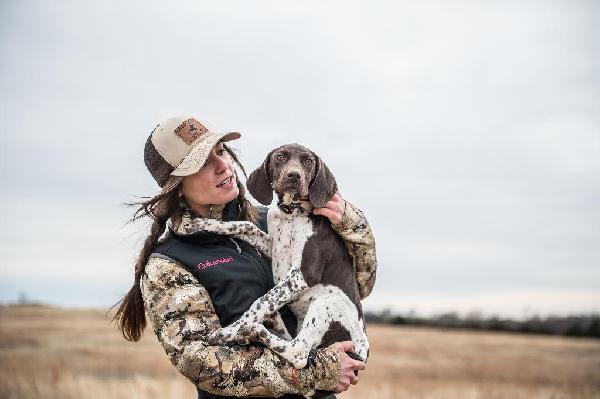
When and How to Socialize a Sporting Breed Puppy
Socializing puppies when they’re young is key to building strong and confident adult sporting dogs. Puppies need to learn about everything, which includes the environments in which they’ll live and work, people, other dogs and animals, and routine care. Read on for some tips on when and how to start socializing your sporting breed puppy.
Should Your Sporting Dog Shift to an Off-season Diet?
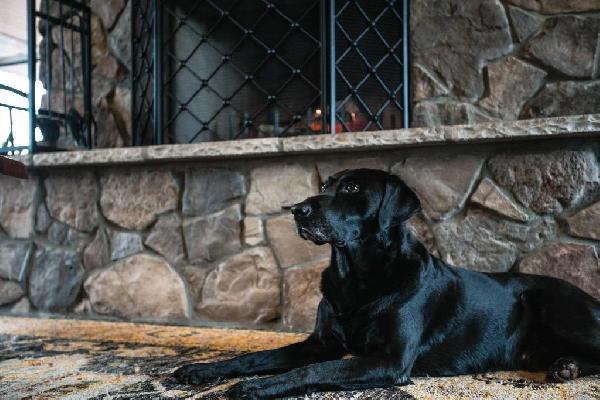
Sporting dogs burn a lot of calories during the hunting season. To support their elevated nutritional needs, savvy handlers feed them performance kibble. Off-season nutritional needs are often different, and that’s why many handlers shift a dog’s diet to one with lower amounts of fat and calories.