Nutrition’s Role in Supporting Your Sporting Breed Puppy’s Immune System
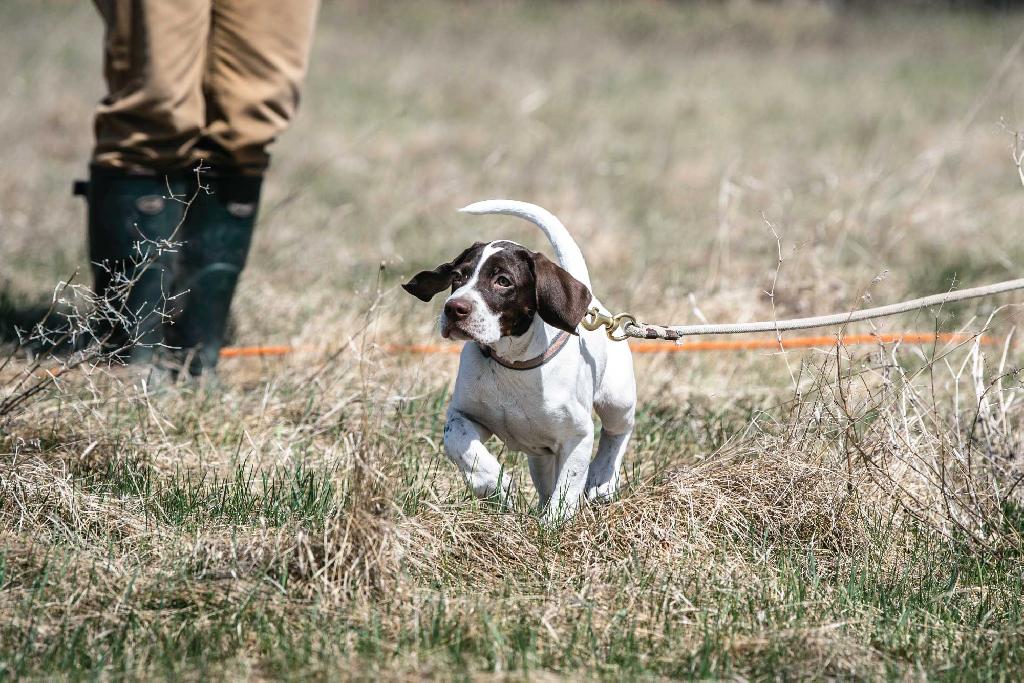
Understanding Your Puppy’s Immune System
A puppy’s immune system is highly complex and consists of many different types of cells and organs, but put simply it can be thought of as a defense system against invading pathogens. The first line of defense is actually the skin, which provides a physical barrier to external pathogens. There are other barriers as well, including the gastrointestinal (GI) tract. If these primary barrier systems are compromised, the body has additional protective responses, including white blood cells (called leukocytes) that identify and inactivate pathogens, and lymph nodes that help filter the blood. Overall, the immune system’s function is to recognize pathogens and then react to help prevent infection.
[%BANNER-EUK650%]
The Connection Between GI Health & Immune Support
The GI tract, which hosts the majority (approximately 70 percent) of the body’s immune cells,1 is an important component of the immune system. However, it is also a common route whereby invading pathogens can enter the body. It is important to remember that potential pathogens are a common component of the intestinal microflora. For this reason, promoting a healthy GI tract in your puppy is essential to supporting his natural defenses.
Feeding your puppy a highly digestible, complete, and balanced diet that also contains prebiotics and soluble and insoluble fibers can help support a healthy intestinal microbiome. Specialized fibers, such as dried plain beet pulp or fructooligosaccharides (FOS) serve as nutrients for beneficial bacteria and support a healthy gut microflora.
The Role of Antioxidants in Immune Support
A puppy’s initial immune protection comes from colostrum, which is the first milk production from the puppy’s dam. Colostrum provides a puppy not only with nutritional support, but also antibodies, which protect the puppy during the first few weeks of life. Beginning at between 4 and 6 weeks, maternal antibodies can begin to decline at rates that vary, even among littermates.2 The period when maternal antibodies are not high enough to offer sufficient protection for the development of a fully mature immune system is called the immunity gap.
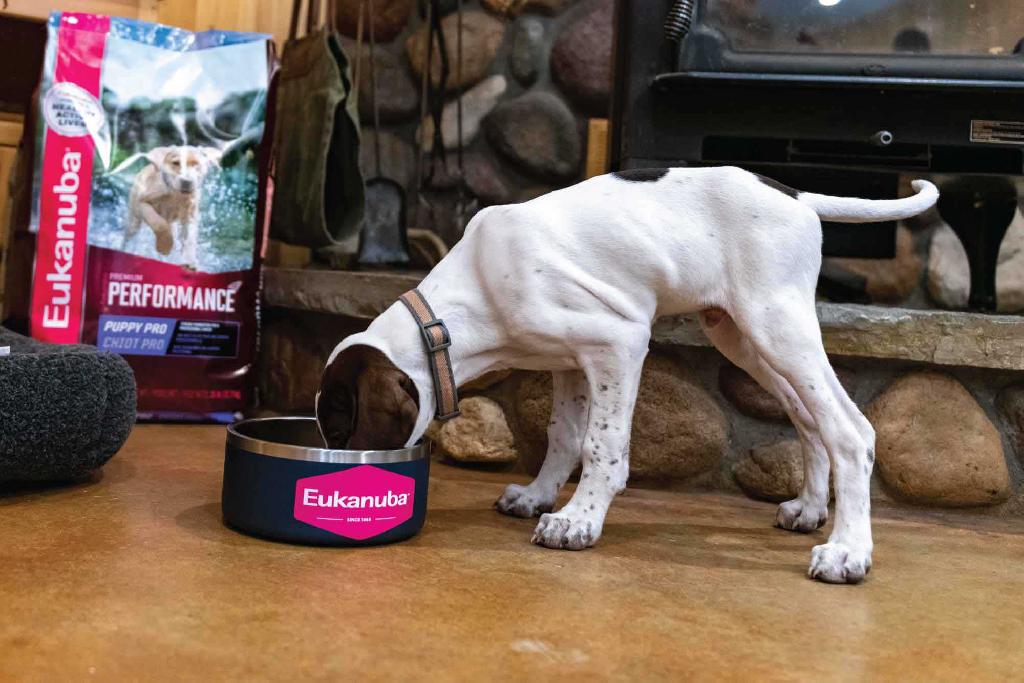
A puppy diet enriched with antioxidants can help support a developing immune system and a puppy’s natural defenses.3,4,5,6 Consider feeding your puppy a diet such as Eukanuba Premium Performance Puppy Pro, which utilizes an advanced antioxidant complex of Vitamin E, Vitamin C, beta carotene, lutein, taurine, and beta glucan. Antioxidants can also help protect against the negative impact of free radicals, which are the byproducts of metabolism and age-appropriate activities.
Starting a puppy off on the right nutritional path is an important part of supporting his immune system. It’s especially important for sporting breed puppies, which may have higher environmental exposure. Help give your puppy a strong nutritional foundation by selecting a diet that is scientifically formulated to support his active lifestyle and natural defenses. To learn more about Eukanuba’s Premium Performance Puppy Pro, visit eukanubasportingdog.com/premium-performance-puppy-pro.
1 Vighi, G., Marcucci, F., et al. (2008). “Allergy and the Gastrointestinal System.” Clin Exp Immunol, 153 (Suppl 1), 3–6. doi: 10.1111/j.1365-2249.2008.03713.x
2 Chastant, S. and H. Mila. (2019). “Passive immune transfer in puppies.” Ani. Repro. Sci. 207, 162-170. doi: 10.1016/j.anireprosci.2019.06.012
3 Shi, N., Li, N., et al. (2017). “Interaction Between the Gut Microbiome and Mucosal Immune System.” Military Med Res 4, 14–21. doi: 10.1186/s40779-017-0122-9.
4 Wu, H.J. and Wu, E. (2012). “The Role of Gut Microbiota in Immune Homeostasis and Autoimmunity.” Gut Microbes 3(1), 4–14. doi: 10.4161/gmic.19320.
5 Massimino, S.P., Daristotle, L., Ceddia, M.A., & Hayek, M.G. (2001). “The Influence of Diet on the Puppy’s Developing Immune System.” Reproduction and Neonatal Health 10(10), 15–19.
6 Massimino, S.P., Hayek, M.G., Aaron, D.K., Ceddia, M.A., Adams, S.M., Halsey, L.L., & Kelley, R.L. (2000). “Dietary Antioxidant Supplementation Improves Immune Cell Activity and Antibody Production in the Puppy.” Presented at the 26th World Congress of The World Small Animal Veterinary Association, Vancouver, BC, 686 (abs).
[%BANNER-EUK728%]
Related Aritlces

How to Feed your Dog
Feeding hardworking gun dogs requires a bit more than scooping some kibble into a bowl. It's a simple three-step process that pays big performance dividends.

How To Support Joint Health in Your Sporting Dog
When we think about the longevity of our hardworking sporting dogs in the fields and blinds, joint health is often a point of concern. They run hard in a variety of conditions, they jump over logs or stone walls, and they twist and turn their way through fields and covers. Those aggressive movements can put a tremendous amount of stress on their joints.
How Nutrition Supports Trainability in Your Sporting Breed Puppy
Sporting breed puppies have a lot to learn. Nutrition that fuels healthy brain function and learning supports a puppy’s ability to master a variety of tasks. Puppy diets that contain clinically proven levels of docosahexaenoic acid (DHA) can provide a training edge.