Article Database
These page is loaded with Featured Articles

Overcoming In-Season Obstacles with Your Bird Dog
Between dangers in the field and training-related issues while hunting, how do you handle and prepare for obstacles that may arise this season?

The Versatile Beagle
There is a lot of emphasis on versatile hunting dogs in recent years, and guys like me have been running them for decades. What am I talking about? Why, the ever-popular beagle is what I am thinking has been the versatile hunting dog par excellence for centuries. Growing up in the Northern Appalachian Mountains, specifically in the Alleghenies, there were lots of hunters who kept a beagle or two for rabbit hunting. Beagles are hounds, with a powerful nose, and a strong urge to pursue game. Typically, the biggest problem faced by owners of beagles is ensuring that they do not chase off game—deer being the most tempting and problematic off game species. A cottontail rabbit might run in a circle a few hundred yards in diameter. A deer chase might take a pack of beagles so far away that you no longer hear them baying, and it ruins a day afield. Experienced houndsmen do not venture afield for a hunt with a beagle that will run off game.
HUNT DOVES ALL DAY
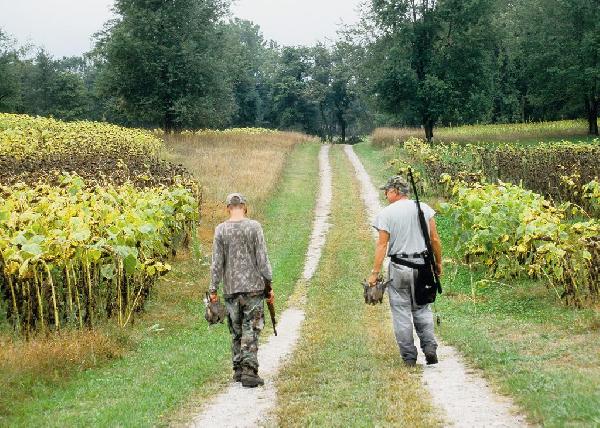
There had been no birds for at least an hour. The last dove that flew by was met with a string of pellets. The dove lay next to five others on an old heavy, weathered canvas bag that saw double-duty in the duck blind. I looked up at my father, and he was gazing into the blue sky. He must’ve sensed me staring at him, because he turned to me with a smile and said in Spanish, “Let’s stay the whole day out here.” I nodded in agreement and gathered up two frijoles negros sandwiches for us to eat. We sat and talked and continued watching for doves that never came. I was happy to spend all day with my father and not see a thing.
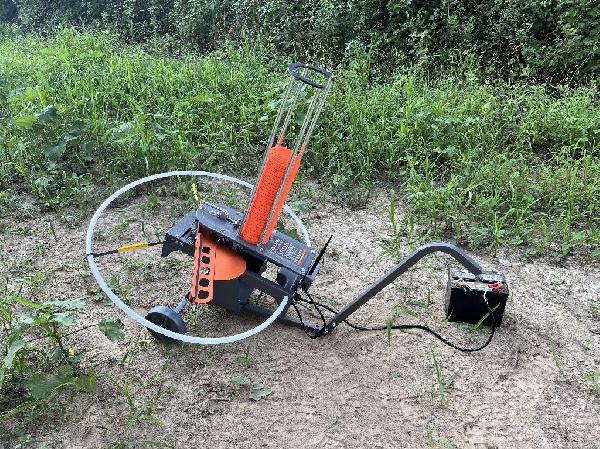
CHAMPION WHEELYBIRD AUTO-FEED TRAP REVIEW
I've had my eye on this electronic clay thrower for a few years. Browsing the sporting goods section of the local Walmart, I'd see this unit sitting in the store's back corner. I've debated buying it several times in the past but always talked myself out of it. I have a hand thrower and a manual spring load trap that I've used for years. The problem with these is you have to have a partner tag along to use them. Coordinating with someone else is not always the most convenient when you're just looking for a quick tune-up. The manual trap I own does have a trigger that you can attach a string to, so it can be released from a distance, but this has never worked well for me, and you still wouldn't be able to release and shoot your own targets. The manual trap was too difficult for my wife and kids to operate, so I usually loaded and threw while they shot. The hand thrower isn't much different. Since all my kids have flown the coup, I was looking for a way to practice shooting before bird season without needing help. It's probably not advisable to go shooting by yourself, but the main reason I purchased this thrower was in the hopes I could release and shoot targets on my own. I also picked up one of the Wheelybird Wireless Remotes, although the foot pedal would have been easy enough to operate. Now, I can move around without a tether, so I can get a look at different shots without adjusting or moving the machine.
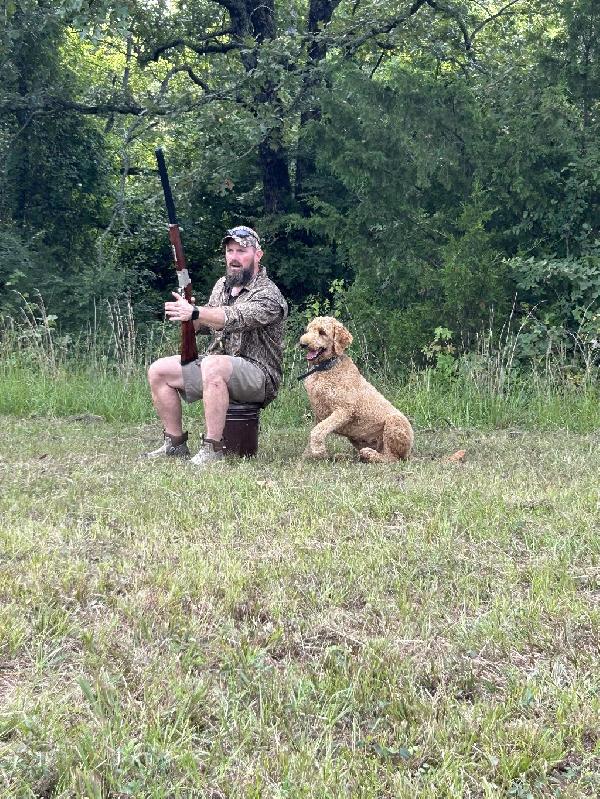
Opening Day of Dove Season – Are Our Dogs Ready to Go???
It’s that time of year, the excitement has been building and dove season is just around the corner! We have worked our dove fields, gotten our camo out, and polished up our guns. We can hardly wait for opening morning, to feel the rush of birds coming in and the blasts of our shotguns going off!
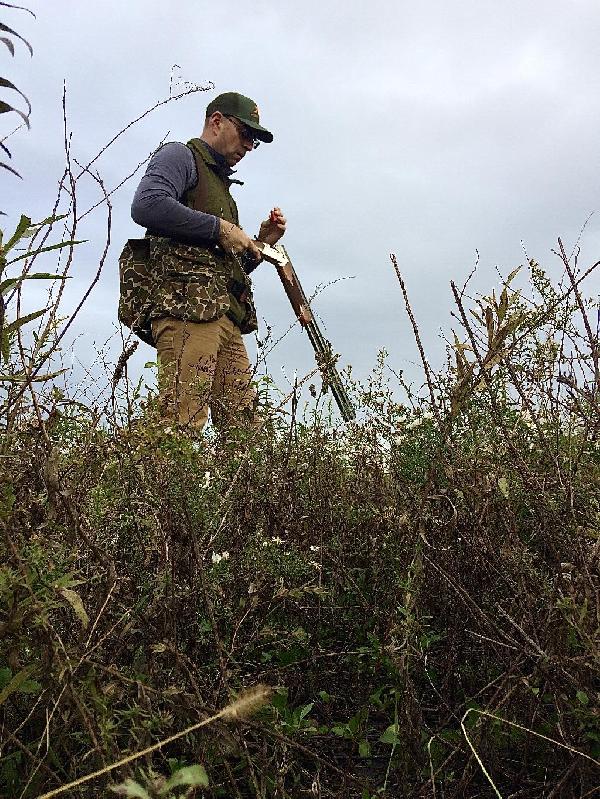
A Guide to Exploring Shotguns, Chokes and Shot Size for Hunting the Brown Rockets of the Marsh...
As I reloaded my 12 gauge over-and-under, yet again for the fourth, fifth, and even sixth time after I had whiffed on the acrobatic brown rockets of the marsh…the snipe, I had about given up on connecting on the fragile little fliers. The Ruger Red Label’s barrels were hot to the touch due to the number of shells being shot out of them. Trouncing through the wetlands, the occasional backsplash would create a “tsss” sound on the hot metal tubes. The break-open action on the double-barreled shotgun was surely seeing plenty of opening and closing.

Bird Hunting Partners
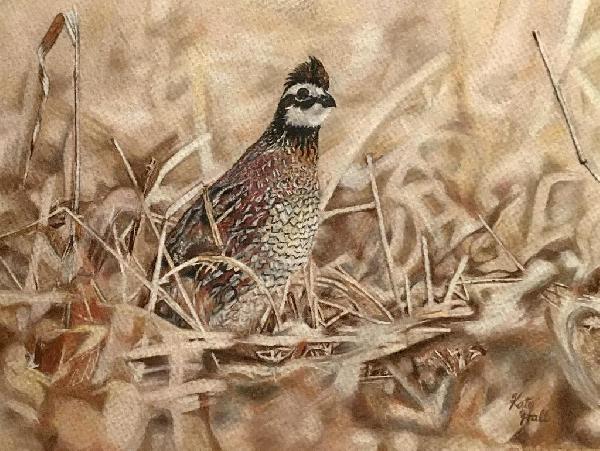
Few living today knew the days of wild bird (quail) hunting on foot on ordinary farms across much of America. I did, and it kept me sane and gave me much joy.
What Billy Morton Taught me
By the early 70's wild birds were getting harder and harder to come by. Subdivisions and trailer parks grew up right where our old covey haunts were. Ever the optimists, we started a little walking shooting dog club. 'Shoot to kill', it was called back then. We knocked along for a few years, and our dogs were getting better, or worse, according to who you asked, different for sure. We subscribed to the American Field and read, religiously, accounts from all over the states and Canada. A whole new world opened to us. We read about Miller's White Cloud, Red Water Rex, The setter, Johnny Crocket, all the old legends, and their handlers.

The Importance of Mental Stimulation for Sporting Breed Puppies
Training your puppy starts the moment he comes home, and it begins with mental stimulation. Keeping him on task from the beginning will build a better adult sporting dog—but how do you do it? Read on for advice on how to hold a puppy’s attention.
Comparing Performance Metrics of Bird Dogs by Gender
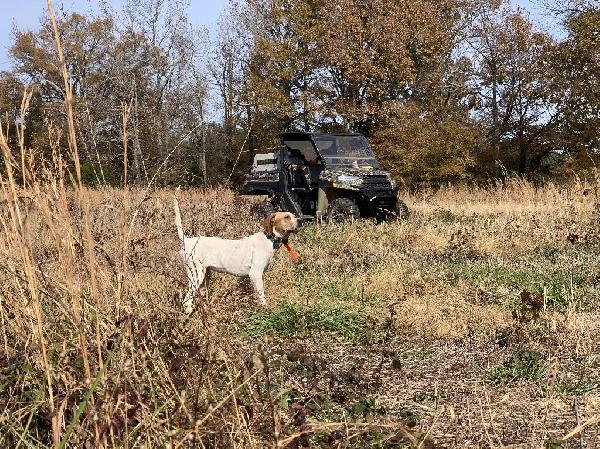
If you ask any bird-dog enthusiast what they look for when choosing a future upland dog and hunting companion, you are bound to get a wide array of advice. Many bird-dog enthusiasts favor specific breeds and bloodlines that align with the species of upland game they pursue or the hunting methods they use (i.e., walk hunting vs. horseback, etc.). When selecting puppies, they may favor certain mannerisms, such as boldness vs. timidness, or with a preferred conformation or coloration. Most enthusiasts also prefer a specific gender—male vs. female.
Nutrition to Support Your Sporting Breed Puppy’s Digestive Health
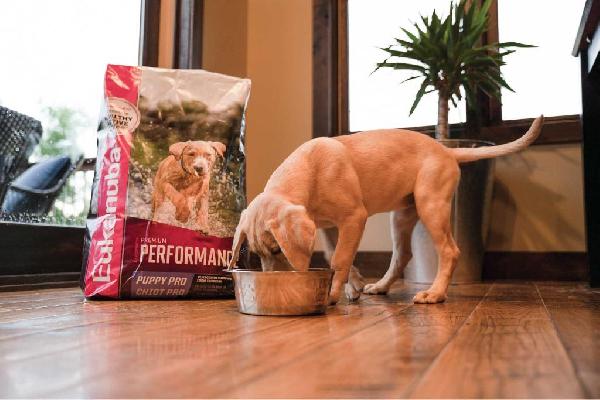
Digestive health is integral to a puppy’s overall health. The digestive system turns food into building blocks (nutrients) used by every other system, such as the muscular, skeletal, respiratory, and nervous systems, for proper growth and development. Feeding a highly digestible, nutrient-dense puppy food can help a highly active puppy’s body put vital nutrients to work with optimal efficiency.
4 Great Ways to Shoot Your Dog
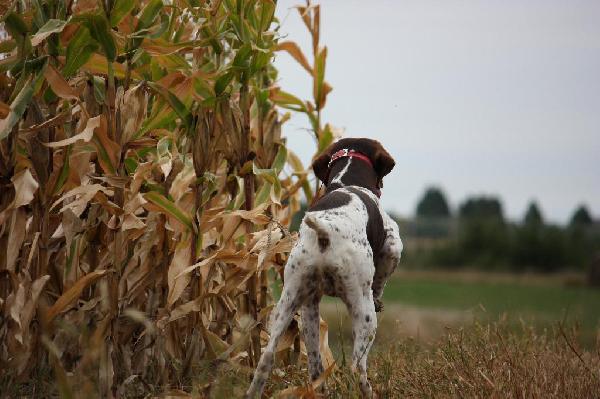
Karl, a German shorthaired pointer, zig zagged his way through the humid, early season corn maze. These South Dakota stalks stood tall, taller than even an NBA center, and if a bird flushed up it’d make for tricky shooting. To harvest a bird over a point, Karl’s owner knew he’d need to get out to the edge. When there was an opening he headed west, and stopped where the last row of stalks met the winter rye.
Nutrition’s Role in Supporting Your Sporting Breed Puppy’s Immune System
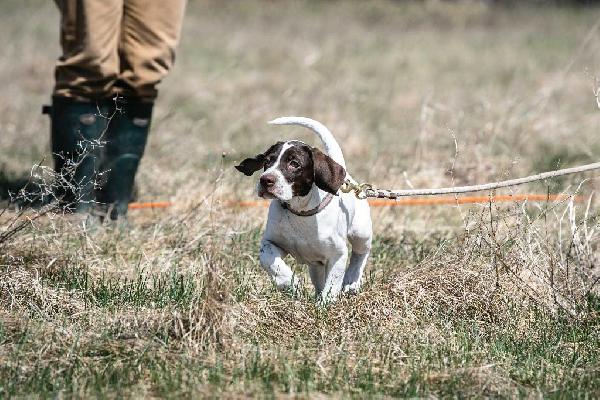
A sporting breed puppy’s exposure to the natural world can occur early in life, and frequently. Introduction to the woods and waters in which they will eventually work is important for future training. However, these environments often contain pathogens that can challenge a young puppy’s immune system. Selecting a nutrient-dense diet with prebiotics and a fortified antioxidant complex can help support a puppy’s developing immune system and natural defenses. A strong and functional immune system helps a puppy’s body identify and address potential pathogens, including bacteria, viruses, and parasites.
Intro to Gunfire
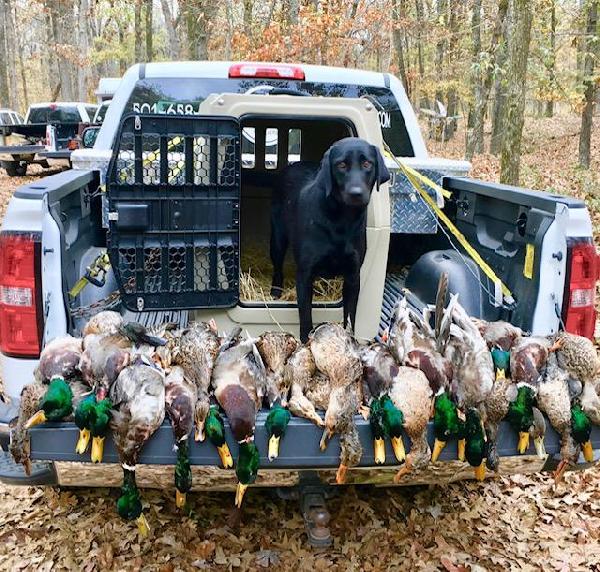
As bird dog owners, we all anticipate shooting birds and watching our dogs fire off into the water, chasing after the fallen greenhead. But, we need to take our time; when they are young pups, we need to be careful of just how we first expose them to gunfire.

Fly Management Plan by Steve Snell
I had a customer last week who was having trouble with a Fly Trap. It wasn't catching the flies that were around his dogs. Come to find out, the trap he used was designed for house flies, but he had biting flies. When I told him that was the problem, he responded, "No, sir, a fly is a fly is a fly." Well, that's not true.