Article Database
These page is loaded with Featured Articles
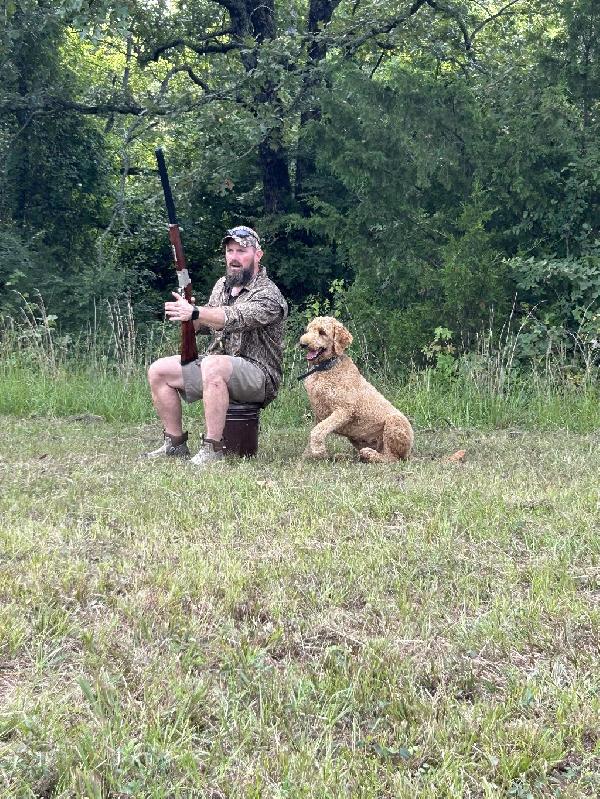
Opening Day of Dove Season – Are Our Dogs Ready to Go???
It’s that time of year, the excitement has been building and dove season is just around the corner! We have worked our dove fields, gotten our camo out, and polished up our guns. We can hardly wait for opening morning, to feel the rush of birds coming in and the blasts of our shotguns going off!
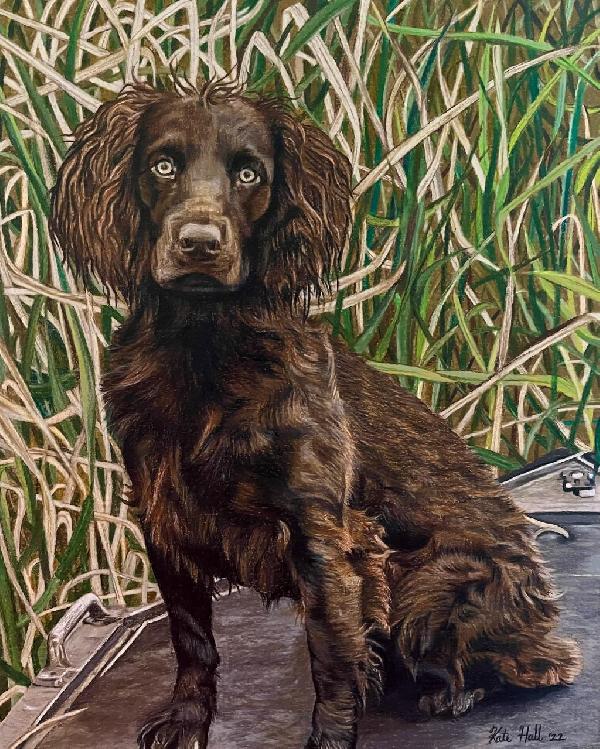
Canine Language and Understanding Your Dogs Communication
Much like their human counterparts dogs just want to be heard, of course. Dogs bark to communicate with other dogs and with humans. There is the woof, woof-woof, the triple woof with many different ranges and pitches that can make canine speech difficult to decipher. We will start out with the single or double barks that are usually mid-level as you are walking in the door from work to say “hello”. Barking in sequences of three or more and doing this repeatedly often means they sense danger or think someone is near that they do not know or that should not be there. When a canine persistently continues to bark at a low or medium level they are saying please come get me, I am lonely. A short bark that is loud often shows fear or surprise with the dog conveying come check this out.

Bird Hunting Partners
Few living today knew the days of wild bird (quail) hunting on foot on ordinary farms across much of America. I did, and it kept me sane and gave me much joy.
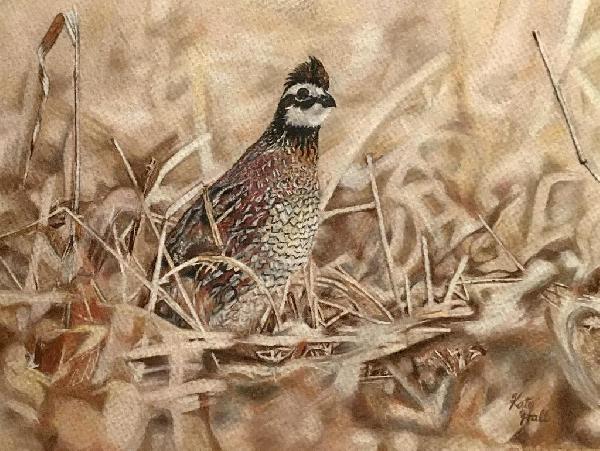
What Billy Morton Taught me
By the early 70's wild birds were getting harder and harder to come by. Subdivisions and trailer parks grew up right where our old covey haunts were. Ever the optimists, we started a little walking shooting dog club. 'Shoot to kill', it was called back then. We knocked along for a few years, and our dogs were getting better, or worse, according to who you asked, different for sure. We subscribed to the American Field and read, religiously, accounts from all over the states and Canada. A whole new world opened to us. We read about Miller's White Cloud, Red Water Rex, The setter, Johnny Crocket, all the old legends, and their handlers.
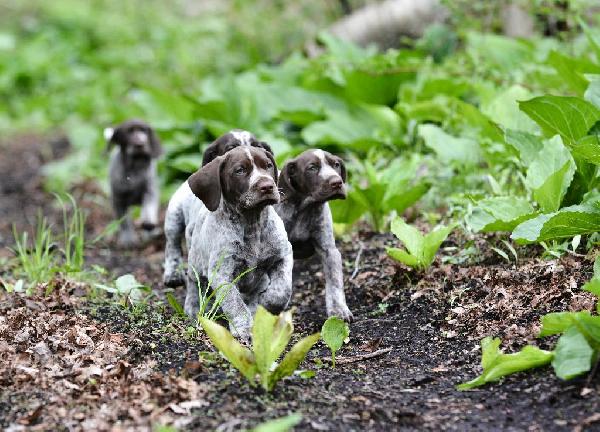
Finding a reputable hunting dog breeder
Start by researching a breeder specializing in the hunting dog breed you're interested in, such as the English Pointer, Labrador Retriever, or Cocker Spaniel. Seek recommendations from experienced hunters, trainers, or local hunting clubs who might have firsthand knowledge about the breeder.
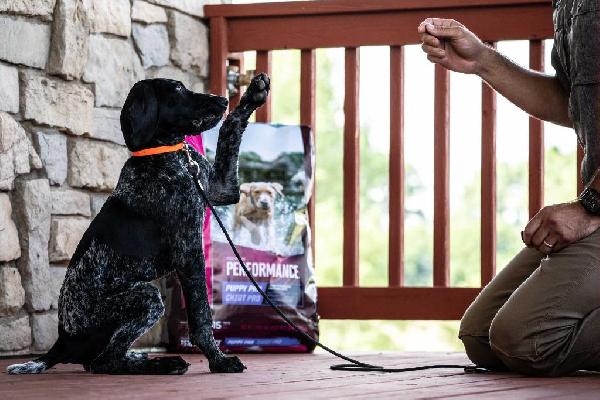
The Importance of Mental Stimulation for Sporting Breed Puppies
Training your puppy starts the moment he comes home, and it begins with mental stimulation. Keeping him on task from the beginning will build a better adult sporting dog—but how do you do it? Read on for advice on how to hold a puppy’s attention.
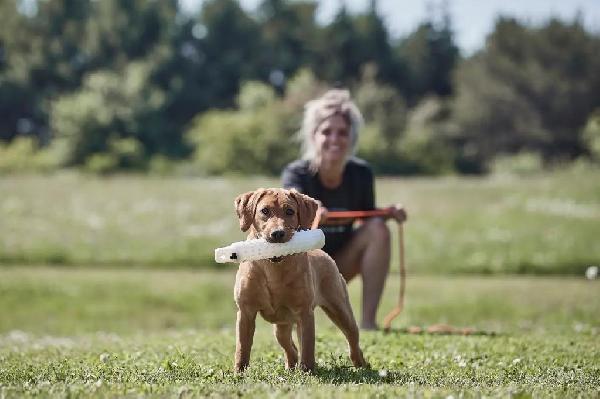
ALL ABOUT RETRIEVER TRAINING DUMMIES
Training dummies are a staple of a good retriever training program. Whether you call them dummies or bumpers doesn’t matter, but what does matter is picking the right style and color to fit your training situations.
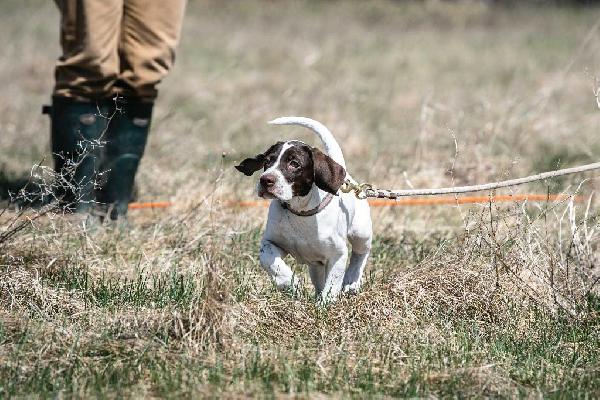
Nutrition’s Role in Supporting Your Sporting Breed Puppy’s Immune System
A sporting breed puppy’s exposure to the natural world can occur early in life, and frequently. Introduction to the woods and waters in which they will eventually work is important for future training. However, these environments often contain pathogens that can challenge a young puppy’s immune system. Selecting a nutrient-dense diet with prebiotics and a fortified antioxidant complex can help support a puppy’s developing immune system and natural defenses. A strong and functional immune system helps a puppy’s body identify and address potential pathogens, including bacteria, viruses, and parasites.
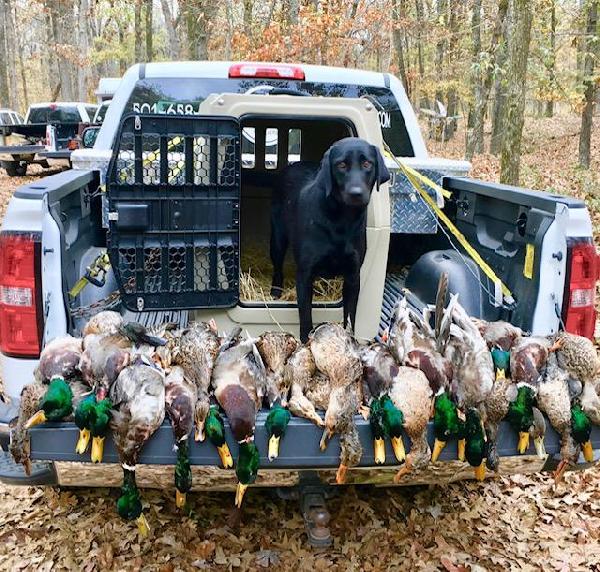
Intro to Gunfire
As bird dog owners, we all anticipate shooting birds and watching our dogs fire off into the water, chasing after the fallen greenhead. But, we need to take our time; when they are young pups, we need to be careful of just how we first expose them to gunfire.
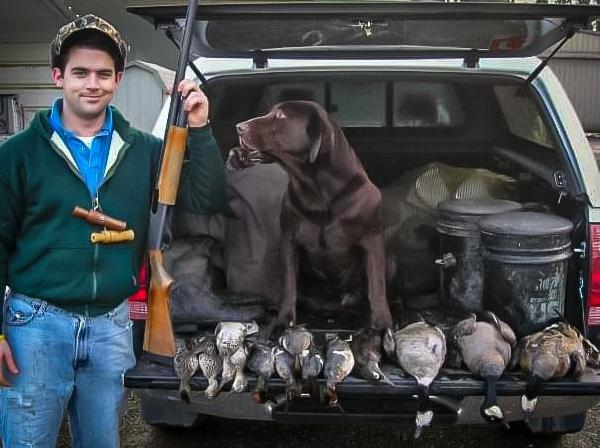
Old Friends
Your four legged friend is more than a hunting tool, but friend and family member. Even the hardest of souls crack when it is apparent that their hunting dog is slowing down and entering their final chapter. Growing up we had English Springer Spaniels and chocolate Labradors; chasing Valley Quail and waterfowl through the hunting seasons in the green Oregon valleys. During our Springer Jennifer’s final years, arthritis took hold but her drive to go hunting never diminished. She made sure she was always near the truck when it was time to go on any early morning, that short docked tail wagging furiously in her attempts to jump on to the tailgate, but ultimately not able to make it. The arthritis kept her short legs from making the jump despite repeated attempts that used to be effortless. Her eyesight was failing as well but her nose for flushing pheasants and tracking greenheads led the way.
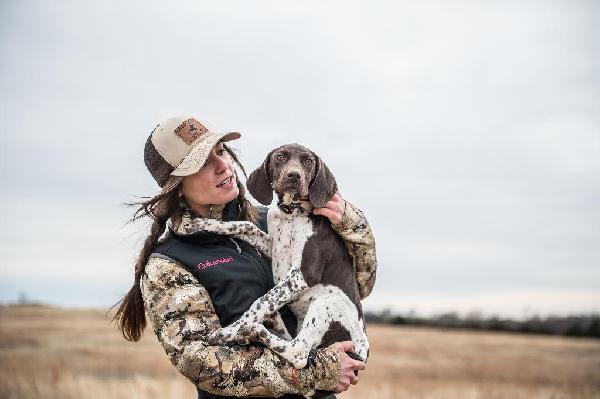
When and How to Socialize a Sporting Breed Puppy
Socializing puppies when they’re young is key to building strong and confident adult sporting dogs. Puppies need to learn about everything, which includes the environments in which they’ll live and work, people, other dogs and animals, and routine care. Read on for some tips on when and how to start socializing your sporting breed puppy.
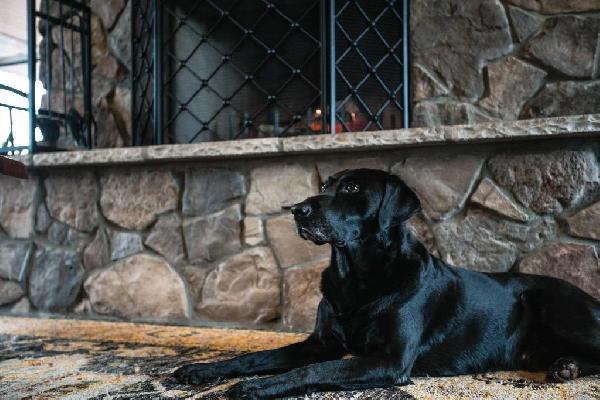
Should Your Sporting Dog Shift to an Off-season Diet?
Sporting dogs burn a lot of calories during the hunting season. To support their elevated nutritional needs, savvy handlers feed them performance kibble. Off-season nutritional needs are often different, and that’s why many handlers shift a dog’s diet to one with lower amounts of fat and calories.
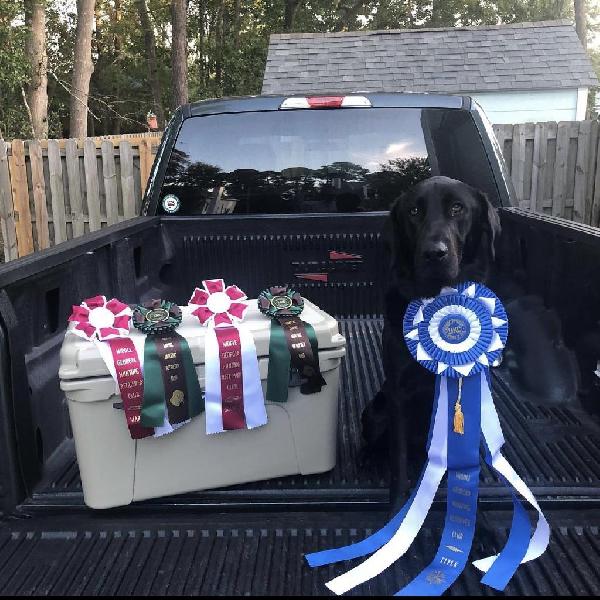
Catching Their Stride
A quick internet search or a trip to your local bookstore will unearth hundreds, if not thousands, of articles and books that offer step-by-step instructions on what to do when you bring home your puppy. You will find instructions that break down every step of training a gun dog. Sadly, you will also find even more articles that you may want to avoid reading about those final hunts and the last moments hunters have spent with their faithful hunting companions before they cross over to the big hunting land in the sky.
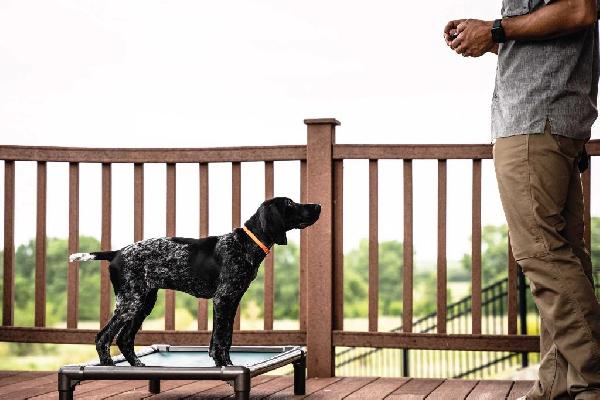
Can Sporting Breed Puppies Eat Adult Dog Food?
Sporting breed puppies are bred and trained to work. As a result, they have very different nutritional needs from those of a future house dog. Puppy formulas are typically more nutrient dense when compared to most adult formulas, to meet the demands of growth. However, it is not uncommon for sporting dog owners to utilize a performance formula or an “all-life-stages” product for their sporting breed puppies. These formulas are usually more nutrient dense and, in theory, sufficient to support the growth period. However, there are other nutritional options available today specifically designed for active puppies that may offer advantages that help promote a solid nutritional foundation for future performance.
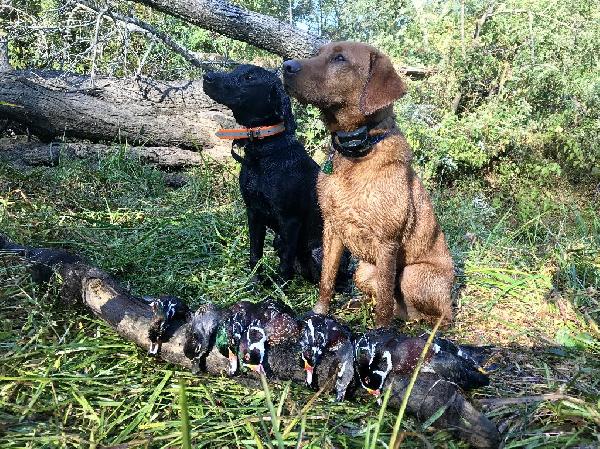
A Dog Day Morning
A season opening morning for young or experienced hunters alike can bring nerves of excitement. Add to the mix your dog’s first duck hunt and you aren’t going to get any sleep! Reasonable expectations and setting them up for a successful time afield is the only way to make sure you’ll both sleep soundly at night.