Danner Sharptail Hunting Boot Review

To be honest, I don’t even know if they still sell these boots; I wrote this review over a year ago. When I first bought these boots, I wore them nearly every day for the first six months. I’ve worn them in the field, on the water, and at work. Despite how stiff these boots felt unpacking them, it didn’t take long for me to break them in, after which they were extremely comfortable to wear. I love the way they fit; if it weren’t for the weight of the boots, I almost wouldn’t know that I had them on. They have excellent ankle and arch support. I have a pair of Keen hiking boots that are light and sturdy, that I like to wear on my daily walks at Shiloh National Military Park, a Civil War battlefield. When wearing the Danner boots, I can tell a big difference in weight, but not so much that it’s exhausting wearing them. My pace is probably a little faster in the Keen boots, but the Danner boots are more comfortable in my opinion.
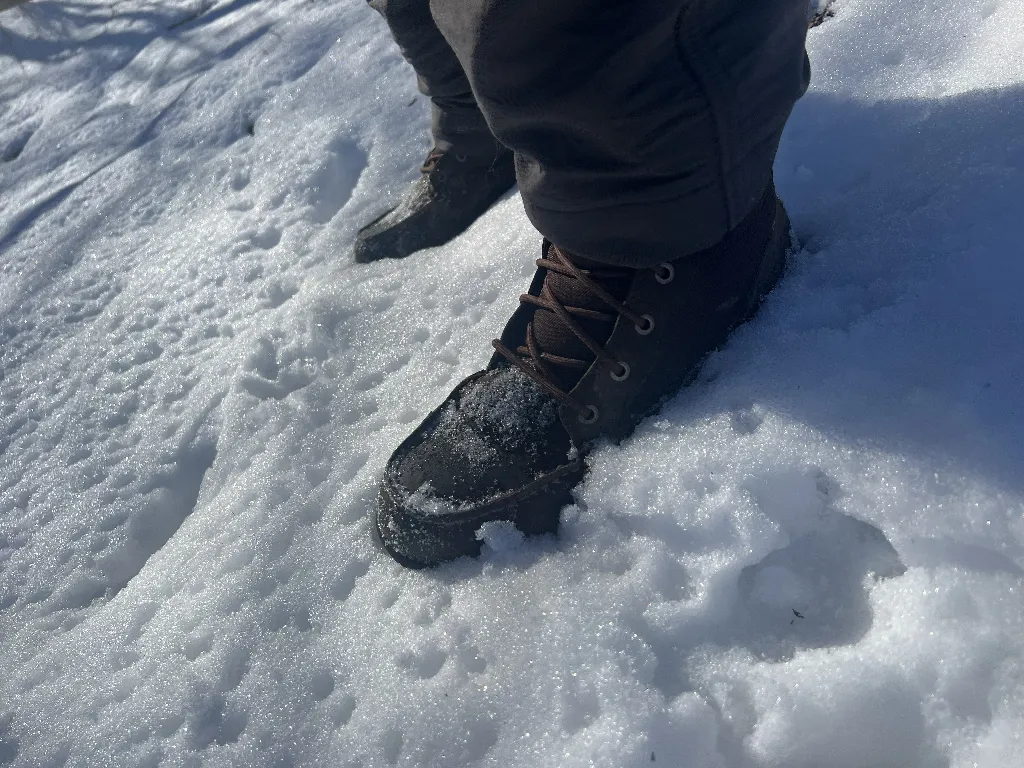
Danner marketing material says these boots are “Inspired by the storied upland tradition, the all-new Danner Sharptail series brings quality and performance to the hunt. Featuring our proven TERRA FORCE technology, waterproof, breathable GORE-TEX lining, an OrthoLite footbed, and rugged hardware, the Sharptail provides all the durability, protection, and support needed for many memorable days in the field.” Danner’s description is pretty accurate; the boots are rugged, durable, and waterproof. Sharptail hunting invokes imagery of trekking long distances across the open prairie in search of these birds, and I see these boots working well in this scenario, although these boots are on the heavy side. The boots are extremely warm. I hiked around all day wearing these boots in 6-8 inches of snow with no issue, and my feet never got cold.
Where I had problems with these boots was on slippery surfaces like ice, moss-covered rocks, and frosty trailer gates. It seems like slippery surfaces are amplified while wearing these boots, like you have marbles under your feet. I wouldn’t consider myself a person that falls down a lot, but I have fallen numerous times wearing these boots and had to catch myself several other times. If you spend any amount of time fishing rivers or streams, where the bank is lined with algae-covered rocks, I would choose another boot. I often fish the bank of Pickwick Dam for Stripper, White Bass, and Sauger. The water level can change often during a day of fishing, exposing wet rocks. I walk up and down the bank searching for fish spots; I don’t usually have problems walking on or around these rocks, but wearing these boots was like wearing roller skates. Most recently, I was loading my four-wheeler onto a trailer to go to a field trial; after stepping on the frost-covered trailer ramp, I instantly lost my footing and I fell on the hard concrete driveway. Not once, but twice in the same day, even after being extra cautious after the first fall. I’ve fallen crossing ditches, walking to my deer stand, and outrunning dogs. I can’t see these boots being a good choice for chasing chukar up in the mountains where a fall could be extremely dangerous.
In conclusion, I like the build quality, durability, and comfort of these boots; what I don’t like is the traction they offer on slick surfaces and the weight of the boots on long walks.

About the Author : Jeff Davis.
Visit authors website | View more articlesWhen I created Gundog Central, it was to help people place their hunting dogs in hunting homes. I want everyone to be successfully using the site, so l thought I'd try my hand at creating a few articles filled with knowledge and lessons I've learned over the years running this site. I'm certainly not a writer and I'm a terrible speller, and although I promise to make an effort to proofread and spellcheck these articles before I post them, you'll most likely find them riddled with grammatical errors. I don't know if I'd even really call them articles per say, more of a collection of tips and tricks to help you get the most out of Gundog Central. Tips on how to sell your dogs and tricks on how to use the site. I have no plans to write any other articles, as I have great writers already contributing content to the site. My focus with these "articles" will be geared towards helping you be successful selling your dogs and marketing your kennel and services on Gundog Central.
Related Aritlces
Bird Hunting Partners
Few living today knew the days of wild bird (quail) hunting on foot on ordinary farms across much of America. I did, and it kept me sane and gave me much joy.
Girls, Guns, and Gun Dogs!
Growing up in the south one gains an appreciation for late fall/early springtime bobwhite quail hunting behind a brace of pointers about as much as anything can be appreciated. The landscape here is dotted with private plantations, public shooting preserves, and small family farms that hold the elusive Gentleman-Bob...opportunities abound. In fact, I cut my gun dog teeth, as it were, training pointing breeds and stumbling around bottom lands I could access hunting quail. It would be some years before I switched my focus over to retrieving breeds entering the world of professional training and trial competition.

A Lost Dog
It was July 15, 2003 and Billy Culp was fixin’ to turn loose for a workout his first green derby of the season. He was training this year on a new place just east of Lignite and south of Route 5. There were twenty pointing dog trainers working within a forty-mile radius of Billy , two hundred or more in the state, some serious pros, some serious amateurs, some just guys with a dog or two and a pickup truck.