Go Slow When Introducing a Dog to Gunfire
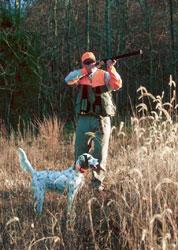
It's easy to take this step for granted. After all, if you're training a hunting dog, guns are going to be a natural part of his life, right? Well, not exactly. It might seem that way to you, but to a dog, gunfire certainly isn't a natural sound. Many dogs accept the sound of gunfire without incident. But others can become gunshy for life if they aren't introduced to guns properly. It's best to play it safe with your pup and introduce him slowly. This is better than risking developing a dog that will never be comfortable around guns.
At our kennel, we make sure a dog's first experience with gunfire is something pleasant. To ensure this, we introduce our pups to gunfire during a "bump and chase" session. This is when we let the young dogs point, flush and chase quail. (It doesn't matter whether you are training a pointing dog or retriever. The process of introducing gunfire is still the same.) While our pups are out running in the field, we follow along and occasionally fire a .22 crimp shell. Often the dogs are so caught up in chasing birds that they act like they didn't even hear it. If a dog hesitates or cowers at the sound, I suggest waiting another week before trying this exercise again. In the meantime, keep up his enthusiasm with lots of live bird contacts so there's no question in the dog's mind that anything related to birds is a positive experience.
[%BANNER-SPD650%]
Once you're past the .22 crimp stage, graduate to a louder .22 blank. Many trainers like the blank pistols that fire No. 209 shotgun shell primers because they are affordable, convenient and plenty loud for training.
If everything is progressing fine, graduate next to firing a .410 gauge shotgun. By now your pup should have made the solid association between birds and gunfire. The next step is to shoot a pigeon or quail over your dog's point or flush. Do your best to hit the bird so the dog has something to retrieve. This is his bonus or reward for finding the bird. Again, you've created a positive association between birds and gunfire.
A few days later, repeat the exercise with a 20 gauge. Still keep watching to make sure your dog isn't hesitating when you fire. If you would ever see any sign that he's uncomfortable with gunfire, back off to a quieter gun and work on rebuilding his confidence. Remember, going slow in the early stages could save you hours of retroactive training later.
Soon you'll be shooting a 12 gauge with hunting loads around your dog. Your dog will expect good things to happen when he hears gunfire. And you can get on with the rest of the training exercise without worrying about having a gunshy dog.
Always check your local and state regulations related to dog training and the use of game birds on private and public property.
[%BANNER-SPD728%]
Related Aritlces
Bending Drills Teach Dogs to Hunt Efficiently
A dog that searches for birds in a consistent pattern covers ground efficiently and hunts with confidence. Whether you're hunting quail, grouse or pheasants, the result is the same: more shooting opportunities.
Understanding Canine Influenza
If you have been watching the news lately or reading metropolitan newspapers, you may have noticed articles about a "new" flu outbreak in dogs. In some sections of the country, veterinarians are reporting a near-panic situation around this canine flu news. Here are the facts.
The Great Debate: Pointing or Flushing Dogs for Quail
My wife said I winced when we pulled up to the only game in town. It was an old motel of a vintage that reminded me of the Golden Era of travel by car. Over the years families probably over-nighted here while on their way to any one of a number of the nearby wild quail Valhallas. No visible capital improvements had been done for a long time, at least I couldn't see any renovation. The 30-some-odd rooms looked sad while the adjoining restaurant and tavern was booming.