Handling

A) Handle en route to the fall area if the dog is off line due to not fighting factors. Do not handle in the area of the fall. Allow the dog to hunt the mark as long as necessary in order to establish good hunting techniques.
B) Recall and resend only for those situations when the dog's initial line is skewed dramatically due to miscommunication or avoidance of some sort by the dog.
This is a very important area of training (recalling) that if abused can lead to popping, no-goes, overruns, bolting, etc. A dog must feel comfortable making decisions without fear of being punished for every mistake it makes. Recalling/correcting/resending a dog after he has reached the fall area and either missed the bird or is having a large hunt is not in keeping with sound proper training techniques. I do not recommend recalling a young dog. I strongly recommend handling en route and or having the gunner assist if the dog has simply missed his mark.
C) Re-runs. I do not usually re run a mark unless the mark involves a unique challenge, a cheating situation, or I believe the dog simply missed the point of the lesson.
Re run the mark if the dog cheated an important piece of cover, water, squared a ditch/hill, etc. Be prepared to handle and possibly correct if appropriate at the critical point where an infraction may occur.
D) Correct for infractions such as cheating water or cover using indirect pressure (sit-nick-sit) followed by casting the dog through or to the desired area initially avoided. One may have to call the dog in slightly in order to get the proper/desired line. Do not correct if the dog gets lost such as when going through a ditch and exiting offline...simply stop and cast to correct the line or have the gunner help (more desirable in the lost situation) with noise or a re-thrown bird. Corrections should usually be reserved for single marks so that no questions arise as to whether or not the dog truly knows where he is going (memory could be clouded on a multiple mark scenario and correcting may not be fair). If a dog makes a mistake...do not correct!!!! Mistakes are just that...mistakes, help the dog out of the situation and move on.
This leads me to the most important aspect of training...reading one's dog. In order to properly read any dog one must be fully aware of the possibilities for "rule" infractions in a given setup. This capability on the part of a trainer is tied directly to one's ability to setup marks and blinds that are clean, straight forward, and possess certain desired factors such as a cross wind, a cheating entry to a pond, a hill (up or down squaring challenge), cover, shorelines, etc. The ability to setup proper tests is vital to the advancement of one's dog. The ability to anticipate infractions and be prepared to act (not react as it were) is where experience and proficiency comes in to play. Not all handlers are capable of properly reading their dogs. Not all handlers can setup quality tests. Not all handlers are experienced enough to be working in advanced stages of training alone (without assistance from more knowledgeable trainers/handlers). If a handler is correcting his/her dog every training episode there exists problems in the program! Dogs learn through both pressure and reward. However, dogs will not advance if given a steady diet of pressure with little reward; to the contrary. However, if a dog is rewarded more often then reprimanded advancement will come more rapidly (given the reward is for sound work in a quality situation).
Related Aritlces
Tips for traveling with your Gun Dog
Whether you're driving a decked-out dog hauling rig or crating Rover in the backseat of your sedan, traveling with dogs is a process. Here are some tips and recommendations from two hunters and trainers who spend a lot of time on the road with their dogs.
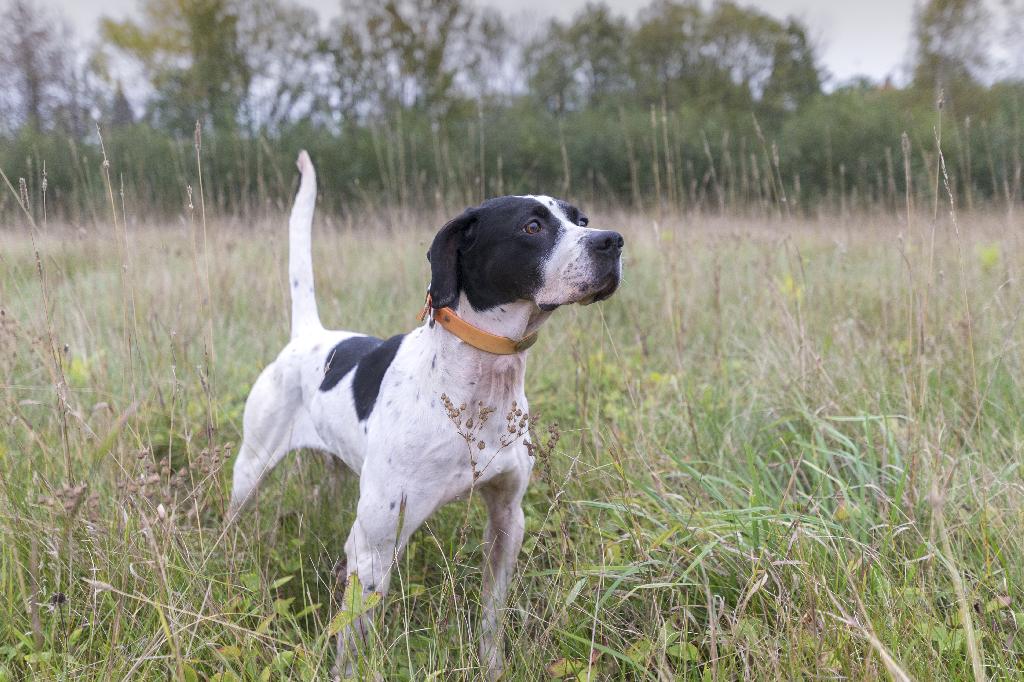
THE BENEFITS OF ANTIOXIDANTS IN DOG FOOD
Hunters and trainers might argue about which breeds of sporting dogs are best for their preferred pursuits, but they can all agree on one thing, sporting dogs are driven to work. Whether it's a setter, pointer, shorthair, or retriever, sporting dogs are energetic, focused, and motivated. Off-season conditioning helps dogs maintain their hunting drive all year long. Well-conditioned bird dogs can run for miles without missing a step, and retrievers can run, jump, and swim their way through dozens of retrieves.
The Bond
Josh Billings once said, “A dog is the only being on Earth that loves you more than he loves himself.” This is something that has proven to be true time and time again. There is an undeniable bond between owner and canine.