This Summer, Beat the Heat: How to Keep your Canine Athlete Cool
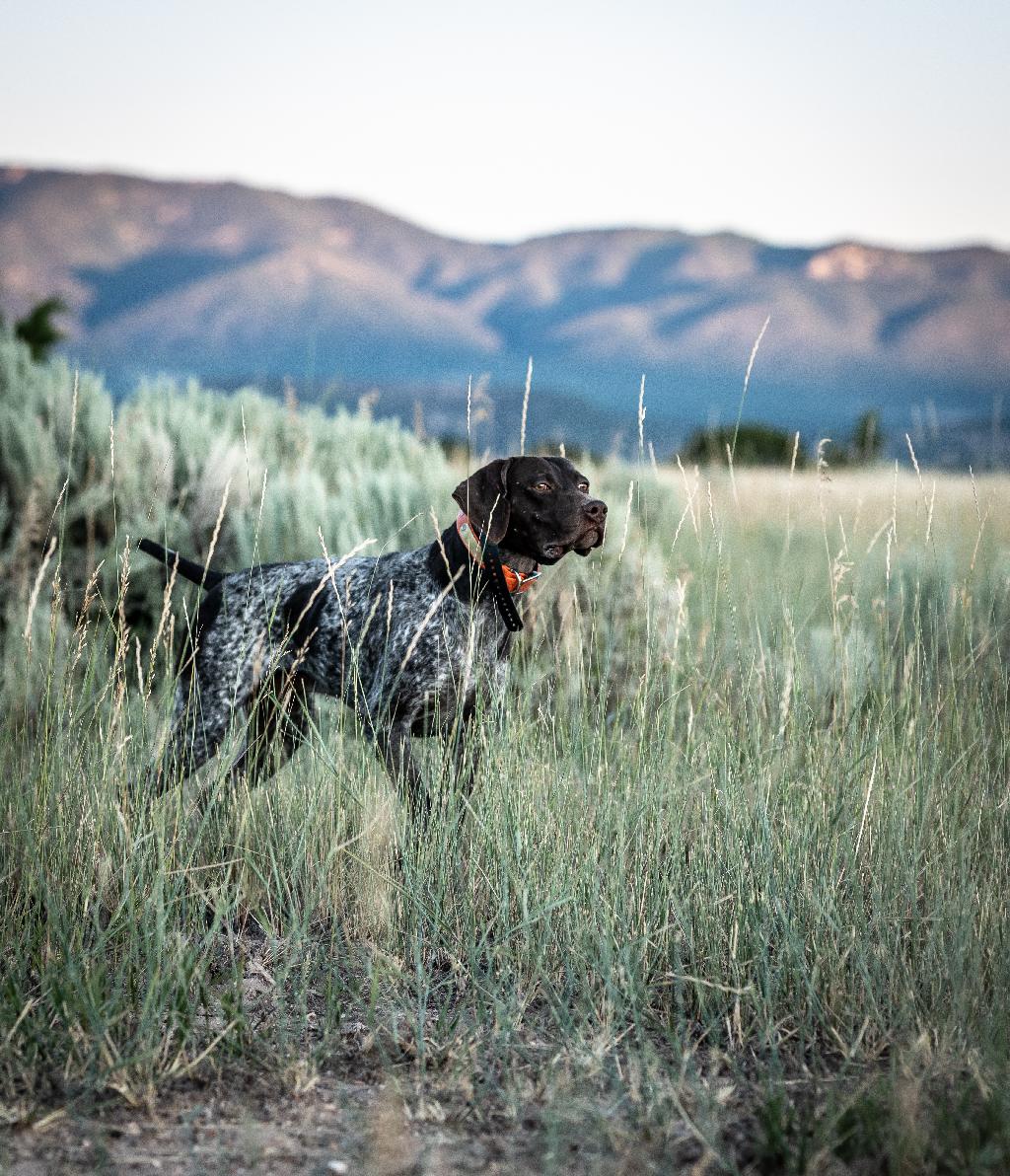
National Heat Awareness Day, the last Friday in May, draws attention to Heat Related Illness (HRI). The day calls attention to those warming temperatures and increasing humidity as it relates to dogs. There are two types of HRI: non-exertional and exertional. According to Russ Kelley, the Scientific Services Nutritionist at Eukanuba's Pet Health and Nutrition Center, "non-exertional HRI typically is associated with dogs left in cars with the windows rolled up.

Exertional HRI comes when participating in an active outdoor sport-running, hiking, biking, training-where the dog's core body temperate increases faster than the dog can cool off. While a human's normal body temperature is a fixed 98.6 degrees Fahrenheit, dog's normal temperatures fall within a range of 99.5-102.5 degrees Fahrenheit. The higher the dog's temperature the greater his risk."
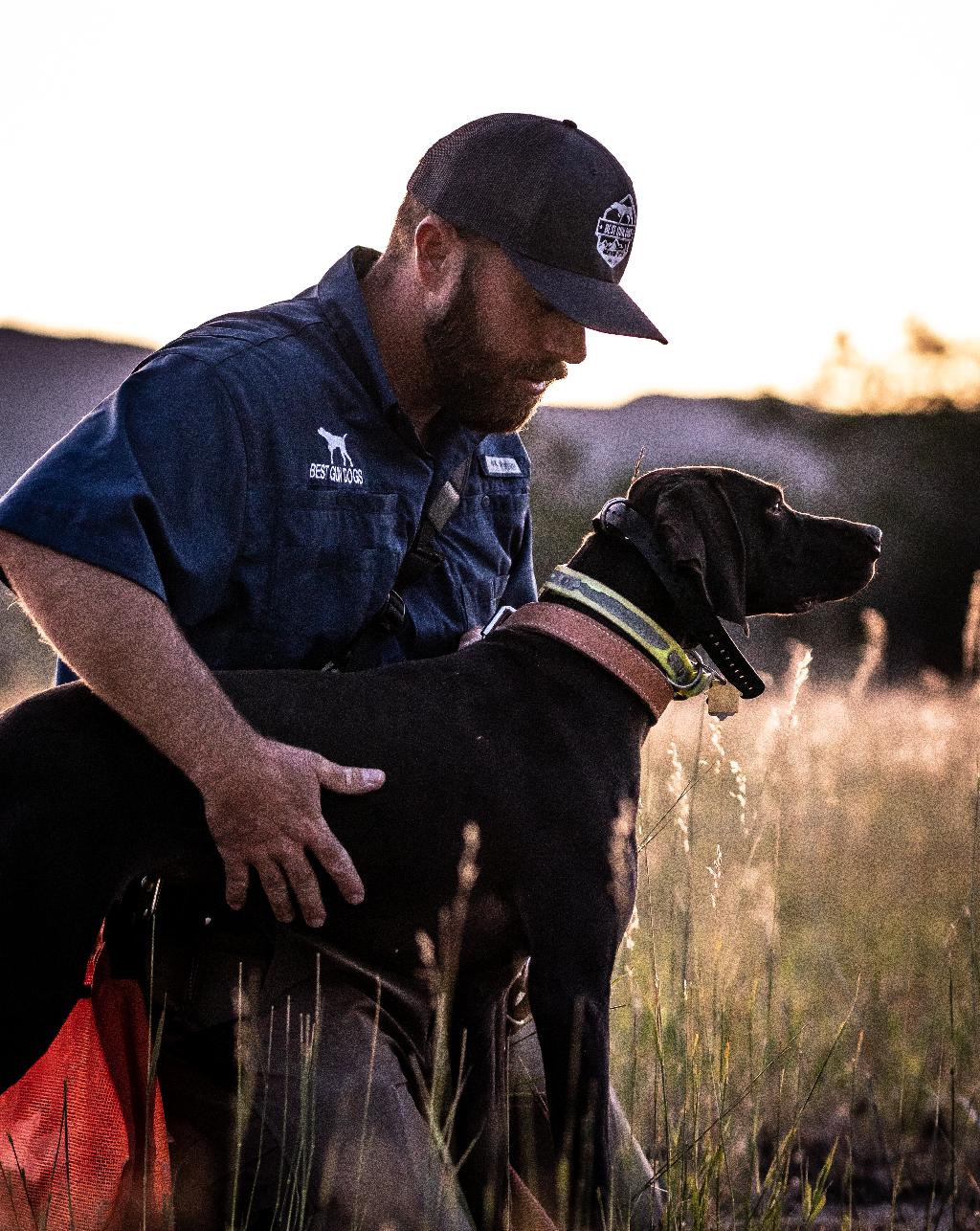
Active dogs cool off in several ways. Panting, or the exchange of warm internal air for cooler external air, is the dog's most efficient way of cooling. For three seasons of the year-fall, winter and spring-dogs can stay cool. But the summer heat means that a panting dog trades warm internal air for warm external air, thereby making it difficult for them to cool. Dogs perspire from their paw pads, but the amount of heat, but calloused paw pads minimize the heat transfer. A rule of thumb is to take the outside temperature and add it to the humidity level. If that number is over 140 be careful about how hard you run your dog. Look for shady areas, sit down often and take breaks.
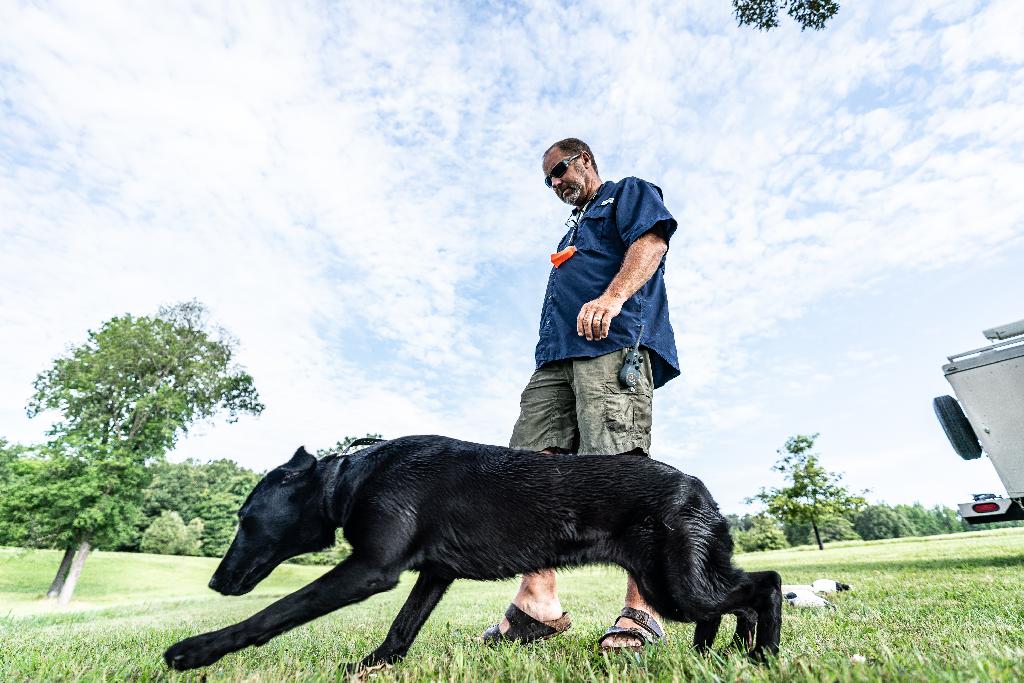
Keeping a dog cool in the summer starts with an overall physical assessment. Dogs that are overweight, sedentary, old or live indoors have difficulties engaging in activities in the heat. Use the Body Composition Score to determine your dog's correct weight, and if he's too heavy then reduce his daily caloric intake to shed some pounds before exercise. For sedentary dogs, start with light exercise and progressively increase their run times so they can increase muscle tone and stamina. Limit the amount of exercise as well as the intensity for older dogs and give them frequent breaks. Dogs that live in air conditioning should be gradually exposed to the outside temperatures. Keep their room warmer than the rest of the house and get them outside regularly. Start with gradual exercise and increase as their fitness levels improve.
According to Kelley, "If you're running dogs outside in the heat then be aware of the three stages of hyperthermia and recommended action plans."
Heat Stress The first sign of an overheating dogs is when they are less animated than normal. They run at a slower pace and look visibly tired. They'll pant heavily, often pulling back their lips to reveal their full arcade of teeth. They have an attitude change which makes some dogs apprehensive. Apply alcohol-soaked pads to the pinnae of the ears, in the groin, and in the armpits.
Action Plan Take a break from the activity. Rinse out the dog's mouth, gums and tongue with water distributed from a squirt bottle. Sit in a shady area with a cool breeze. If there isn't a shady area, turn on your vehicle and its air conditioner. When the car is cool, sit inside.
Heat Exhaustion Dry mouth, pasty saliva around their gums and nose, a visible slowing when running, and sunken eyes indicate that your dog is suffering from heat exhaustion. Their panting becomes uncontrollable, and they may vomit or have diarrhea. Some stumbling occurs, as does an overall weakness in the body.
Action Plan Get your dog immediately to a vet. Before you travel, place a cool, wet towel on the bottom of his kennel. Be sure the crate is large enough so he can lay on his side as stretching out increases maximum heat dissipation. Apply cool water to his paws, and place alcohol-soaked pads to the pinnae of the ears, armpits and groin area. Turn on a cage door fan. Never put dogs in extremely cool water and don't put ice directly on the dog's skin. The extreme cold causes the surface blood vessels to shrink and increases dehydration and heatstroke.
Heat Stroke Owners that see dogs lose coordination, become unsteady even when standing, and are overall unresponsive are in trouble. Sometimes dogs don't urinate, and if they do the coloration is dark. Seizures leading to shock may occur. Stupors, seizures, and head tremors accompany this phase.
Action Plan Get your dog immediately to a vet. Before you travel, place a cool, wet towel on the bottom of his kennel. Be sure the crate is large enough so he can lay on his side as stretching out increases maximum heat dissipation. Apply cool water to his paws, and place alcohol-soaked pads to the pinnae of the ears, armpits and groin area. Turn on a cage door fan. Never put dogs in extremely cool water and don't put ice directly on the dog's skin. The extreme cold causes the surface blood vessels to shrink and increases dehydration and heatstroke.
Dehydration is a common byproduct of HRI, so be sure that dogs have plenty of cool, fresh water. Proper hydration helps dogs thermoregulate, and since they can lose between .5 and 1.5 gallons of water per day they'll need to drink at least that amount (preferably more). After they drink, their bowl will be filled with white, pasty saliva rinsed from their mouths, so be sure to regularly freshen the water.
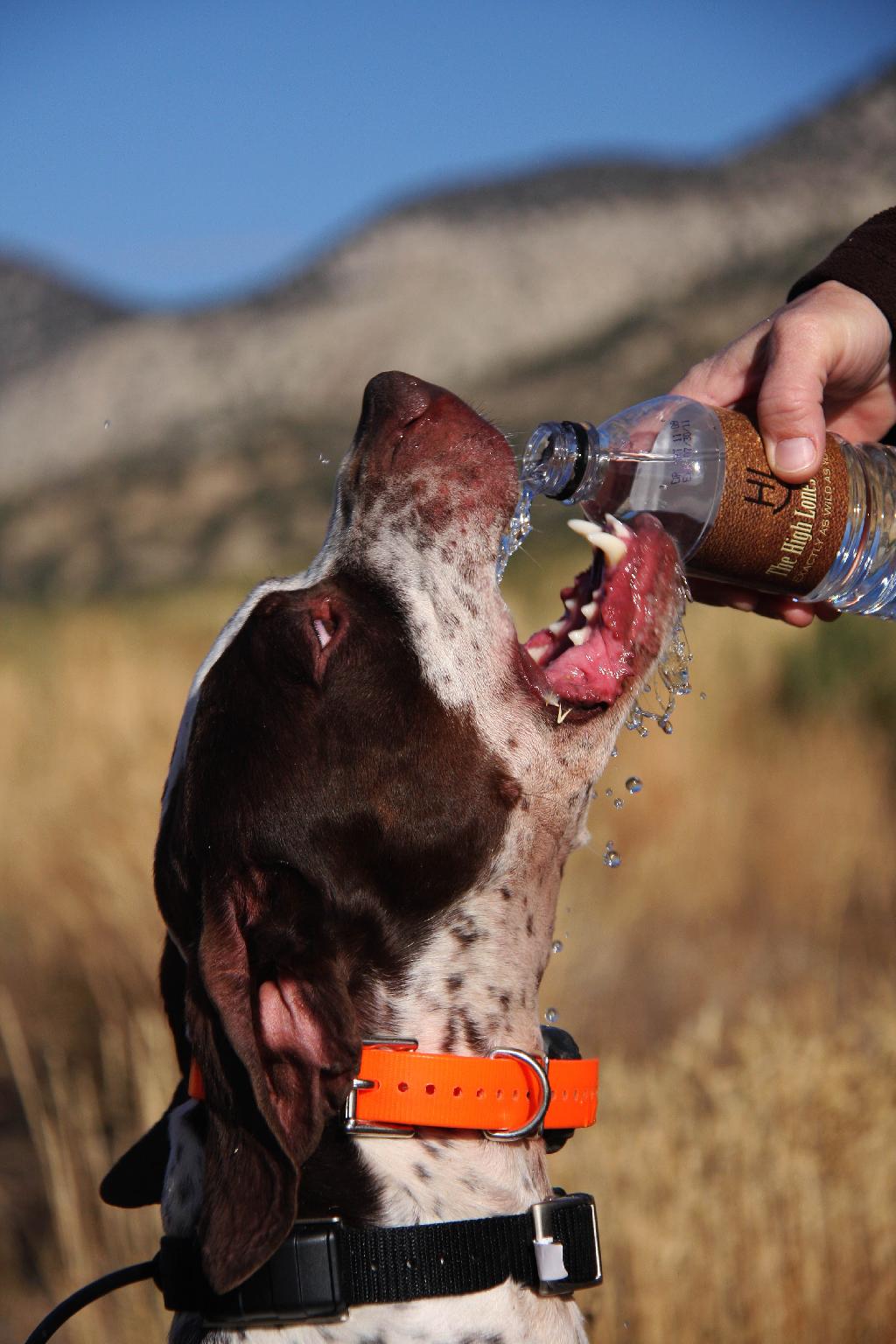
Sometimes, dogs don't drink as much water as they should, and you can increase their intake by adding water to their dry kibble. Water baiting works as well, and that is adding a tablespoon of wet dog food to a bowl of water. As the dog tries to get the food he'll consume more water. A common method for determining daily water consumption can be calculated by food volume. A dog should consume between 3 and 6 times the cups of kibble fed per day.
It's summer, and we all want to enjoy outside activities. If you're exercising with your dog, then be aware of Heat Related Illnesses. By knowing the signs, symptoms and treatments you can be in a position to be your dog's best friend.
Related Aritlces
When and How to Socialize a Sporting Breed Puppy
Socializing puppies when they’re young is key to building strong and confident adult sporting dogs. Puppies need to learn about everything, which includes the environments in which they’ll live and work, people, other dogs and animals, and routine care. Read on for some tips on when and how to start socializing your sporting breed puppy.
The Importance of Mental Stimulation for Sporting Breed Puppies
Training your puppy starts the moment he comes home, and it begins with mental stimulation. Keeping him on task from the beginning will build a better adult sporting dog—but how do you do it? Read on for advice on how to hold a puppy’s attention.

Read Your Dog
Just because a gun dog can’t speak doesn’t mean he’s not saying anything. Reading the dogs’ body language is key for elevating performance levels, so here are some things pro trainers look for when they cut loose their string.