Trial Dog v Gun Dog
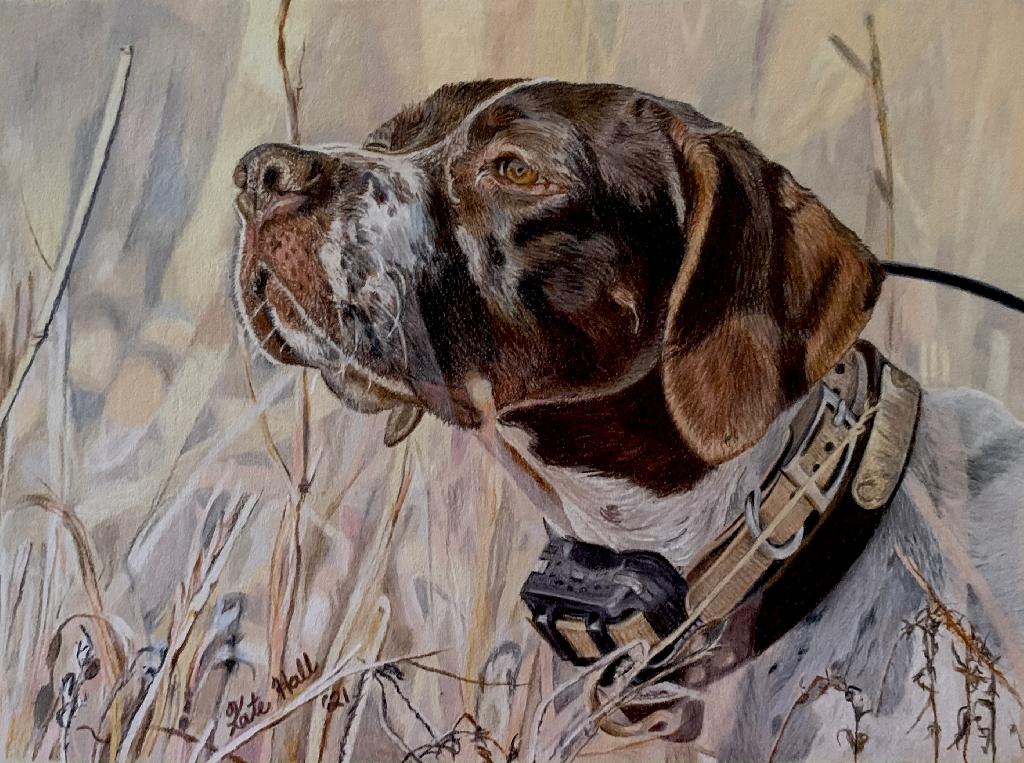
In silence, Ben poured each a dram of The Macallan. They touched their insulated plastic cups and took first sips, then eased back in their captains chairs. Sam lifted his long legs to place his heels in the seat of an adjacent chair. They savored three minutes of silence.
"I'm worried about field trials," Ben declared.
"You have always been worried about field trials. What's new?" Sam asked (an avid bird hunter all his life, Sam had never shared Ben's fanatical love of trials and their strange followers from all walks of life).
"Entries way down. Drought or Covid caused cancellation of the South Dakota Championships. Handlers say patrons are losing enthusiasm. Of course, there's always been fluctuations."
"Why do field trials surviving matter?" Sam asked.
This was a question Ben had been answerIng for decades, often with another question, "How was the best gun dog you ever owned bred?" The answer usually came with the names of field trial winners as sire and dam or close up in both ancestral lines.
"Trial dog breeders seek world class athletes, dogs with super noses, conformation, stamina, speed, style. Bird hunters want the same, just not the range trailers train for. Both want desire to find game, trainability. Without the superior ability overall that trailers insist on, you quickly end up with mediocre dogs. It's called the 'drag of the breed' and it's inevitable. Without trial-bred dogs as replacements, a plantation's shooting string becomes mediocre in a decade or less," Ben always explained. The nonbelievers were mostly inexperienced as wild bird hunters or trialers.
After another three minutes of silence, Ben said, "You know, give me a day bird hunting with a man just the two of us, his dogs and mine, one of each down together, I can give you a blue print of his character."
"How so?" Sam asked.
"Well, here are some examples. Worst are the control freaks. Want their dog always in sight within thirty-five yards, preferably on a path. Scared to death of losing control of his dog. Cannot be quiet, let the dog do its thing.
"Then there's the game hogs. Walk with you to a point, he grabs the side he thinks will give him an advantage. Never honors the center line, will shoot a bird on your side first, then swing on his. Shoot right by your ear, or a foot over your dog or by it's ear. Your ears ring all day, so do your dog's. Lot of Type A business owners, orthopedic surgeons hunt that way. "
"You are right about that," Sam said.
"Then there's the claimers. Will claim a bird you shot in a heart beat if he thinks he's behind or likely to be. You know what you shot, or didn't, wouldn't dare claim another's bird, or shoot on his side, but a bunch will.
"Then there's the wool gatherers. Mind constantly somewhere else. Bird gets up wild likely to shoot you or your dog, guide, mule, horse. Swing the muzzle of his shotgun across you. Forgets to unload after an unproductive. Dangerous.
"Then there's the ones won't stop talkIng about Ole Pete, his wonder dog dead two decades. Finds fault with your dog's every cast. His won't back, are hard-mouthed, always behind, lost , want to fight, but to him perfect."
Sam was weary of Ben's lament.
"Where we going trout fishing come June?" Sam said, and reached for The Macallan, poured Ben, then himself, a dividend.

About the Author : Tom Word
Visit authors website | View more articlesTom Word is a lawyer who represents individuals about managing their assets and for amusement writes fiction and non-fiction about bird dogs and humans obsessed with them.

About the Artist : Kate Hall
Visit artist websiteKate Hall is an outdoor artist who resides on an Angus cattle farm in Tennessee, where she began hunting at an early age. During her 13 years as a flight attendant, Kate visited 27 countries and all 50 states. She now spends her time traveling across the country in search of rising trout and upland birds with her husband and their English Setter. In his first two seasons they hunted on public lands in MT, KS, SC, AL, NC, KY and TN for quail, ruffed grouse, sharptail grouse, woodcock, pheasant, prairie chickens, and hungarian partridge. Upland hunting has enriched Kate's life and influences much of her colored pencil work.
Related Aritlces

Field Trials Matter
Most scouts yawn when linemen run 40's, but not at the 2020 combine. Mekhi Becton, a 6-foot-7-inch, 364 pound offensive lineman out of Louisville ran a blistering 5.1. Heads didn't turn so much as they spun off of heads, for what current lineman of Beckton's size runs what used to be speed of yesteryear's fullback? My, my have times changed.
And the Birds Whistled Bob-white
Quail hunting in the South has always been as common as sunburn. Due to the fertile soil, flat and rolling coastal plains that are cut by long rivers and dotted with lakes and ponds, made for a perfect farming. Mild winters with hot, humid summers meant crops grew for longer times of the year than just about any other part of the country. Cotton, rice, peanuts, tobacco, peaches, sugar cane, watermelons, and indigo, the blue dye that comes from the plant, were staples. It didn't matter if the farming occurred on plantations several thousand acres big or on 50-acre tenant farms, one thing was for sure. Quail were abundant.

Tall Timbers: Burning Down the House
I’ve heard of folks figuring out the price tag on costs to raise wild quail, but I don’t know of anyone who has kept track of the amount of time that goes into the breeding, training and developing of a championship gun dog. Both are significant. Take that dog number, multiply it by 55, and you’ll have one heck of a lot of hours all represented in the dogs that qualified to run across 28 braces in the February 2025 National Championship for Bird Dogs held at Ames Plantation. The first brace of this 126-year old Super Bowl caliber event commenced on February 10th . The final brace ran over two weeks later on February 27, and during that time weather conditions ranged from a soggy, below-freezing 22 degrees Fahrenheit day to a 75-degree Fahrenheit sweat lodge. If you don’t like the weather in Grand Junction then wait five minutes.