And the Birds Whistled Bob-white

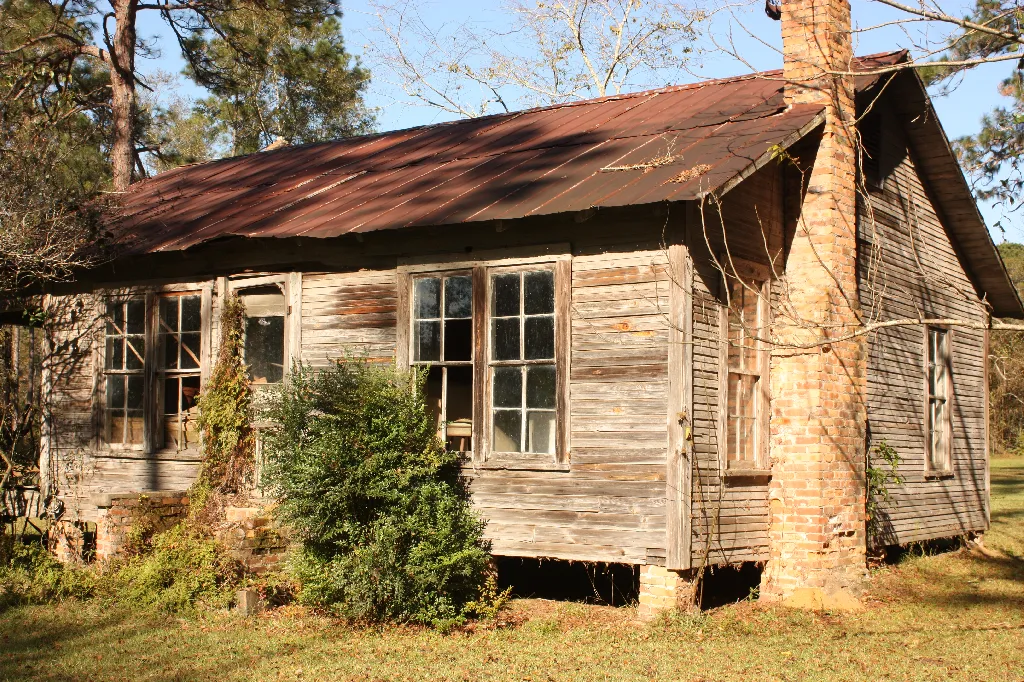
There was diverse forage, nesting and brood-rearing cover, all of which provided coveys with food and shelter. Young birds found plenty of protein-rich insects, adults found seeds, plants berries and fruits. Bunch grasses, low-woody brush, and plants with broad leaves offered shade and protection from avian predators in the summer and warmth in the cooler months. A bird an acre was the norm, and with all of that open space Bobwhite quail flew everywhere. Families enjoyed fast food for many suppers. All it took was a quick walk to find the barnyard covey and a few good shots, more if your family was big.
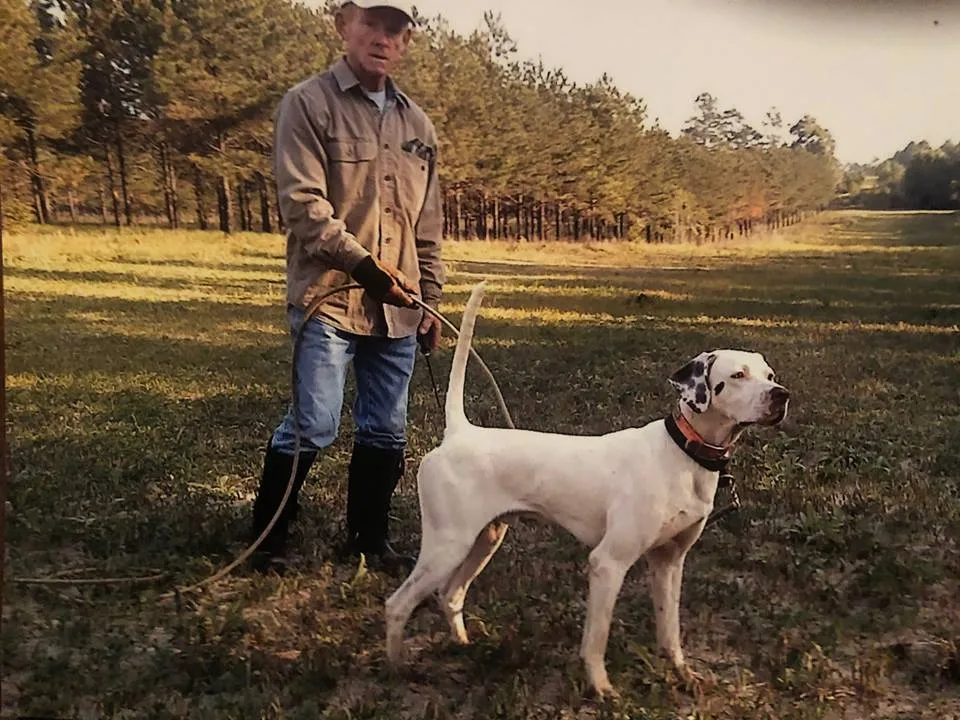
But can you image 120 coveys of wild quail in a day? With 20 or more birds per covey? Two dog men remember those days well, for Harold Ray and John Rex Gates were right in the middle of it. Ray and Gates were breeding, training, and competing dogs at the highest levels. Their consistency of winning earned both men inclusion in the prestigious Field Trial Hall of Fame. Bird hunting is all about the dogs, and some of their dogs and bitches were inducted into the Sporting Dog Hall of Fame. They remember the days when quail flew everywhere.
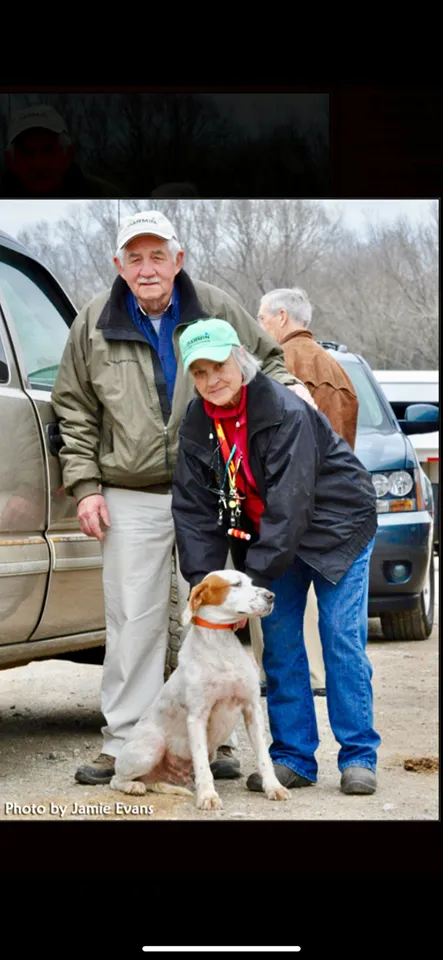
"I arrived in Georgia in 1958," Ray said, "and started training dogs for Fred Beven. In 1964 I began working for Elwin and Inez Smith of Smith Setters. Developing a kennel of good dogs meant I needed places to run them, and it was all around us. Back then there was so much farmland that the average hunter on public land easily could find lots of birds. During a low cycle I'd find about 20 coveys per day but in an average year it'd be common to find 50 coveys per day. The number of quail helped me develop high quality dogs like CH Tomoka, CH The Performer, CH Bonafide and CH Destinare who are honored in the Sporting Dog Hall of Fame. Those dogs sired a lot of pups, and their bloodlines have contributed to enhancing the breed which is what it's all about. It's one reason why a lot of today's hunters have great dogs."
"I remember running in the Masters Classic with 9CH Bonafide. I was handling him but he was owned by one of Mr. Smith's friends, Dr. Ted and Edna Morgan. Ronnie Smith's Fabricator was the brace mate, and in one hour of running, Ronnie and I found 26 coveys. Bonafide had one more find and won, but that shows folks what the peak quail days were like. I remember running dogs on Blue Springs Plantation with John Rex Gates and we found 120 coveys in a single day. "
"These days biologists look for one quail per acre. But back then we'd see more than that. I remember running dogs at John Olin's plantation. Mr. Olin kept a ledger of records and it was thick. He studied the age, sex and crop contents on every harvested bird. At one point Mr. Olin wanted to learn about different management techniques, so he brought in the head biologist from the King Ranch, a man named Val Lehman. Lehman's work on the King Ranch led to a population increase of three quail per acre. They did that by burning every other year and opening up of tree canopies."
"Quail are fascinating little birds. I remember running dogs with Tommy Long and we found between 80 and 90 coveys in one day. There was a weather change overnight, but since we found so many birds we decided to go back there in the morning. Wouldn't you know it, that day we only found three coveys. The quail weren't gone, but they sure felt the pressure from the dogs and moved around. Wild quail are like that, and that's part of what makes them so interesting."
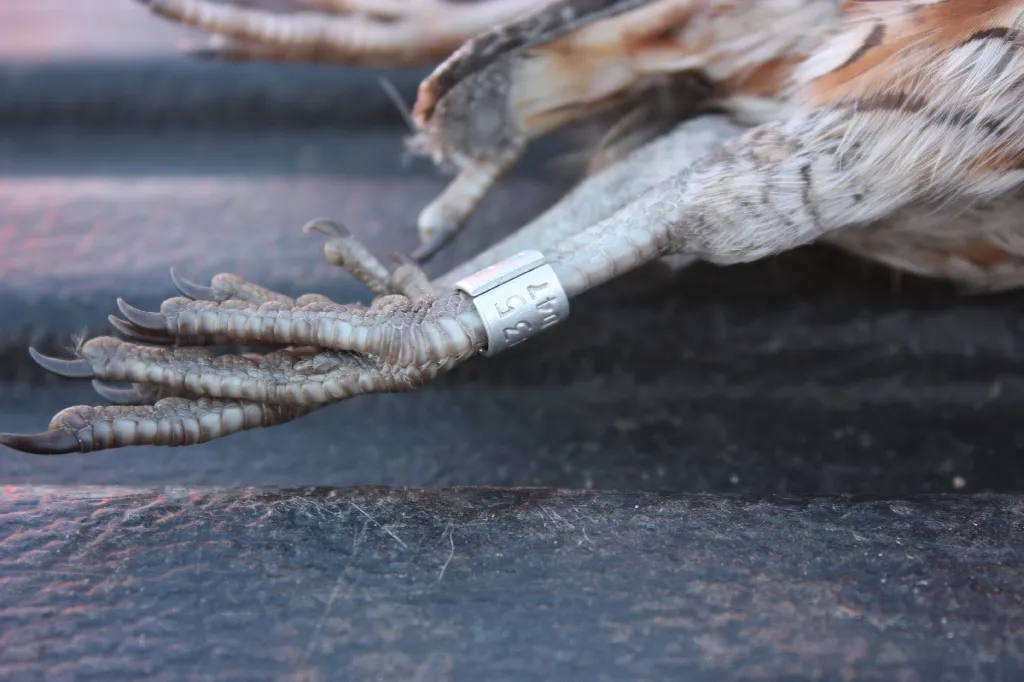
"But these days are different now. The changes came about in the 1980's, and it was because the land was farmed differently. Once soybean prices went through the roof all the farmers cut the trees and grasses and planted beans. They used Temik and Furigana pesticides that were sprayed from airplanes. That killed all of the insects and that makes it tough for quail to get the protein they need especially for breeding. The birds that survived were weaker for it, and that made their survival more difficult. Next came released birds, and while that's logical it really didn't help much at all. In fact, it weakened the gene pool even more."
"Trapping went away in the 1980's, too. Folks didn't want fur coats any longer and racoons, coyotes and foxes came back in big numbers. Those are a quail's sworn enemy, mostly because they pick off a bird here or there until the covey is gone. We see a lot of hawks now. So many predators make life really hard for a quail."
John Rex Gates remembers those days fondly. "Way back yonder in the 50's, 60's, and 70's there was a lot of farming going on," he said. "The farming wasn't sophisticated as it is today. The fields weren't as plowed and harrowed up as they are now. Spilled grain was left in the fields and the quail ate it up. There was no spraying, and everything was natural. All of the land was healthy which is why public land hunters could find between 20 and 50 coveys of birds in a day.
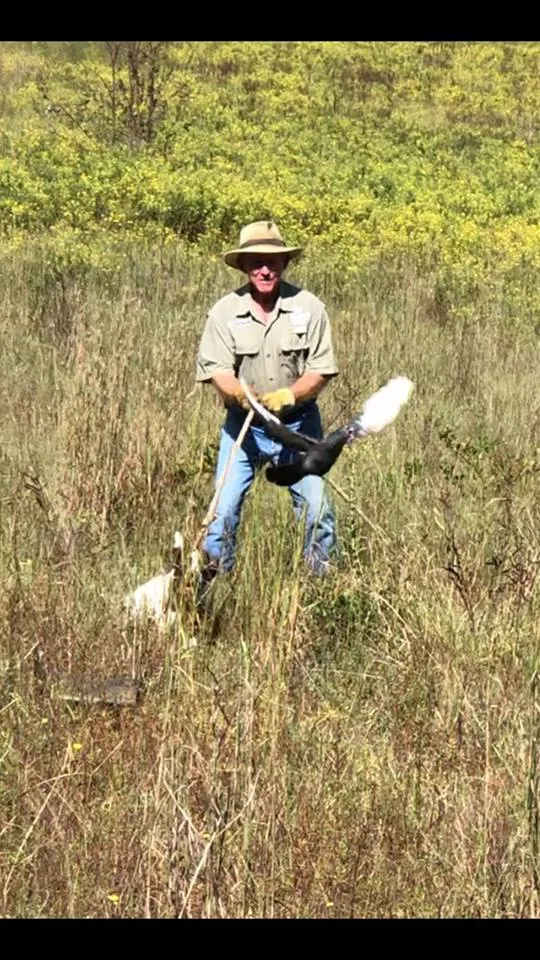
"Having lots of birds makes it easy to fall in love with bird dogs. We used to laugh that with so many birds an average dog could break themselves. That's not true of course, every dog needs training. But with so many wild bird contacts the dogs learned how to hunt. They learned the kind of things that make good dogs great. They learned how to work into the wind and how to handle birds they've located. Wild birds are different, and dogs learn a heck of a lot more from them than they do from released birds."
"I remember Safari, a pointer bitch I had back in the 70's. Safari was a big running, hard-working girl. She won 10 open championships and was the top dog in the world. One day we had a box of raised quail in the truck and we released 'em in the field. I cut Safari loose, and she wouldn't point a single one of 'em. Wild and released birds smell differently, but she wanted nothing to do with those tame birds. Safari was a wild bird dog, plain and simple.
"Oklahoma Flush only liked wild quail as well. He also won 10 open championships and was the #2 dog in the world at that time. I remember cutting him loose on Blue Springs Plantation with my friend Jerome B. Robinson. Oklahoma Flush pointed 16 coveys of birds in 90 minutes. That's a covey about every five minutes. Those are the kind of numbers we had back then, and it's why so many folks got interested in bird dogs. "
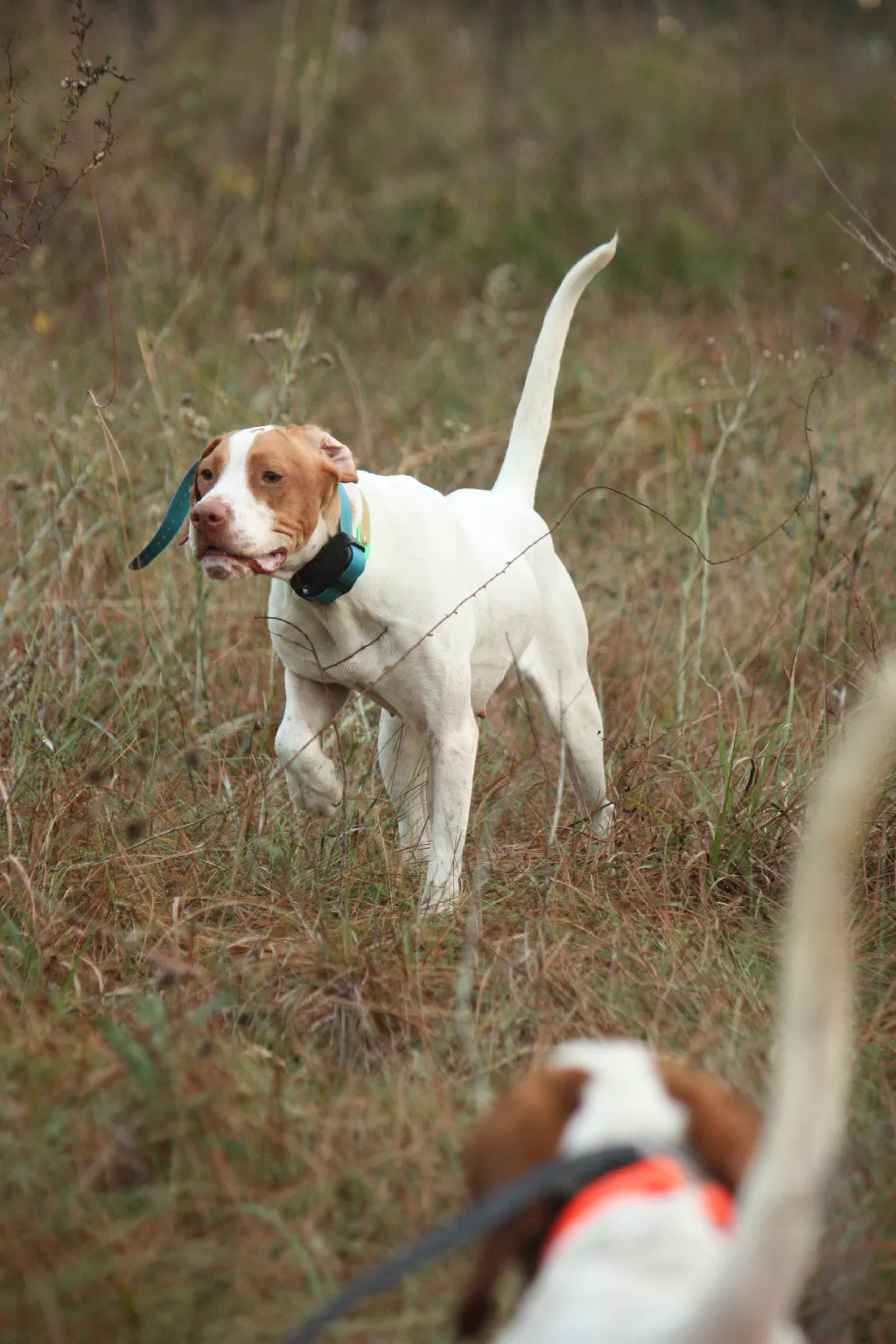
"But having that number of birds on a public or private property costs some money. I remember running dogs with Robert Woodruff. He was the president of Coca-Cola at the time and he also was a quail hunter. Mr. Woodruff owned Ichauway Plantation and also kept records of the birds he and his groups shot. One year, Mr. Woodruff decided to figure out how much it cost to harvest a quail. His accountants set about keeping track of every bird and at the end of the season they ran the numbers. There were a lot of quail harvested on that 30,000-acre plantation, and all in the cost to kill a quail came in around $250 per bird."
"Well, we won't be doing that anymore," Mr. Woodruff said.
"No more hunting?" said one of his guests.
"No, we'll keep hunting," Mr. Woodruff said. "But we're not going to figure out how much it costs anymore."
Who knows if we'll ever see those kind of numbers of birds on public land, but getting involved in conservation is a way to help stem the tide. It doesn't matter if it's on a national, regional or local level, every little bit helps. At the very least, those efforts give us all hope. And these days, we could all use a little more hope.

About the Author : Tom Keer
Visit authors website | View more articlesTom Keer owns The Keer Group, an outdoor marketing company which works perfectly with his freelance writing career. He casts his four English setters in Northeast upland coverts and Southern quail fields with fortunate regularity. Hes been lucky to be surrounded by people and dogs that are much smarter than him. Visit him at www.thekeergroup.com or at www.tomkeer.com
Related Aritlces
Tall Timbers: Burning Down the House
I’ve heard of folks figuring out the price tag on costs to raise wild quail, but I don’t know of anyone who has kept track of the amount of time that goes into the breeding, training and developing of a championship gun dog. Both are significant. Take that dog number, multiply it by 55, and you’ll have one heck of a lot of hours all represented in the dogs that qualified to run across 28 braces in the February 2025 National Championship for Bird Dogs held at Ames Plantation. The first brace of this 126-year old Super Bowl caliber event commenced on February 10th . The final brace ran over two weeks later on February 27, and during that time weather conditions ranged from a soggy, below-freezing 22 degrees Fahrenheit day to a 75-degree Fahrenheit sweat lodge. If you don’t like the weather in Grand Junction then wait five minutes.
The Great Debate: Pointing or Flushing Dogs for Quail
My wife said I winced when we pulled up to the only game in town. It was an old motel of a vintage that reminded me of the Golden Era of travel by car. Over the years families probably over-nighted here while on their way to any one of a number of the nearby wild quail Valhallas. No visible capital improvements had been done for a long time, at least I couldn't see any renovation. The 30-some-odd rooms looked sad while the adjoining restaurant and tavern was booming.

Field Trials Matter
Most scouts yawn when linemen run 40's, but not at the 2020 combine. Mekhi Becton, a 6-foot-7-inch, 364 pound offensive lineman out of Louisville ran a blistering 5.1. Heads didn't turn so much as they spun off of heads, for what current lineman of Beckton's size runs what used to be speed of yesteryear's fullback? My, my have times changed.