Why your dog eats grass
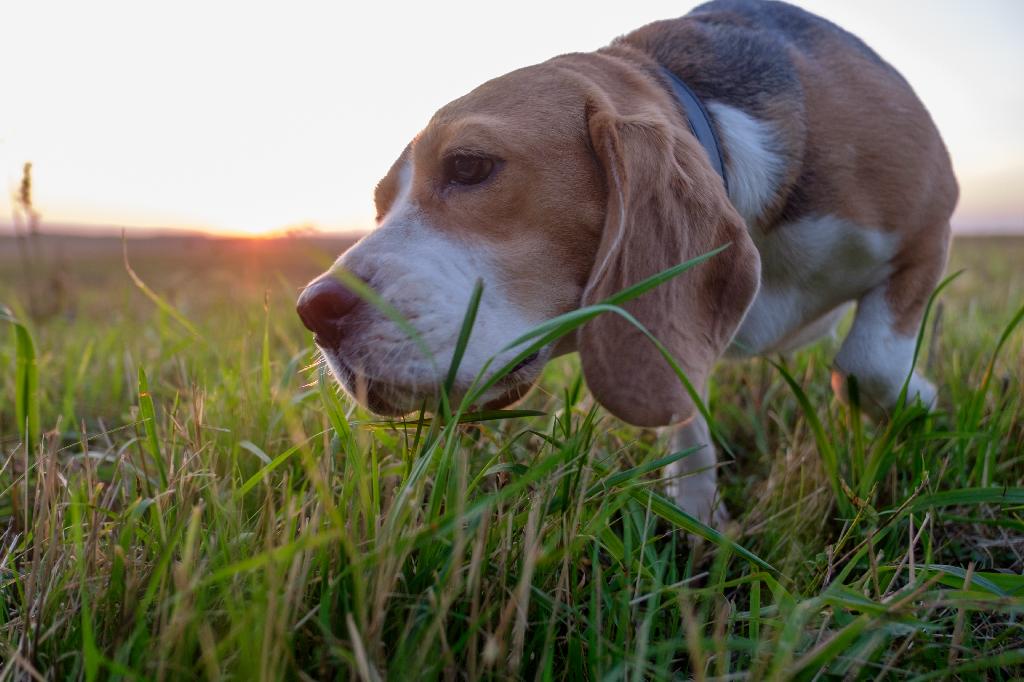
Do Dogs Use Grass as A Medicine?
You may have heard that dogs consume grass because they are sick. Many people believe that grass acts as some sort of medication to cure an upset stomach. This belief is often due to the fact that some dogs vomit after eating grass. The truth is that less than 25% of canines vomit after eating grass. This leads to the conclusion that most dogs are not eating grass to soothe an upset stomach.
Dogs Need Roughage in Their Diet?
In nature wolves and other wild dogs strive to eat a balanced diet. Not only do they need protein from meat, but they also need some type of roughage to help them digest their food. Hunting dogs and other domesticated canines also need roughage to be healthy. Most dog foods don't contain enough roughage for your pet's needs. This is why your dog may be munching on grass every time you take them for a walk.
They May Be Lacking Nutrients
Another reason that hunting dogs may be consuming grass is the fact that they are lacking nutrients. If your dog is deficient in vitamins or minerals, they may be compelled to eat grass. Boosting your pet's diet will help curb the habit of grass-eating. You should pay close attention to the type of food you feed your dog. Some commercial dog foods lack the proper nutrients to keep your pet healthy and happy. To make sure your dog is getting the nutrients they need make sure to speak with your veterinarian. He or she will be able to examine your pet and suggest a well-balanced dog food brand.
Or supplement your dog's diet with vitamins
Alpha Dog Nutrition - https://alphadognutrition.com
K9 Athelete - https://wildernessathlete.com/collections/k9athlete
Instinct May Be the Key
Your dog may be eating grass because they are hardwired to do so. As you have already learned wolves eat grass in the wild. Being the descendants of wolves, some dogs are born with the instinct to consume grass. So, if you notice your pet grazing on grass, don't be too concerned with their natural behavior.
They May Be Eating Grass Out of Boredom
Many hunting dogs and other pets get bored when left outside for long periods of time. To fill their time many dogs will nibble on grass as a pastime. While consuming small amounts of grass isn't something to be concerned with, too much grass may give your pet digestive issues. To keep dogs occupied, pet owners should give their canines something to play with. Dog toys are a great way to keep your pet engaged and limit the amount of grass they consume.
Now that you know the reasons why dogs eat grass, you can better understand your pet's behavior. Keep in mind that there are several reasons dogs eat grass. Please pay close attention to your dog to determine your pet's needs. If you are worried your pet is eating grass because they lack nutrients, schedule a visit to the vet. This will give you peace of mind and knowing your pet is getting a balanced diet.
Related Aritlces

Should Your Sporting Dog Shift to an Off-season Diet?
Sporting dogs burn a lot of calories during the hunting season. To support their elevated nutritional needs, savvy handlers feed them performance kibble. Off-season nutritional needs are often different, and that’s why many handlers shift a dog’s diet to one with lower amounts of fat and calories.
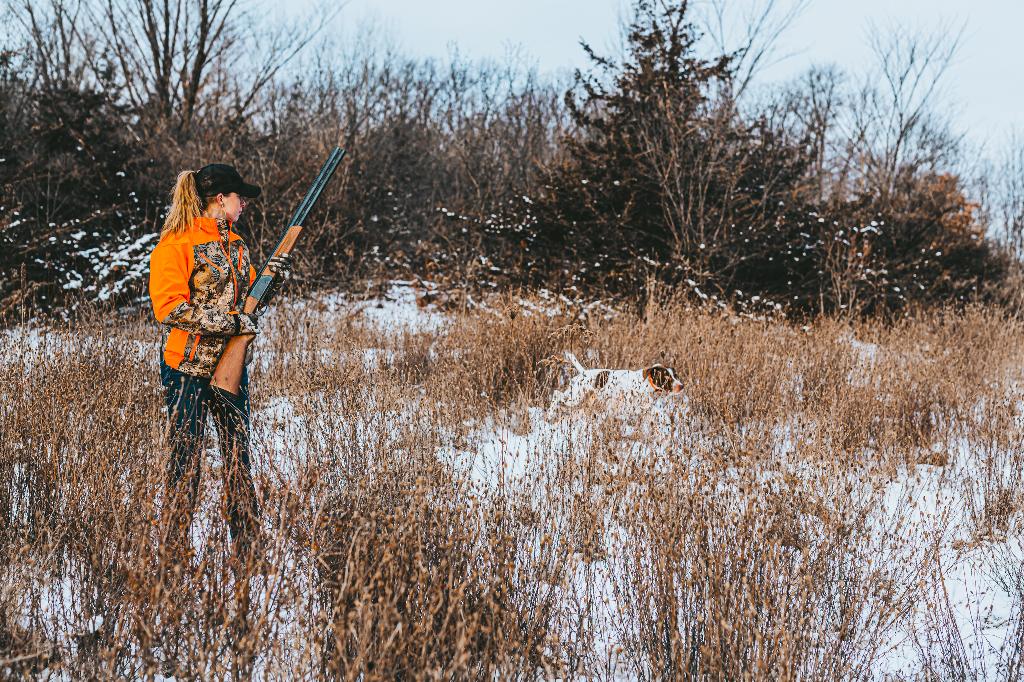
Late Season Care for Gun Dogs
As opening weekend and memories of early fall rambles through our favorite covers begin to fade, winter settles in across the northern reaches, signaling the last call for many bird hunters. For many of us, hunting the last days of the late season are an anticipated tradition, as we take extra time off around the holidays to spend time with family or travel to western or southern destinations to extend our season. Much like us, who will hunt as long as we are warm, dry and comfortable, our dogs are tough and ready for these winter wingshooting wanderings. Hunting in the cold and snow can be enjoyable and rewarding but following a few simple considerations will help to keep your dog safe and end the season on a high note.
Causes, Symptoms and Treatment - Heartworms
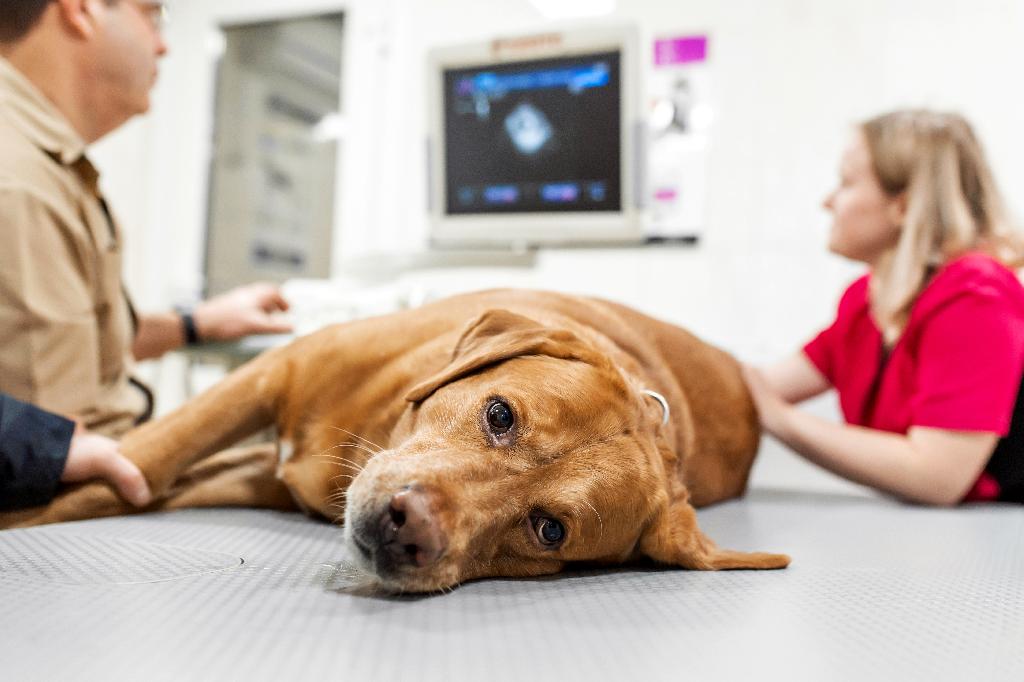
Hunting dogs spend much of the day outdoors, where mosquitoes are prevalent, the primary vector for Heartworms. But what are heartworms, and how severely can they impact your dogs health?