Article Database
These page is loaded with Featured Articles
Revenge
It was a rainy March Friday with more rain forecast for the weekend. Ben and Sam had endured a horrid week in their practices of law and medicine, but it was finally over. They sat in captains’ chairs in Ben’s library-conference room with a fifth of The Macallan 12 open on the table before them and thick insulated short glasses in their hands, each holding three fingers of the bottle’s contents. They had been silent for five minutes. They heard the outside door close behind Ben’s PIC (“Person in Charge”), Joanne, as she left for her weekly dance lesson.
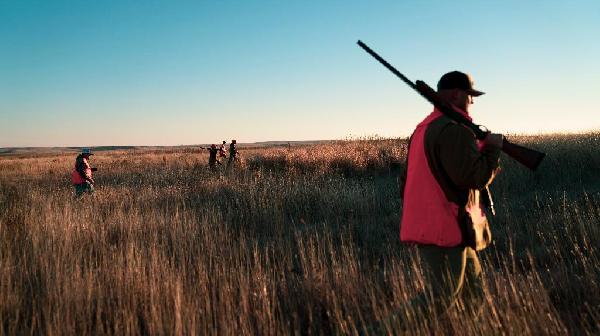
10 Christmas Gift Ideas for the Upland Hunter
Do you have an Upland Hunter that's difficult to buy for? Below you'll find a list of items that would make any Upland Hunter happy.

Key Nutrients that support a dog’s muscular system
Featuring Russ Kelly, M.S., Eukanuba and Royal Canin Pet Health and Nutrition Center
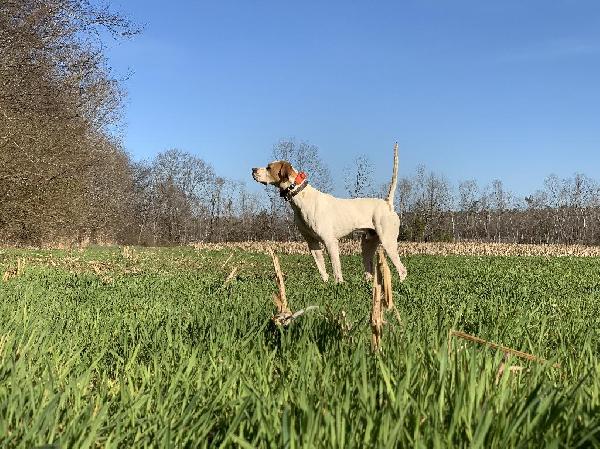
Understanding Bird Scent-Part 3 The Dogs Nose
The canine nose - truly one of nature's most amazing accomplishments. A dog's nose not only dominates her face, but her brain, as well. In fact, a dog relies on her sense of smell to interpret her world, in much the same way as people depend on their sight. Although this contrasting world view may be hard to imagine, know that your dog interprets as much information as you do. However, she does much of this by smelling an object or animal, not by staring at it. (Stanley Coren, Sarah Hodgson, Understanding A Dog's Sense of Smell).
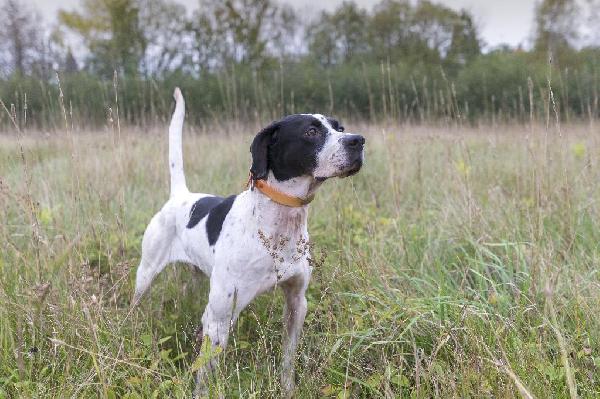
THE BENEFITS OF ANTIOXIDANTS IN DOG FOOD
Hunters and trainers might argue about which breeds of sporting dogs are best for their preferred pursuits, but they can all agree on one thing, sporting dogs are driven to work. Whether it's a setter, pointer, shorthair, or retriever, sporting dogs are energetic, focused, and motivated. Off-season conditioning helps dogs maintain their hunting drive all year long. Well-conditioned bird dogs can run for miles without missing a step, and retrievers can run, jump, and swim their way through dozens of retrieves.
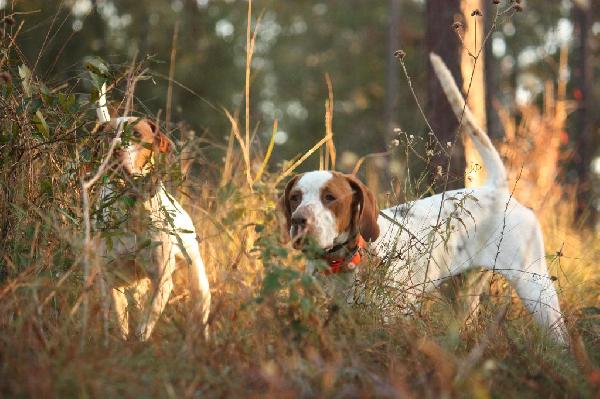
And the Birds Whistled Bob-white
Quail hunting in the South has always been as common as sunburn. Due to the fertile soil, flat and rolling coastal plains that are cut by long rivers and dotted with lakes and ponds, made for a perfect farming. Mild winters with hot, humid summers meant crops grew for longer times of the year than just about any other part of the country. Cotton, rice, peanuts, tobacco, peaches, sugar cane, watermelons, and indigo, the blue dye that comes from the plant, were staples. It didn't matter if the farming occurred on plantations several thousand acres big or on 50-acre tenant farms, one thing was for sure. Quail were abundant.
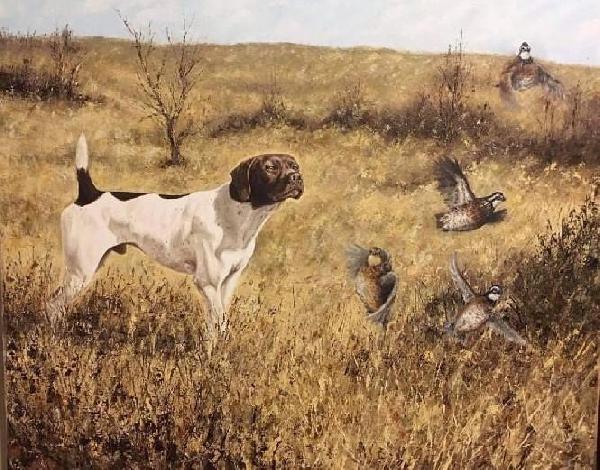
The Last Hour Dog
Ben and Sam were alone in Ben's library-conference room on a cold and cloudy year-end Friday afternoon. The week had been brutal for both curmudgeons. Sam had had to tell a favorite patient her cancer had returned. Ben had had to tell a grandfather his favorite grandson had been expelled from prep school.
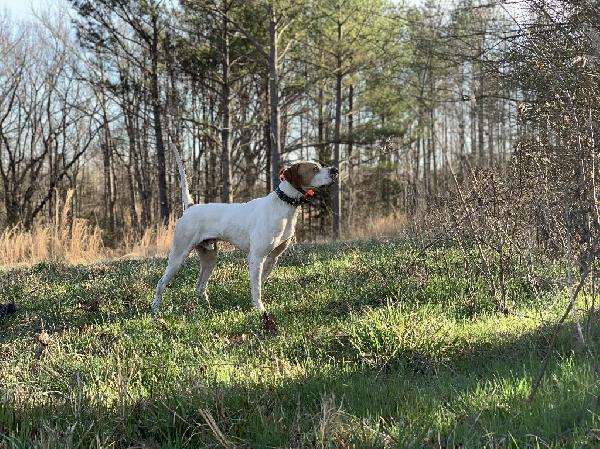
Understanding Bird Scent - Part 1 The Birds
In his book Best Way To Train Your Gun Dog, Hall of Fame Trainer Delmar Smith said: "No one's ever understood one thing about scent." Add this: Odor chemistry is complex and still poorly understood. (The Science of Smell, Iowa State University May 2004). Now we can understand why few, if any, have dared enter this research field of bird scent and pointing dogs.
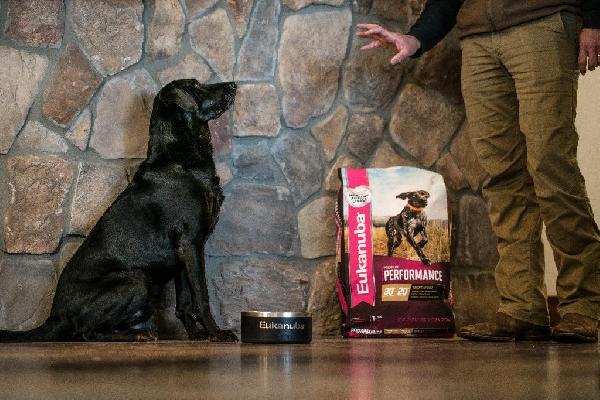
The Role of Antioxidants in Recovery
Give a pointer, setter, shorthair or Lab a choice between working or taking a nap, odds are they'll take work at every opportunity. Handlers are in it to win it today, but they've got an eye on tomorrow as well.
Pie Day
Toward the end of each month, Mother made pies, usually five or six. We kept one The others were delivered and given to various people in the community, the sick or shut ins or sometimes just a friend Mother hadn't seen in a while. I wasn't particularly fond of pie day. It wasn't because it meant me knocking on doors and handing the pies out, it was because of the hugs and cheek pinches all the old women felt obliged to give in return. Just before Thanksgiving and the opening day of quail season in 1964, pie day took on a very different meaning.
Key Nutrients for a Healthy Skin and Coat
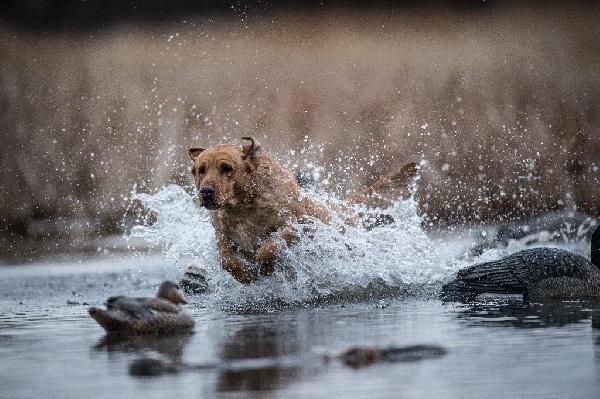
Humans can use topical supplements like moisturizing lotion or hair conditioner for good health, but a dog doesn't have that luxury. The condition of a dog's hair and skin comes from proper feeding, and it's far more important than just making them look good. Healthy hair and skin protect them from the environment.
Last Hunt
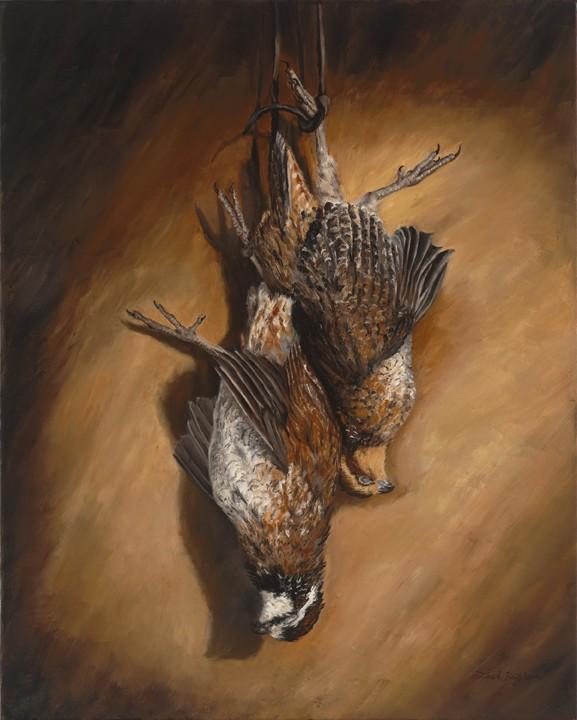
John Cole had been hunt master on Old Pine Plantation thirty years. Before that he had worked on other plantations in the quail belt, that land between Albany and Tallahassee where quail still thrived, thanks to Yankee old money, fire, and God's providence. He'd been born on one where his father before him had trained bird dogs and managed hunts for the owner and his guests, "folks with more money than good sense," his father used to say.
The importance of protein, fats and carbs in a gun dogs diet
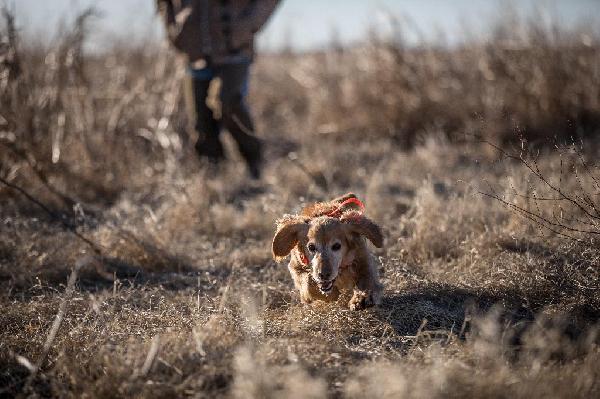
The intensity of a flushing dog working for three minutes is different from a bird dog that runs all morning long. Gun dogs need to be fueled by the correct type of energy, one that gives them drive at the breakaway and enough juice to swim against the current for that 15th retrieve. Nutrition tailored to support these different types of activities helps dogs work at their peak potential.
Worthless Dog? Maybe, Maybe Not
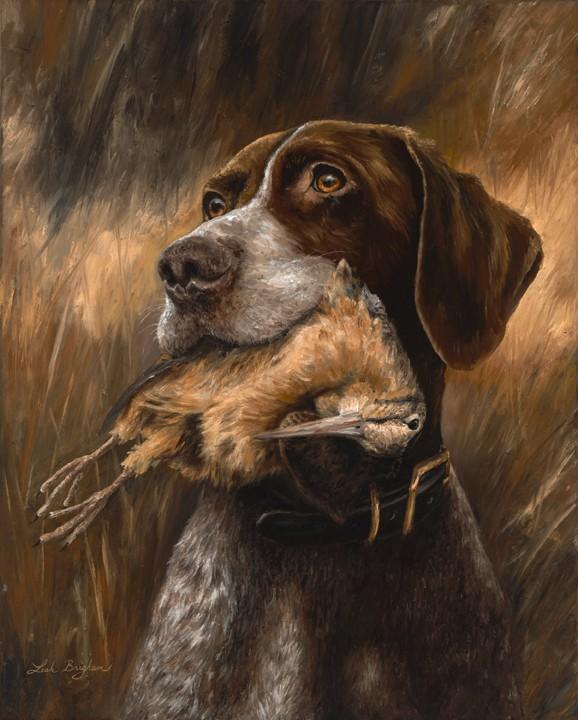
If you are a long-time bird hunter or field trailer you have started and given up on many prospects you judged deficient or worse. This is the story of three such I gave away and that proved more than useful to its donee.
One Who Gave For Us-And Paid A Price
"Ask not what your country can do for you; ask what you can do for your country."