Article Database
These page is loaded with Featured Articles
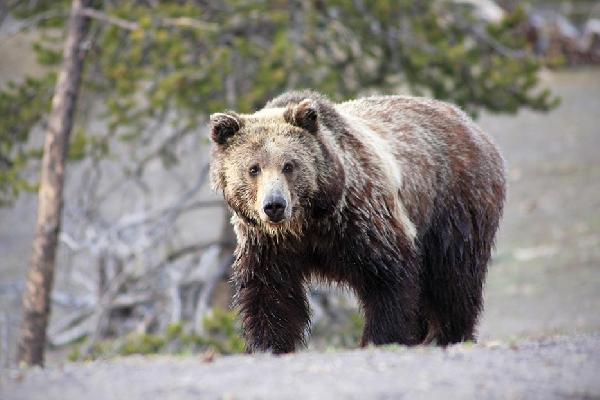
Zen and Sharing Space With Bears and Snakes
While planning a trip to Montana a friend asked me if the possibility of running into a bear or snake was “over hyped or a real concern?” After some thought, my answer “both” wasn’t very helpful in easing his mind. But it is true - while the odds of an encounter go up exponentially in the country either dreaded species inhabits. The sheer volume of hunters, fishers, and hikers flooding the space makes the odds of you actually being the one who gets bitten or mauled impossibly low. Put another way, you have to play the lotto to win, but when was the last time you won the jackpot? That doesn’t mean you shouldn’t be prepared, but common sense often goes out the window when we head west with our fears in tow.
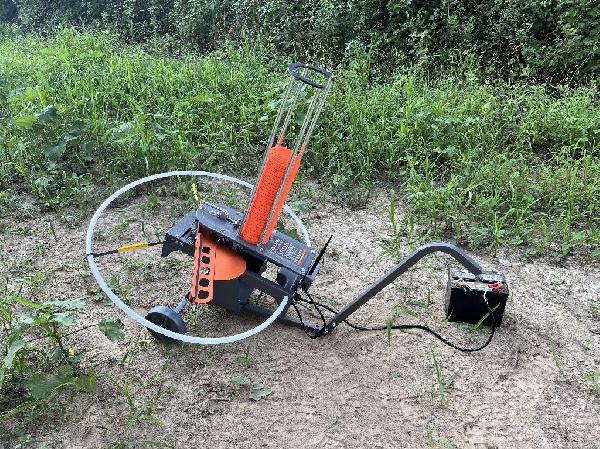
CHAMPION WHEELYBIRD AUTO-FEED TRAP REVIEW
I've had my eye on this electronic clay thrower for a few years. Browsing the sporting goods section of the local Walmart, I'd see this unit sitting in the store's back corner. I've debated buying it several times in the past but always talked myself out of it. I have a hand thrower and a manual spring load trap that I've used for years. The problem with these is you have to have a partner tag along to use them. Coordinating with someone else is not always the most convenient when you're just looking for a quick tune-up. The manual trap I own does have a trigger that you can attach a string to, so it can be released from a distance, but this has never worked well for me, and you still wouldn't be able to release and shoot your own targets. The manual trap was too difficult for my wife and kids to operate, so I usually loaded and threw while they shot. The hand thrower isn't much different. Since all my kids have flown the coup, I was looking for a way to practice shooting before bird season without needing help. It's probably not advisable to go shooting by yourself, but the main reason I purchased this thrower was in the hopes I could release and shoot targets on my own. I also picked up one of the Wheelybird Wireless Remotes, although the foot pedal would have been easy enough to operate. Now, I can move around without a tether, so I can get a look at different shots without adjusting or moving the machine.

The Importance of Mental Stimulation for Sporting Breed Puppies
Training your puppy starts the moment he comes home, and it begins with mental stimulation. Keeping him on task from the beginning will build a better adult sporting dog—but how do you do it? Read on for advice on how to hold a puppy’s attention.
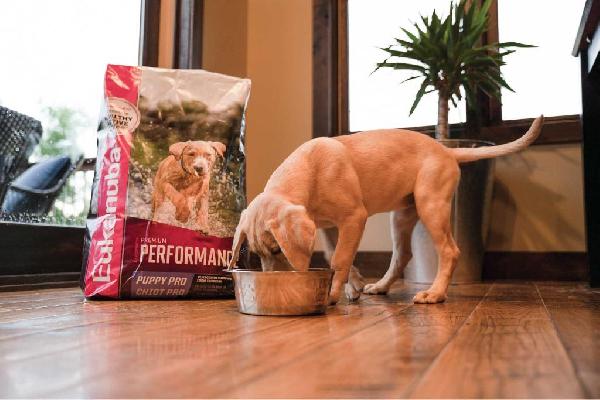
Nutrition to Support Your Sporting Breed Puppy’s Digestive Health
Digestive health is integral to a puppy’s overall health. The digestive system turns food into building blocks (nutrients) used by every other system, such as the muscular, skeletal, respiratory, and nervous systems, for proper growth and development. Feeding a highly digestible, nutrient-dense puppy food can help a highly active puppy’s body put vital nutrients to work with optimal efficiency.
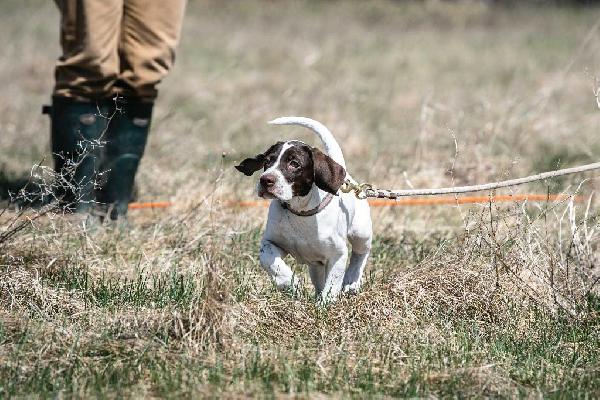
Nutrition’s Role in Supporting Your Sporting Breed Puppy’s Immune System
A sporting breed puppy’s exposure to the natural world can occur early in life, and frequently. Introduction to the woods and waters in which they will eventually work is important for future training. However, these environments often contain pathogens that can challenge a young puppy’s immune system. Selecting a nutrient-dense diet with prebiotics and a fortified antioxidant complex can help support a puppy’s developing immune system and natural defenses. A strong and functional immune system helps a puppy’s body identify and address potential pathogens, including bacteria, viruses, and parasites.
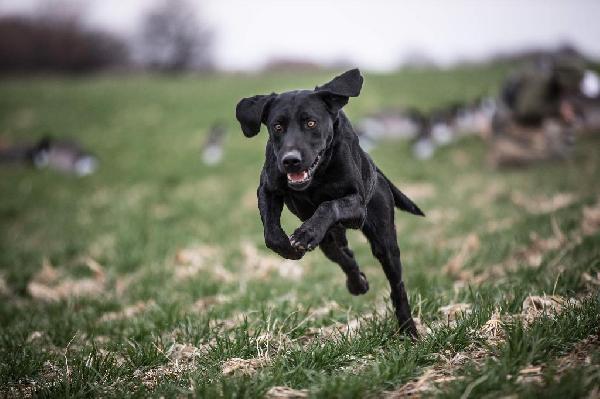
How To Support Joint Health in Your Sporting Dog
When we think about the longevity of our hardworking sporting dogs in the fields and blinds, joint health is often a point of concern. They run hard in a variety of conditions, they jump over logs or stone walls, and they twist and turn their way through fields and covers. Those aggressive movements can put a tremendous amount of stress on their joints.
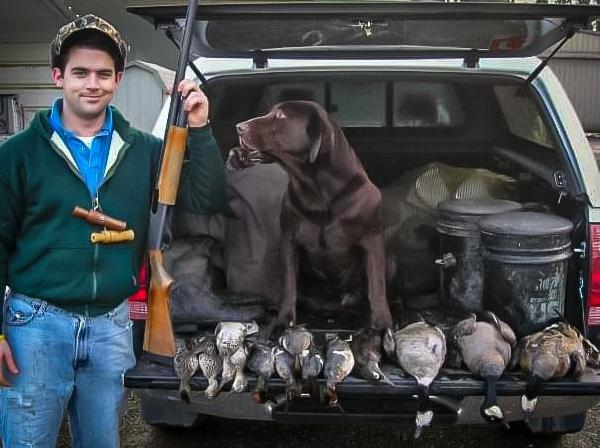
Old Friends
Your four legged friend is more than a hunting tool, but friend and family member. Even the hardest of souls crack when it is apparent that their hunting dog is slowing down and entering their final chapter. Growing up we had English Springer Spaniels and chocolate Labradors; chasing Valley Quail and waterfowl through the hunting seasons in the green Oregon valleys. During our Springer Jennifer’s final years, arthritis took hold but her drive to go hunting never diminished. She made sure she was always near the truck when it was time to go on any early morning, that short docked tail wagging furiously in her attempts to jump on to the tailgate, but ultimately not able to make it. The arthritis kept her short legs from making the jump despite repeated attempts that used to be effortless. Her eyesight was failing as well but her nose for flushing pheasants and tracking greenheads led the way.
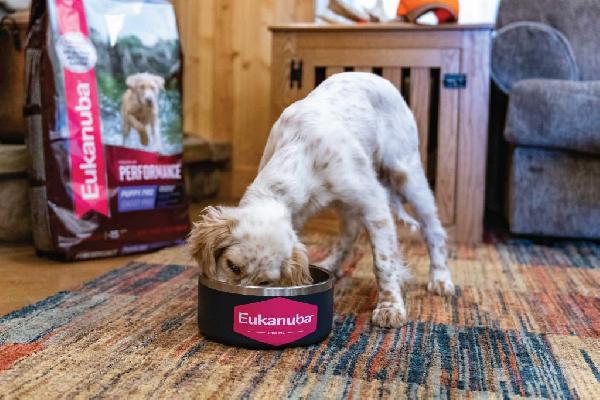
How Much to Feed a Sporting Breed Puppy
Puppies are a lot of things. They’re curious, they take a lot of naps, and when they wake up they’ve got a tremendous amount of energy. They’ve got powerful appetites and are always on the lookout for the next meal. But there’s more to feeding a puppy than filling up a bowl with kibble.
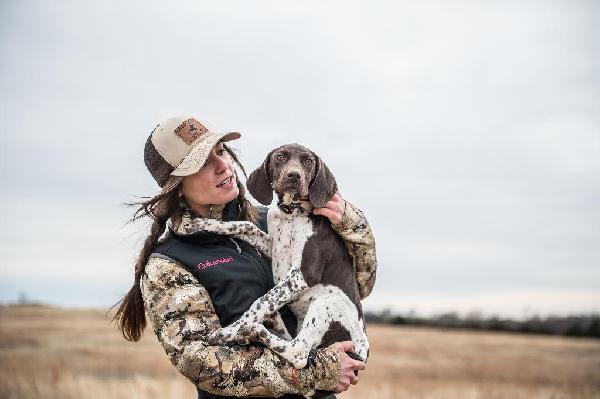
When and How to Socialize a Sporting Breed Puppy
Socializing puppies when they’re young is key to building strong and confident adult sporting dogs. Puppies need to learn about everything, which includes the environments in which they’ll live and work, people, other dogs and animals, and routine care. Read on for some tips on when and how to start socializing your sporting breed puppy.

Should Your Sporting Dog Shift to an Off-season Diet?
Sporting dogs burn a lot of calories during the hunting season. To support their elevated nutritional needs, savvy handlers feed them performance kibble. Off-season nutritional needs are often different, and that’s why many handlers shift a dog’s diet to one with lower amounts of fat and calories.
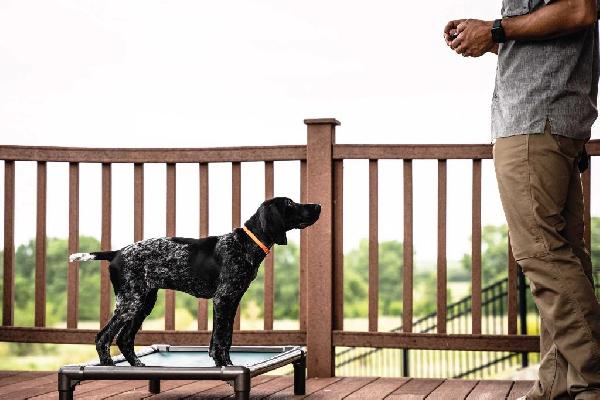
Can Sporting Breed Puppies Eat Adult Dog Food?
Sporting breed puppies are bred and trained to work. As a result, they have very different nutritional needs from those of a future house dog. Puppy formulas are typically more nutrient dense when compared to most adult formulas, to meet the demands of growth. However, it is not uncommon for sporting dog owners to utilize a performance formula or an “all-life-stages” product for their sporting breed puppies. These formulas are usually more nutrient dense and, in theory, sufficient to support the growth period. However, there are other nutritional options available today specifically designed for active puppies that may offer advantages that help promote a solid nutritional foundation for future performance.
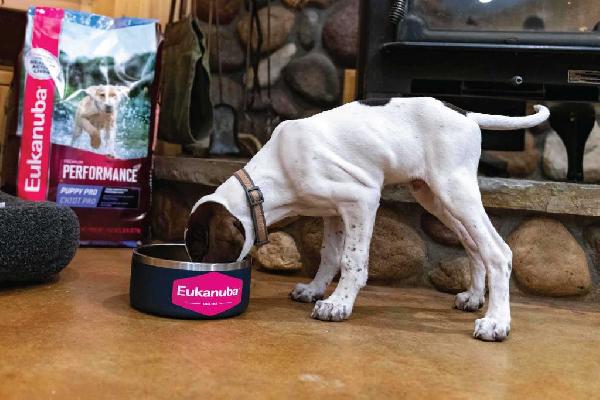
How Nutrition Supports Trainability in Your Sporting Breed Puppy
Sporting breed puppies have a lot to learn. Nutrition that fuels healthy brain function and learning supports a puppy’s ability to master a variety of tasks. Puppy diets that contain clinically proven levels of docosahexaenoic acid (DHA) can provide a training edge.
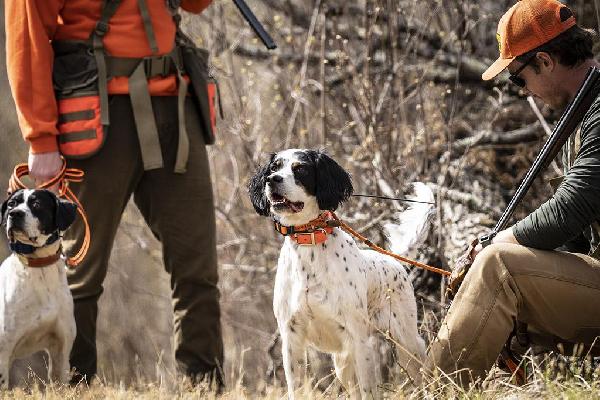
First Season Expectations
You’ve built up to your pup’s first hunting season—but what should you expect from your young dog? The experts weigh in.
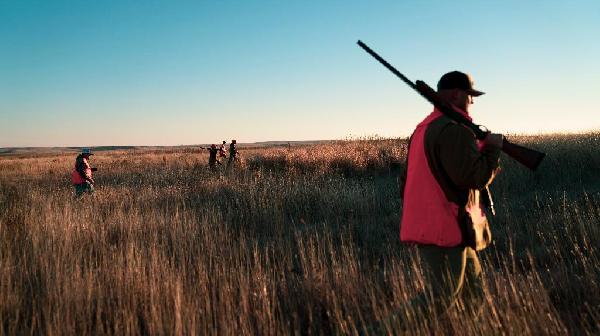
10 Christmas Gift Ideas for the Upland Hunter
Do you have an Upland Hunter that's difficult to buy for? Below you'll find a list of items that would make any Upland Hunter happy.

Key Nutrients that support a dog’s muscular system
Featuring Russ Kelly, M.S., Eukanuba and Royal Canin Pet Health and Nutrition Center