Caring for Your Senior Dog

The age that a dog is considered senior will vary with breed and size, but a good estimate is from 5 to 8 years old, with larger breeds tending to age faster than smaller breeds. Just like people, as dogs age they can become less active and lose muscle tone and bone mass. Skin and hair quality issues, digestive disorders, obesity and joint health problems may also occur.
One of the biggest benefits you can give your senior dog is to feed a diet that is specifically designed for older pets. The nutrients dogs need change throughout their lives, which means that the food they eat should also change.
Senior dogs need pet food that contains:
· High quality animal protein to provide the proper digestible amino acids
(such as lysine, methionine, and threonine) needed for maintenance of muscle mass
· Lower fat concentration for reduced calorie intake.
· Natural sources of glucosamine and chondroitin
· Antioxidants such as vitamin E to rid the body of harmful free radicals
· The proper level and type of fiber to support digestion
· Vitamins and minerals
Loyall® premium pet foods by Nutrena®, has a Senior formula designed specifically for your long time hunting buddy. All of the Loyall® products are made with our patented Opti-Cook® process that ensures grains and other ingredients are cooked correctly, to help make certain pets are getting the maximum benefit from nutrients. Opti-Cook® also ensures that every batch of Loyall® is more palatable and easier to digest, every time.
Every dog is unique, and your veterinarian will be able to provide specific advice on your pet's health needs. As they age, it is important to provide the right care to ensure their golden years are as productive and fulfilling as possible. Proper nutrition, a healthy lifestyle and routine check-ups are vital to helping ensure happy senior years for your canine companion.
For more information on Loyall® Senior Formula and the entire product line, visit loyallpetfood.com and find a retailer near you.
Dr. Jason Shelton serves as innovation development manager for Cargill Animal Nutrition. He is a Ph.D nutritionist, specializing in pet and equine nutrition. Dedicated to the care and feeding of animals for more than 80 years, Cargill's Nutrena® brand offers a complete line of Loyall® premium pet food, specially formulated to meet the changing nutritional needs of dogs, from puppies to seniors.
Related Aritlces
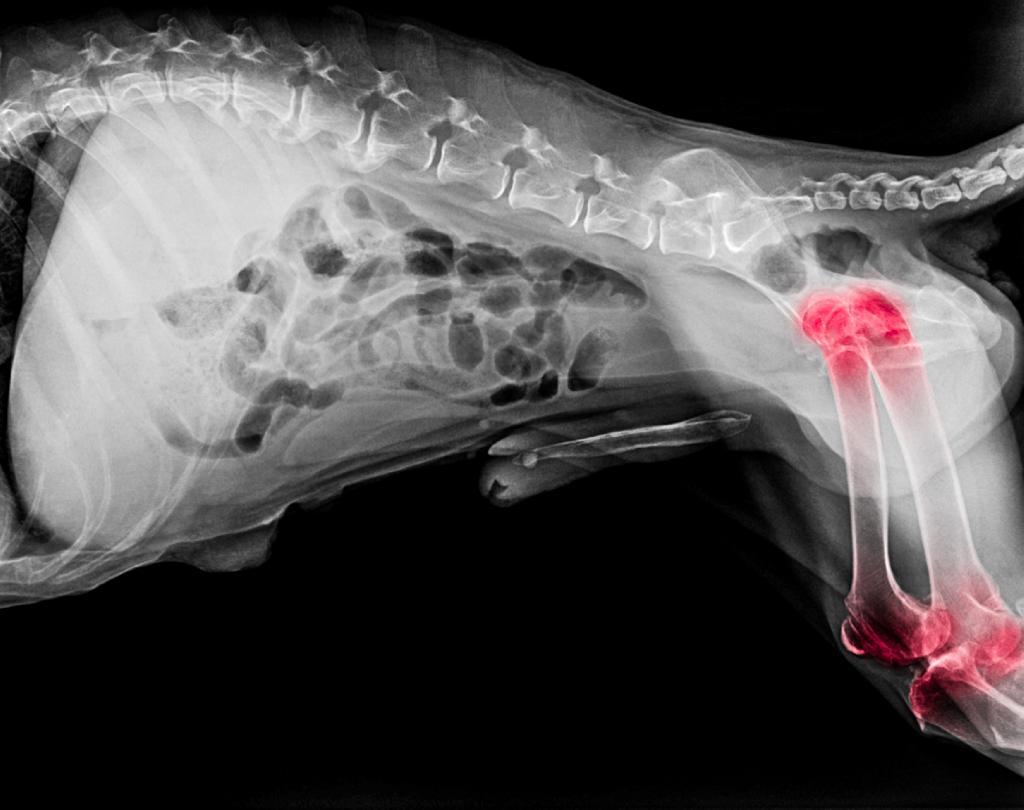
Causes, Symptoms and Treatment - Hip Dysplasia
A hunting dog's career can be cut short when it develops hip dysplasia, so it's essential to understand the causes of this condition, how to spot the symptoms, and what treatments are available to help your dog live its life as comfortable as possible. The good news is that you don't have to put down your best hunting dog just because it has hip dysplasia, with the right approach, you can give your dog many years of pleasure and fun in the field before he needs to retire.

Featured Breed of the Week: Golden Retriever
Golden Retrievers are beautiful dogs that were first bred in the early 19th century. They have a strong build and are known for their gorgeous coats. These coats can be straight or wavy and can be different shades of beige or gold. They have two layers to their coat, a longer one on top and a shorter one underneath. The layering of the coats provide the dog with lots of warmth during colder climates, keeps them cool during warmer climates, and will also repel water when it is raining. The male dogs of this breed traditionally weigh in at 65-70 pounds and stand around 22-24 inches tall. The females normally weigh 55-65 pounds and are around 20-22 inches in height.

Nutrition’s Role in Supporting Your Sporting Breed Puppy’s Immune System
A sporting breed puppy’s exposure to the natural world can occur early in life, and frequently. Introduction to the woods and waters in which they will eventually work is important for future training. However, these environments often contain pathogens that can challenge a young puppy’s immune system. Selecting a nutrient-dense diet with prebiotics and a fortified antioxidant complex can help support a puppy’s developing immune system and natural defenses. A strong and functional immune system helps a puppy’s body identify and address potential pathogens, including bacteria, viruses, and parasites.