Causes, Symptoms and Treatment - Ear Infections
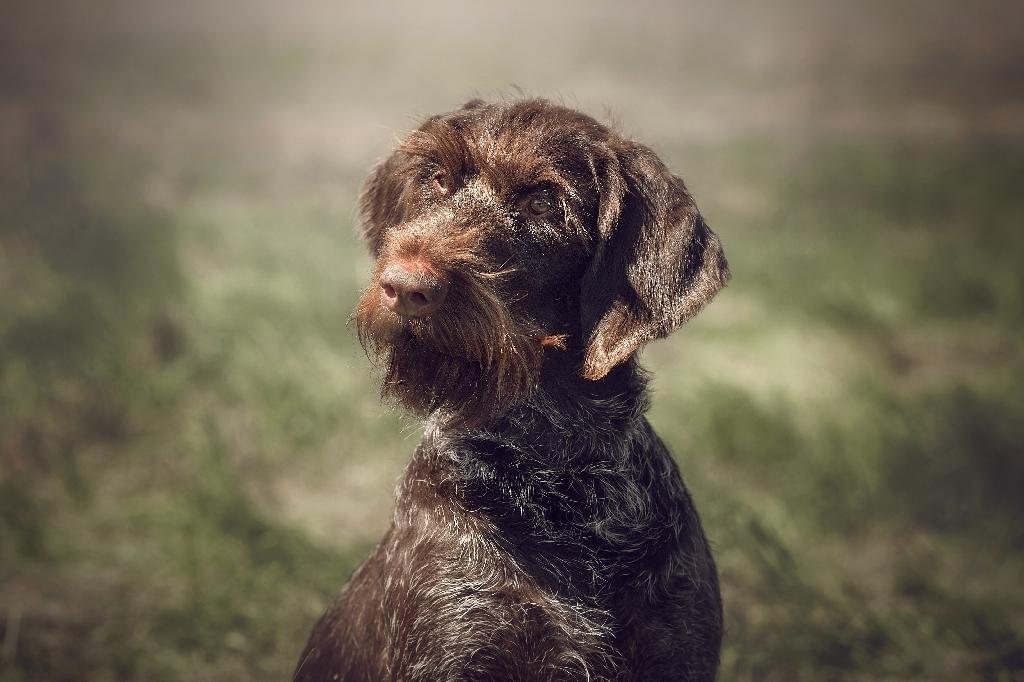
What Are Dog Ear Infections?
It's ideal first to be familiar with the dog ear anatomy to understand dog ear infections. Dogs have three ear parts: the inner, middle, and outer ears. Infections in the outer ear, known as otitis externa, aren't usually severe. However, it becomes more complicated if these infections progress into the middle and inner ears, known as otitis media and interna. These ear infections are usually more concerning to dog owners and dangerous to canines and can be precursors to facial paralysis and deafness.
Causes of Dog Ear Infections
Numerous causes of dog ear infections exist and can be crippling if you aren't keen with your furry friend or treatment isn't early. But what are the causes of ear infections in dogs?
Moisture in Dogs' Ears - Dogs' ears are usually moist on end for a more valid reason. Dog ear canals move vertical and L-shape, unlike humans and other animals. This shape makes it more possible for the ears to hold moisture and facilitate wax buildup, creating an environment ideal for yeast and bacteria to build up, causing infections.
Allergies - Some allergies can be very severe and cause skin infections, often from the outer to inner ears. Dogs with allergic skin disease are more prone to ear infections, and most canines with food sensitivity are also in the mix.
Autoimmune Disorders - Over or low activity of the immune system can also be the cause of dog ear infections. Conditions such as Pemphigus are the notorious reasons dogs suffer ear infections, prompting quick diagnosis and treatment.
Ear Canal Injury - Physical damage to the ear canal also lead to dog ear infections. The rupture of the tympanic membrane is a precursor for ear infections, requiring quick treatment.
Excessive Cleaning - Sometimes, cleaning the ear more frequently can be the reason your dog develops ear infections. Although you should be keen on its excessive buildup, ear wax is crucial in keeping the membranes flexible and more protected to prevent ear problems.
Endocrine Disorder - Excessive hormone production due to a malfunctioning endocrine system can be the reason for dog ear infection. It causes numerous problems in your dog's body, including hypothyroidism, notorious for causing dog ear infections.
Dog ear infection can be a severe cause for concern, manifesting in a vast array of symptoms that should be an indicator that treatment is necessary.
Symptoms of Dog Ear Infections
Your dog may visibly exhibit ear infections even if the condition isn't serious. As a dog owner, you should be more familiar with them and keener to avoid imminent ear infections. Here are the symptoms of dog ear infections you should know of.
Head Tilting - Your dog may tilt their heads to alleviate pain, mainly to the side of the infected part. Occasionally, they may scratch the infected ear, but that's not usually apparent if the pain is intense.
Hair Loss Around the Ear - An infection usually can weaken the follicles around the ear, leading to hair loss.
Odor and Bloody or Yellow Discharge in the Ear - Odor and discharge in the ear indicate more severe ear infections, requiring emergency veterinarian care.
Hearing Loss - Your dog may become less responsive to your instructions, especially when hunting outside, implying the severity of the condition.
Walking in Circles, Stumbling, or Loss of Balance - if your dog walks in circles and appears to stumble more, it's a possible ear infection demanding your utmost attention.
Other symptoms of dog ear infections include unusual eye movement, redness, swelling or scabs, and frequent head shaking. If any of these signs manifest, treatment should be your priority.
Treatment of Dog Ear Infections
Dog ear infection treatments are safer and more targeted in the vet clinic than you'd carry them out at home. Or at least, you need proper treatment guidelines from your vet to make them more effective. Treatment usually involves a thorough medical examination, cleaning using a medicated ear cleanser, and topical application of medicine. Your doctor may also offer oral antibiotics and anti-inflammatory medications for home treatments. In extreme cases, your doctor may recommend a Total Ear Canal Ablation surgery to remove the diseased tissue and prevent a recurrence.
Dog ear infections can upset you and your furry friend; hence, treatment should always be on time. That guarantees perfect health, and your dog would hardly fall ill of possible infections. Hopefully, this article will help keep your friend in proper shape.
Related Aritlces
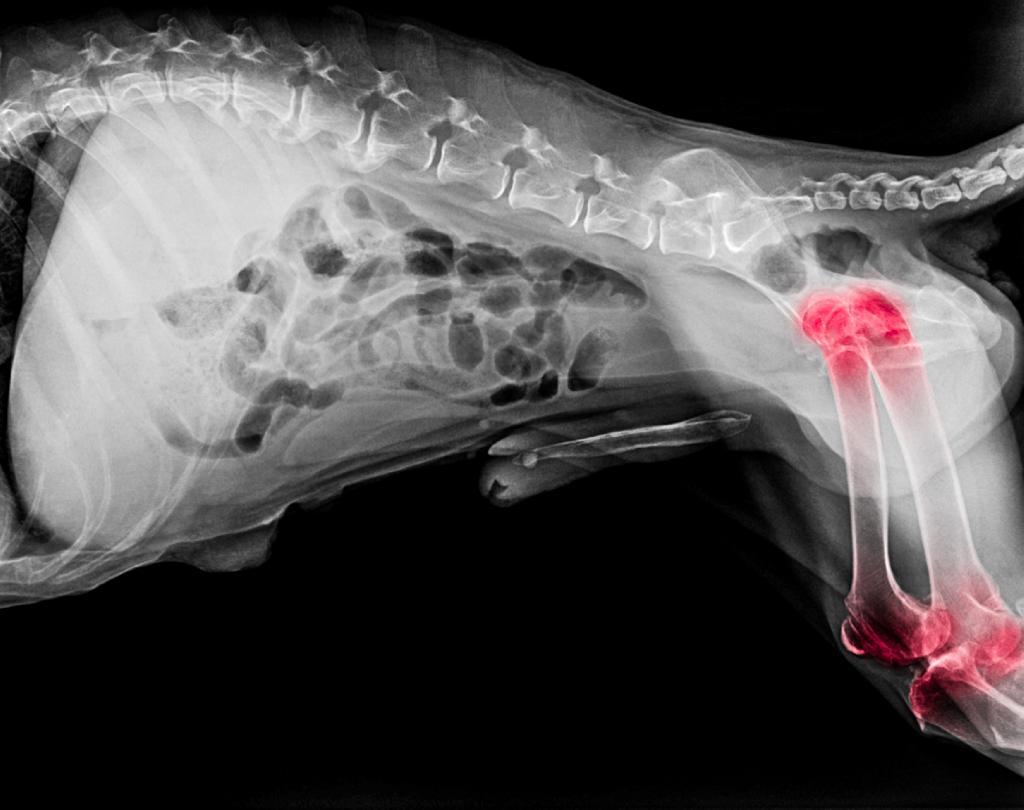
Causes, Symptoms and Treatment - Hip Dysplasia
A hunting dog's career can be cut short when it develops hip dysplasia, so it's essential to understand the causes of this condition, how to spot the symptoms, and what treatments are available to help your dog live its life as comfortable as possible. The good news is that you don't have to put down your best hunting dog just because it has hip dysplasia, with the right approach, you can give your dog many years of pleasure and fun in the field before he needs to retire.
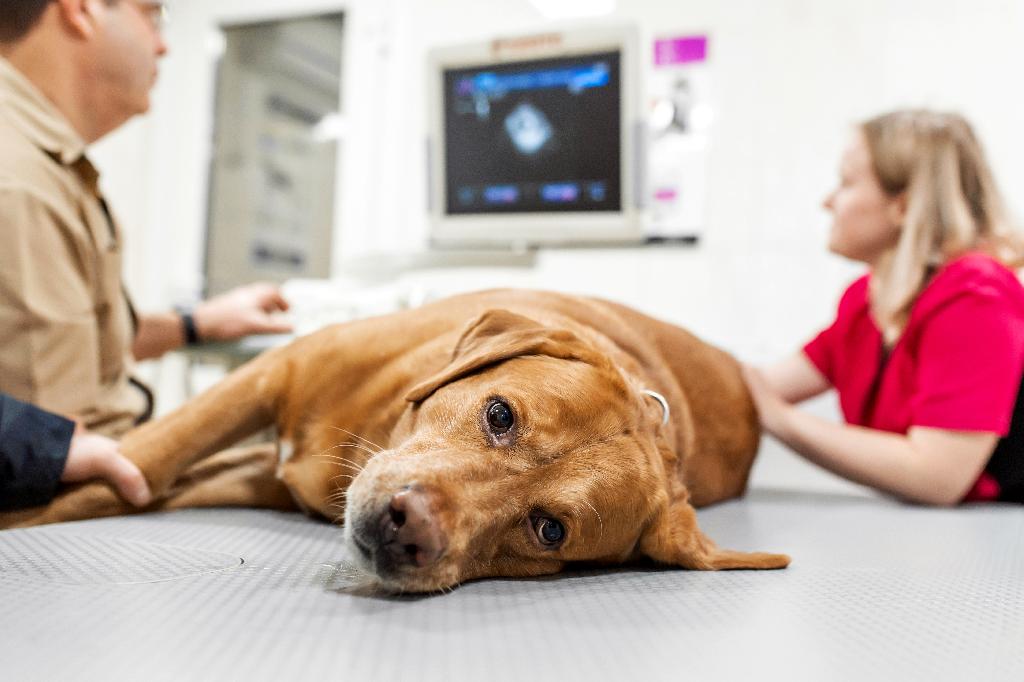
Causes, Symptoms and Treatment - Heartworms
Hunting dogs spend much of the day outdoors, where mosquitoes are prevalent, the primary vector for Heartworms. But what are heartworms, and how severely can they impact your dogs health?
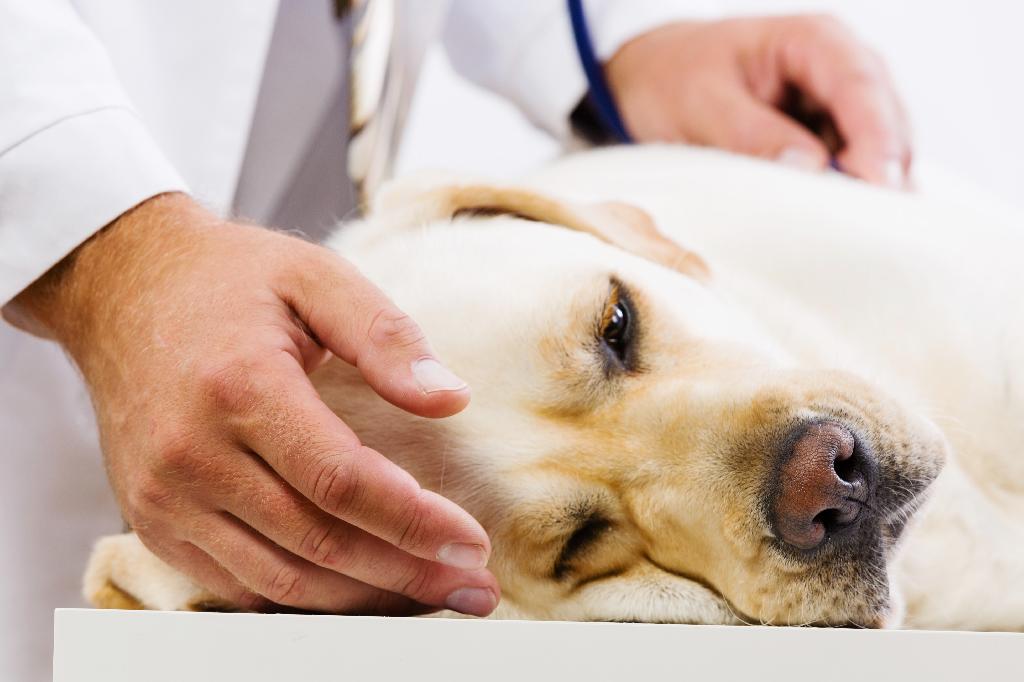
Causes, Symptoms and Treatment - Coccidia
Do you own a hunting or sporting dog? Then you should know about the danger of coccidia in dogs. You may have already heard of this disease because it is common among these breeds and can be serious if not caught early.