Causes, Symptoms and Treatment - Parvo
Causes of Parvovirus in Dogs
Parvo, an infectious disease, is commonly contracted from infected feces or animals with the virus. Therefore, when your dog sniffs, eats, or licks any contaminated surface, they risk getting infected. Hunting dogs are generally exposed to many different area than a typical house dog, increasing their chances of coming in contact with the virus. Indirect transmissions can also happen when an individual who has had contact with an infected dog touches your dog. The transmission of the virus creates a high risk to hunting breeds, within a few days of contamination, they may have severe effects. This is extremely dangerous to these breeds as the illness can easily lead to death.
If your dogs shows symptoms, caution is needed, especially in terms of the exposure you give your dog. Careful measures are required to prevent transmitting the infection to other dogs. The parvovirus can manifest itself in two ways. The most common effect is felt on the gastrointestinal parts, which affects digestion. The other form is witnessed through the cardiac form, which affects the muscles. The muscles often fail and may cause instant illness and death to the dog.
Early Signs of the Virus
It is essential to remember that once a dog becomes infected, the virus can still be present in its system for up to six months. For dogs such as hunting dogs, it may not be easy to notice, especially if there are no severe indications of infection or transmission. Signs will begin to show as early as 5-7 days, but could be as long as 14 days. To be on the safe side, you must watch out for the following symptoms, which may be a sign that your dog has caught the virus:
- Lethargy: Hunting breeds are generally very active, but they seem slow and uninterested, it may be a sign that they aren't feeling well.
- Fever: Fever is a common symptom for parvo. Dogs typically have a high temperature, but other visual indicators can help you determine if the dog is feeling well or not. Signs such as red eyes, shivering, coughing, and dry nose may be one of the most common indicators that your dog has a fever.
- Diarrhea: loose or abnormal stool may be part of stomach abnormalities. Parvo typically affects nutrient intake in the affected dogs and thus results in cases of diarrhea.
- Vomiting: just like diarrhea, some dogs may experience vomiting and other symptoms may need a further check from the veterinarian to determine if the dog is infected.
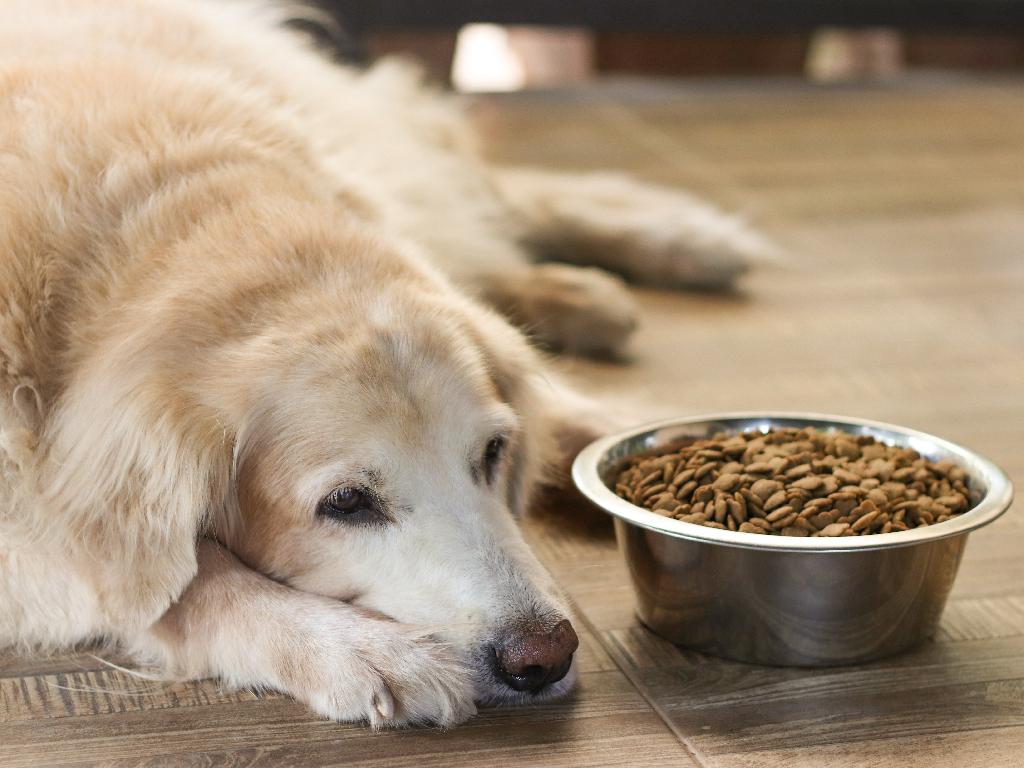
- Anorexia: this should come as one of the most alarming symptoms in a dog. For hunting breeds, it is common to find them having a massive appetite for food; thus, the concern should be taken when this decreases. Parvo in dogs may crate this situation primarily caused by the effect on the gastrointestinal system making it hard for them to hold any food. Infrequent or less food intake should be a significant concern to you and you should seek help from a vet immediately.
Prevention and Treatment
One of the best precautions to take is having your dog vaccinated. Vaccination prevents your dog from getting infected, boosting the health of your dog. Vaccination guidelines may come in handy to help you track periods which the dog needs to be vaccinated.
- Be sure to follow strict guidelines offered to you by the vet if your dog is confirmed for the infection.
- De-worm your puppy or dog if needed.
- Limit contact with other un-vaccinated dogs to prevent chances of transmission.
- Regularly clean surfaces or areas your dog may come into contact with daily.
- Minimal exposure to places other dogs may be, especially when they are at an age where they cannot get vaccinated.
There is no definite cure for Parvo. Treatment revolves around giving the dog supportive care till it gains strength. A lot of attention must be taken and other cautionary measures to curb its severity which often causes death.
Related Aritlces
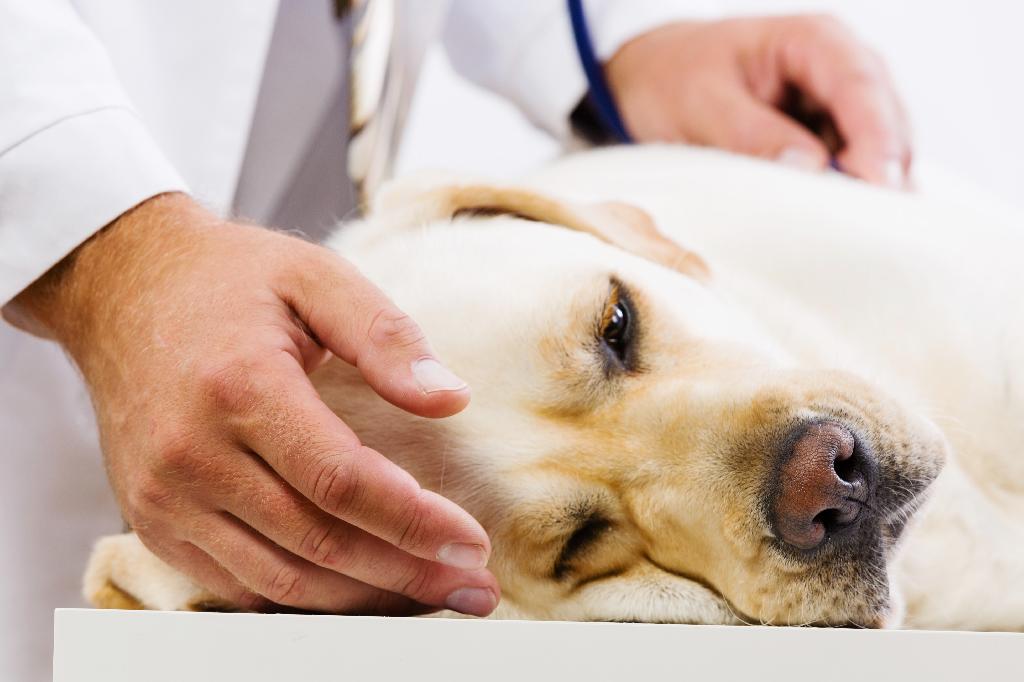
Causes, Symptoms and Treatment - Coccidia
Do you own a hunting or sporting dog? Then you should know about the danger of coccidia in dogs. You may have already heard of this disease because it is common among these breeds and can be serious if not caught early.
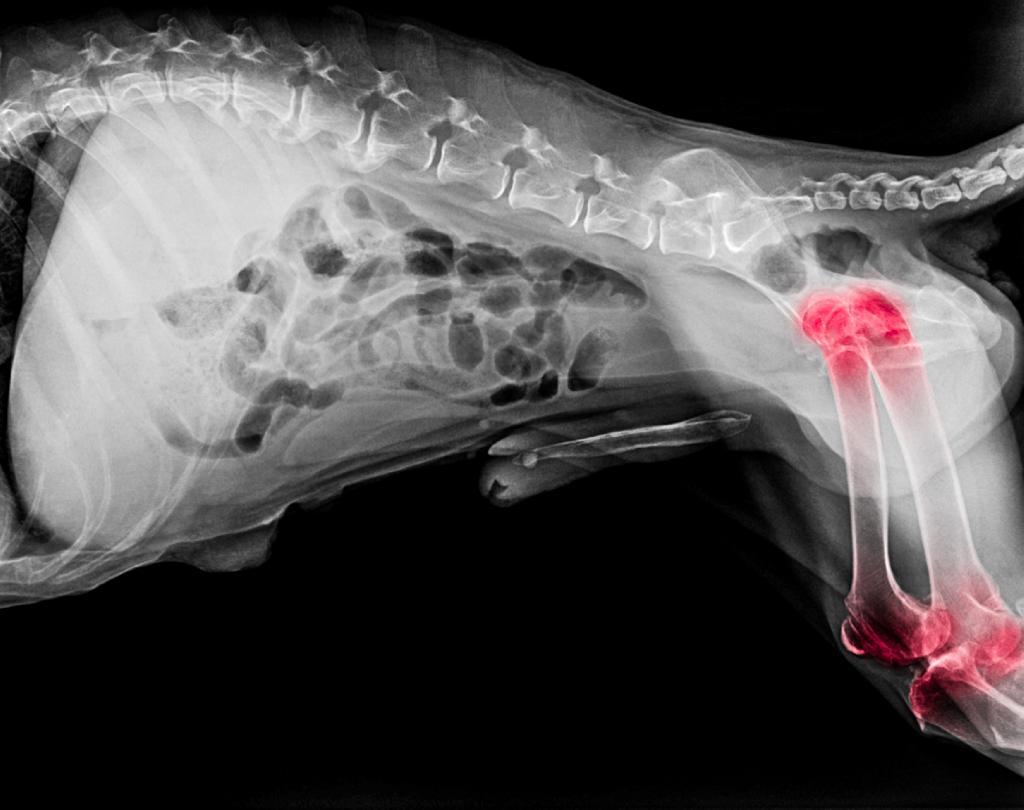
Causes, Symptoms and Treatment - Hip Dysplasia
A hunting dog's career can be cut short when it develops hip dysplasia, so it's essential to understand the causes of this condition, how to spot the symptoms, and what treatments are available to help your dog live its life as comfortable as possible. The good news is that you don't have to put down your best hunting dog just because it has hip dysplasia, with the right approach, you can give your dog many years of pleasure and fun in the field before he needs to retire.

Causes, Symptoms and Treatment - Hookworms
Hookworms are one of the common intestinal parasites in dogs and cats. As the name suggests, hookworms have hook-like mouthparts that enable them to attach to intestinal walls. These microscopic germs may not be easy to catch with the naked eye. However, their impact on the animal's health can be dire. The parasites feed on the intestines by ingesting blood from the capillaries and other tiny blood vessels, thus causing inflammation.