Causes, Symptoms and Treatment - Whipworms
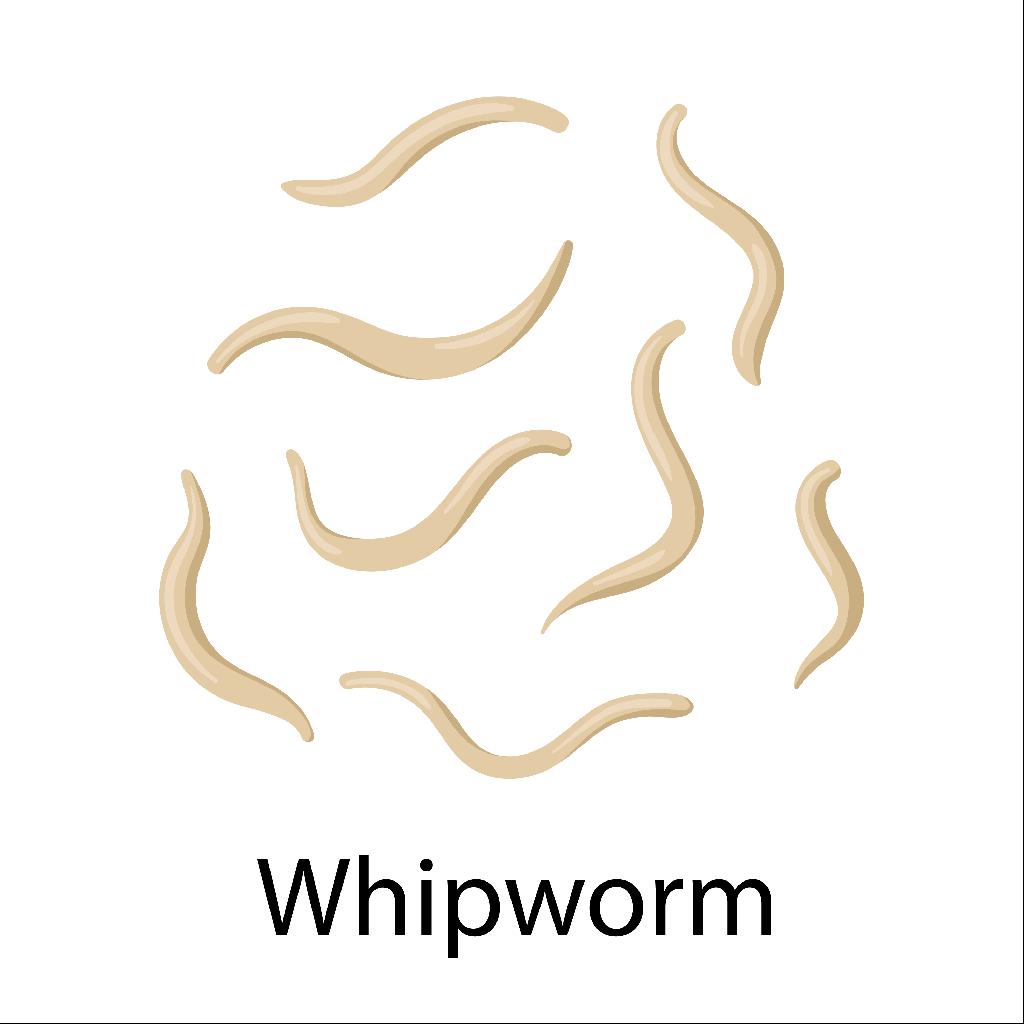
What Are Whipworms in Dogs?
Whipworms are worms that live in the colon of your dog. Whipworms are long, thin parasites that reside inside your pet's intestinal tract. The whipworm affects puppies and dogs of all ages, but it can be particularly dangerous to puppies who have not yet reached their full growth potential. While whipworms do not often cause severe health problems, the damage they can do should not be taken lightly. Fortunately, there are several easy ways to protect your pup from these parasites and keep them from wreaking havoc on your dog's health.
Causes of Whipworms in Dog
There are a few different ways that whipworms can end up in your dog. The most common include;
Eating feces
Feces are often infected with the eggs of the whipworm, so if your pet eats it, they will become infected.
Eating or licking materials
The whipworm eggs can also be present on grass and soil if an infected dog has urinated or defecated there. If your pet consumes these infected eggs, they will become infected.
Drinking contaminated water
Another possible way to get whipworms is by drinking contaminated water. Basically, contaminated water may possess whipworm eggs, and when your pet drinks it, they will become infected.
Symptoms of Whipworm Infection in Dogs
- Increased appetite
- Swollen abdomen
- Periodic vomiting
- Weight loss
- Soft/ bloody stools
- Abdominal pain and tenderness
Diagnosing Whipworm Infection in Dogs
Although Whipworm infection is not as common as other parasitic infections, it can still be seen in both puppies and adult dogs. The diagnosis entails looking for eggs or larvae in the stool sample, which will show up on a fecal flotation test. This is a microscopic examination of feces under a microscope to find whipworm eggs (or sometimes whipworm larva) that are in the dog's feces.
CT scans or MRIs may also be used to diagnose these worms. The CT scan involves injecting a dye into the body and taking pictures of its organs using x-rays. An MRI uses powerful magnets instead of radiation to produce detailed images of organs without harming them. These diagnosis procedures are done by veterinarians at animal hospitals. If Whipworm infection is found, there are different treatment options to help eliminate these parasites from your pet's system.
Treating Whipworm Infection in Dogs
There are a few treatment options for whipworm infection in dogs.
1. Anti-parasitic agent
This is given to the dog orally in pill form and kills the worms in their intestines. It includes milbemycin, Fenbendazole, and oxantel pamoate. This help reduces symptoms and heals damaged intestinal lining, thus speeding up recovery time.
2. Antibiotics
Dogs with whipworm infections also have a secondary bacterial infection. Antibiotics are used to clear up these infections as well. One of the most common antibiotics prescribed for this purpose is Clindamycin which can be taken orally or applied topically. Clindamycin can cause side effects such as nausea, vomiting, abdominal pain, and diarrhea, so it's essential to closely monitor your dog during treatment.
3. Anti-inflammatory drugs
These drugs are given to relieve pain and discomfort caused by whipworm infestation. They help prevent further health complications. In general, all three medications are safe for use in dogs. If you notice that your dog has symptoms of a whipworm infection, then consult your veterinarian before giving them any medication on your own. You should also always make sure you follow the dosage instructions exactly to avoid overdosing or underdosing.
While whipworms are dangerous to all dogs, they can be especially harmful to certain breeds. If you think your dog may have whipworms, it's vital to seek professional medical help as soon as possible. Early diagnosis and treatment are key to preventing serious health
Related Aritlces

Causes, Symptoms and Treatment - Hookworms
Hookworms are one of the common intestinal parasites in dogs and cats. As the name suggests, hookworms have hook-like mouthparts that enable them to attach to intestinal walls. These microscopic germs may not be easy to catch with the naked eye. However, their impact on the animal's health can be dire. The parasites feed on the intestines by ingesting blood from the capillaries and other tiny blood vessels, thus causing inflammation.
Causes, Symptoms and Treatment - Parvo
Parvo in dogs refers to the Canine parvovirus, a highly contagious disease found among dogs that causes gastrointestinal illnesses in puppies and older animals. It is a febrile disease of the canines which is highly contagious, especially through contact with infected feces. The virus spreads to the dogs' gastrointestinal tracts and affects their health by deteriorating their intestines, stopping them from absorbing vital nutrients. As a result, dogs and puppies become extremely weak and dehydrated. Hunting breeds are especially affected due to their exposure to infected animals or other factors such as contaminated soil and water. Thus, they are more prone to be infected with the parvovirus. The illness, if not well looked after or controlled, can lead to the death of the dogs.
Causes, Symptoms and Treatment - Coccidia
Do you own a hunting or sporting dog? Then you should know about the danger of coccidia in dogs. You may have already heard of this disease because it is common among these breeds and can be serious if not caught early.