Article Database
These page is loaded with Featured Articles
Fly Management Plan by Steve Snell
I had a customer last week who was having trouble with a Fly Trap. It wasn't catching the flies that were around his dogs. Come to find out, the trap he used was designed for house flies, but he had biting flies. When I told him that was the problem, he responded, "No, sir, a fly is a fly is a fly." Well, that's not true.
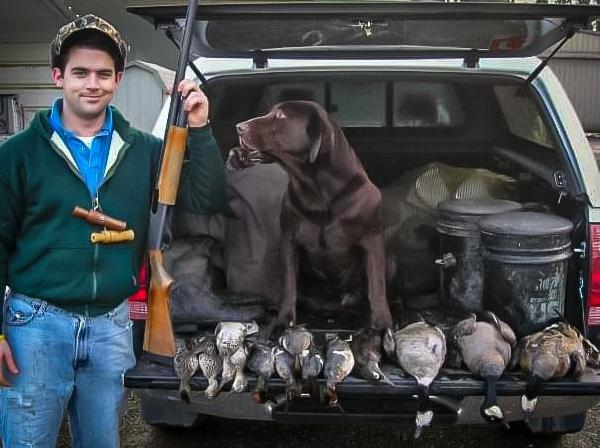
Old Friends
Your four legged friend is more than a hunting tool, but friend and family member. Even the hardest of souls crack when it is apparent that their hunting dog is slowing down and entering their final chapter. Growing up we had English Springer Spaniels and chocolate Labradors; chasing Valley Quail and waterfowl through the hunting seasons in the green Oregon valleys. During our Springer Jennifer’s final years, arthritis took hold but her drive to go hunting never diminished. She made sure she was always near the truck when it was time to go on any early morning, that short docked tail wagging furiously in her attempts to jump on to the tailgate, but ultimately not able to make it. The arthritis kept her short legs from making the jump despite repeated attempts that used to be effortless. Her eyesight was failing as well but her nose for flushing pheasants and tracking greenheads led the way.

A Lost Dog
It was July 15, 2003 and Billy Culp was fixin’ to turn loose for a workout his first green derby of the season. He was training this year on a new place just east of Lignite and south of Route 5. There were twenty pointing dog trainers working within a forty-mile radius of Billy , two hundred or more in the state, some serious pros, some serious amateurs, some just guys with a dog or two and a pickup truck.
War
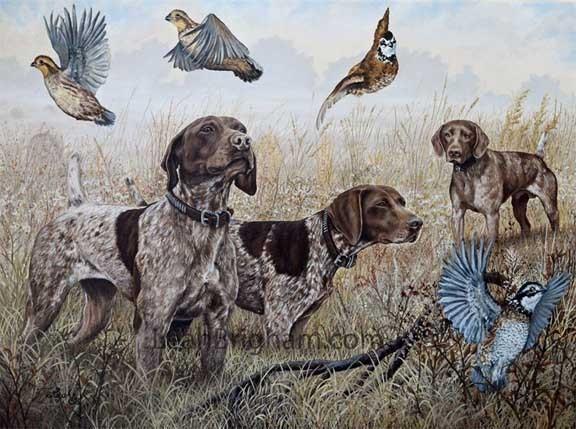
Wars between son-in-law and mother-in-law are endemic in our culture, perhaps pandemic in wealthy families and especially when son is Dixie-born and bred and mother-in-law a Yankee. So it was between Eloise Crump of Boston and Doug Hall of Thomasville, husband of Eloise’s daughter Charlotte.
Quail…Are They Still Around?
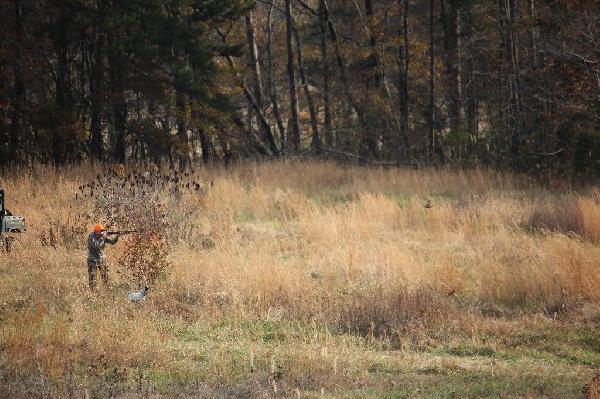
You betcha! Well, at least in Kansas. Talk of the good ol’ days are annoying, because they’re here!
10 Christmas Gift Ideas for the Upland Hunter
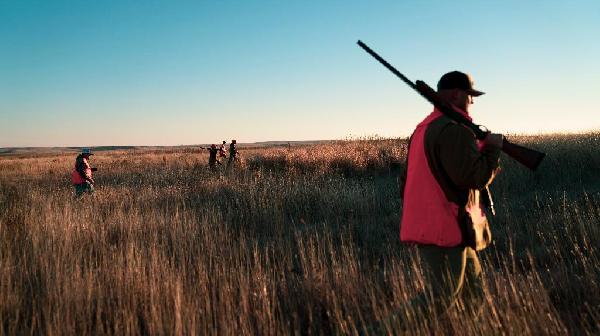
Do you have an Upland Hunter that's difficult to buy for? Below you'll find a list of items that would make any Upland Hunter happy.

Key Nutrients that support a dog’s muscular system
Featuring Russ Kelly, M.S., Eukanuba and Royal Canin Pet Health and Nutrition Center
Is Anybody Home?
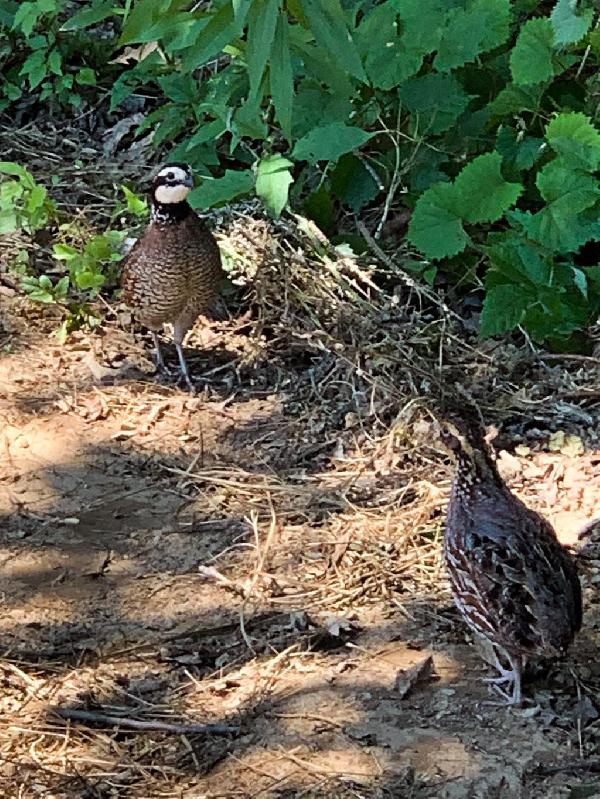
As a little kid visiting my grandparents in Tennessee it wasn't uncommon to jump up several covey of quail while walking around on their hundred acre farm. Today, not so much. While I still hear a few birds whistle from time to time, it's rare that I ever see a wild bird, much less scatter a whole covey. I'd love to be able to find wild birds in Tennessee again, so Quail restoration and conservation is something I'm pretty passionate about. I've tried releasing birds, planting native grasses and sowing food plots, but I lack the knowledge to make any real difference. In an effort to educate myself, I decided to reach out to an expert, Dr. Dale Rollins, to see if I could share something from the Rolling Plains Quail Research Foundation. He was gracious enough to allow me to share this article about counting the quail population on your land. It's an activity meant for spring and I probably could have waited to share, but I'm hoping to find and share similar articles in the future. I believe the first step to any good habitat management is to first figure out what you're working with.
And the Birds Whistled Bob-white
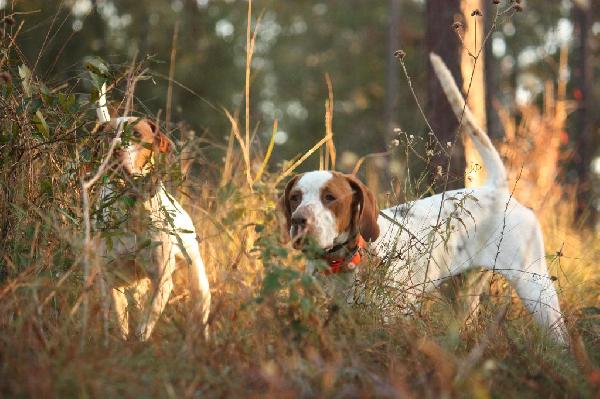
Quail hunting in the South has always been as common as sunburn. Due to the fertile soil, flat and rolling coastal plains that are cut by long rivers and dotted with lakes and ponds, made for a perfect farming. Mild winters with hot, humid summers meant crops grew for longer times of the year than just about any other part of the country. Cotton, rice, peanuts, tobacco, peaches, sugar cane, watermelons, and indigo, the blue dye that comes from the plant, were staples. It didn't matter if the farming occurred on plantations several thousand acres big or on 50-acre tenant farms, one thing was for sure. Quail were abundant.
Upland Hunting Vest Round-up
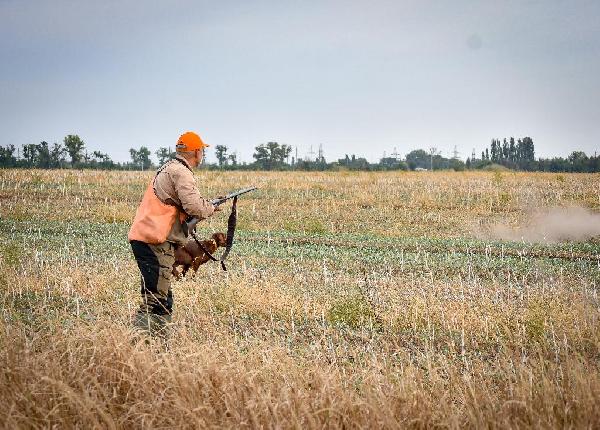
I was on Facebook the other night and saw a post asking about recommendations for an Upland Game Vest. There were so many different brands listed, that I thought it'd be a good idea to list some of them here on Gundog Central for everyone to see, with links to where you can purchase. While researching these Upland Game Vest, I was kind of surprised at how many different ones there were available. It would be impossible for me to list them all here, so I'll stick with the ones I know or might be interested in. I won't be offering any recommendations as to which one you should or shouldn't purchase, mainly because we all have different needs and hunt different types of birds. What's good for someone hunting Quail, might not work as well for someone hunting Pheasant. You might like to travel light, where someone else might want to carry more gear. An older person will have different preferences than a younger person and people in the south would have different needs than someone hunting up north. If you would like to leave any recommendations or feedback, maybe suggest some I missed, you may do some in the comments below.
Understand Bird Scent-Part 2 Diffusion
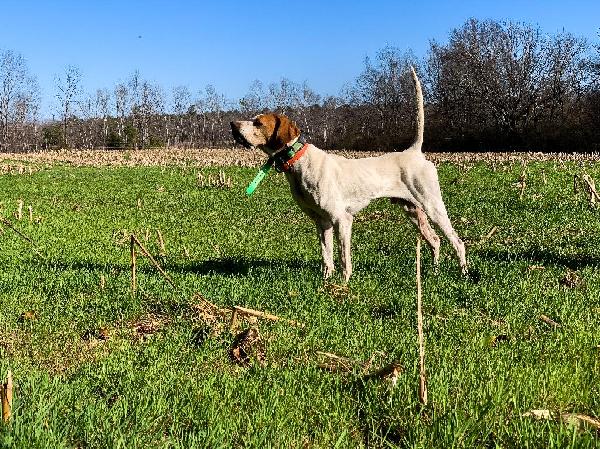
In last month's column, Understanding Bird Scent-Part 1 - The Bird, we learned about how bird scent is created. We know that there are scent rafts that create four different scent clouds that carry the scent into the atmosphere. Once the scent is airborne, there are numerous atmospheric weather conditions that affect the scent dispersal and the ability of our pointing dogs to locate a bird. In this part, of our three part series, let's examine those weather conditions that affect bird scent diffusion. We'll also look at the effect weather has on bird movement which also produces scent diffusion.
Three Shots to Master Ahead of Hunting Season
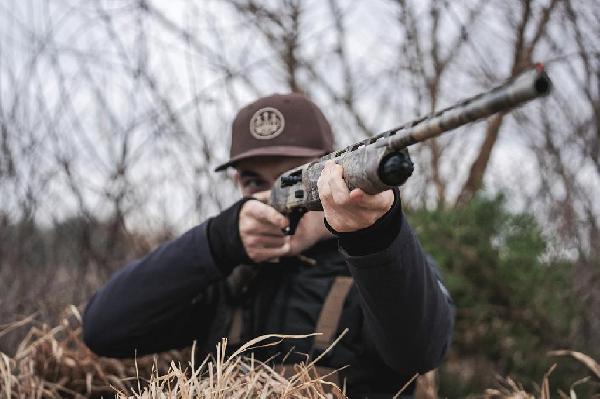
We slogged through an hour-long alder hell and didn't move a bird. The boys and I were shocked, for we called the covert Old Reliable. We were at the end, and I broke open my side-by-side and leashed Cider for the walk back to the truck. Wouldn't you know it, there was a brood of grouse feeding on insects at the edge of the field? Cider pointed, and the grouse flushed like a covey of quail. Two went to the left, two went straight away, and two went to the right. Bob missed one of the crossing shots, and Tim missed the straight-aways. Me? I gave 'em grief, 'cause that's what friends are for.
Understanding Bird Scent - Part 1 The Birds
In his book Best Way To Train Your Gun Dog, Hall of Fame Trainer Delmar Smith said: "No one's ever understood one thing about scent." Add this: Odor chemistry is complex and still poorly understood. (The Science of Smell, Iowa State University May 2004). Now we can understand why few, if any, have dared enter this research field of bird scent and pointing dogs.
Pie Day
Toward the end of each month, Mother made pies, usually five or six. We kept one The others were delivered and given to various people in the community, the sick or shut ins or sometimes just a friend Mother hadn't seen in a while. I wasn't particularly fond of pie day. It wasn't because it meant me knocking on doors and handing the pies out, it was because of the hugs and cheek pinches all the old women felt obliged to give in return. Just before Thanksgiving and the opening day of quail season in 1964, pie day took on a very different meaning.