Causes, Symptoms and Treatment - Roundworms
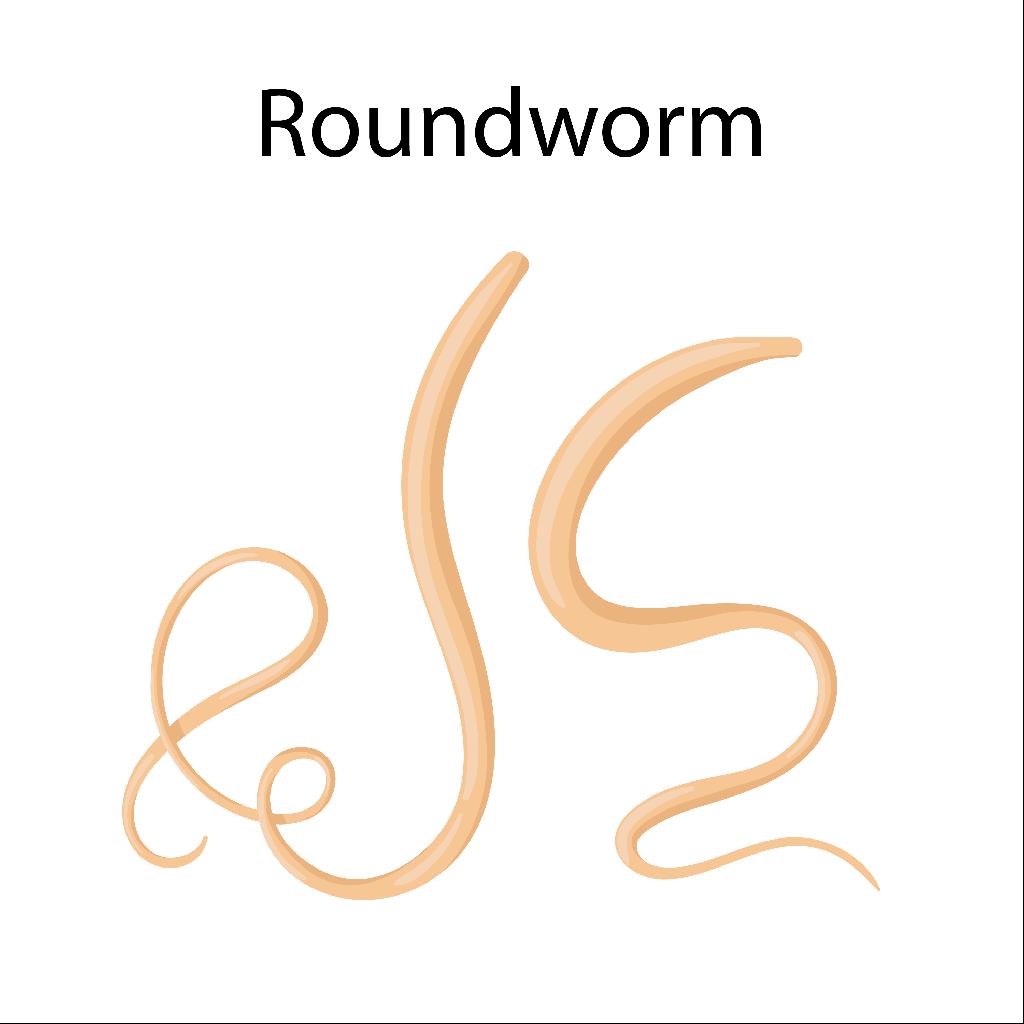
What Are Roundworms in Dogs?
What are roundworms in dogs? Roundworms (Toxocara Canis, Toxascaris leonina) are parasitic worms of the Nematoda phylum, including hookworms and whipworms. These parasites usually lay their eggs in the soil near areas that dogs frequent; however, it can be transmitted through contact with infected dogs and through their feces or vomit. Roundworm larvae can then enter the dog's body through the mouth, nose, or an existing cut or wound. Once inside, they make their way to the intestines, where they will mature into adult worms.
What Causes Roundworms in Dogs?
Many types of roundworms can infect dogs, but the most common is Toxocara canis. Roundworms are typically transmitted to puppies via their mother's milk or while they're still in the womb. The larvae can also be transmitted through contaminated soil or water. Adult dogs can become infected if they eat contaminated prey. What happens is that after sniffing or licking something with roundworm eggs on it, the eggs get transferred into a dog's mouth. The eggs then travel down into its intestines, where they hatch and release larvae which grow into adult worms capable of producing more eggs. Roundworms will not live for long periods outside of an animal host, so symptoms may not present until weeks or months later.
What Are The Symptoms Of Roundworms In Dogs?
Dogs with roundworms may show symptoms including;
- Diarrhea
- weight loss
- potbellied appearance
- vomiting
- Dull hair
- Coughing may also be a symptom of roundworms
Diagnosis of Roundworms in Dogs
There are a few ways your veterinarian can diagnose roundworms in dogs. The most common is through a fecal flotation test which involves collecting a stool sample and looking for the presence of roundworm eggs under a microscope. Your vet may also use other diagnostic tools such as X-rays or an ultrasound to look for adult worms in the intestines. If your dog has a severe infection, then he will likely have symptoms like vomiting, weight loss, diarrhea, and lethargy. If you suspect your dog has roundworms, then it's essential to see a vet as soon as possible because it could lead to dangerous complications if left untreated.
What Is The Treatment For Roundworm Infection?
There are a few different ways to treat roundworm infection in dogs. Your veterinarian will likely prescribe deworming medication, which will kill the worms. You may also need to give your dog antibiotics if they have a secondary bacterial infection. Albendazole medication may also be prescribed. This helps relieve the symptoms of roundworm infection and prevents complications from developing. Depending on the severity of their condition, some dogs may require intensive treatment for days or weeks at a time. The vet may also prescribe an iron supplement if the worm is causing anemia. This helps relieve the symptoms of roundworm infection and prevents complications from developing.
It's important to note that while some medications will kill the worm once it's out of the dog's body, these medications won't help with intestinal infestation. Intestinal infestation requires surgery by your veterinarian to remove them from their home in the dog's intestines. A fecal examination can detect signs of roundworm infection, so you know what kind of treatment is necessary.
Although roundworms are more common in puppies, adult dogs can get them too. The most common symptom of roundworms is a dull coat. If you think your dog may have roundworms, take them to the vet for treatment. In the meantime, practice good hygiene by washing your hands after handling your pet. Keep an eye out for symptoms like nausea, diarrhea, or vomiting. If these symptoms persist even after being treated with medication from the vet, contact your veterinarian immediately, as this could be something else altogether.
Related Aritlces
Causes, Symptoms and Treatment - Hip Dysplasia
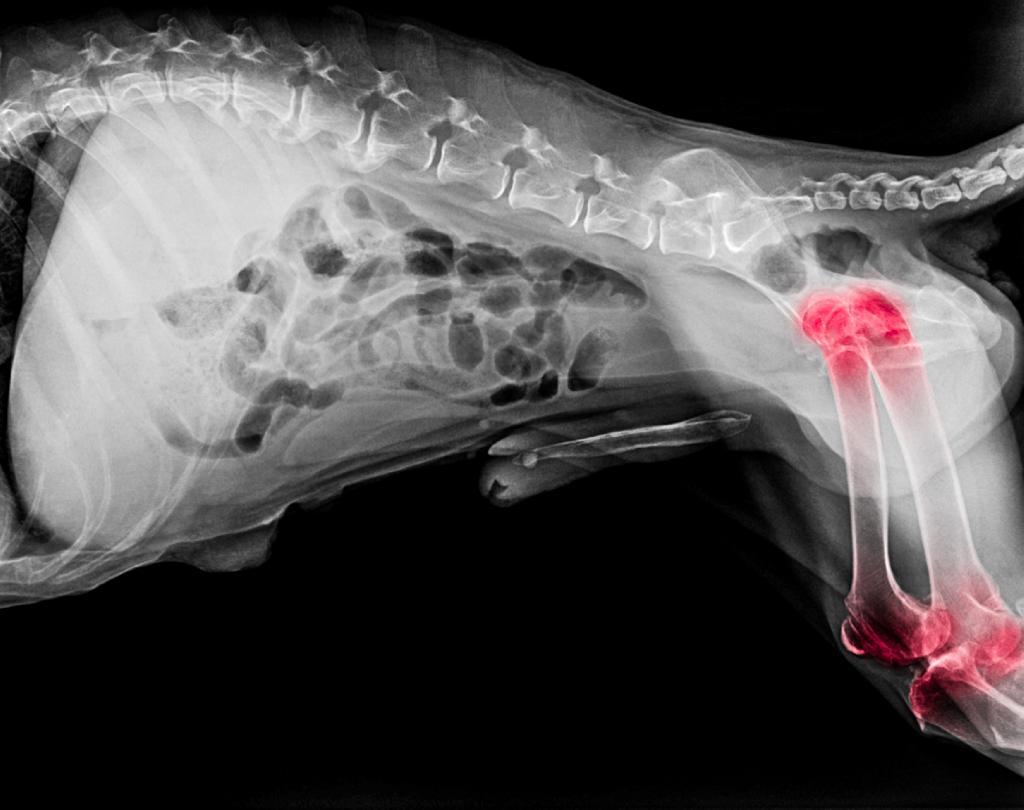
A hunting dog's career can be cut short when it develops hip dysplasia, so it's essential to understand the causes of this condition, how to spot the symptoms, and what treatments are available to help your dog live its life as comfortable as possible. The good news is that you don't have to put down your best hunting dog just because it has hip dysplasia, with the right approach, you can give your dog many years of pleasure and fun in the field before he needs to retire.
Causes, Symptoms and Treatment - Coccidia
Do you own a hunting or sporting dog? Then you should know about the danger of coccidia in dogs. You may have already heard of this disease because it is common among these breeds and can be serious if not caught early.

Causes, Symptoms and Treatment - Hookworms
Hookworms are one of the common intestinal parasites in dogs and cats. As the name suggests, hookworms have hook-like mouthparts that enable them to attach to intestinal walls. These microscopic germs may not be easy to catch with the naked eye. However, their impact on the animal's health can be dire. The parasites feed on the intestines by ingesting blood from the capillaries and other tiny blood vessels, thus causing inflammation.