Article Database
These page is loaded with Featured Articles
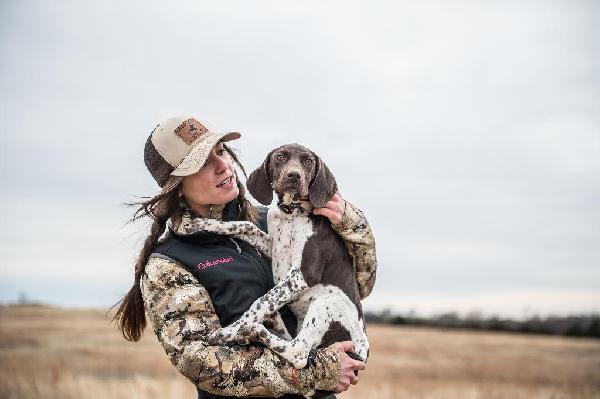
When and How to Socialize a Sporting Breed Puppy
Socializing puppies when they’re young is key to building strong and confident adult sporting dogs. Puppies need to learn about everything, which includes the environments in which they’ll live and work, people, other dogs and animals, and routine care. Read on for some tips on when and how to start socializing your sporting breed puppy.
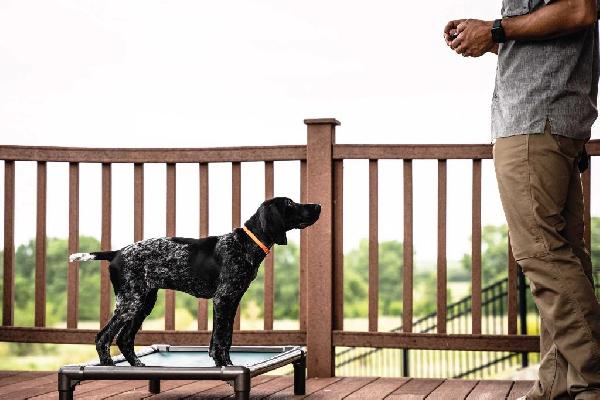
Can Sporting Breed Puppies Eat Adult Dog Food?
Sporting breed puppies are bred and trained to work. As a result, they have very different nutritional needs from those of a future house dog. Puppy formulas are typically more nutrient dense when compared to most adult formulas, to meet the demands of growth. However, it is not uncommon for sporting dog owners to utilize a performance formula or an “all-life-stages” product for their sporting breed puppies. These formulas are usually more nutrient dense and, in theory, sufficient to support the growth period. However, there are other nutritional options available today specifically designed for active puppies that may offer advantages that help promote a solid nutritional foundation for future performance.
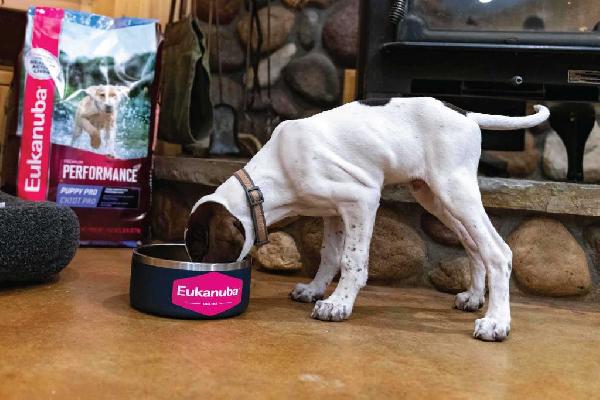
How Nutrition Supports Trainability in Your Sporting Breed Puppy
Sporting breed puppies have a lot to learn. Nutrition that fuels healthy brain function and learning supports a puppy’s ability to master a variety of tasks. Puppy diets that contain clinically proven levels of docosahexaenoic acid (DHA) can provide a training edge.
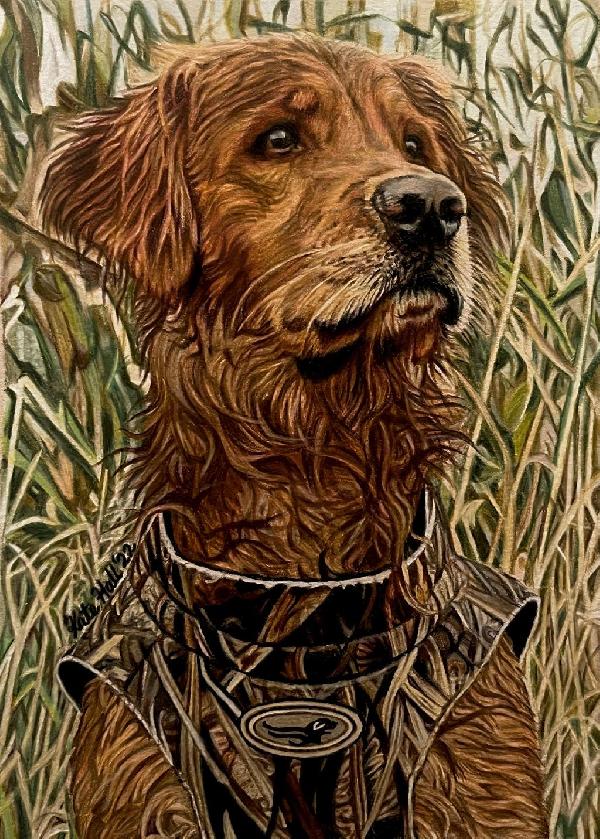
Puppy or Older dog
So `Goose` is getting older and you are thinking about a new puppy. Or maybe you lost your pet and are starting to look for another one. Remember first of all there is only one `Goose`. Nothing or nobody can replace him. He was the one we have all had or want to have. He may not have been a Field Trial Champion but to us he was better. Goose just fits our family. Do we get a puppy or an older pup out of the puppy stage? Each family must make a decision of what works best for them. I am going to give you the pros and cons for young puppies verses older puppies for sporting dogs. Of course, many decisions must be made like, breed, pedigree, what or how will I use Goose Jr? Will I hunt test, field trial, or just hunt?
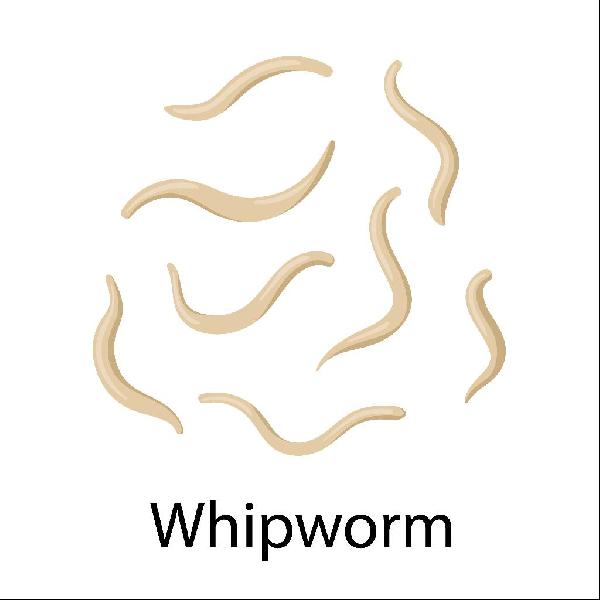
Causes, Symptoms and Treatment - Whipworms
A common parasite in dogs, whipworms infect your pet's colon and small intestine, causing symptoms of diarrhea, vomiting, and weight loss. They are hard to treat, but fortunately, whipworms are not transmittable to humans or cats and can be easily prevented. In this article, we'll discuss the causes of whipworms in dogs, their symptoms, and how they can be treated.
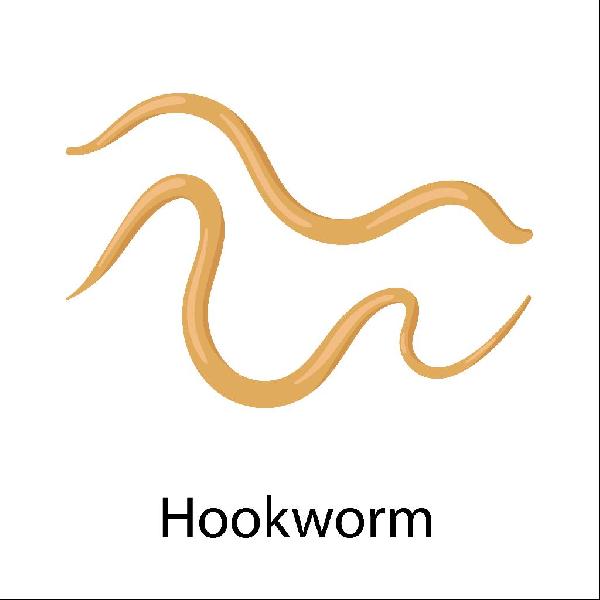
Causes, Symptoms and Treatment - Hookworms
Hookworms are one of the common intestinal parasites in dogs and cats. As the name suggests, hookworms have hook-like mouthparts that enable them to attach to intestinal walls. These microscopic germs may not be easy to catch with the naked eye. However, their impact on the animal's health can be dire. The parasites feed on the intestines by ingesting blood from the capillaries and other tiny blood vessels, thus causing inflammation.
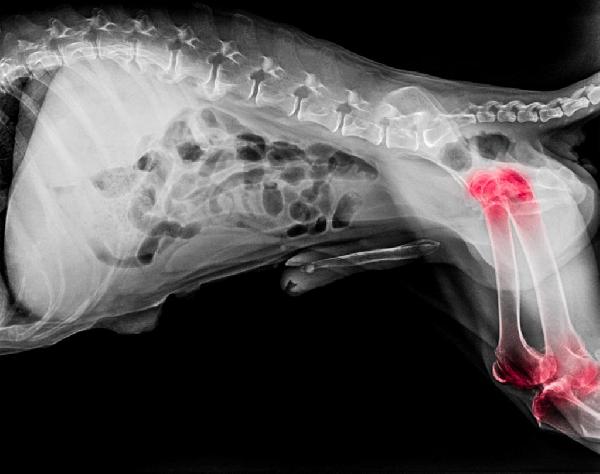
Causes, Symptoms and Treatment - Hip Dysplasia
A hunting dog's career can be cut short when it develops hip dysplasia, so it's essential to understand the causes of this condition, how to spot the symptoms, and what treatments are available to help your dog live its life as comfortable as possible. The good news is that you don't have to put down your best hunting dog just because it has hip dysplasia, with the right approach, you can give your dog many years of pleasure and fun in the field before he needs to retire.
Poisonous Plants For Dogs
Dogs make such great hunting companions because they have great instincts, and they love to explore. Unfortunately, this desire to explore can sometimes take over, and the instinct to check something out with their mouths can lead to a great deal of danger. A lot of plants and flowers growing in gardens and in the wild are innocuous to humans but poisonous plants for dogs.
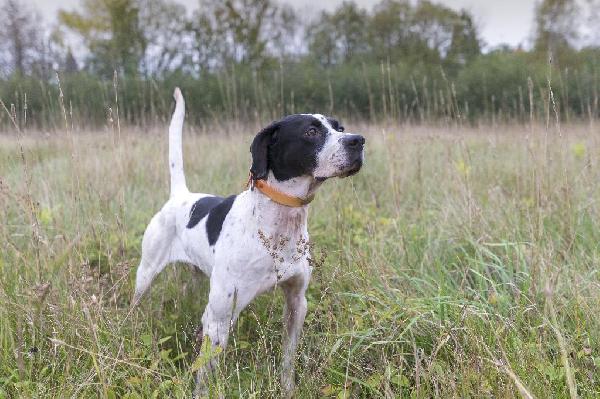
THE BENEFITS OF ANTIOXIDANTS IN DOG FOOD
Hunters and trainers might argue about which breeds of sporting dogs are best for their preferred pursuits, but they can all agree on one thing, sporting dogs are driven to work. Whether it's a setter, pointer, shorthair, or retriever, sporting dogs are energetic, focused, and motivated. Off-season conditioning helps dogs maintain their hunting drive all year long. Well-conditioned bird dogs can run for miles without missing a step, and retrievers can run, jump, and swim their way through dozens of retrieves.
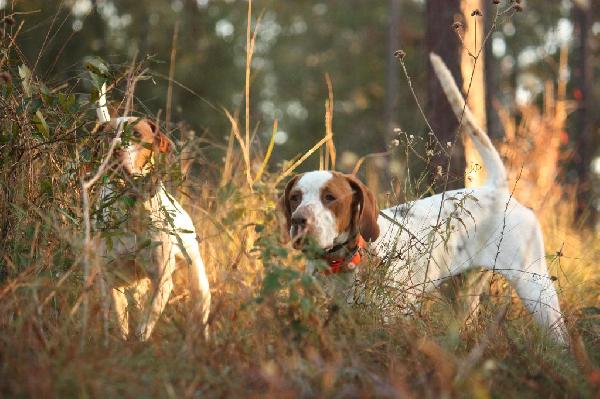
And the Birds Whistled Bob-white
Quail hunting in the South has always been as common as sunburn. Due to the fertile soil, flat and rolling coastal plains that are cut by long rivers and dotted with lakes and ponds, made for a perfect farming. Mild winters with hot, humid summers meant crops grew for longer times of the year than just about any other part of the country. Cotton, rice, peanuts, tobacco, peaches, sugar cane, watermelons, and indigo, the blue dye that comes from the plant, were staples. It didn't matter if the farming occurred on plantations several thousand acres big or on 50-acre tenant farms, one thing was for sure. Quail were abundant.
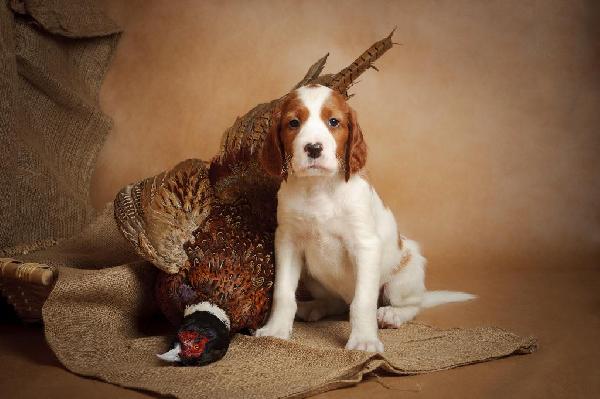
How your dog ages
You ever heard that your dog ages seven years for every year that you age? Is called the "rule of paw". Used since the 1950s, the "rule of paw" is speculated to come from the ratio of the average mortality years in dogs versus humans. Dogs on average would die after about ten years, while the average age for humans was around 70 years. But how accurate is this?

Causes, Symptoms and Treatment - Giardia
Understandably, a good population of pet owners are worried about their pets catching a Giardia infection, thus acquiring Giardiasis. Statistical numbers show that about 15 % of dogs globally already have the disease. While Giardia is prevalent in cats and dogs, a variant of the parasite also infects human.
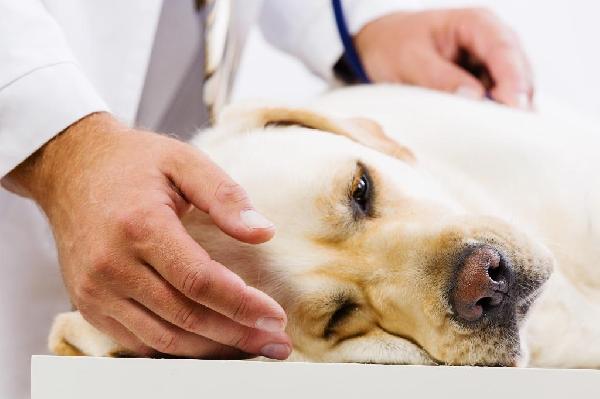
Causes, Symptoms and Treatment - Coccidia
Do you own a hunting or sporting dog? Then you should know about the danger of coccidia in dogs. You may have already heard of this disease because it is common among these breeds and can be serious if not caught early.
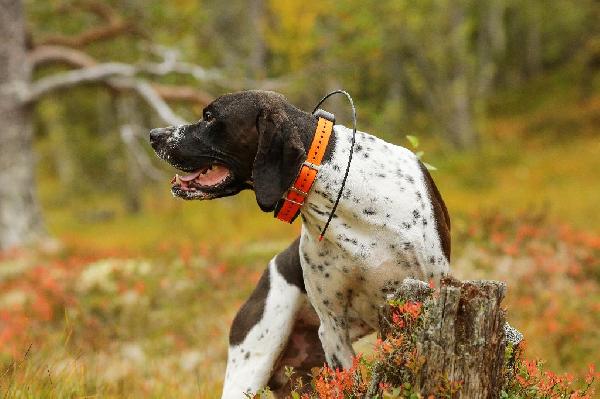
Amazing Facts about a dogs sense of smell
With regarding to sense of smell, our hunting dogs reign supreme. Scientists speculate that their olfactory senses can be 10,000 to 100,000 better than ours. For every single human scent receptor, our amazing canine companions boast 50. They have evolved to use a lot of their brain power the sense of smell. This remarkable ability makes our tail-wagging friends the best at detecting bomb threats, contrabands and game. Their scent receptors also adapt to different environments; thus, they can interpret various smells in a broad background. Even though most people prefer to domesticate the dogs, hunting and tracking are the exciting parts where a dog's sense of smell can be highly used. Dog hunting breeds have relied on this ability to track scents miles away. Here are some amazing facts about a dog's sense of smell:
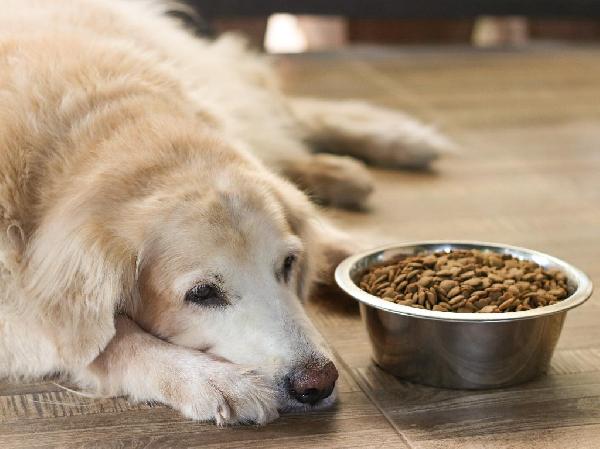
Causes, Symptoms and Treatment - Parvo
Parvo in dogs refers to the Canine parvovirus, a highly contagious disease found among dogs that causes gastrointestinal illnesses in puppies and older animals. It is a febrile disease of the canines which is highly contagious, especially through contact with infected feces. The virus spreads to the dogs' gastrointestinal tracts and affects their health by deteriorating their intestines, stopping them from absorbing vital nutrients. As a result, dogs and puppies become extremely weak and dehydrated. Hunting breeds are especially affected due to their exposure to infected animals or other factors such as contaminated soil and water. Thus, they are more prone to be infected with the parvovirus. The illness, if not well looked after or controlled, can lead to the death of the dogs.